

Cat's Ear
Hypochoeris radicata
Cat's ear is a rosette-forming perennial weed of turf and pasture that mimics dandelion and thrives in low-mown or thin lawns.
Cat's ear, also called flatweed, is a perennial broadleaf weed that forms a flat rosette of leaves pressed close to the ground. The leaves are oblong to lance-shaped, lobed or toothed along the margins, dull green and covered in coarse, bristly hairs on both surfaces, which helps distinguish it from the smooth, hairless leaves of dandelion. From the centre of the rosette, one or more wiry, branched, leafless flower stems rise 15 to 60 cm high, each bearing a single yellow daisy-like flower head. Flower heads mature into a rounded seed head of parachute-like seeds that disperse readily on wind.
The plant has a stout, fleshy taproot that allows it to persist through mowing and dry periods, regrowing from the crown even when leaves are removed. Seedlings emerge as small rosettes with rounded, slightly hairy cotyledons before developing the characteristic lobed leaves.
Cat's ear is widespread across temperate and subtropical Australia, occurring in lawns, sports turf, pastures, roadsides and disturbed ground. It germinates mainly in autumn and spring where moisture is available, though established plants can persist year-round due to the taproot. It is particularly common in turf that is mown low, undernourished or has thin, open swards that allow light to reach the soil surface, giving the low-growing rosette a competitive advantage over upright grasses.
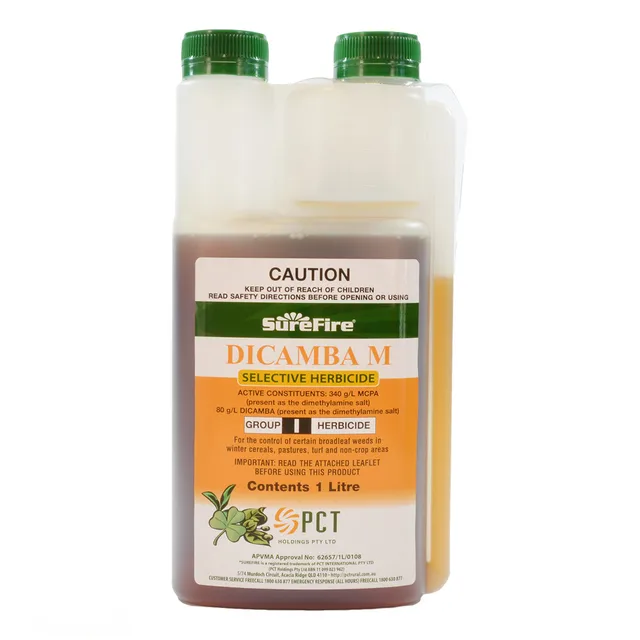
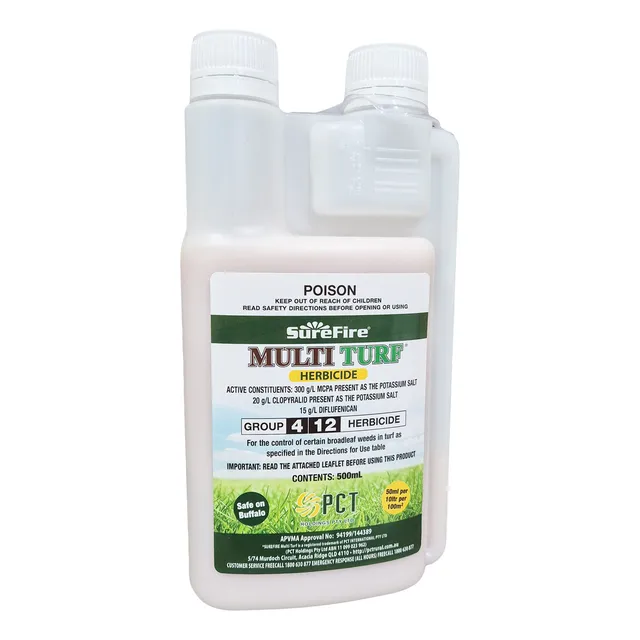
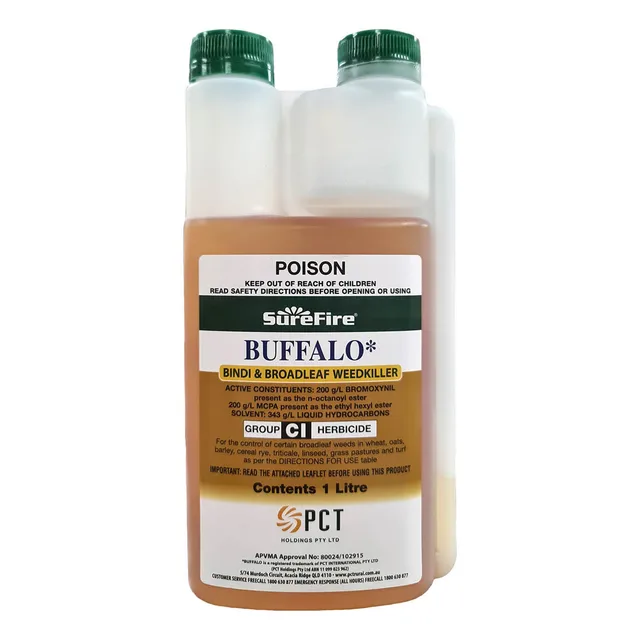
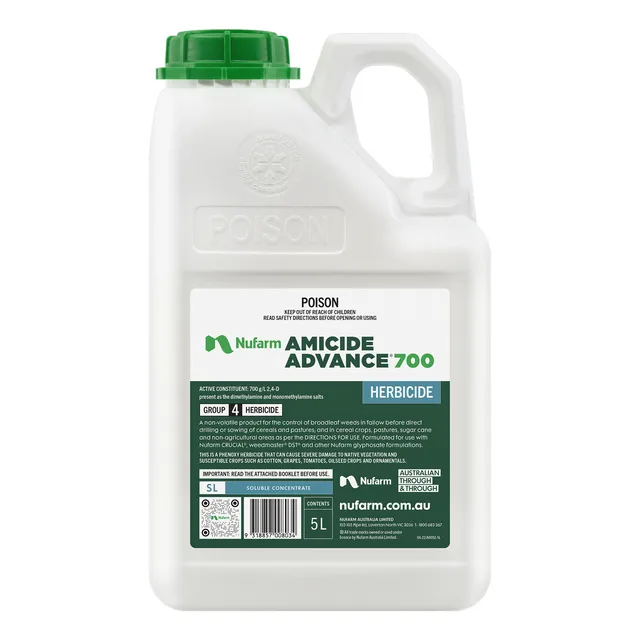
Management relies on maintaining dense, vigorously growing turf through appropriate mowing height, fertility and irrigation to reduce establishment opportunities. Physical removal of the taproot is effective for isolated plants in garden or amenity settings. In pasture and turf situations, selective herbicide control targeted at the rosette stage, combined with practices that promote turf density, gives the most reliable long-term suppression.
How to identify
- Flat, ground-hugging rosettes of dull green, hairy, lobed leaves appearing in thin or closely mown turf
- Wiry, branched flower stalks bearing single yellow flower heads held well above the leaf rosette
- Fluffy, dandelion-like seed heads that break apart and spread seed on wind
- Bare or thinning patches in turf where rosettes have smothered surrounding grass
- Persistent regrowth after mowing or slashing due to the fleshy taproot beneath the rosette
Field check: Dig or lever out a suspect rosette to expose the root system. Cat's ear has a single stout, fleshy taproot, and its leaves feel rough and bristly to the touch. Cutting the flower stem will not exude milky sap, unlike dandelion.
Lookalikes: Cat's ear is frequently confused with dandelion (Taraxacum officinale) and flatweed relatives such as Hypochoeris glabra. Dandelion leaves are hairless, more deeply and sharply toothed, and the plant exudes milky white sap when cut. Hypochoeris glabra is a smaller, smoother-leaved annual with less bristly foliage and a weaker root system than the perennial H. radicata.
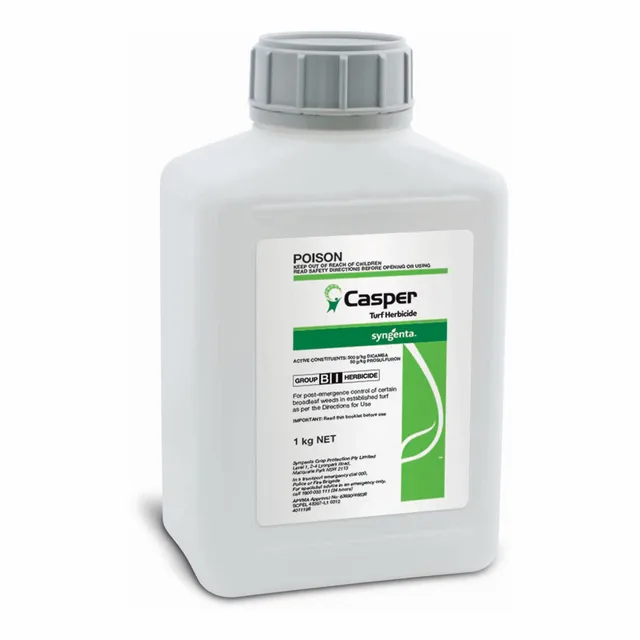
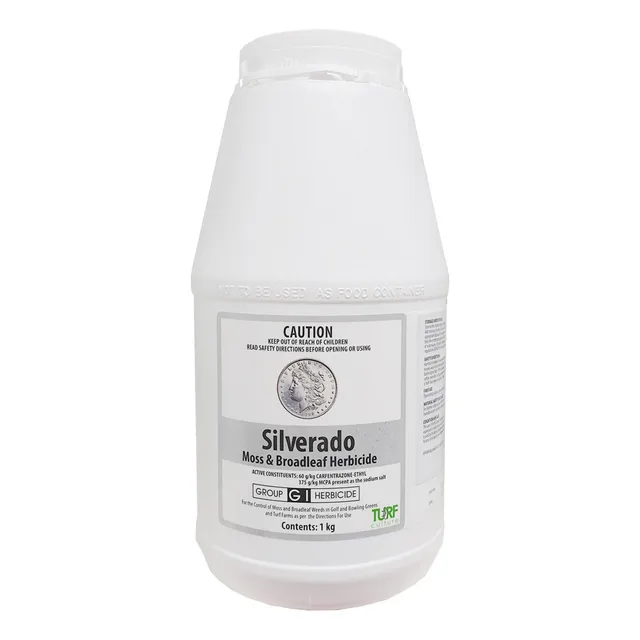
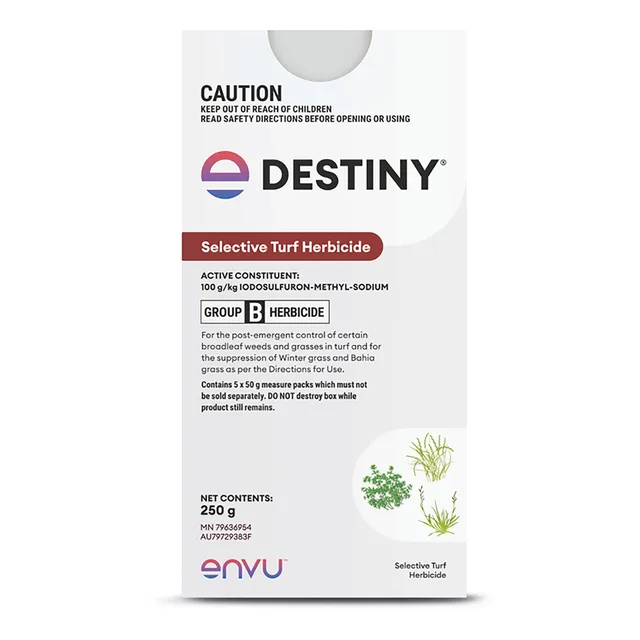
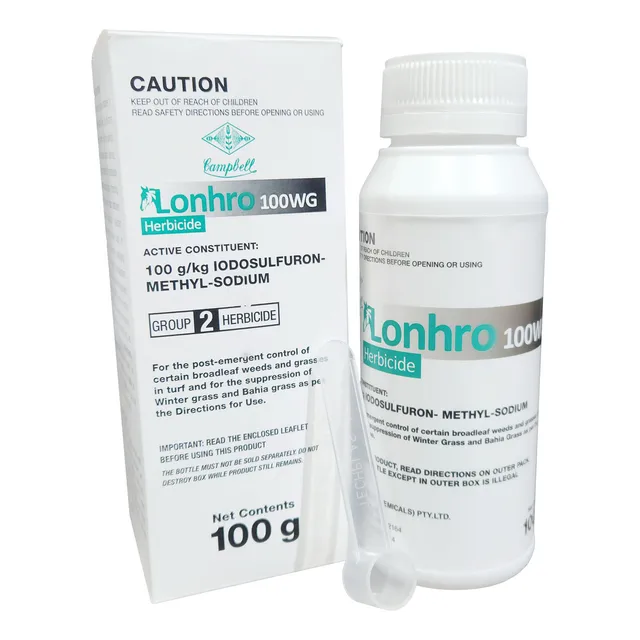
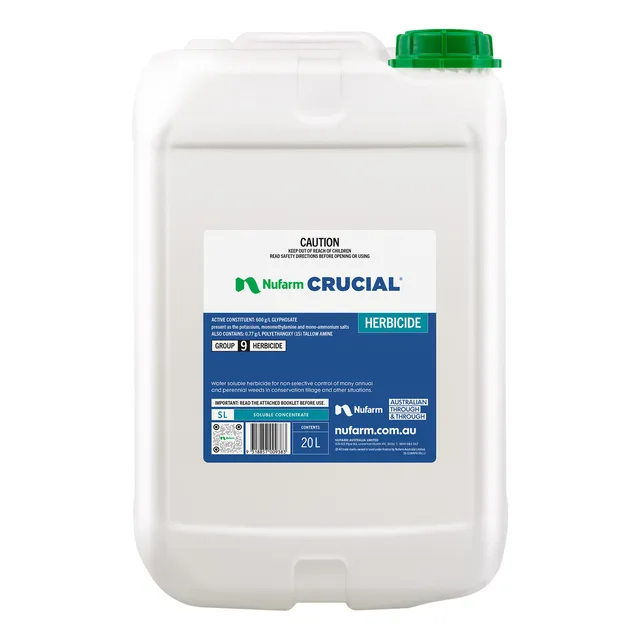
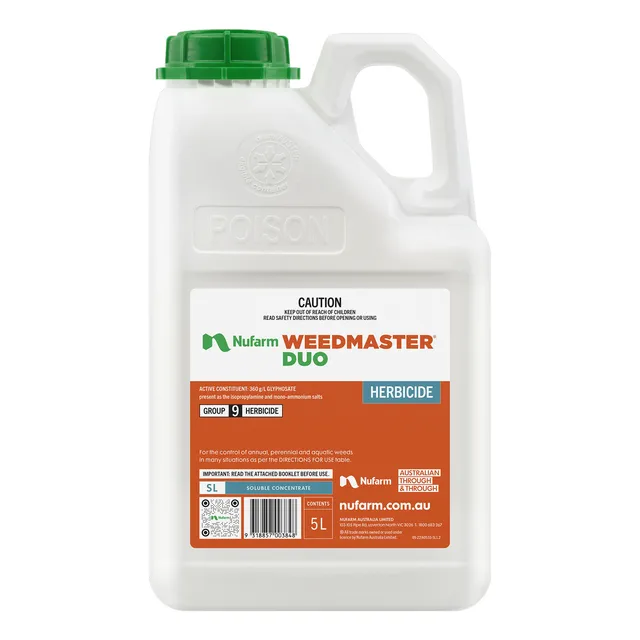
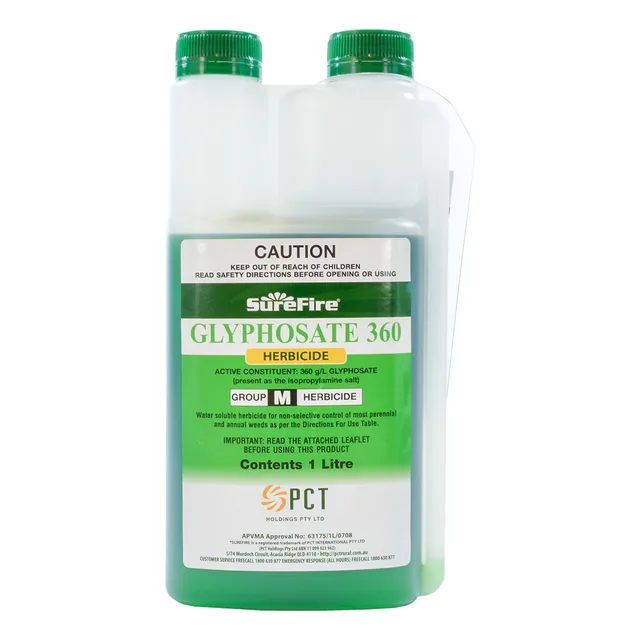
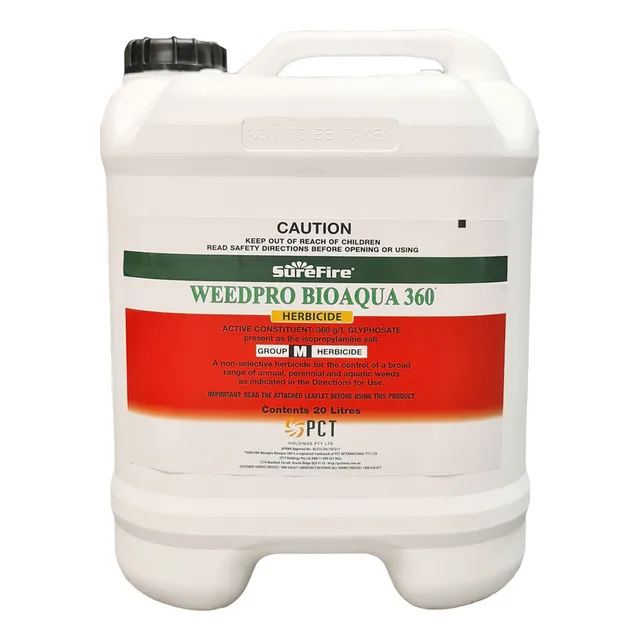
Registered products we stock



No products match those filters.