

Rust
Pucciniales
Rust is a fungal disease causing orange, yellow or brown powdery pustules on leaves and stems of many ornamental, turf and production plants.
Rust is caused by a large group of related fungi in the order Pucciniales, each generally specific to one host or a narrow range of related hosts. On the leaf or stem surface, infection appears as raised pustules (sori) that rupture the epidermis and release masses of powdery spores. Pustule colour varies with the species and life stage, most commonly orange, yellow-orange, rusty brown or, in some diseases such as white rust, cream to white. Pustules are often scattered or clustered, first appearing on the underside of leaves and later on the upper surface as the disease advances.
The fungus itself is microscopic; what is seen in the field is the fruiting structure and spore mass rather than visible mycelium in most cases, though a fine felty growth can sometimes be seen with a hand lens on heavily affected tissue. Spores are readily dislodged by wind, rain splash, irrigation and handling, and this is the main means of spread within a planting and between properties.
Rust diseases are common across Australian nursery, turf, ornamental and broadacre production, with particular species affecting cereals, legumes, stone fruit, roses, pelargoniums, chrysanthemums, mint, boronia, myrtaceous plants (myrtle rust) and many turf grasses. Development is favoured by mild to warm temperatures, extended leaf wetness, high humidity, overcast conditions and dense or shaded canopies that slow drying. Many rusts are most active in cooler, humid months, though this varies by species and region.
Management relies on cultural controls that reduce leaf wetness and humidity, such as improving airflow, avoiding overhead irrigation late in the day, reducing plant density and removing volunteer or alternate hosts. Removing and destroying infected leaves or plant debris reduces the spore load. Resistant varieties are available for a number of susceptible crops and ornamentals and should be favoured where rust is a recurring problem.
How to identify
- Raised, powdery pustules on leaves, stems, petioles or sheaths, typically orange, yellow-brown or rust-coloured, sometimes white or cream depending on the disease
- Pustules often appear first on the lower leaf surface, with corresponding pale or chlorotic spotting visible on the upper surface
- Fine, dusty spores that rub off readily onto fingers, clothing or a white tissue when the pustule is touched — a simple field check to confirm rust versus other leaf spots
- Premature yellowing, browning and leaf drop on heavily infected plants, and reduced vigour or yield under sustained pressure
- In turf, affected areas can appear dull yellow-orange or dusty from a distance, with orange residue transferring onto mower or boots when walked through
- Lookalikes: orange spore masses can be confused with nutrient deficiency mottling or with other leaf spot diseases; unlike nutrient disorders, rust pustules are raised and release spore dust when rubbed, and unlike most leaf spot fungi, rust spores are powdery rather than forming smooth, defined lesions
- Confirm by examining pustules with a hand lens for the characteristic powdery, blister-like structure, and checking whether spore colour and host match a known rust for that plant species
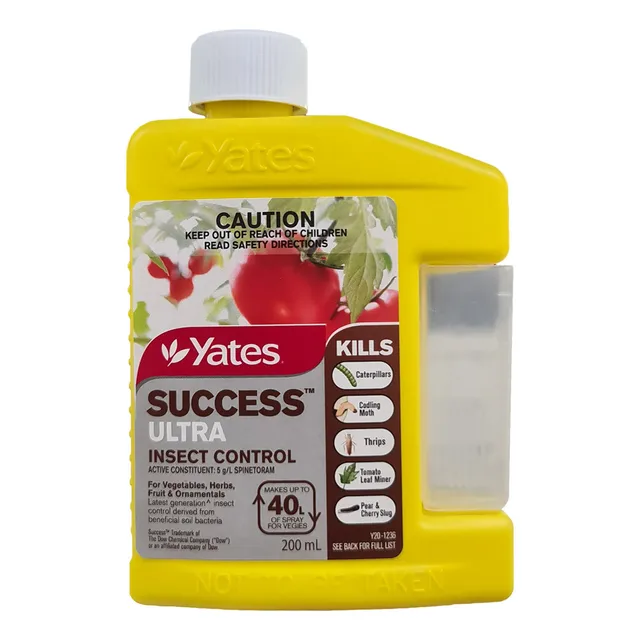
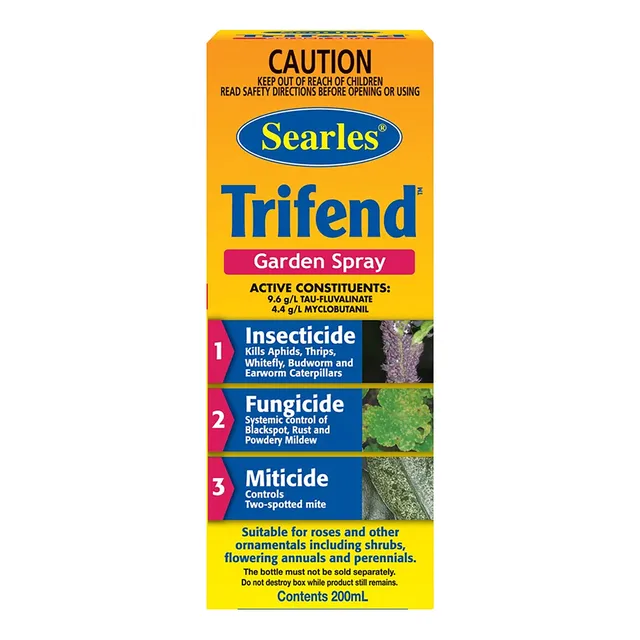
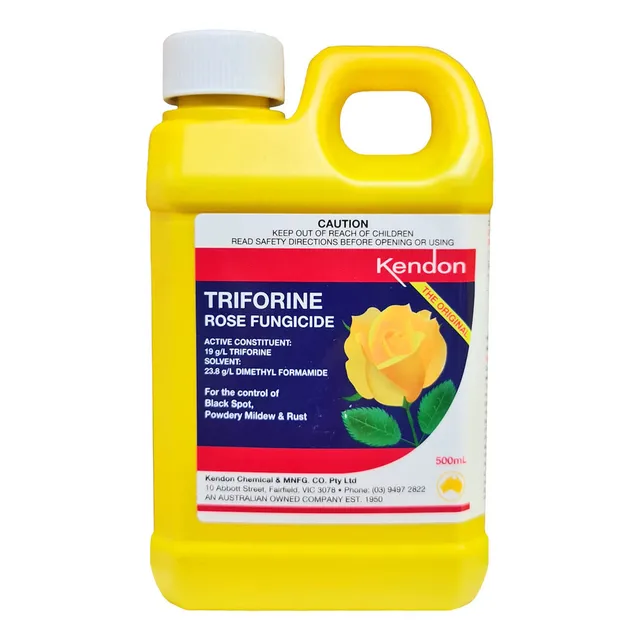
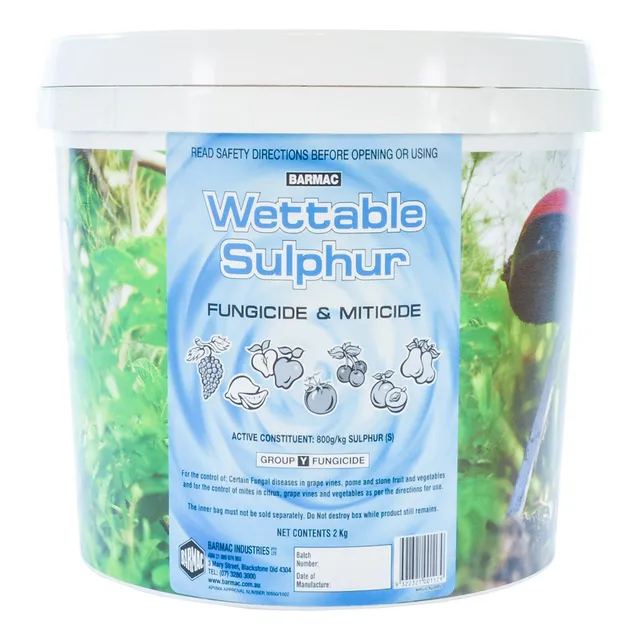
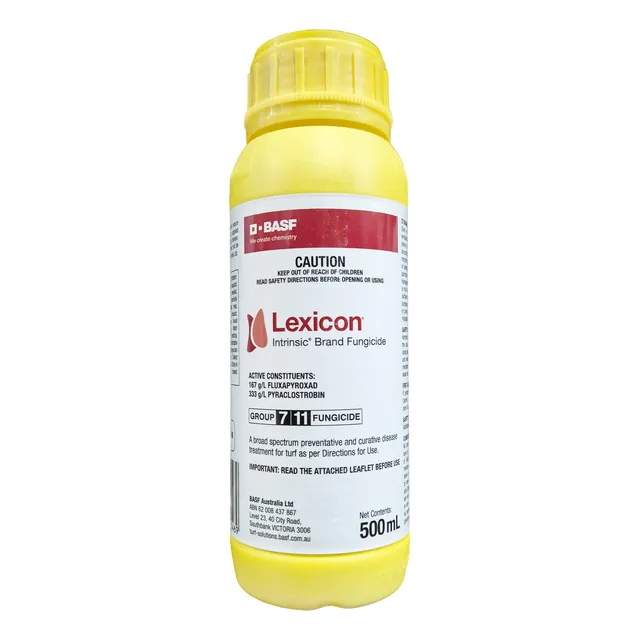
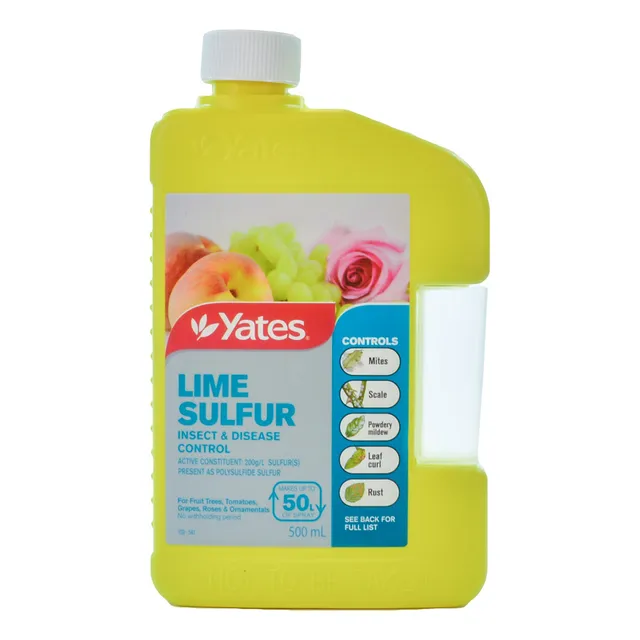
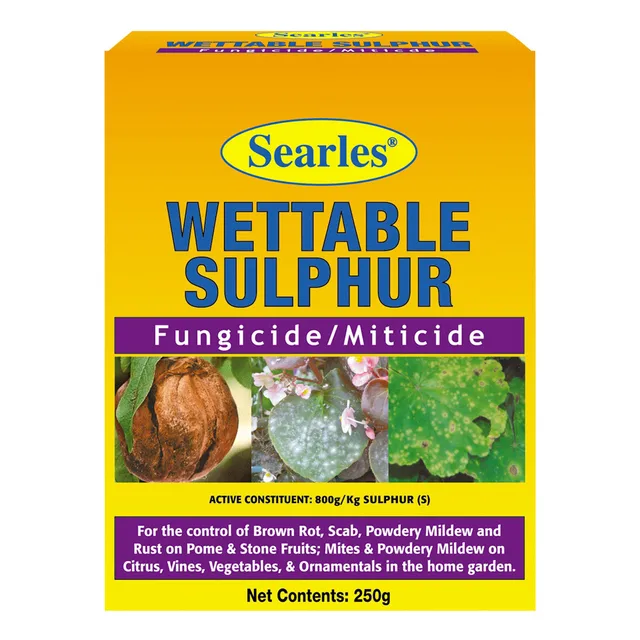
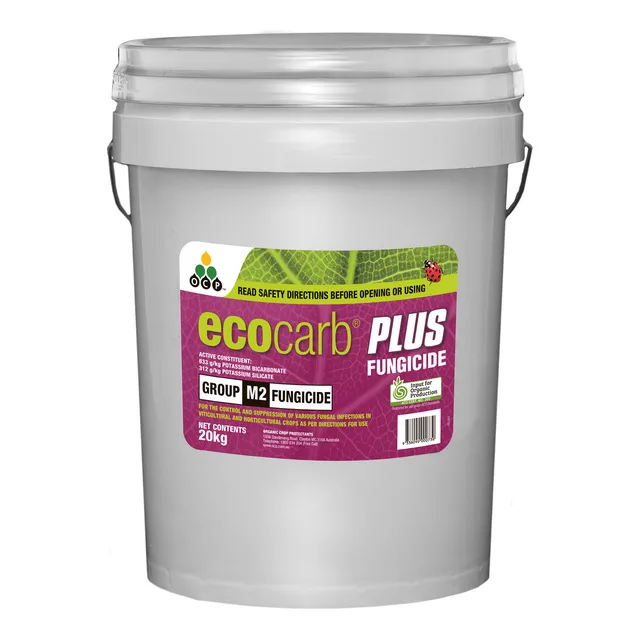
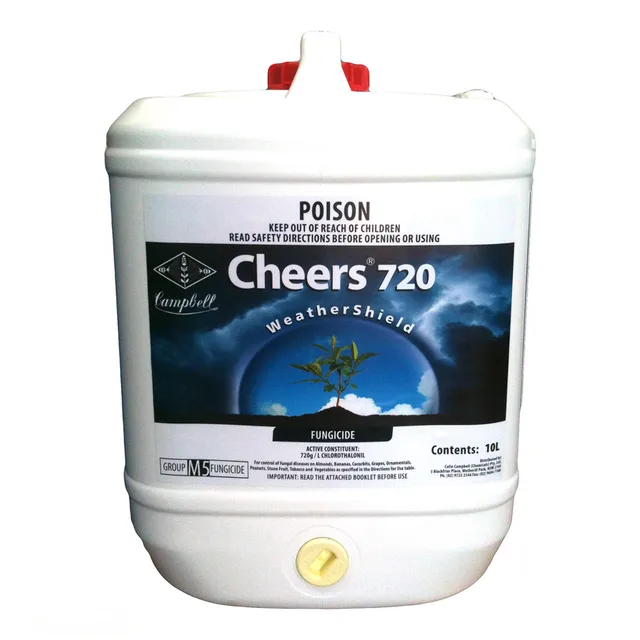
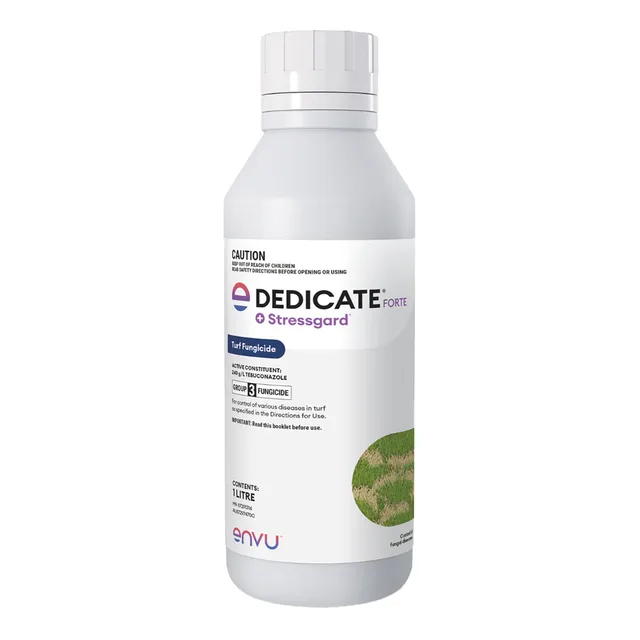
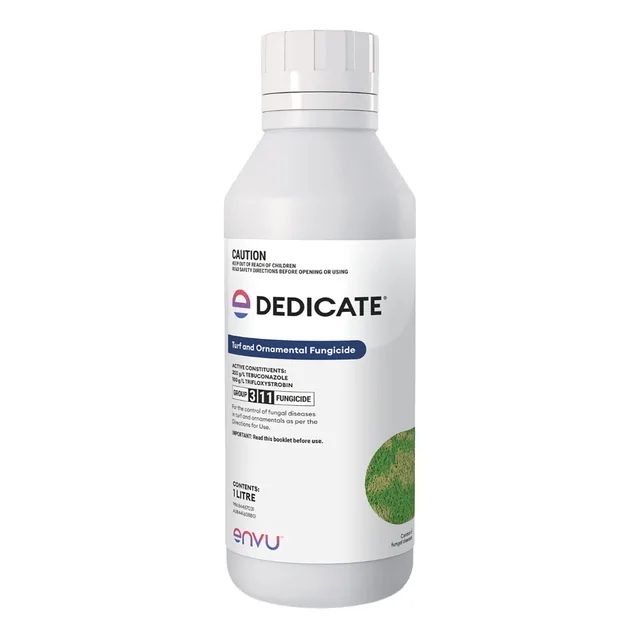
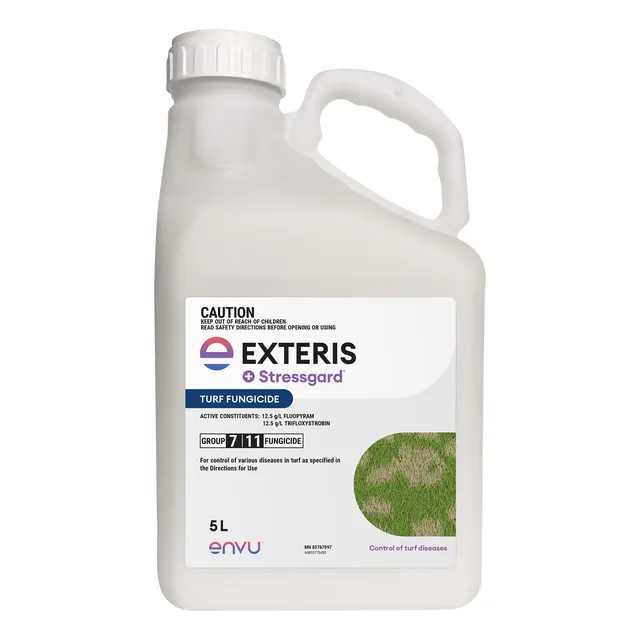
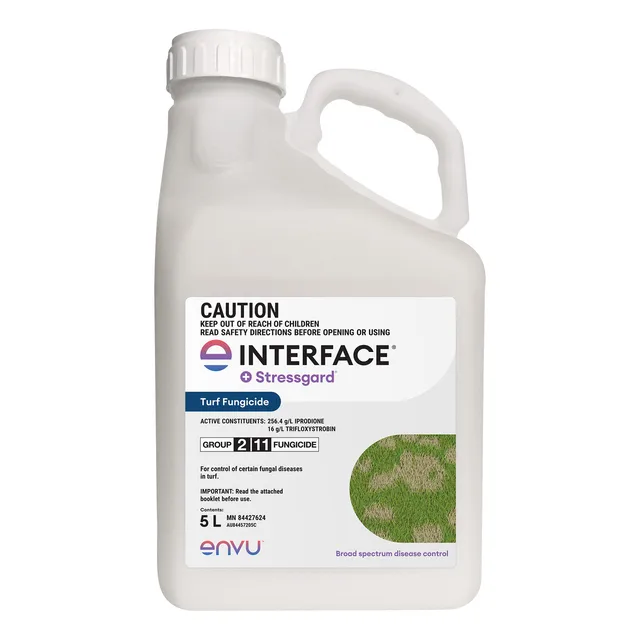
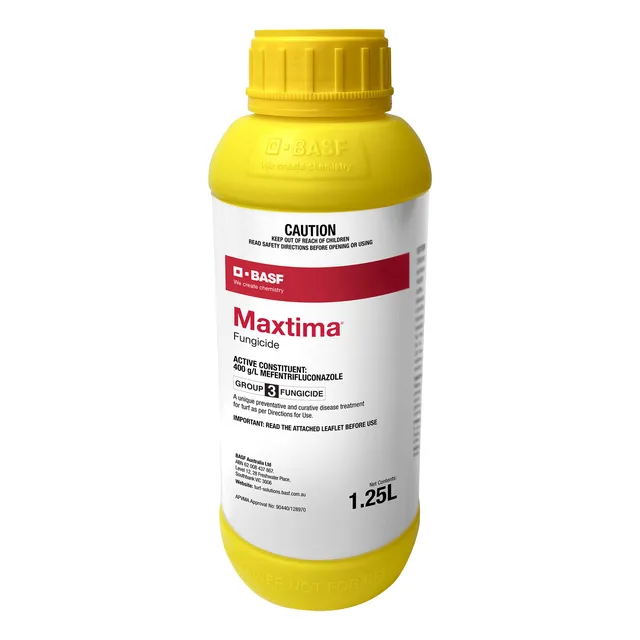
Registered products we stock
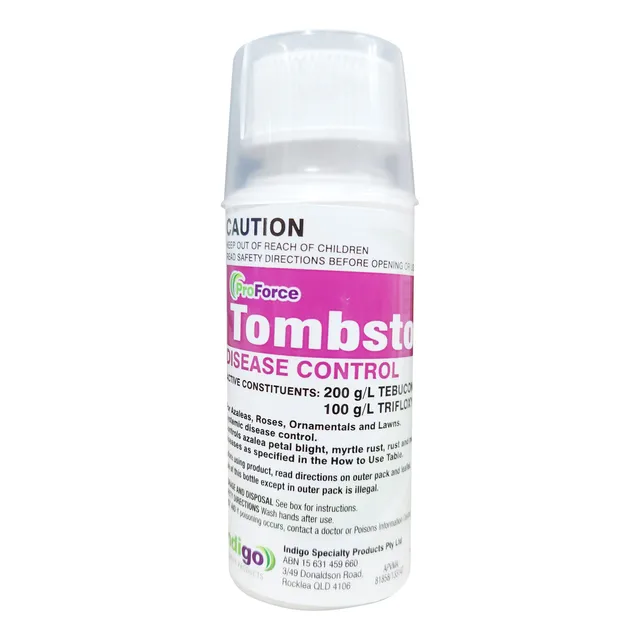
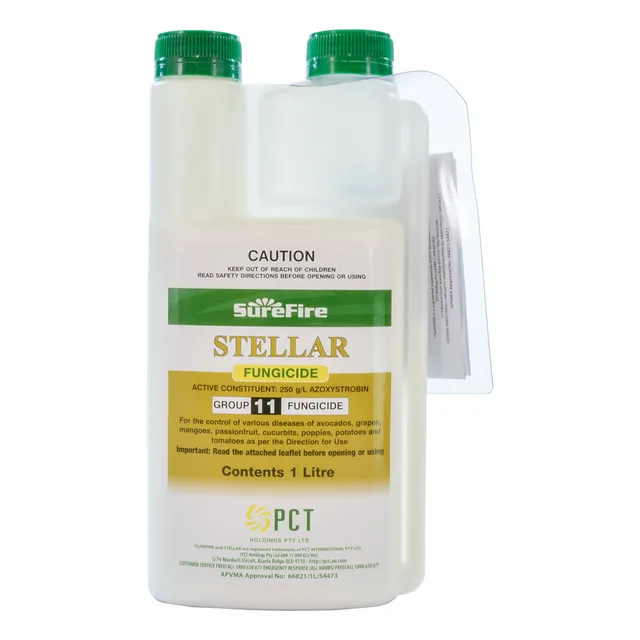
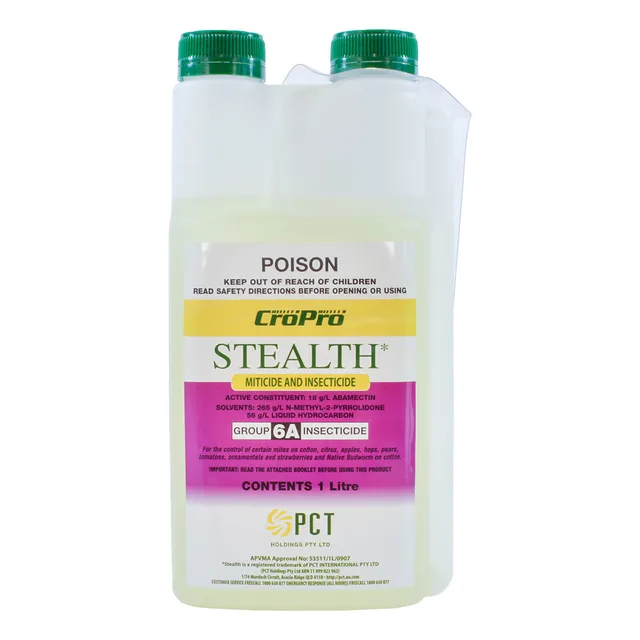
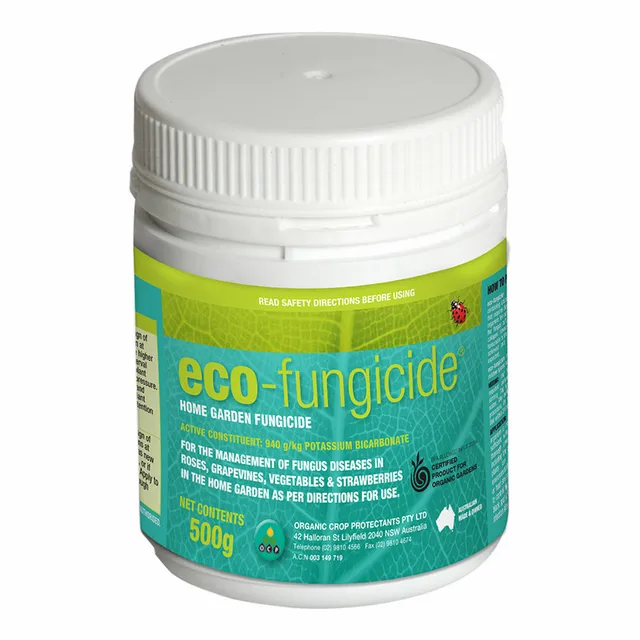
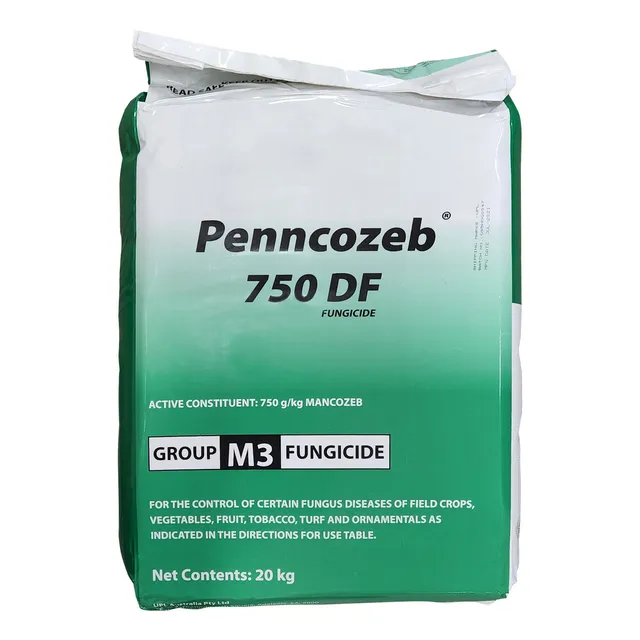
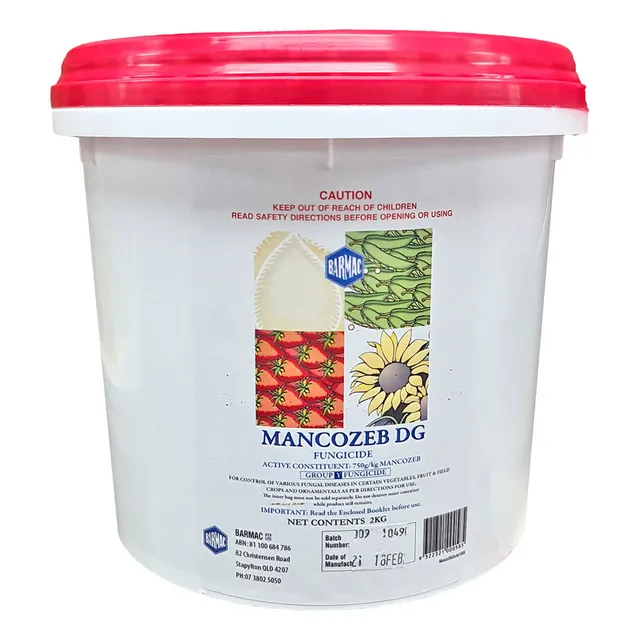
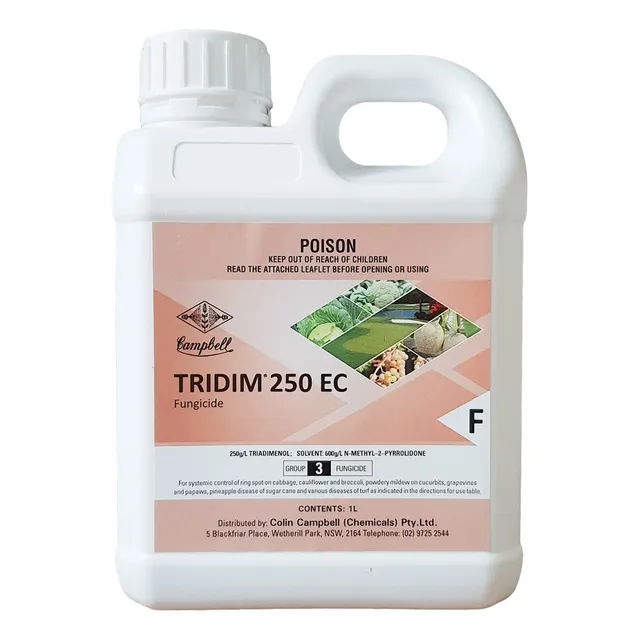
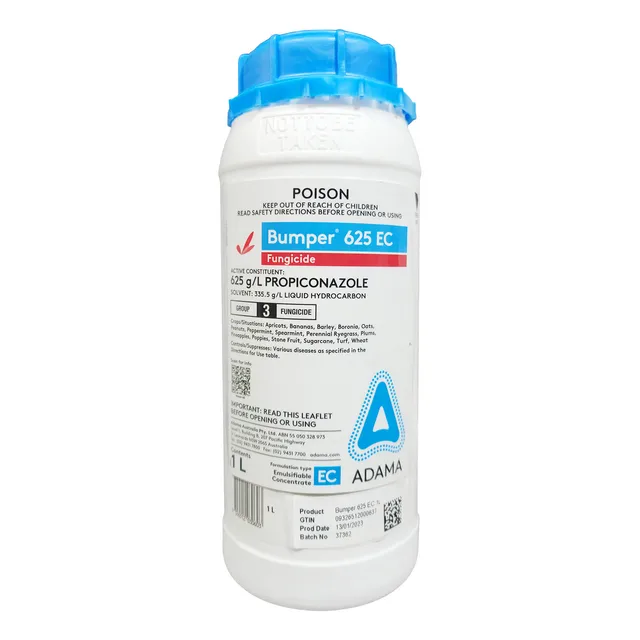
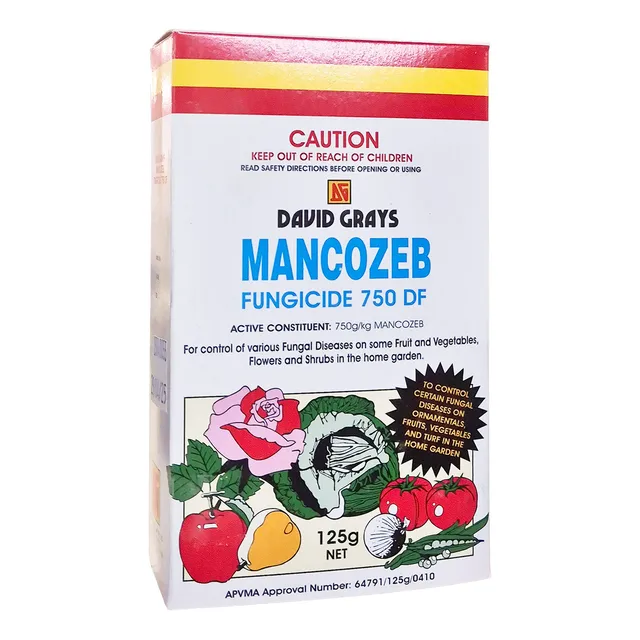
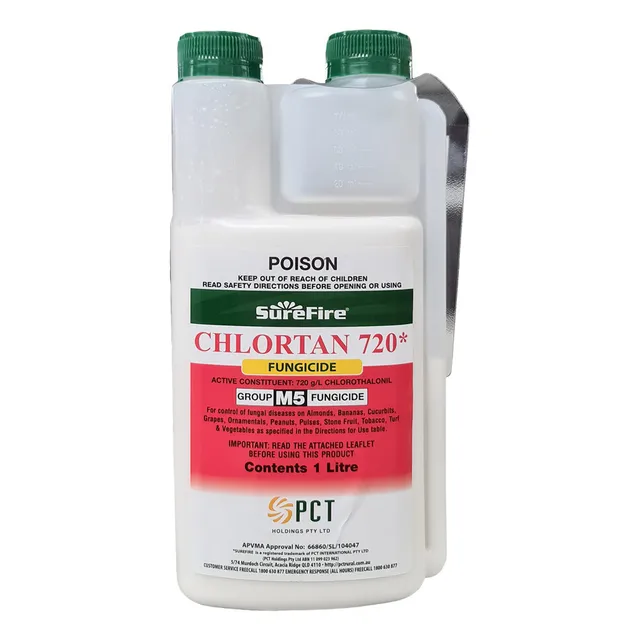
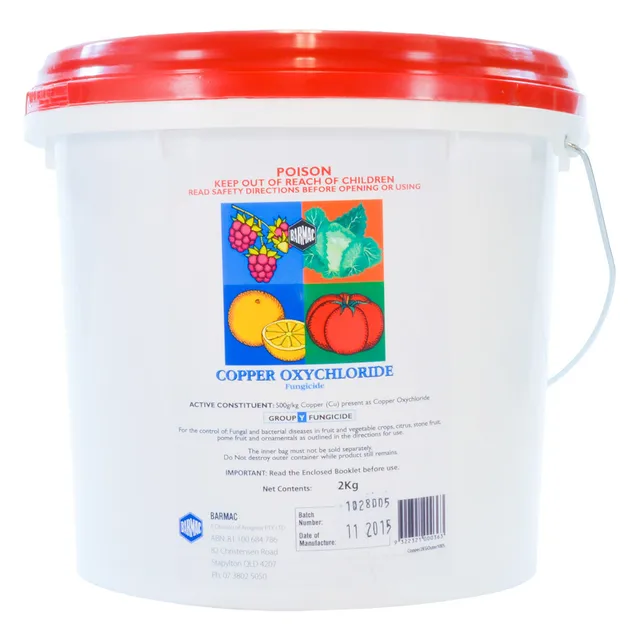
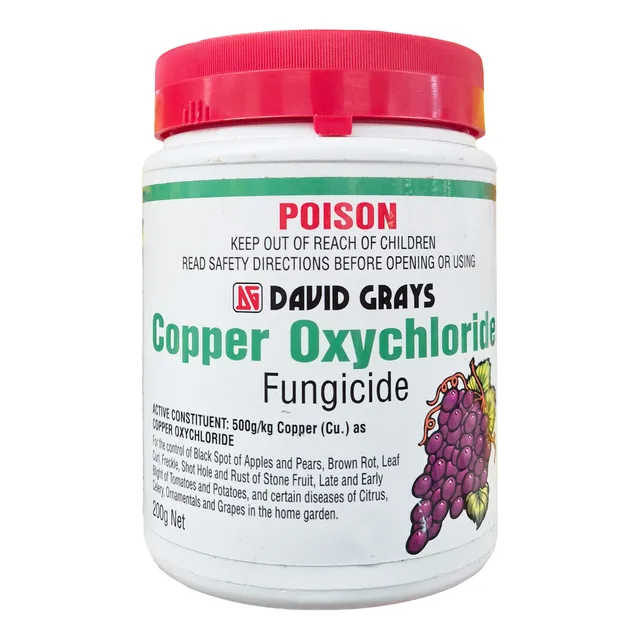
'%20fill%3D'none'%20stroke%3D'%23888'%20stroke-width%3D'6'%20stroke-linecap%3D'round'%20stroke-linejoin%3D'round'%3E%3Crect%20x%3D'0'%20y%3D'0'%20width%3D'141'%20height%3D'141'%20rx%3D'11'%20ry%3D'11'%2F%3E%3Ccircle%20cx%3D'49'%20cy%3D'49'%20r%3D'8'%2F%3E%3Cpolyline%20points%3D'141%2C94%2088%2C59%2030%2C141'%2F%3E%3C%2Fg%3E%3Ctext%20x%3D'50%25'%20y%3D'391'%20font-family%3D'system-ui%2Csans-serif'%20font-size%3D'29'%20fill%3D'%23888'%20text-anchor%3D'middle'%3EImage%20coming%20soon%3C%2Ftext%3E%3C%2Fsvg%3E)
No products match those filters.