

Winter Grass
Poa annua
Winter grass is a cool-season annual grass weed that invades turf, garden beds and nursery containers across southern Australia during autumn and winter.
Winter grass (Poa annua) is a low-growing, tufted annual grass with light yellow-green, soft leaves that are folded at the base and boat-shaped at the tip, similar to other grasses in the Poa genus. It forms compact clumps or, under mowing, a flattened mat, with a shallow, fibrous root system. Flower heads emerge quickly on short stems as small, pale seed panicles that are highly visible against darker turf and can form even when the plant is mown very low.
Seed production is prolific, with a single plant capable of setting hundreds of seeds within a few weeks of germination. Seeds have little dormancy and can germinate again soon after shedding, allowing several generations to occur within a single cool season. This rapid seed-to-seed cycle, combined with seed longevity in soil, makes winter grass persistent in turf, garden beds and nursery growing media.
It is one of the most widespread weeds in Australian turf, ornamental and production nursery situations, germinating from autumn through winter and into early spring wherever soil moisture and cool temperatures favour establishment. It is common in golf greens, sports fields, lawns, garden beds, and in pots and field-grown nursery stock, particularly where irrigation keeps the surface moist.
Management relies on an integrated approach: minimising soil disturbance and irrigation during the main germination window, maintaining dense, competitive turf or ground cover to reduce open germination sites, and controlling the weed before seed set to break the reproductive cycle. Because of its short generation time, follow-up monitoring after any control action is important to catch new germinations before they set seed again.
How to identify
- Patchy, lighter green tufts appearing in turf or beds during autumn and winter, often forming a mosaic against darker, dormant warm-season turf.
- Rapid seed heads on short stalks, visible within days of mowing as pale, fluffy panicles even at very low cutting heights.
- Shallow, fibrous root system that allows clumps to be pulled or lifted easily by hand, unlike more deeply rooted perennial grasses.
- Field check: look for the characteristic boat-shaped leaf tip and folded leaf base at the plant crown, and check for seed heads forming close to ground level even under close mowing — this rapid, low seeding habit is a key identifying feature.
- Lookalikes: can be confused with couch or kikuyu seedlings in warm-season turf, but winter grass is lighter green, forms distinct clumps rather than a spreading mat, and is most active in cooler months when warm-season grasses are dormant. It can also resemble other annual Poa or Bromus species, but its rapid, low-growing seed heads and folded leaf base help distinguish it.
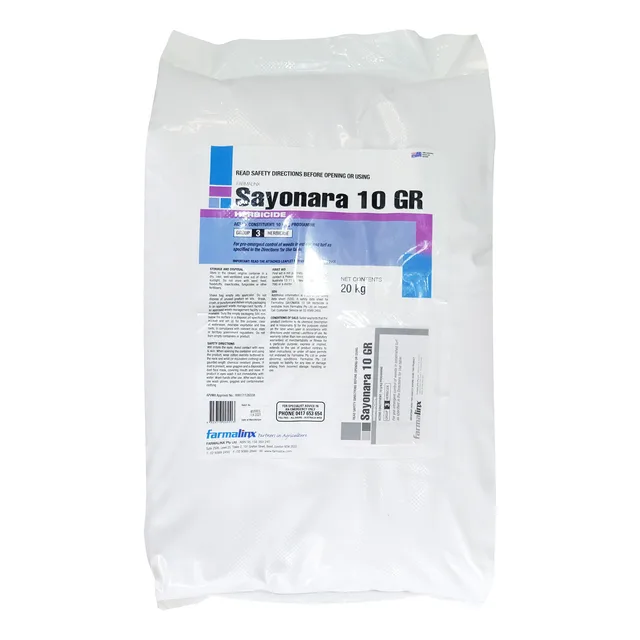
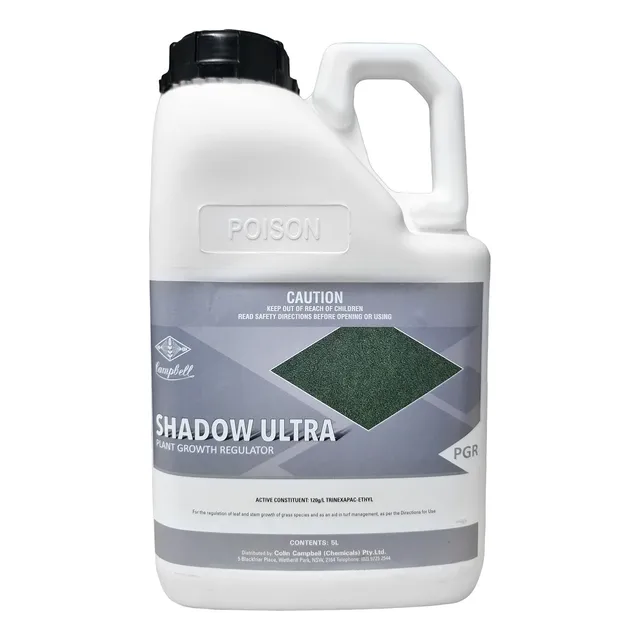
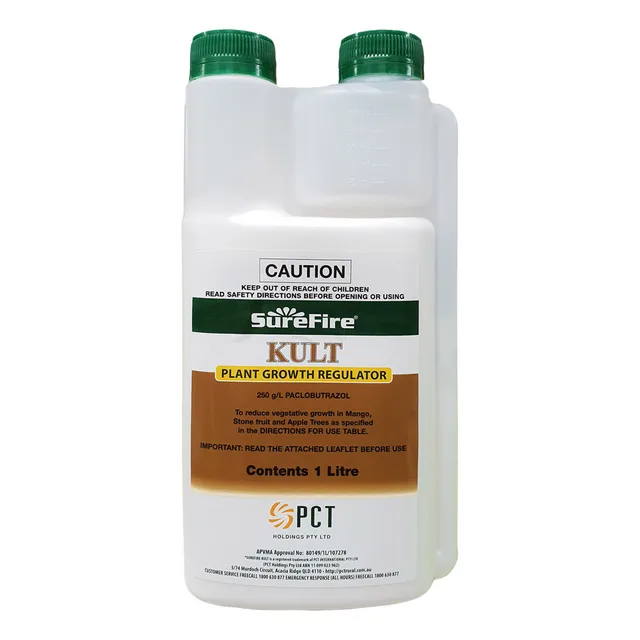
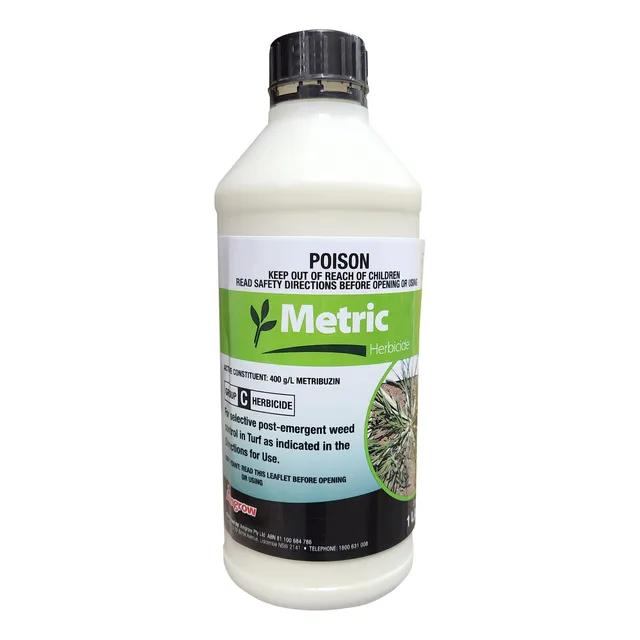
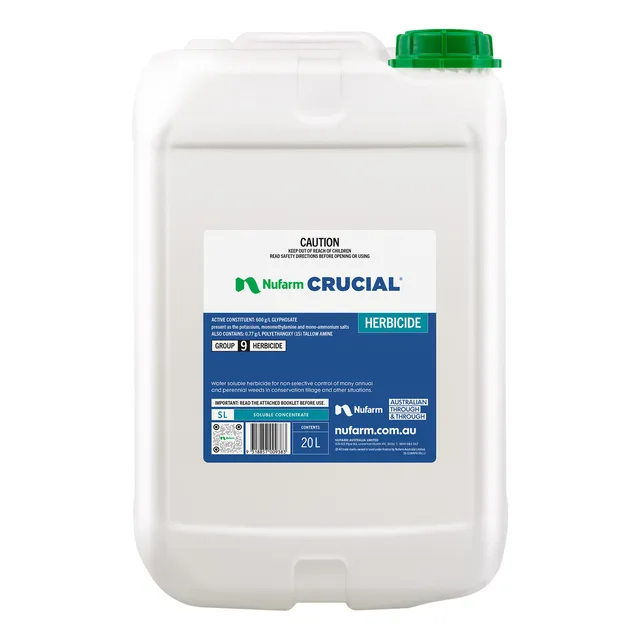
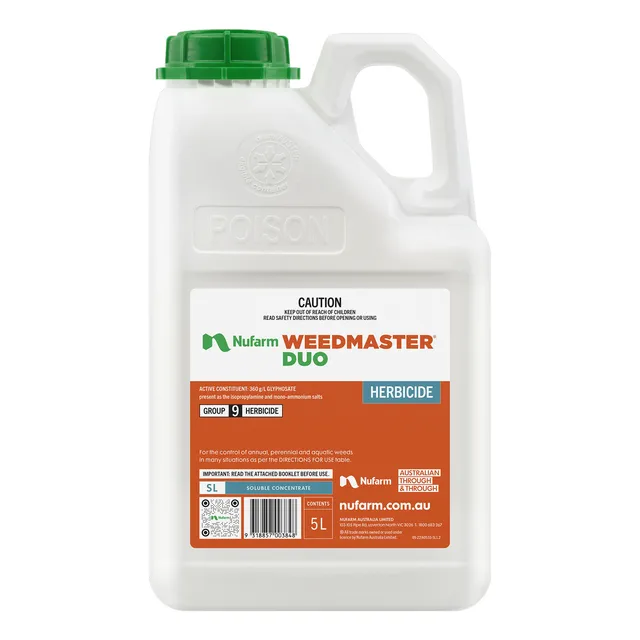
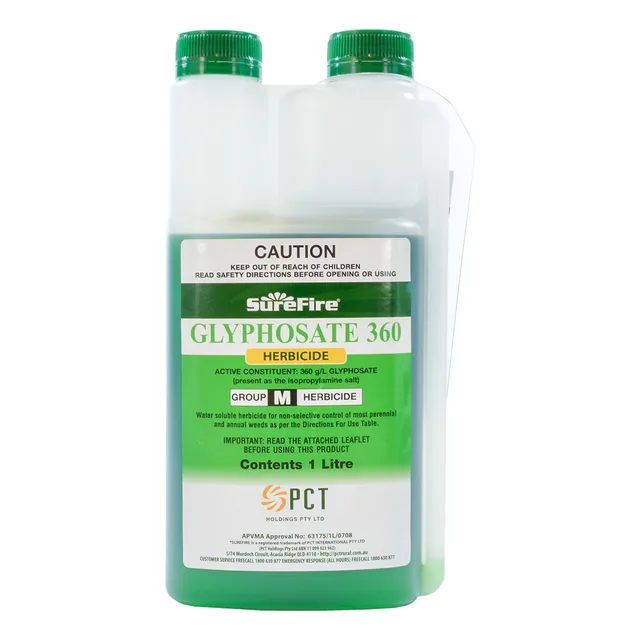
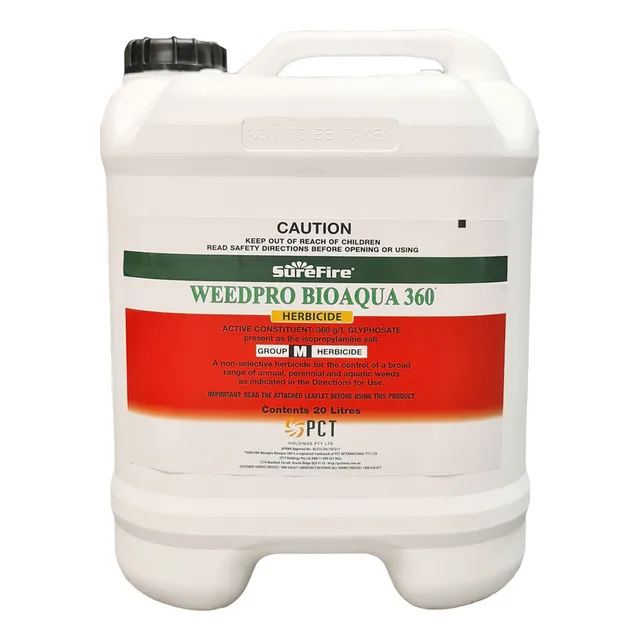
Registered products we stock














No products match those filters.