

Rhizoctonia Rot
Rhizoctonia spp.
Rhizoctonia is a soil-borne fungal disease causing damping off, root and stem rot, and brown patch in turf and nursery crops.
Rhizoctonia is a soil-inhabiting fungal pathogen present in most Australian soils and potting media. Rather than producing visible spores in the way many other fungi do, it survives and spreads mainly as mycelium and as small, irregular, dark brown to black sclerotia (resting structures) in soil, thatch or plant debris. On affected tissue the mycelium can sometimes be seen as fine, brown, cobweb-like threads across the plant surface or soil in humid conditions, particularly in the early morning before dew dries. The fungus does not form a distinct fruiting body that is easy to spot with the naked eye, so diagnosis relies heavily on symptom pattern and conditions rather than seeing the organism itself.
In turf, Rhizoctonia solani is the main species responsible for brown patch, which develops as roughly circular patches of blighted grass ranging from a few centimetres to several metres across. In nursery and production horticulture, various Rhizoctonia species cause damping off of seedlings, stem and crown rot at or near the soil line, and root rot in pots and field-grown plants.
The disease is favoured by warm, humid weather with extended periods of leaf or soil surface wetness, typically in late spring through autumn in most of Australia, though outbreaks can occur whenever warm, moist conditions persist. Overwatering, poor drainage, excess nitrogen, dense canopy or thatch, and reused or contaminated potting media all increase risk. The fungus can persist for extended periods in soil and organic matter between susceptible crops or turf renovations.
Management is based on cultural control: improving drainage and airflow, avoiding overwatering (especially watering late in the day), reducing thatch, moderating nitrogen inputs, using clean or pasteurised potting media, and avoiding overcrowded seedling trays. Fungicide treatments registered for Rhizoctonia can support control but work best alongside these cultural measures rather than as a standalone fix.
How to identify
- Turf brown patch: roughly circular to irregular patches of brown, blighted or thinned grass, sometimes with a darker, water-soaked "smoke ring" border in early morning when the disease is active.
- Seedling damping off: seedlings collapse at the soil line, with a thin, water-soaked, brown or black lesion girdling the stem; pre-emergent damping off shows as poor or patchy germination.
- Established plants: stem or crown rot at soil level, root browning and decay, wilting, stunted growth, and yield or quality decline in production crops.
- Field check: in turf, part the canopy at the patch margin early in the morning and look for fine, brown, web-like mycelium on leaf blades or thatch; in pots or seedling trays, gently remove a wilting plant and examine the stem base and roots for brown, sunken lesions rather than a uniformly mushy, foul-smelling rot.
- Lookalikes: in turf, Pythium blight can produce a similar patchy appearance but tends to be greasy, slimy and more tightly linked to very wet, poorly drained spots, and spreads faster along drainage lines; in seedlings, Fusarium and Pythium damping off can look similar but Rhizoctonia lesions are typically drier and more sharply defined rather than soft and water-soaked. Laboratory confirmation may be needed where species-level identification is important.
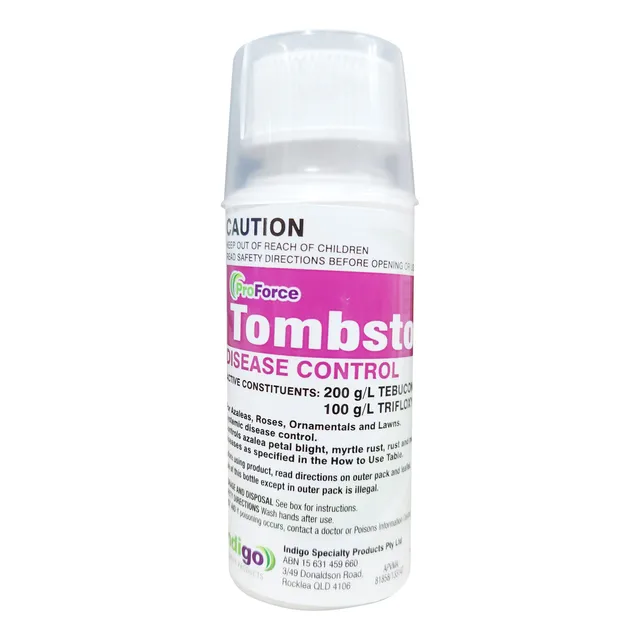
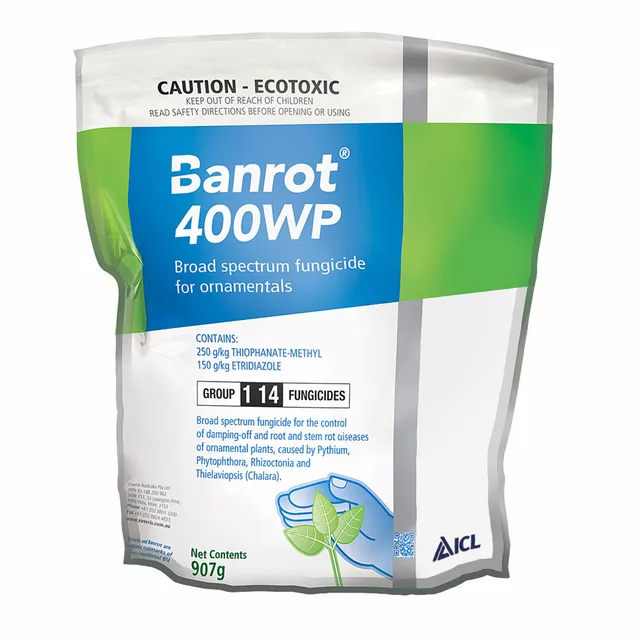
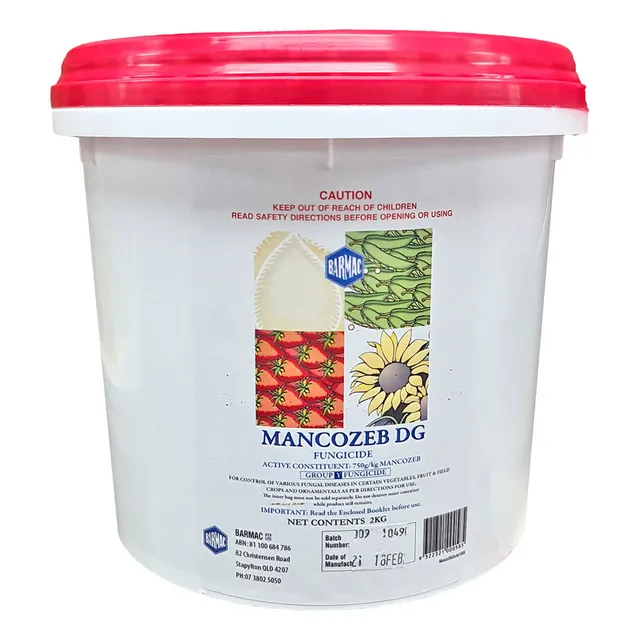
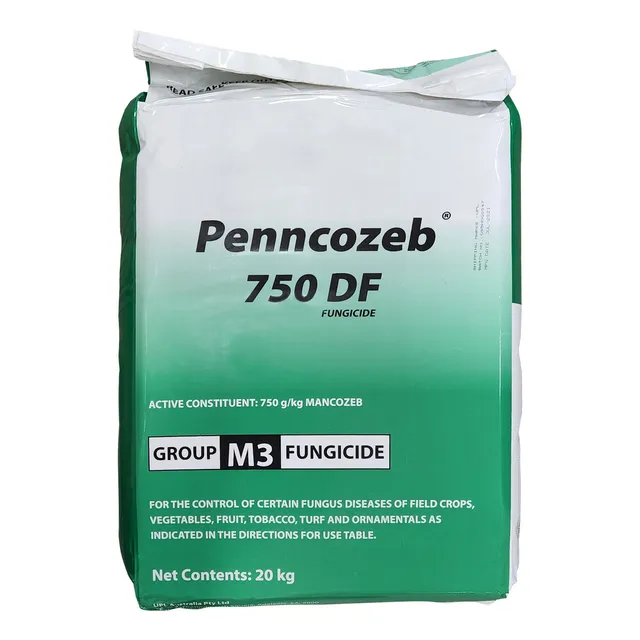
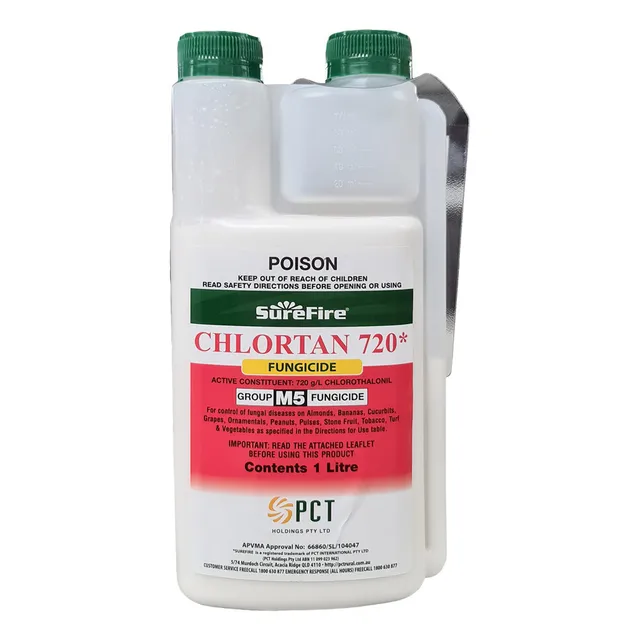
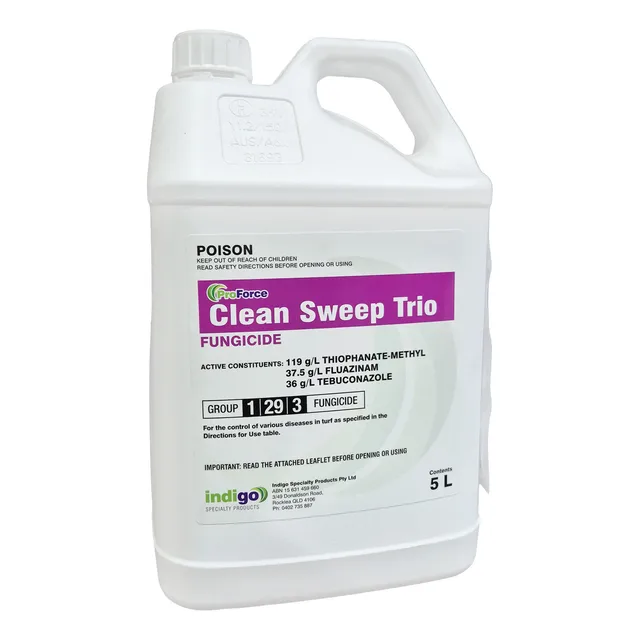
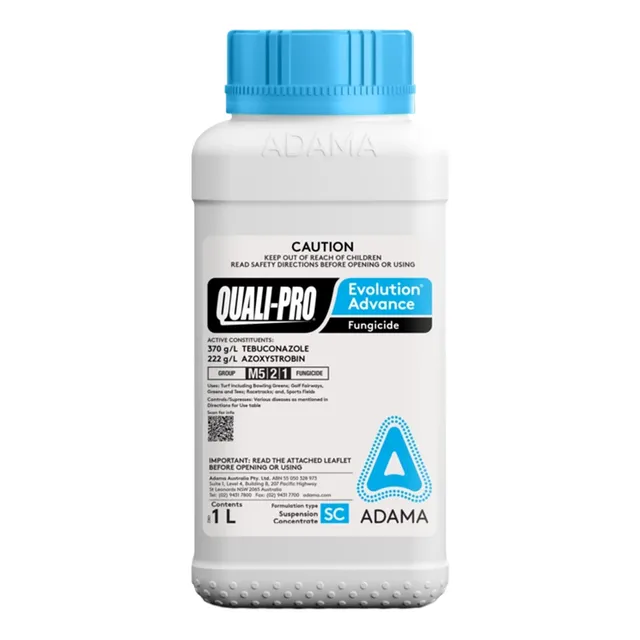
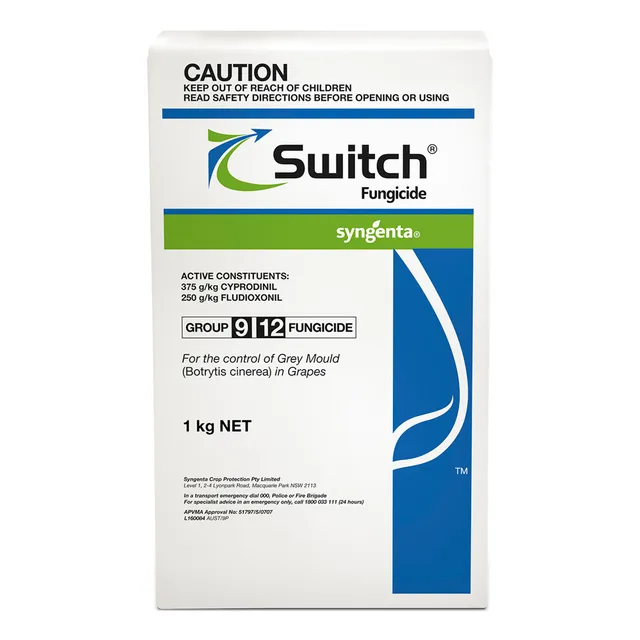
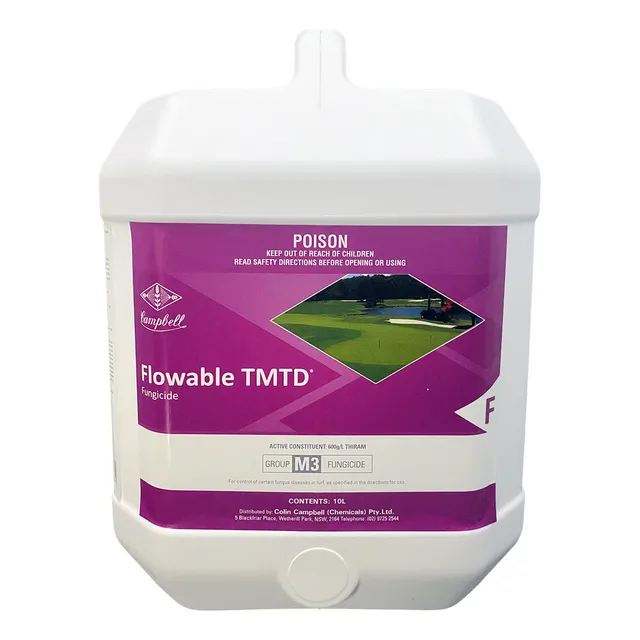
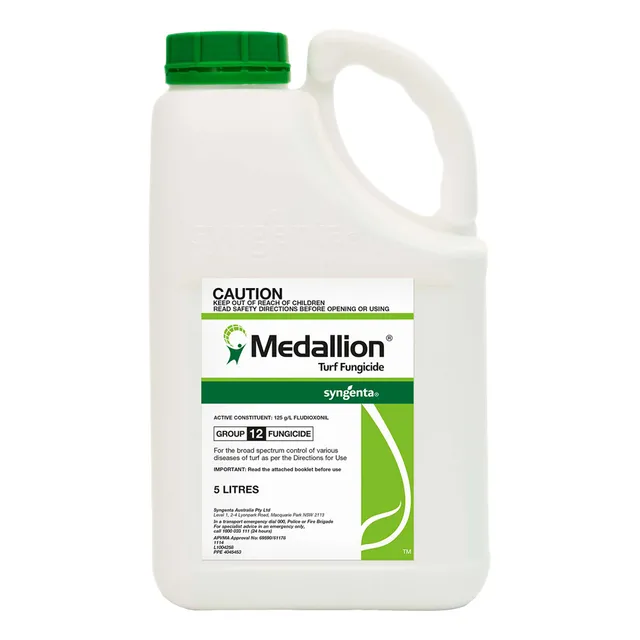
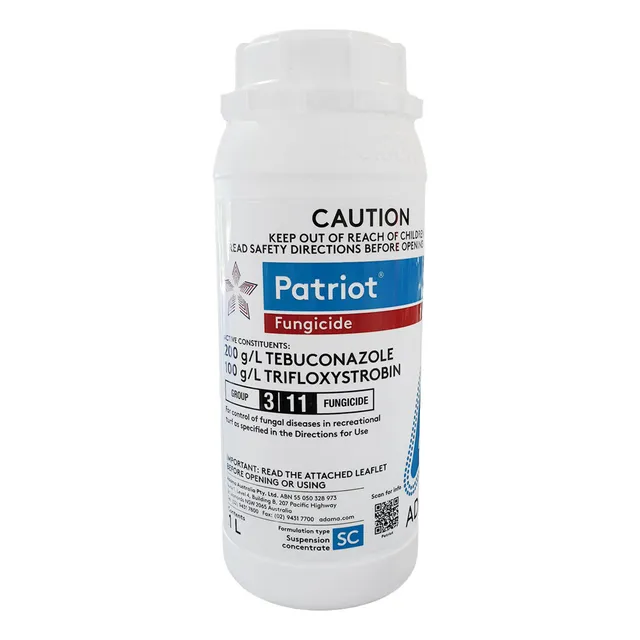
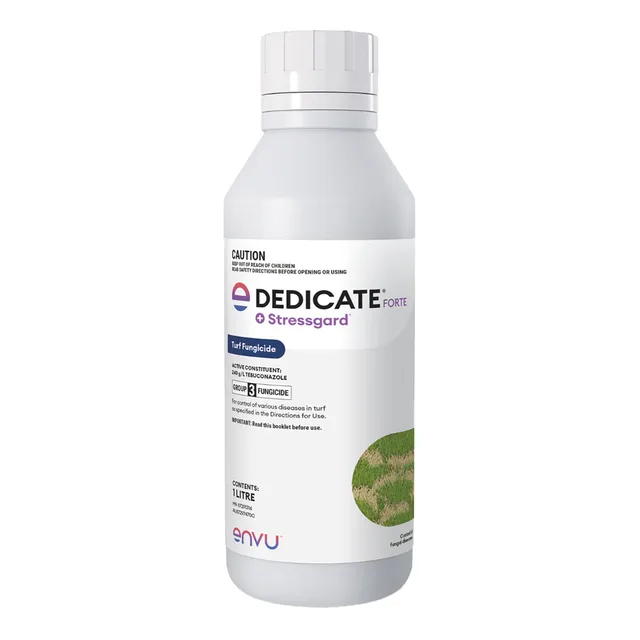
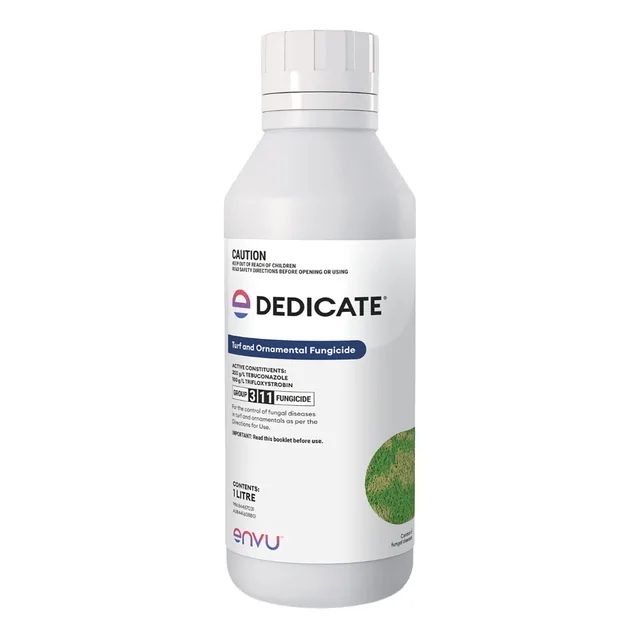
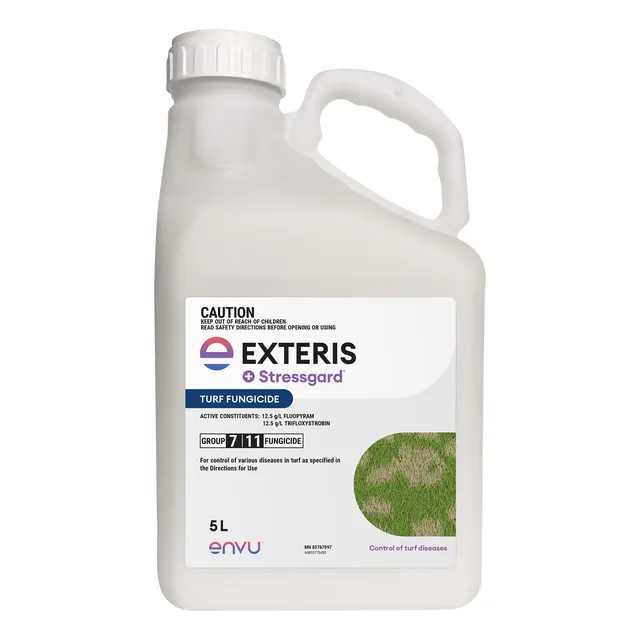
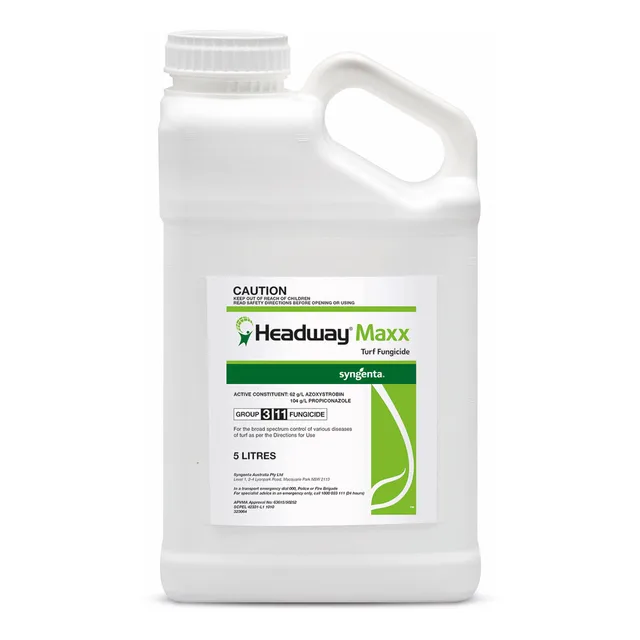
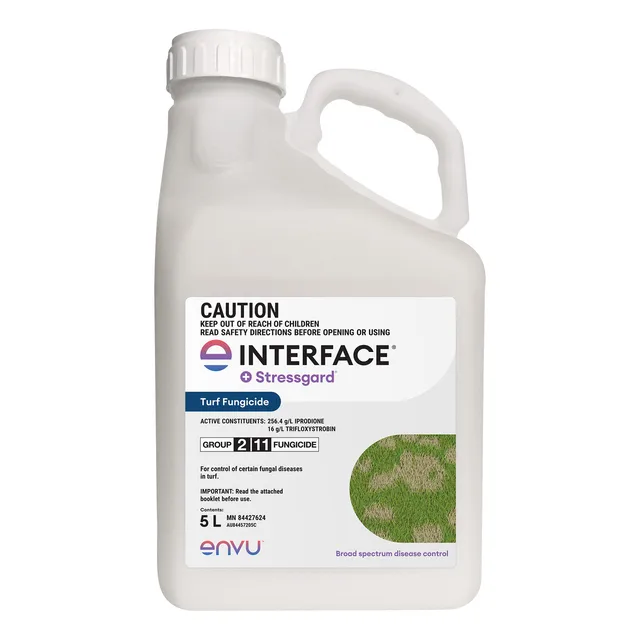
Registered products we stock
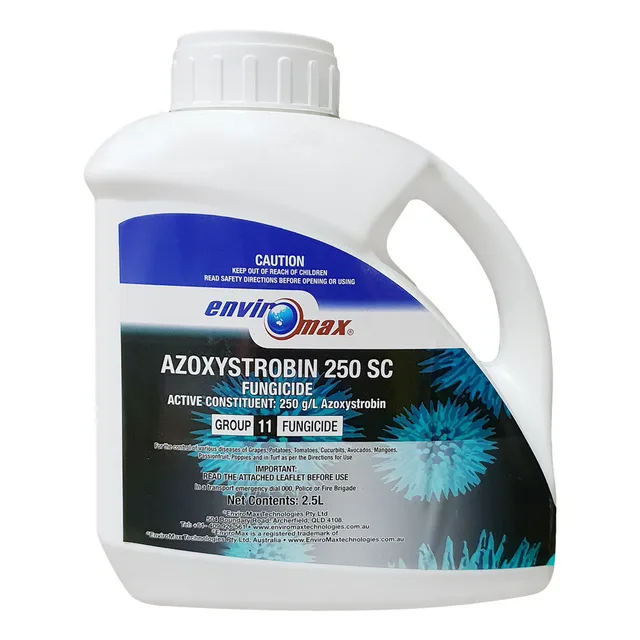
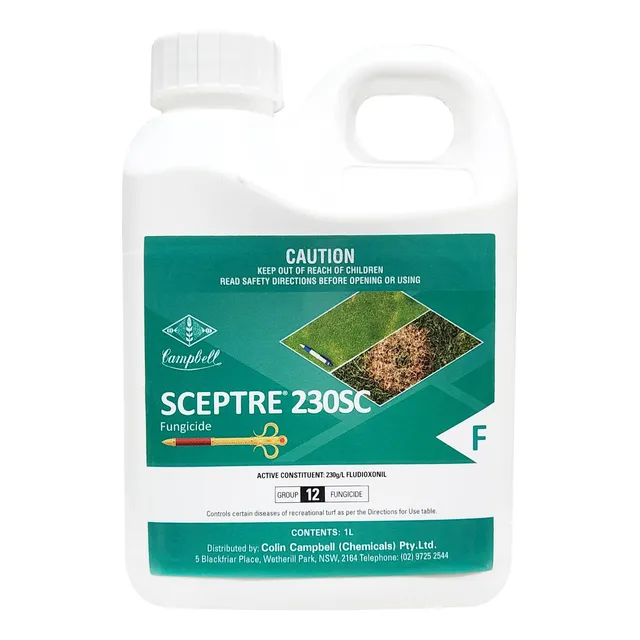
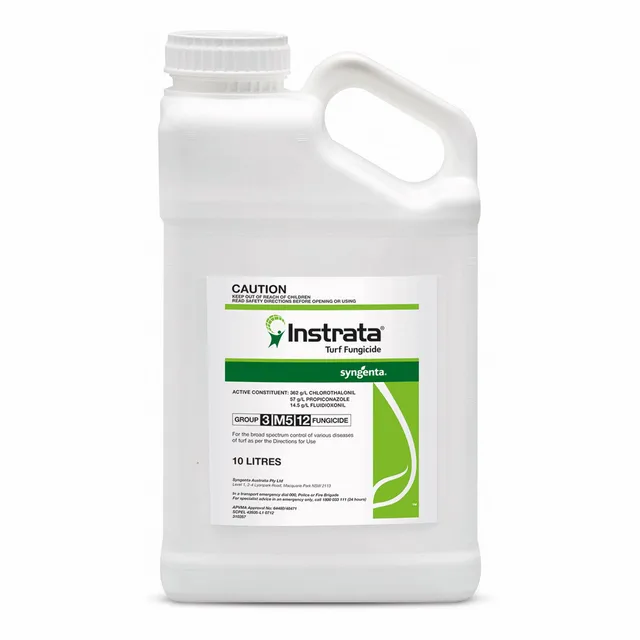
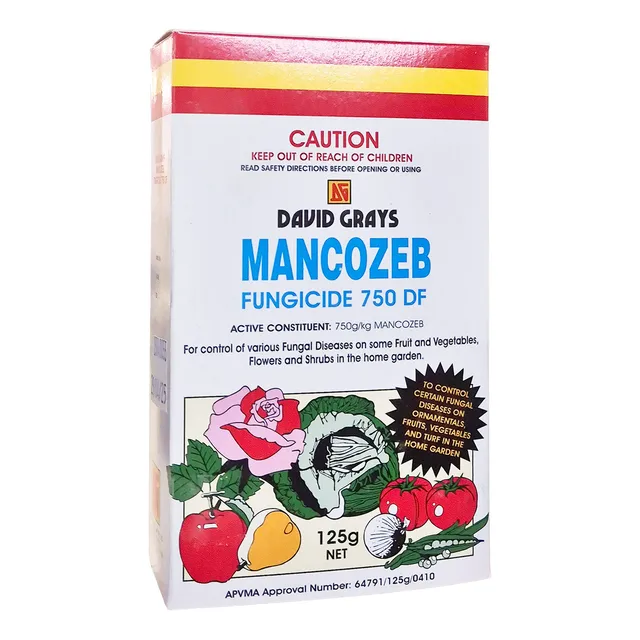
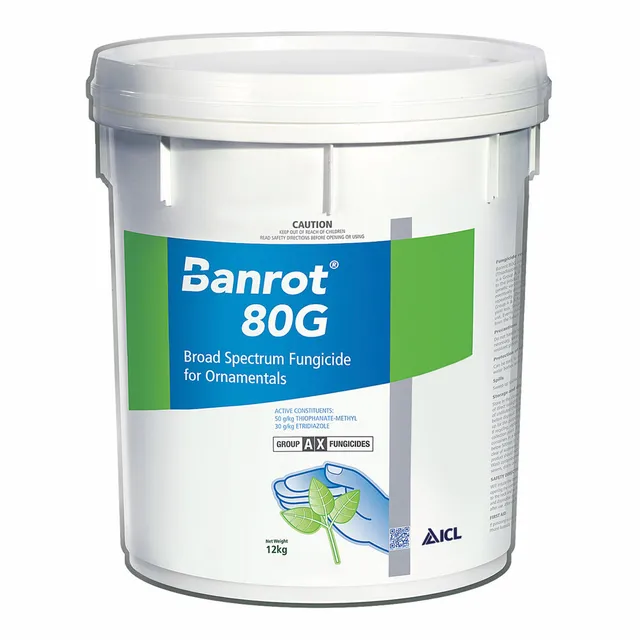
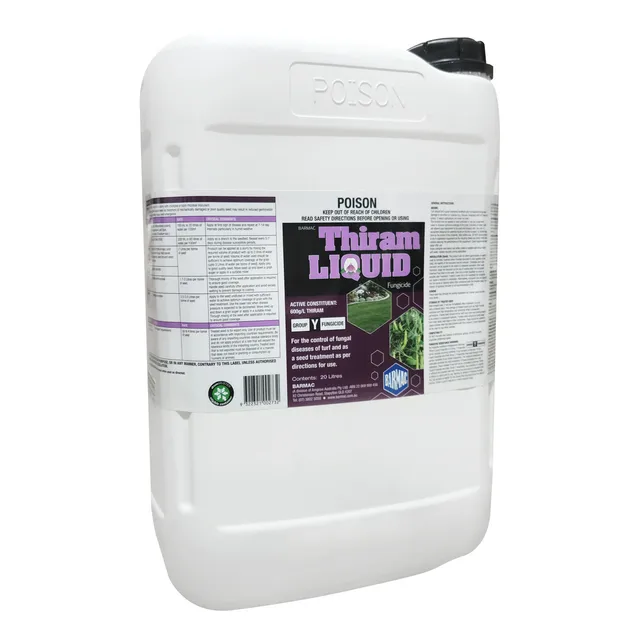
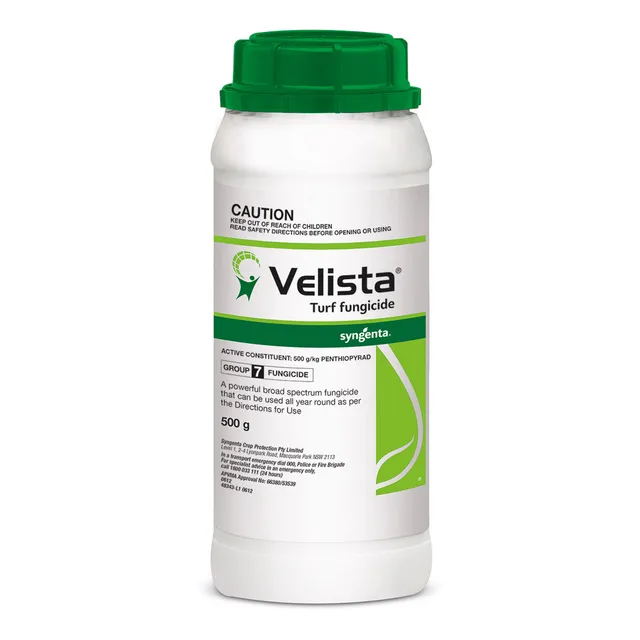
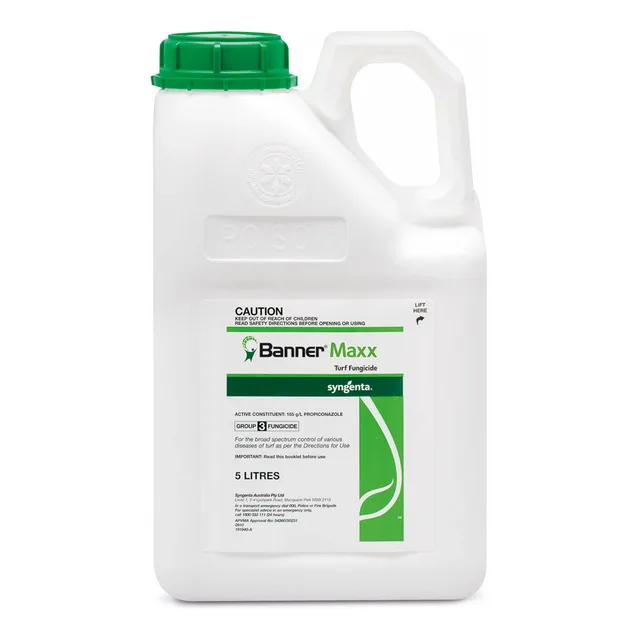
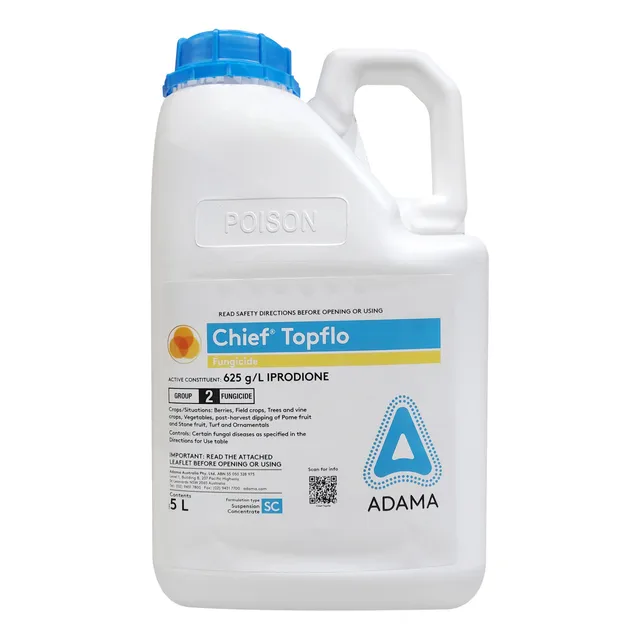
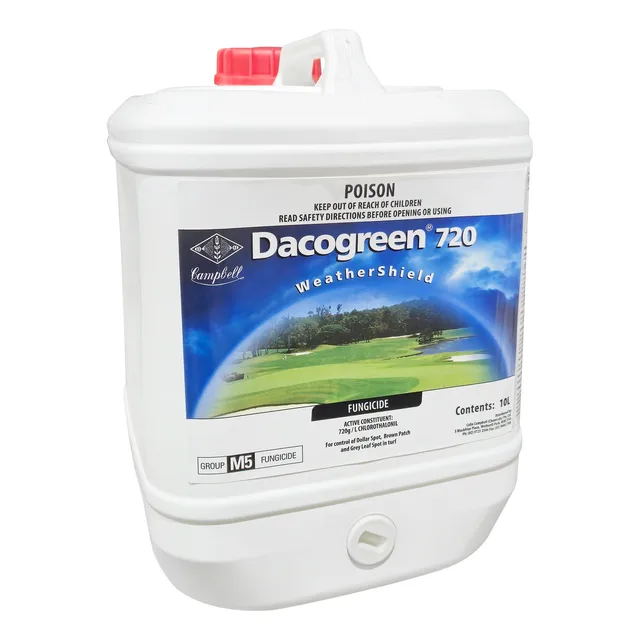

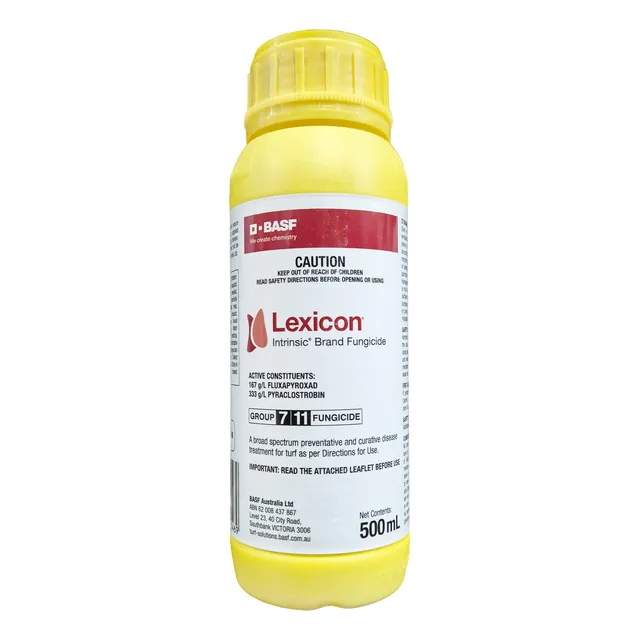
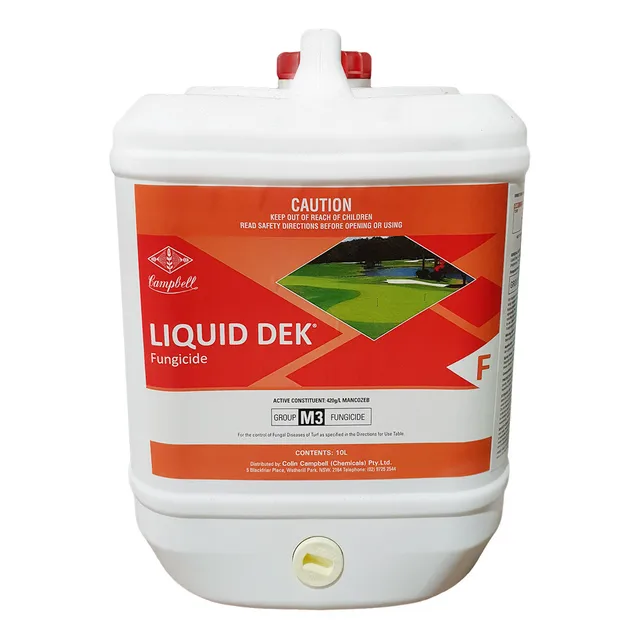
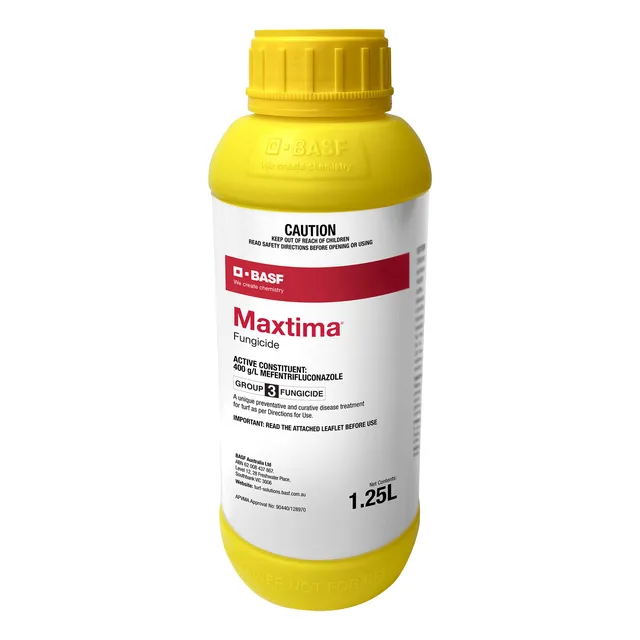
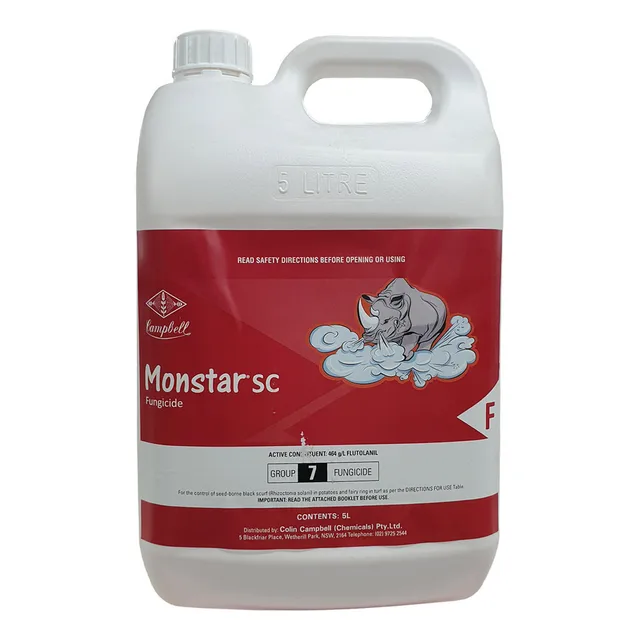
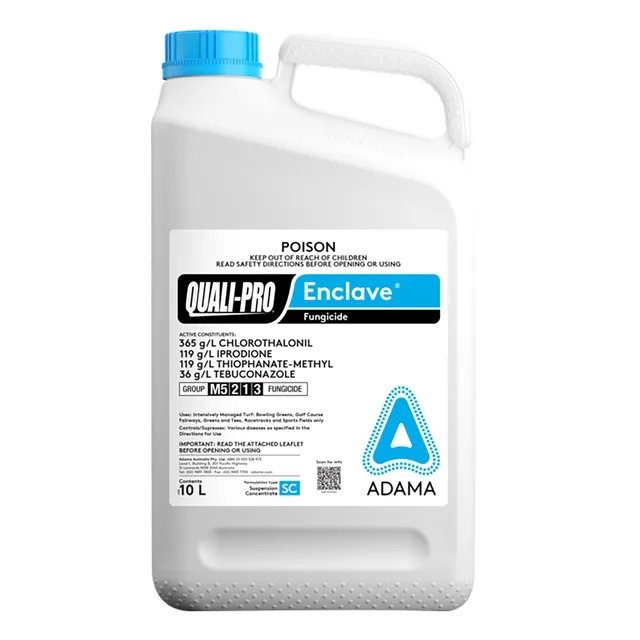
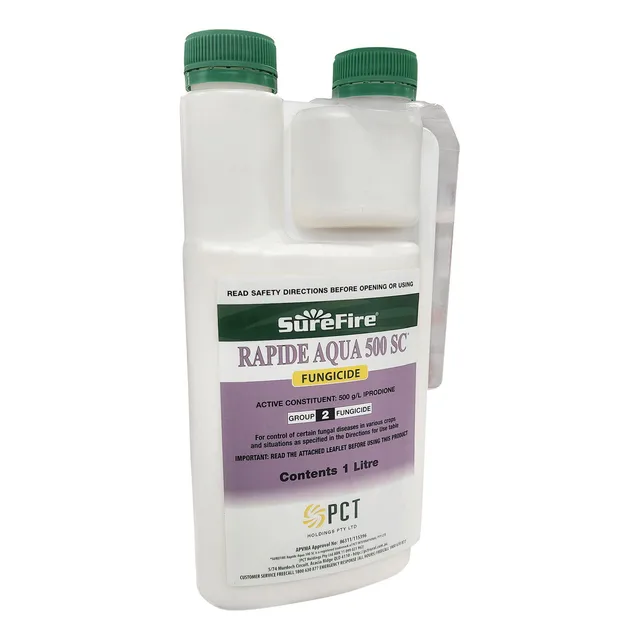
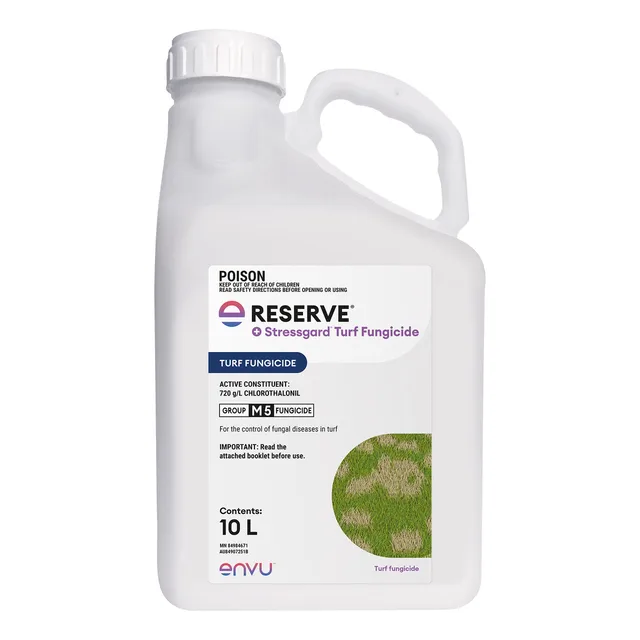
No products match those filters.