

Helminthosporium
Helminthosporium spp.
Helminthosporium diseases cause leaf spots, blighting and crown/root rot in turf grasses under cool, wet or humid conditions.
Helminthosporium is a general term for a group of fungal turf diseases caused by several closely related fungi (including species now classified under Drechslera, Bipolaris and Exserohilum) that attack the leaves, crowns and roots of cool- and warm-season turf grasses. These diseases are commonly grouped together as leaf spot, melting-out or crown and root rot, depending on which part of the plant is affected and the stage of disease progression.
Symptoms typically develop during mild to cool, wet or humid periods, particularly in spring and autumn, though warm-season turf can also be affected during warm, humid conditions. Disease severity is often worsened by excess nitrogen, poor drainage, thatch build-up, close mowing and prolonged leaf wetness.
Management relies on cultural practices rather than curative treatment once the disease is established. This includes improving surface and subsurface drainage, avoiding excess nitrogen especially during high-risk periods, raising mowing height, reducing thatch, improving airflow and light penetration, and watering early in the day to reduce the duration of leaf wetness. Selecting turf species and cultivars with improved resistance can also reduce disease pressure over time.
How to identify
- Small, dark brown to purplish-black leaf spots, sometimes with a lighter tan or straw-coloured centre
- Spots may enlarge and coalesce, causing leaf blighting and a scorched appearance
- Irregular patches of thinning, discoloured or dying turf, often most noticeable in low-lying or poorly drained areas
- In advanced cases (melting-out phase), rotting of the crown and roots leads to plant collapse and turf thinning
- Symptoms usually more pronounced under cool, wet conditions, excess nitrogen or thatch build-up
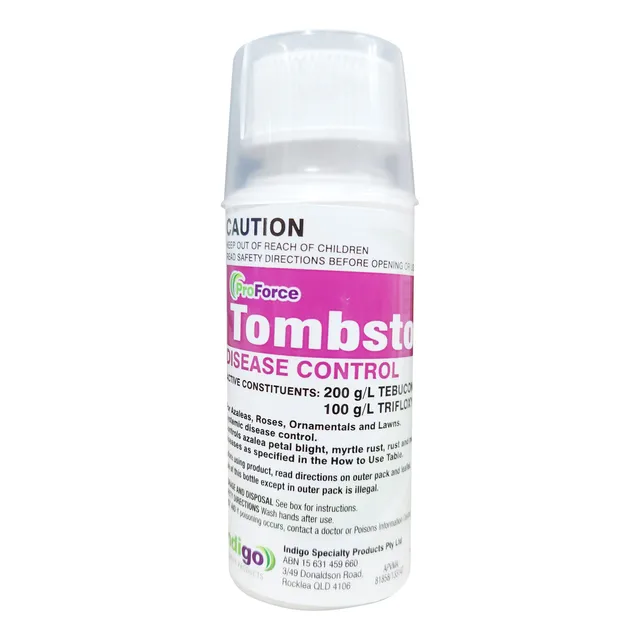
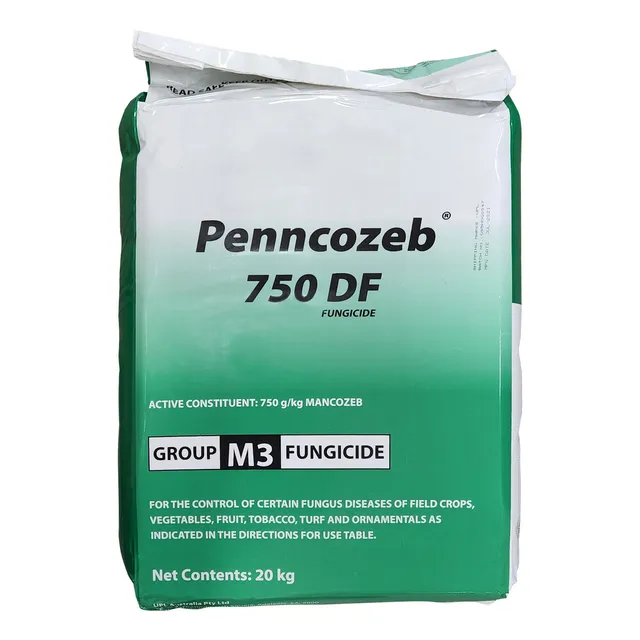
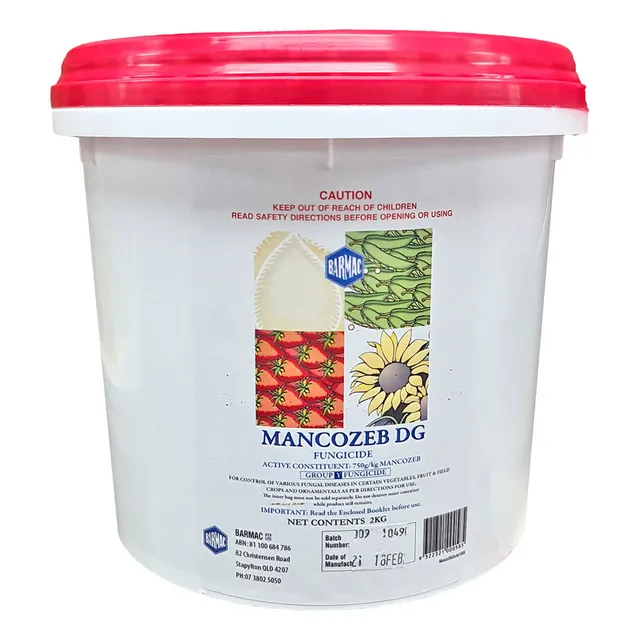
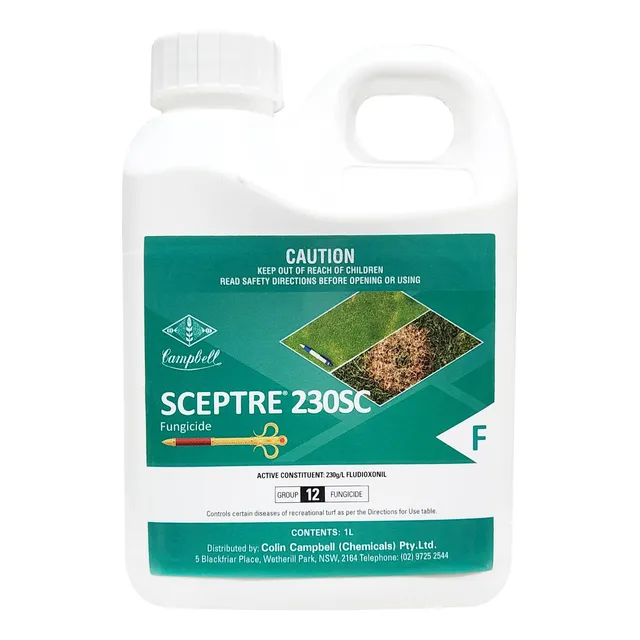
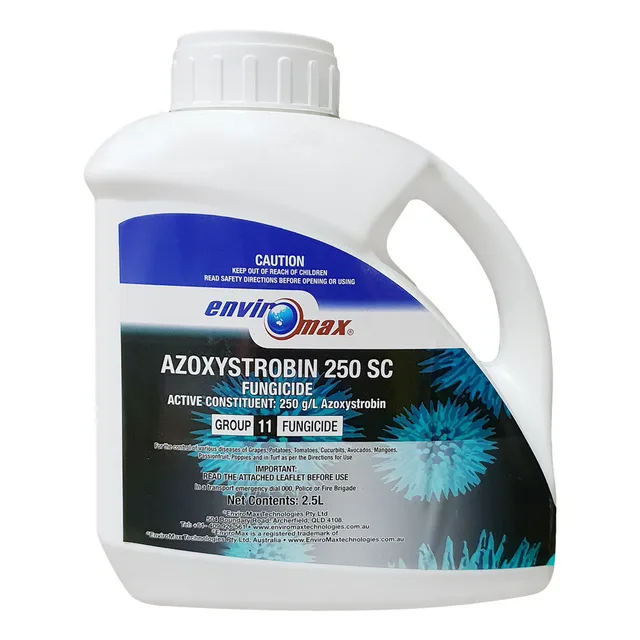
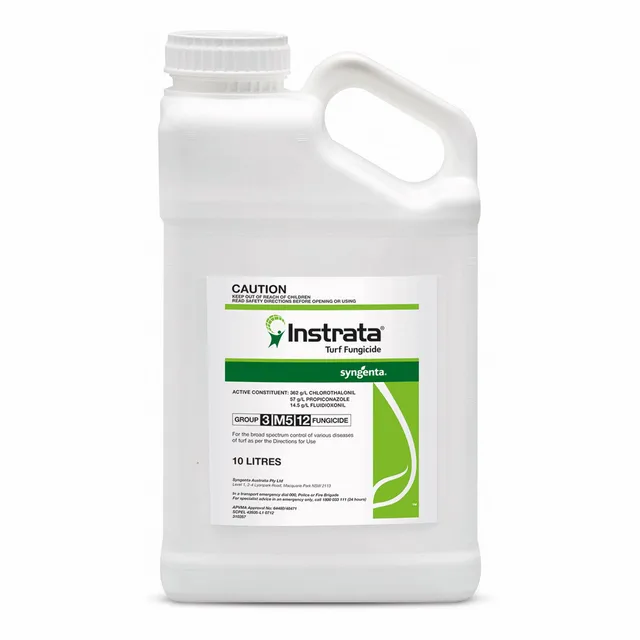
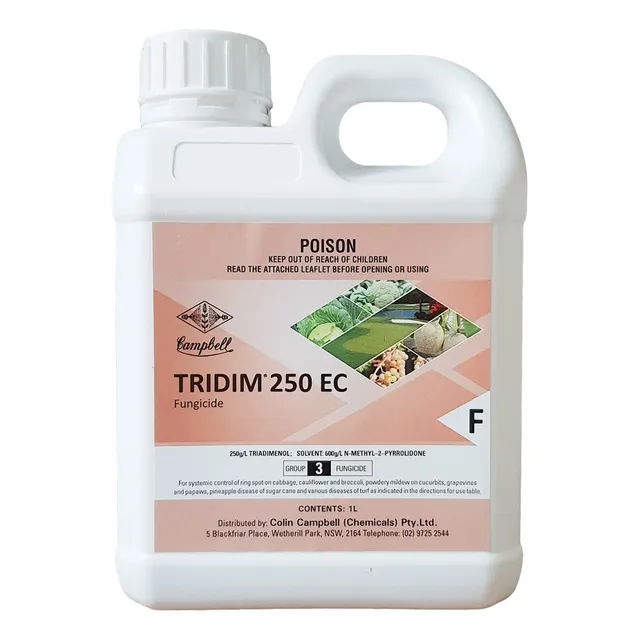
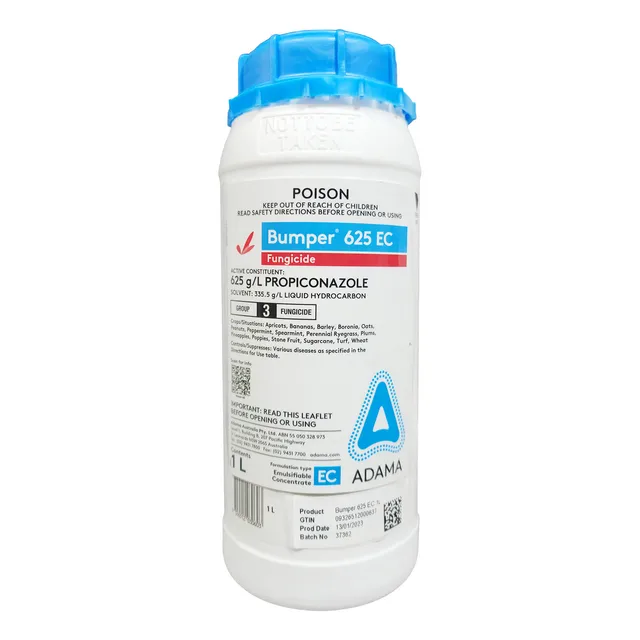
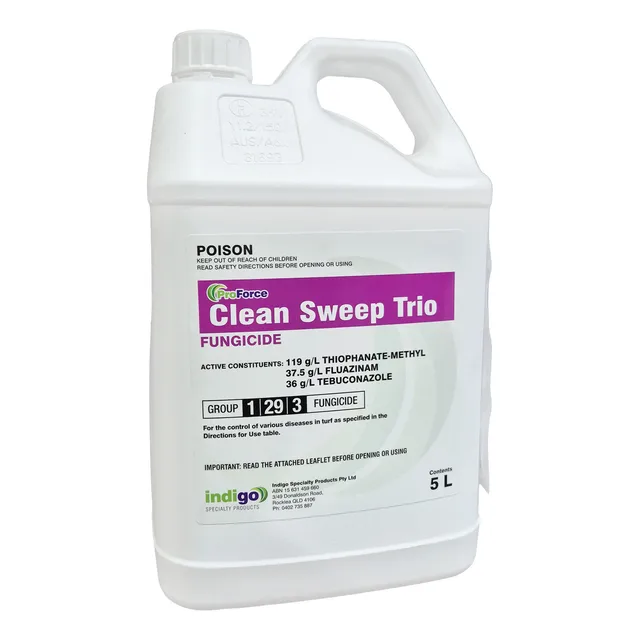
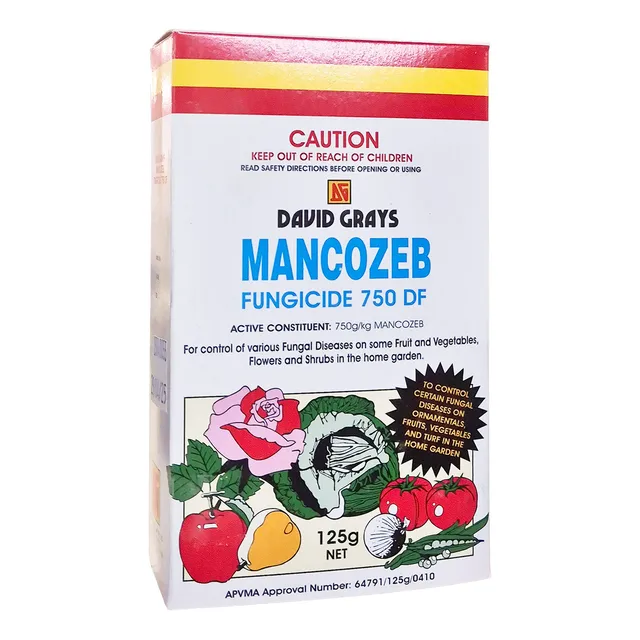
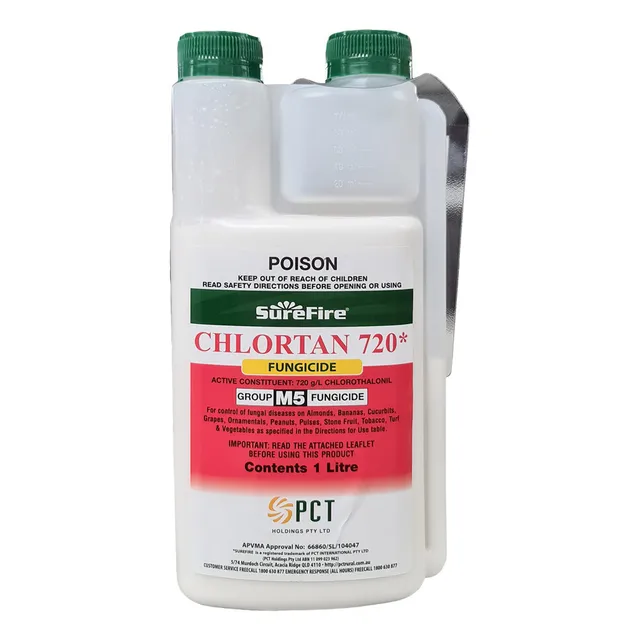
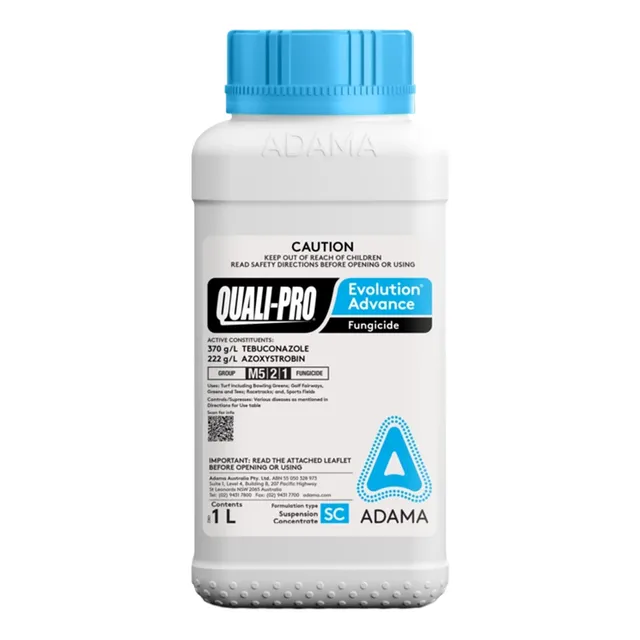
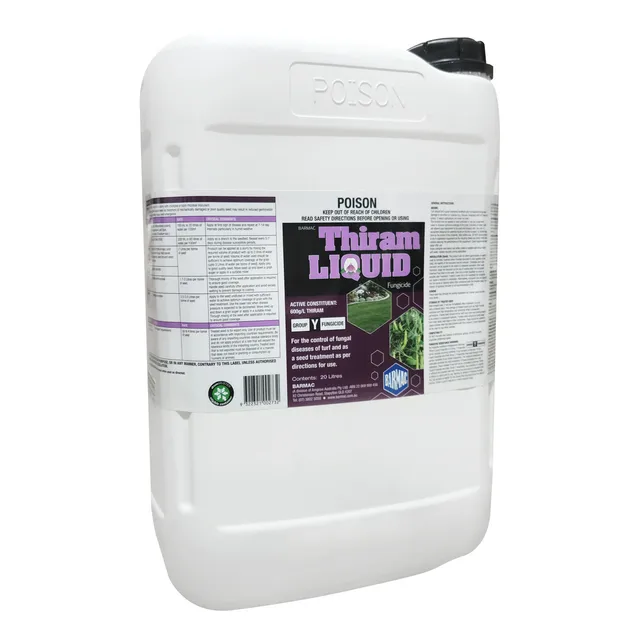
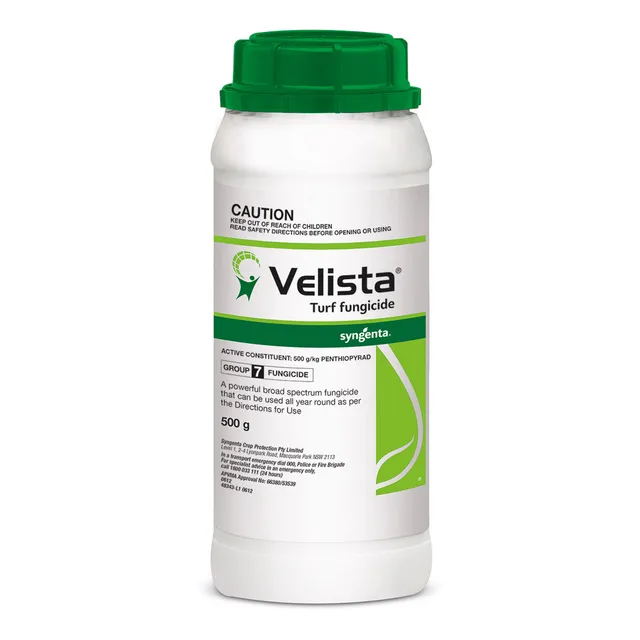
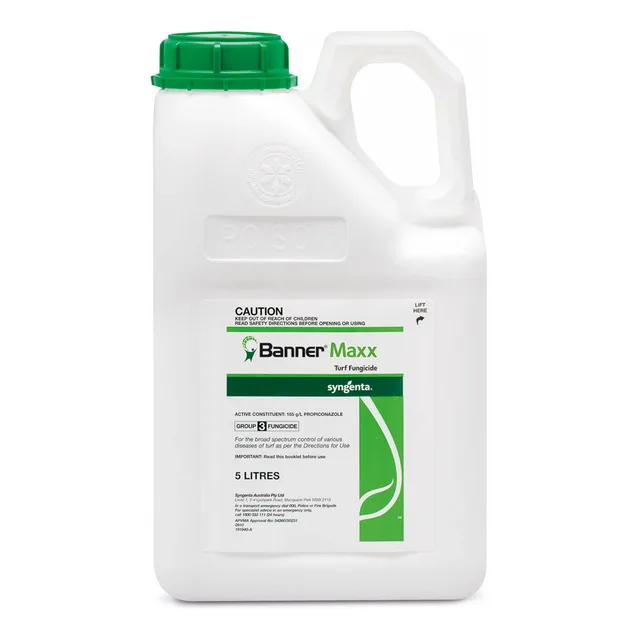
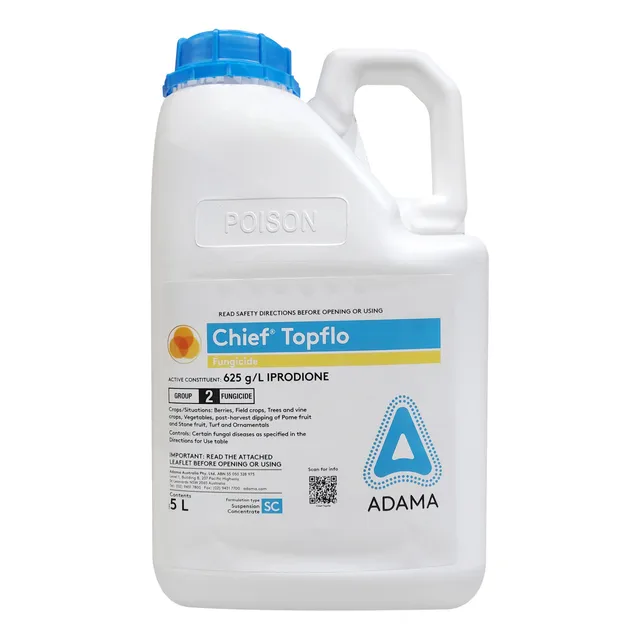
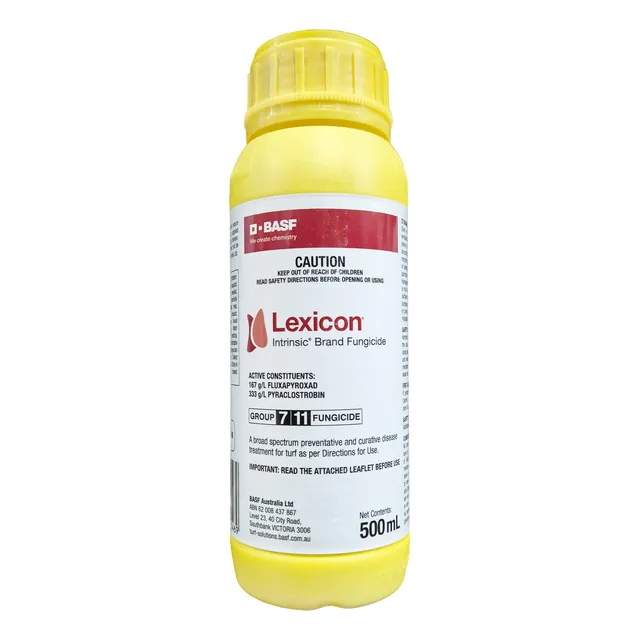
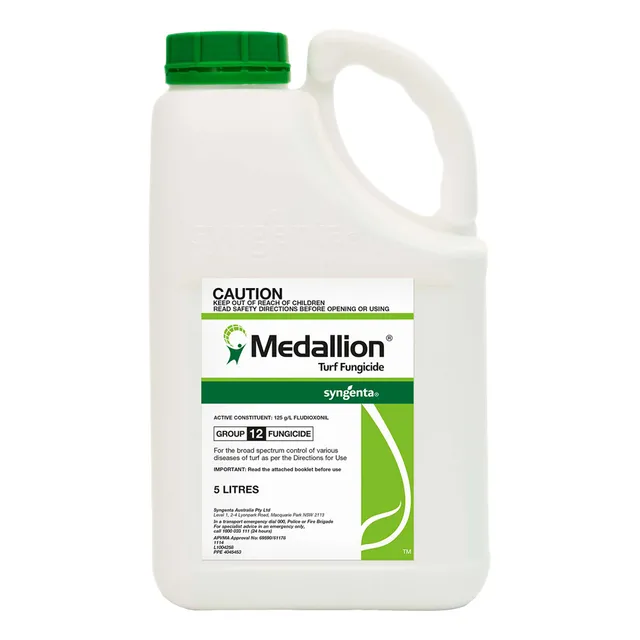
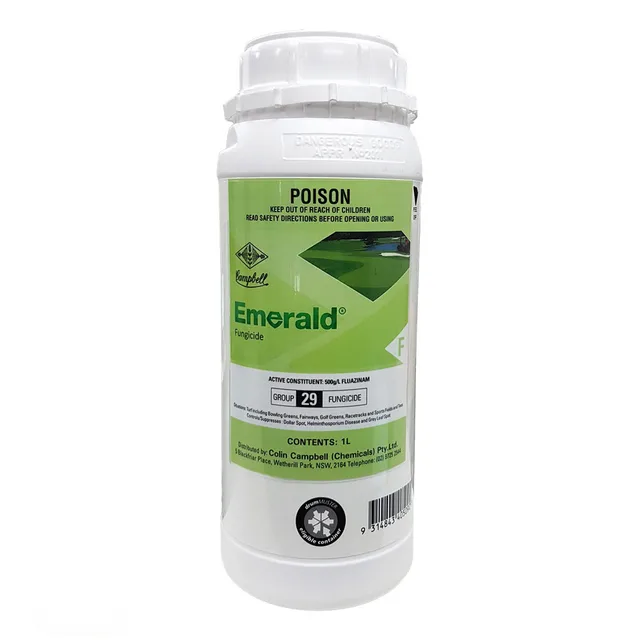
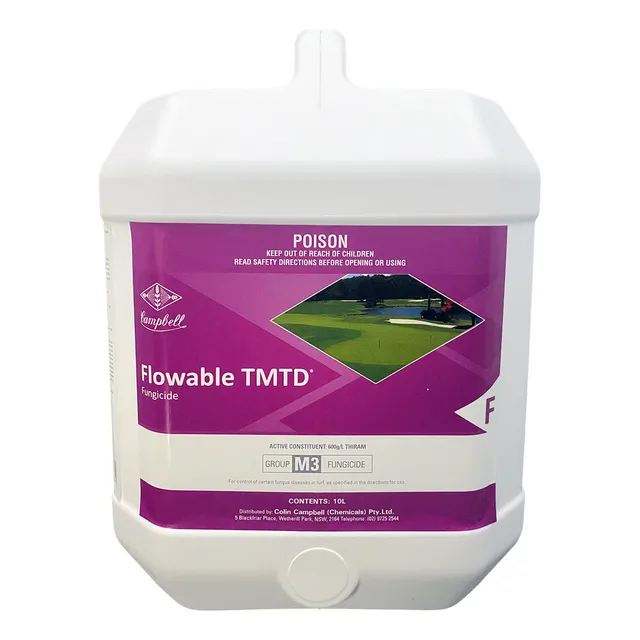
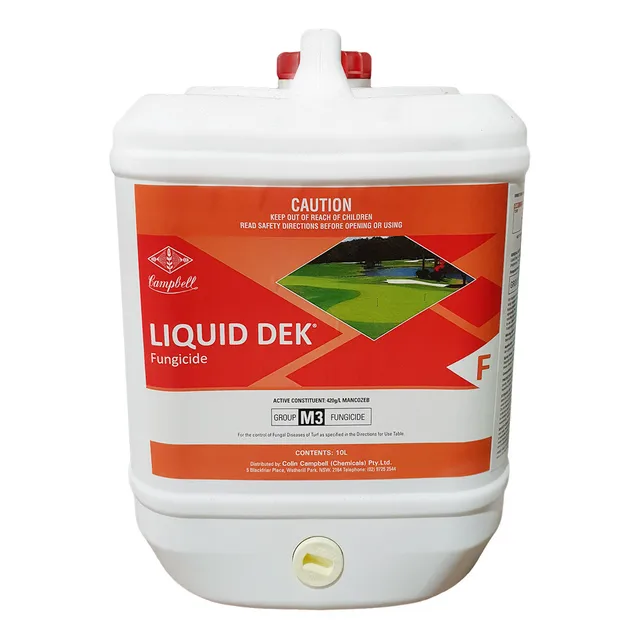
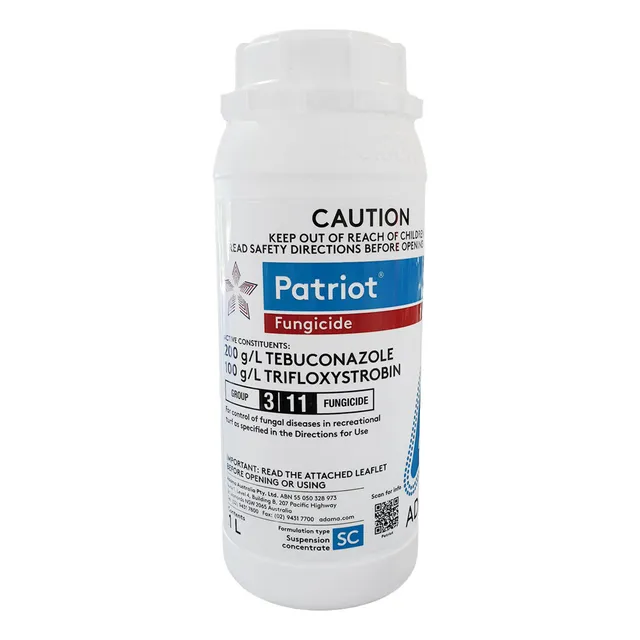
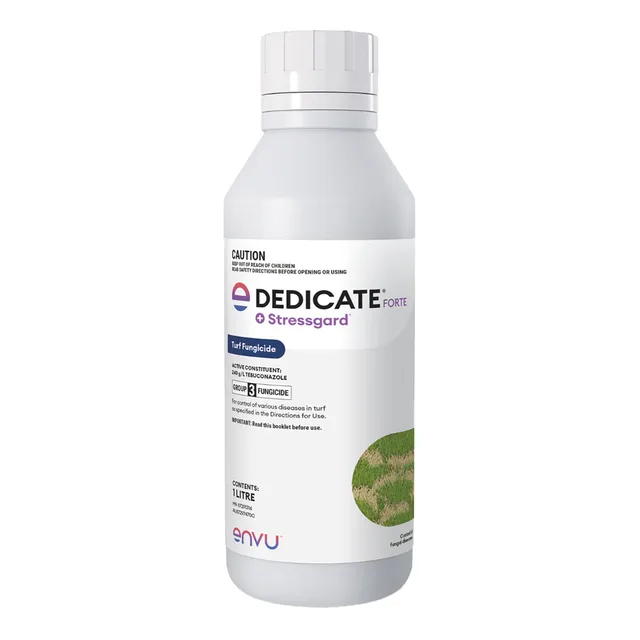
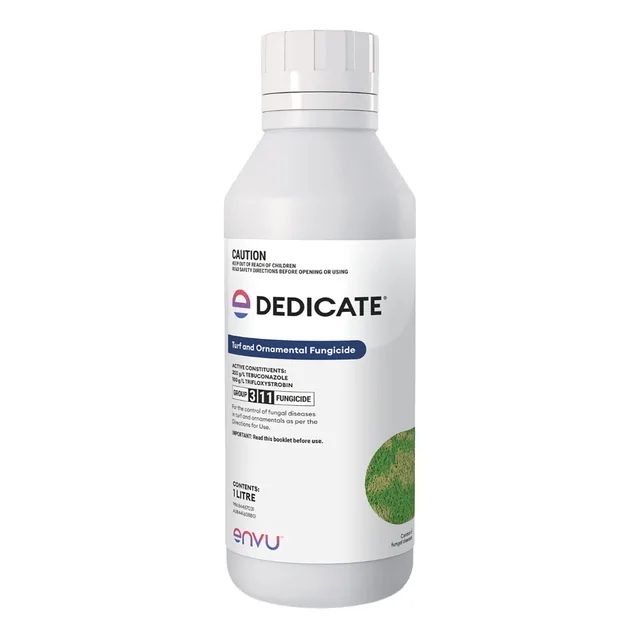
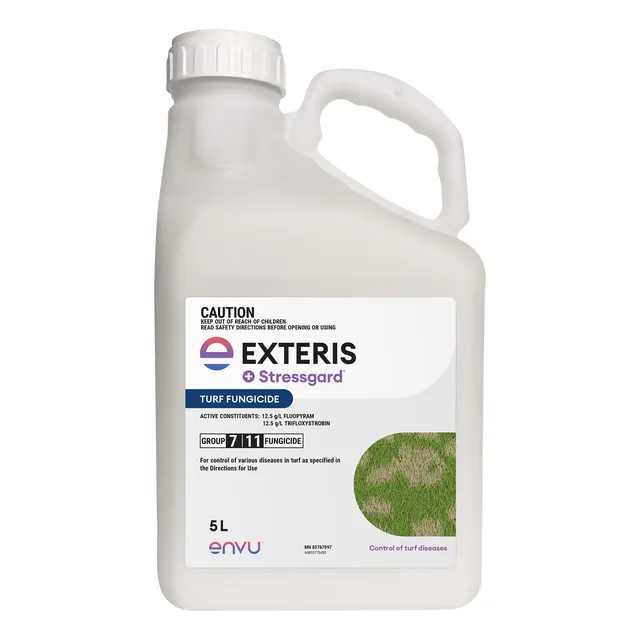
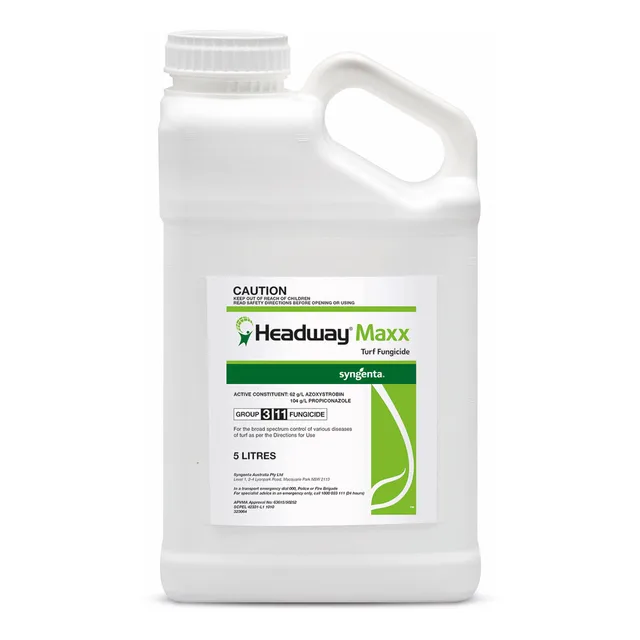
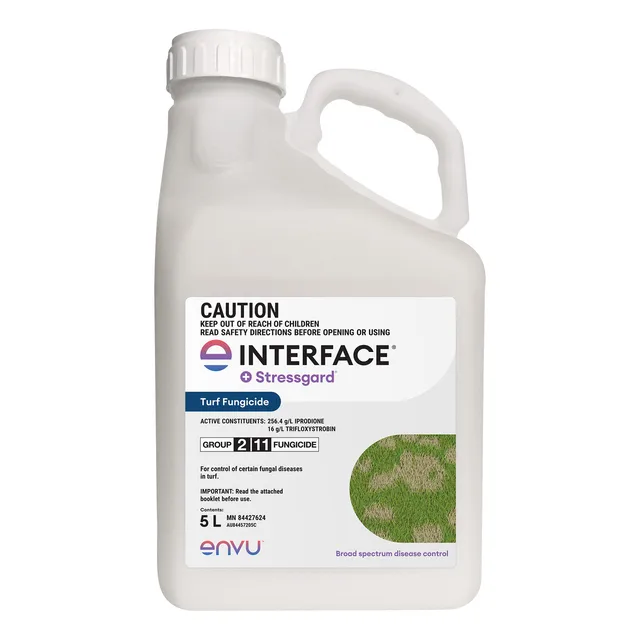
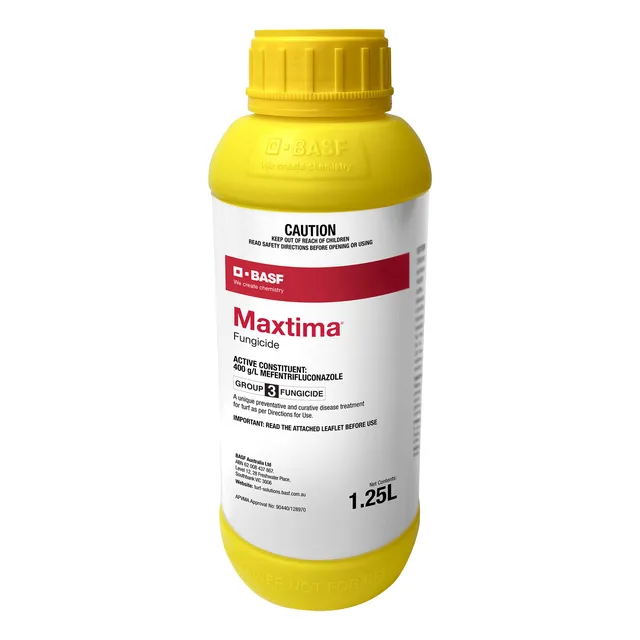
Registered products we stock

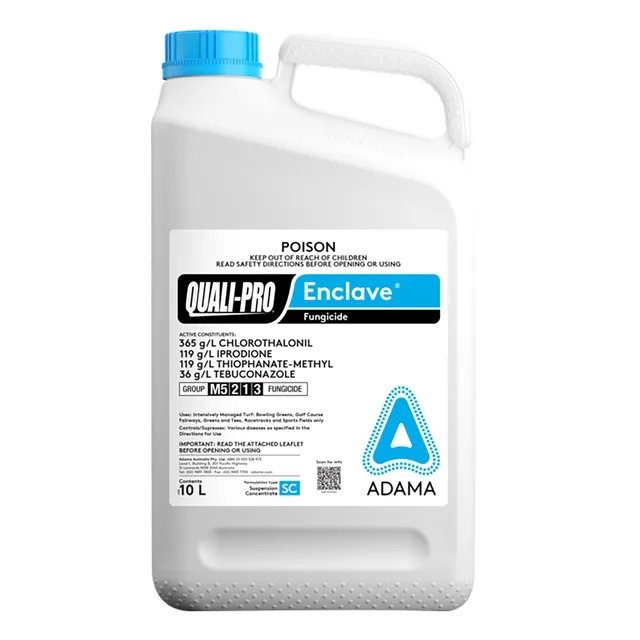
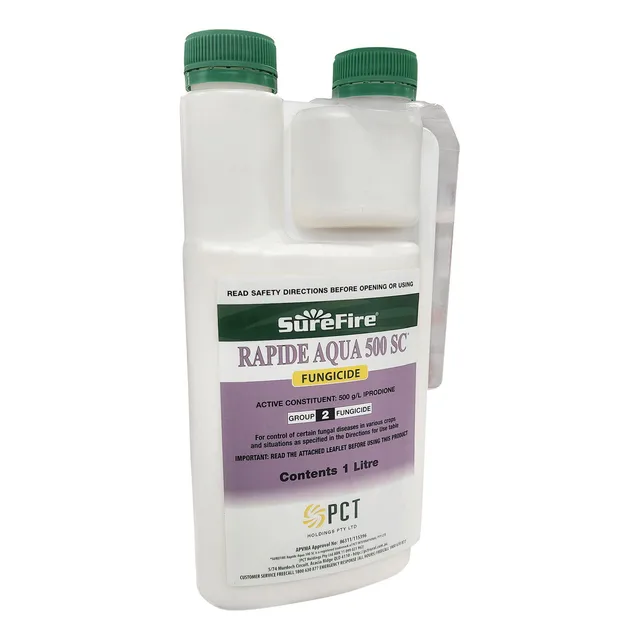
No products match those filters.