

Dollar Spot
Clarireedia spp.
Dollar spot is a fungal turf disease causing small sunken bleached patches, most active in warm humid weather with heavy dew.
Dollar spot is caused by fungal pathogens in the genus Clarireedia (previously classified under Sclerotinia and later Sclerotinia homoeocarpa). It affects most turfgrass species grown in Australia, including couch, kikuyu, bentgrass, ryegrass and fescue, and is one of the more common turf diseases on golf courses, bowling greens and sports fields.
On the leaf, the fungus produces small lesions that are straw-coloured to bleached white with a reddish-brown to tan border, often described as hourglass-shaped when viewed across a narrow-leafed grass blade. Under humid conditions, particularly early morning, a fine cobweb-like white mycelium can sometimes be seen on affected patches before dew dries off. The fungus survives between infections as dormant mycelium or stromata (small dark resting structures) in thatch and infected leaf tissue, requiring no soil-borne spore stage for typical spread.
Disease development is favoured by warm days and cool nights that produce prolonged leaf wetness or heavy dew, typically in spring and autumn, though it can occur in summer in humid or poorly drained areas. Low nitrogen fertility, drought stress, compacted soil and excessive thatch all increase susceptibility, as does mowing when foliage is wet, which spreads spores and mycelium between patches.
Management relies on cultural practices that reduce leaf wetness duration and improve turf vigour: removing dew and guttation moisture early in the day, avoiding drought stress, maintaining balanced nitrogen fertility, reducing thatch through regular dethatching or aeration, and improving air movement and light penetration in shaded or enclosed areas. Mowing equipment should be cleaned between infected and healthy areas to limit spread.
How to identify
- Small, circular to irregular sunken patches of bleached, straw-coloured turf, typically 2–5 cm in diameter on closely mown turf but larger and less defined on longer swards; patches can merge into larger irregular areas under sustained favourable conditions.
- Individual leaf blades show lesions with a tan to reddish-brown border surrounding a bleached white to straw centre, sometimes with an hourglass shape on narrow leaves.
- In early morning under heavy dew, a fine white cobweb-like mycelium may be visible over affected patches, disappearing as the turf dries.
- Field check: inspect affected turf early morning while dew is present for the cobweb mycelium, and examine individual leaf blades for the characteristic tan-bordered lesions rather than uniform browning, which helps distinguish dollar spot from drought stress or dog urine scald.
- Lookalikes: brown patch and Pythium blight can produce similarly sized patches, but brown patch usually shows a darker, greasy leaf margin and larger patch size, while Pythium blight spreads rapidly in hot humid weather with a greasy, matted appearance; localised dry spot causes similar bleached patches but lacks leaf lesions and correlates with hydrophobic, dry soil beneath the patch.
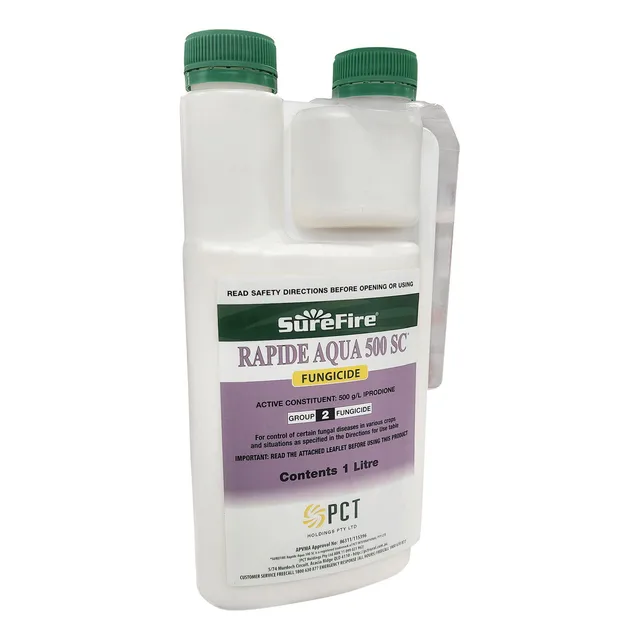
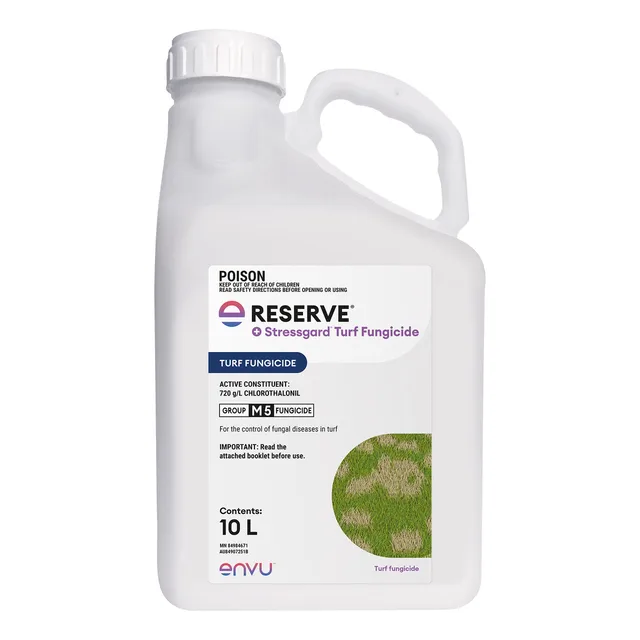
Registered products we stock
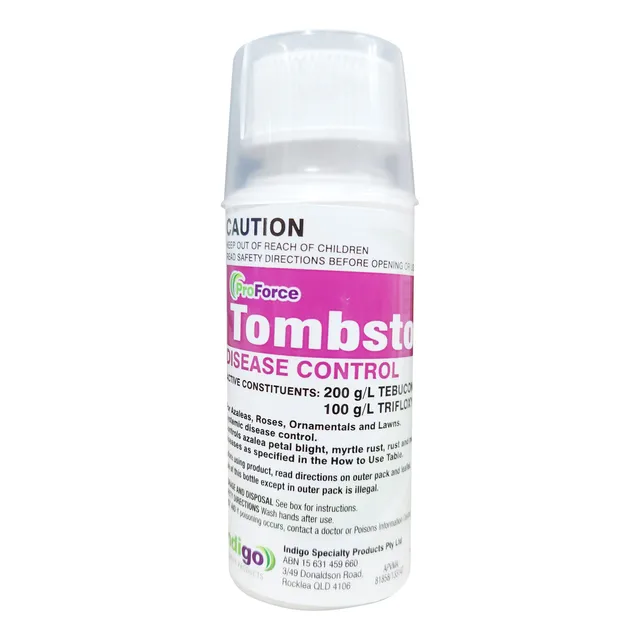
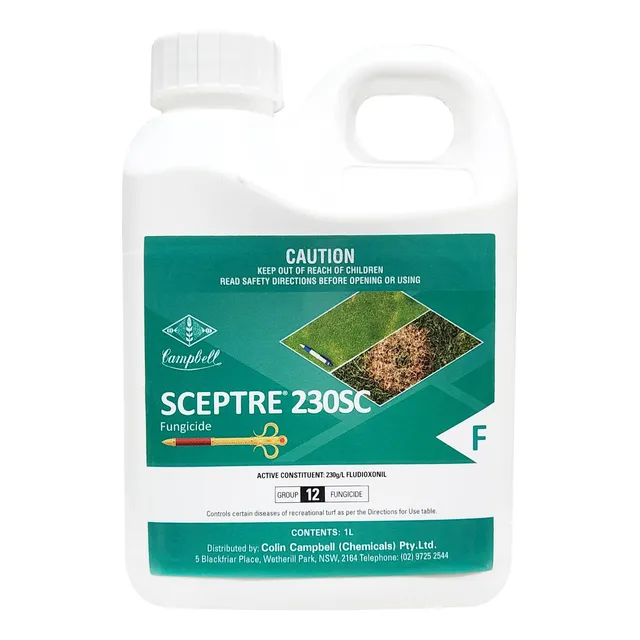
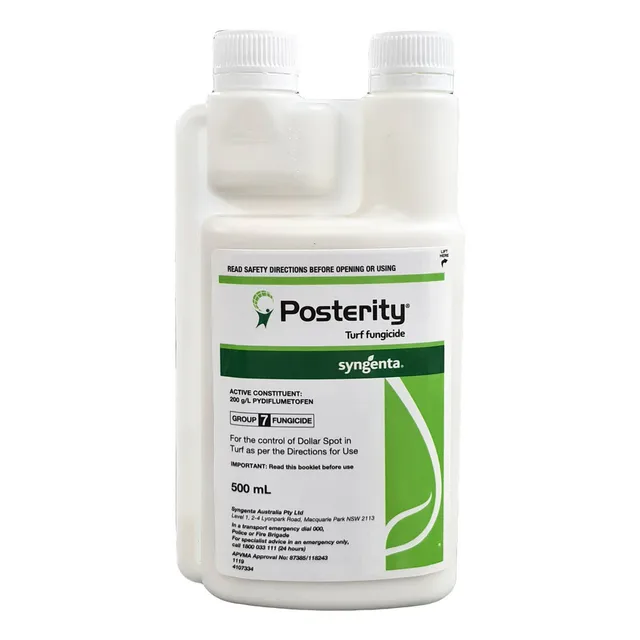
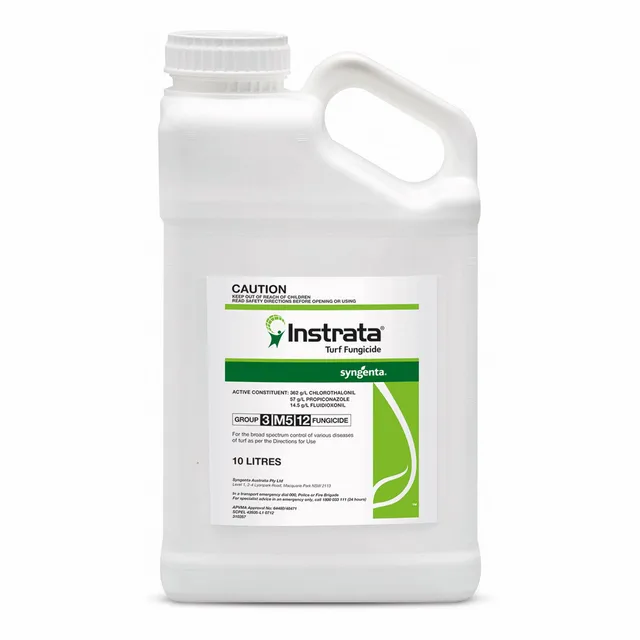
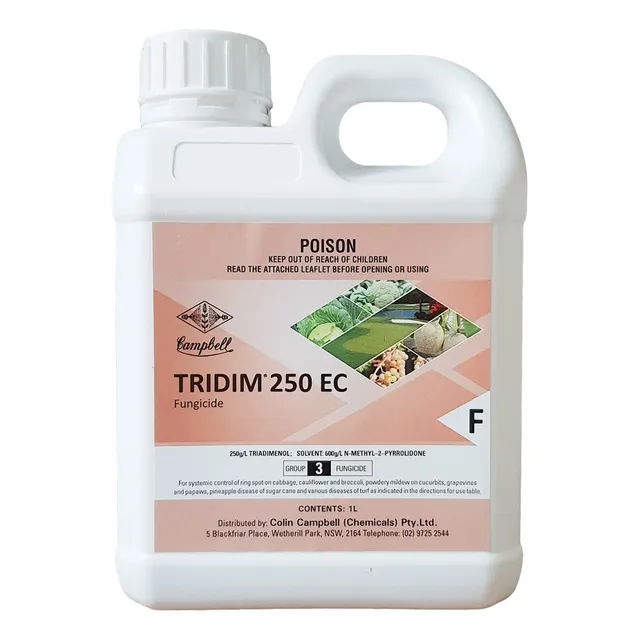
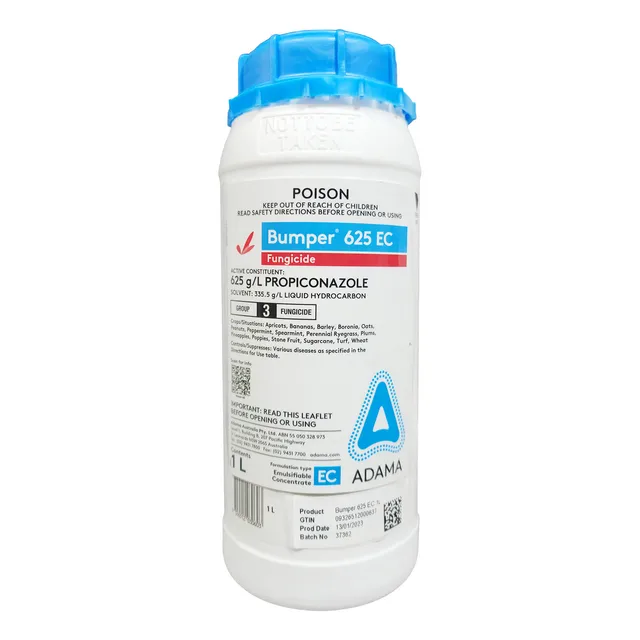
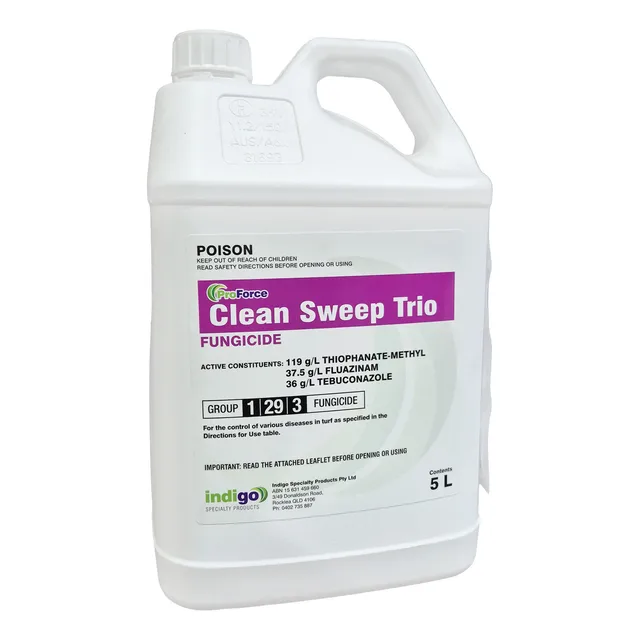
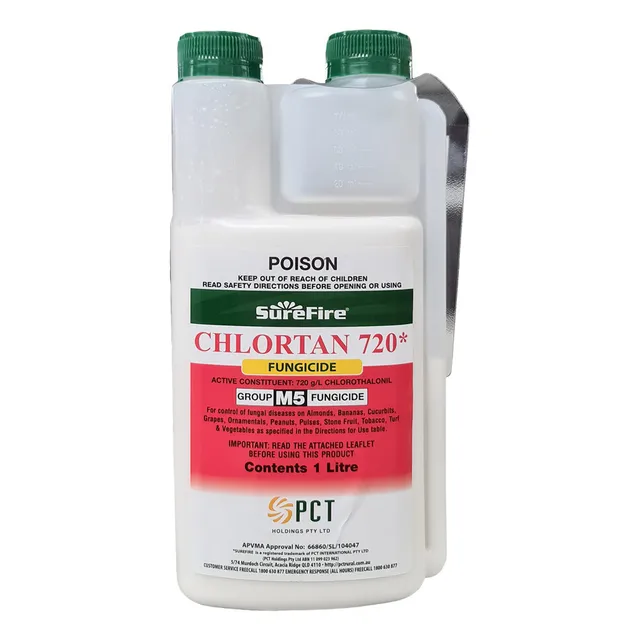
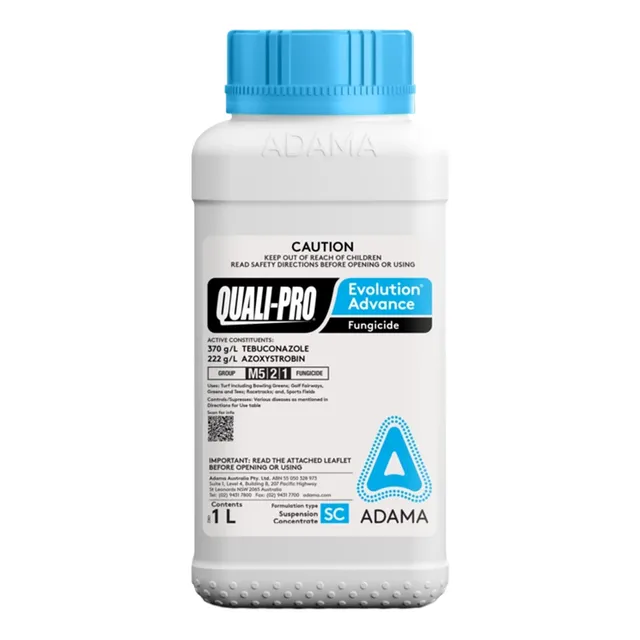
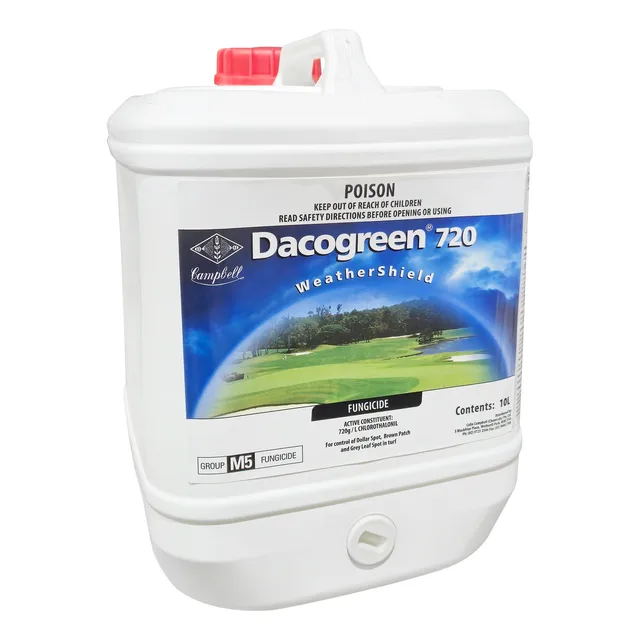
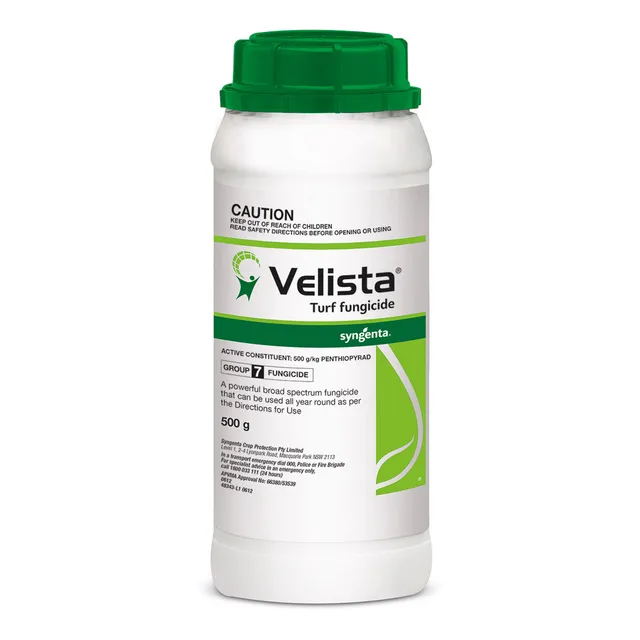
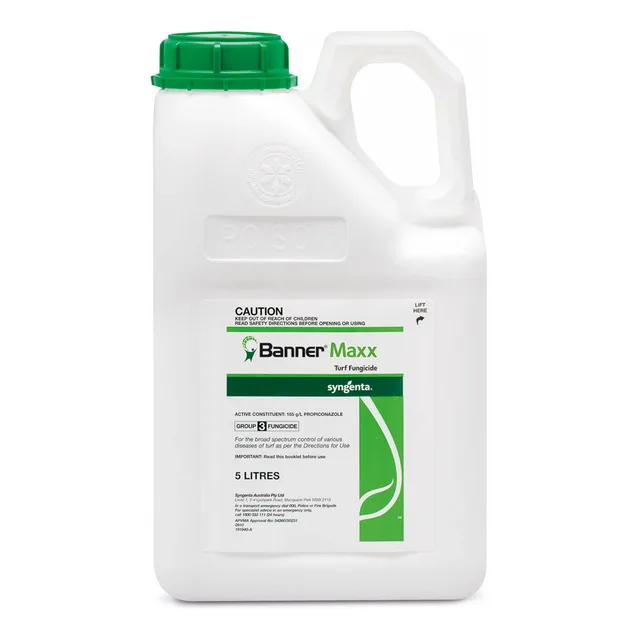
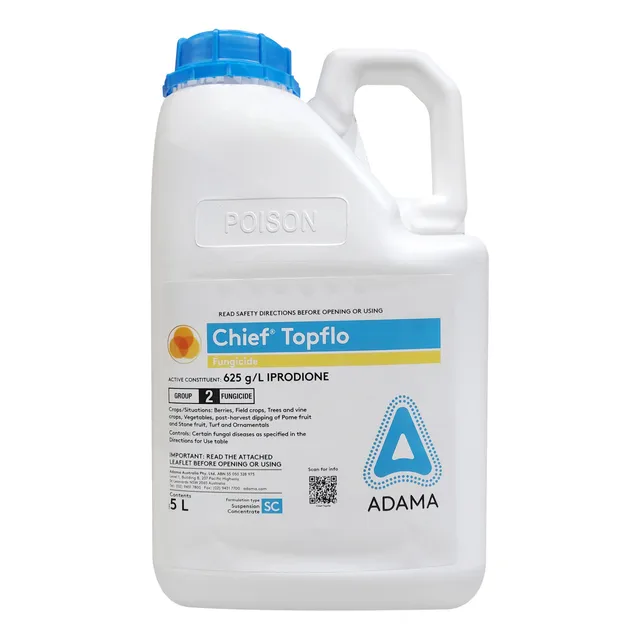
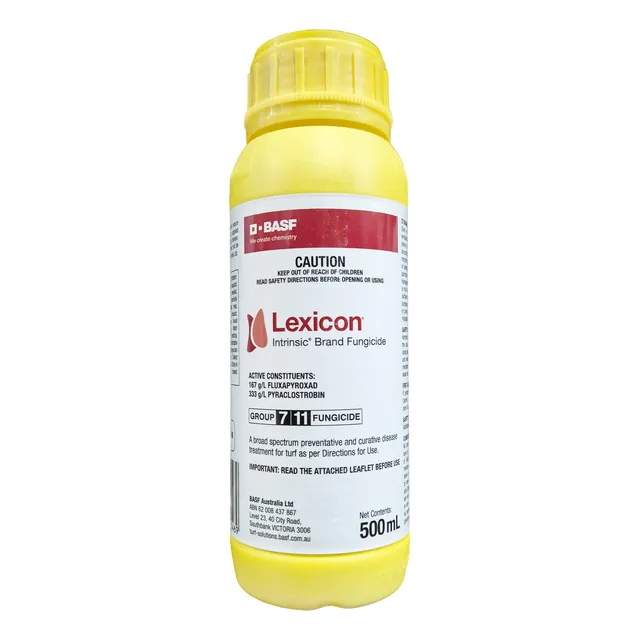
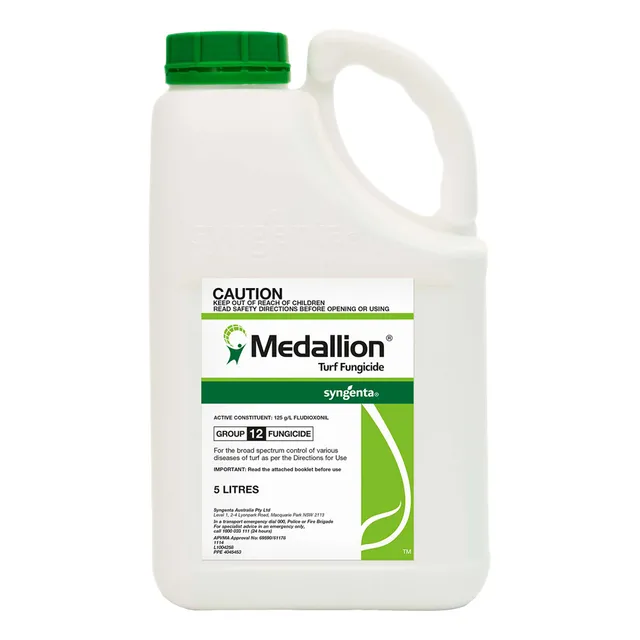
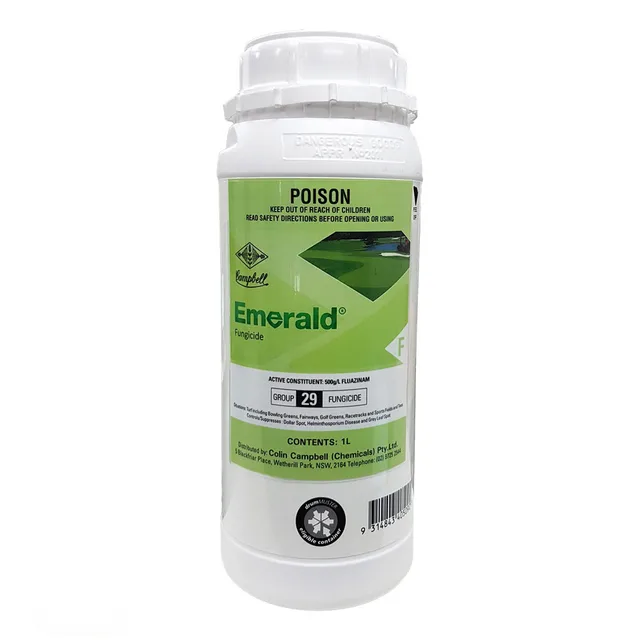
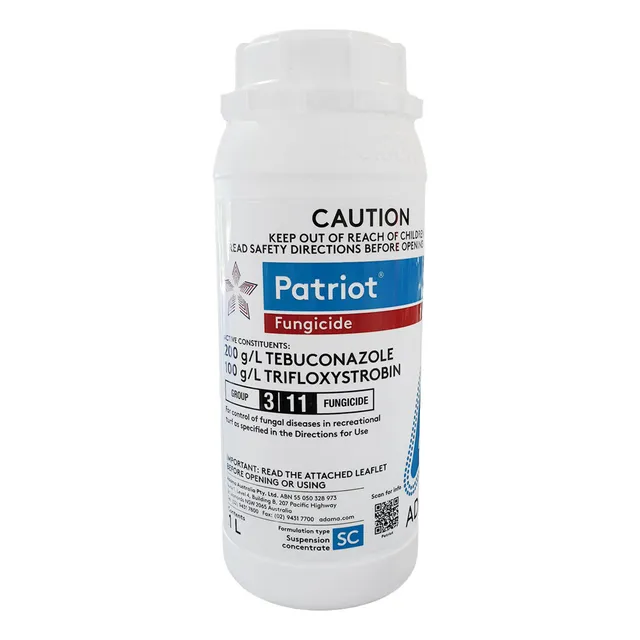
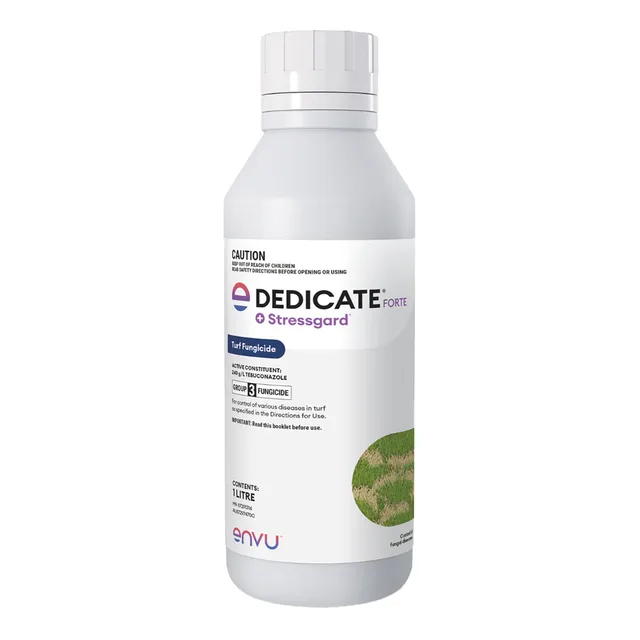
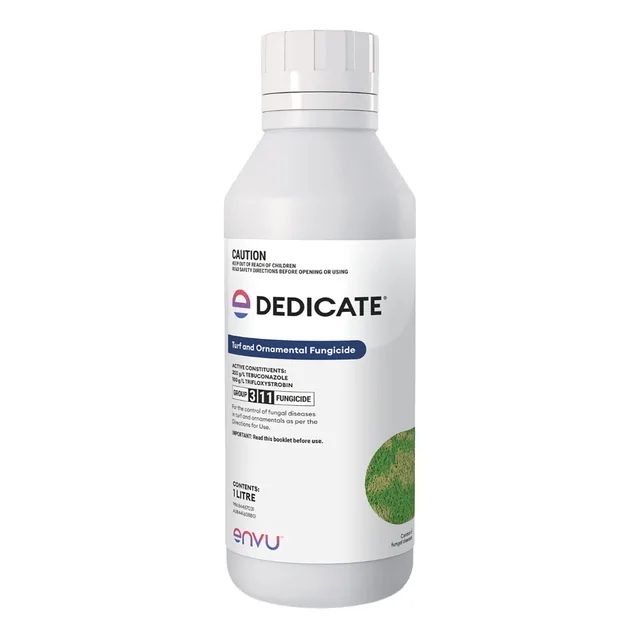
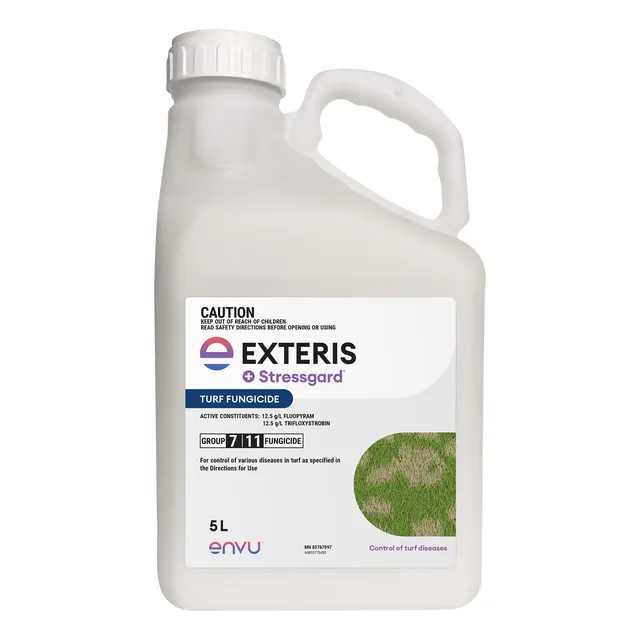
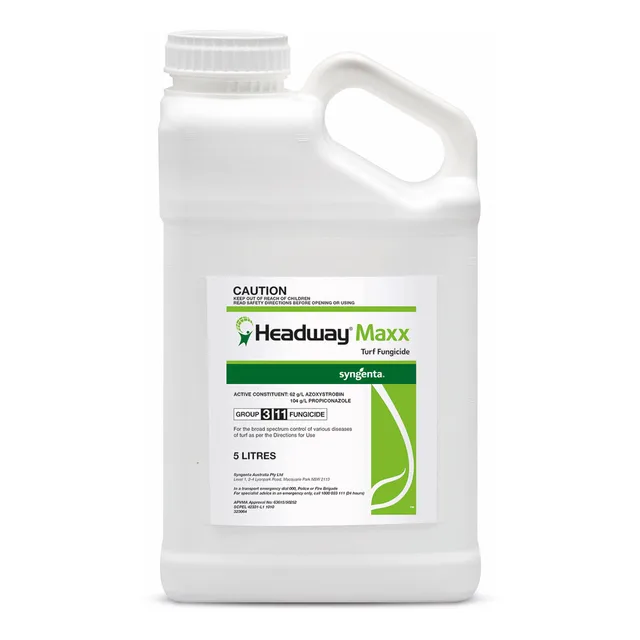
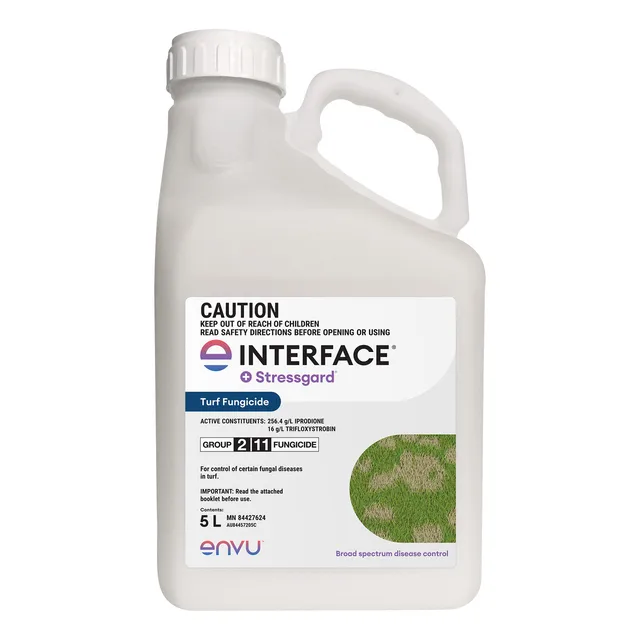
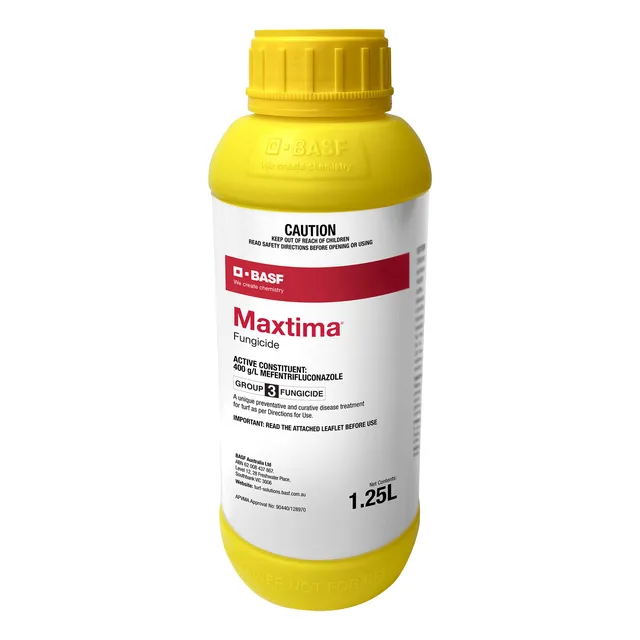
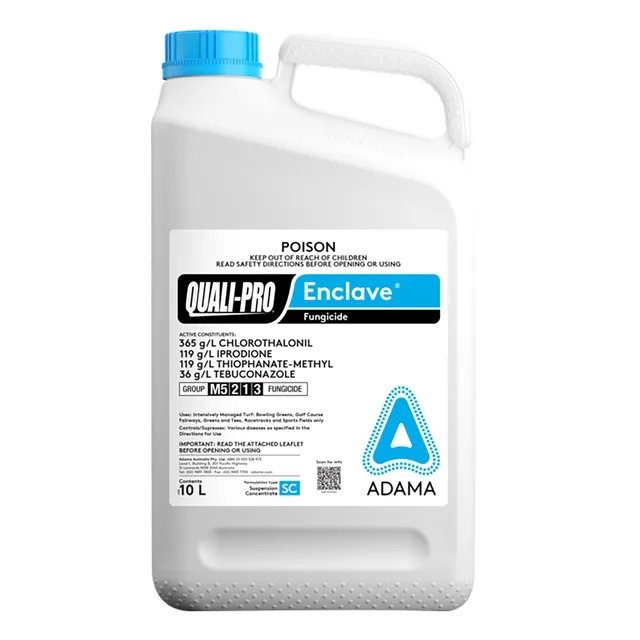
No products match those filters.