

Spider Mite
Tetranychus urticae
Two-spotted spider mite is a tiny sap-sucking pest causing stippled, bronzed foliage across ornamentals, vegetables and nursery stock, worst in hot dry weather.
Two-spotted spider mite is not an insect but an arachnid, closely related to spiders and ticks. Adults are oval, roughly 0.5 mm long and only just visible to the naked eye as tiny moving specks. They are pale yellow-green to greenish-brown with two dark spots on either side of the body, though colour can darken to orange-red in overwintering or stressed populations. Eggs are spherical, translucent to pale yellow, and laid singly on the underside of leaves. Nymphs resemble small, pale versions of the adults and pass through several moults before maturing, with the whole life cycle from egg to adult taking as little as one to two weeks in warm conditions.
All feeding stages are found on the underside of leaves, where they pierce plant cells with needle-like mouthparts and remove cell contents. Fine silk webbing is often produced across leaf undersides and between leaves and stems, particularly under heavy infestation, giving the pest its common name.
This is one of the most widespread and polyphagous mite pests in Australian horticulture, attacking a very broad range of ornamentals, nursery stock, vegetables, fruit crops and some turf-adjacent plantings. It thrives in hot, dry, dusty conditions and populations can build explosively over spring and summer, with reproduction slowing in cool, humid weather.
Management relies on regular monitoring of leaf undersides, maintaining adequate plant moisture and reducing dust and plant stress, since drought-stressed plants are more susceptible to rapid population build-up. Encouraging predatory mites and other natural enemies helps keep populations in check, and broad-spectrum insecticide use should be minimised where possible as it can flare mite numbers by killing beneficial predators. In protected cropping and nursery situations, biological control agents and miticides registered for two-spotted mite are commonly integrated into control programs.
How to identify
- Fine pale or yellow stippling/speckling on the upper leaf surface, giving foliage a dull, mottled or bronzed appearance.
- In heavy infestations, leaves become bronzed, dry, curl and may drop prematurely; fine silk webbing is visible on leaf undersides and between leaves, stems and growing tips.
- Growth is reduced and, in severe or prolonged infestations, plant death can occur, particularly in nursery stock and seedlings.
- To confirm, turn leaves over and examine the underside with a hand lens or by tapping the leaf over a sheet of white paper — tiny moving specks (mites) and fine webbing indicate an active infestation.
- Damage can be confused with thrips damage (which produces silvering with dark faecal specks rather than webbing) or with nutrient deficiency/moisture stress (which causes discolouration but no webbing or moving mites on close inspection).
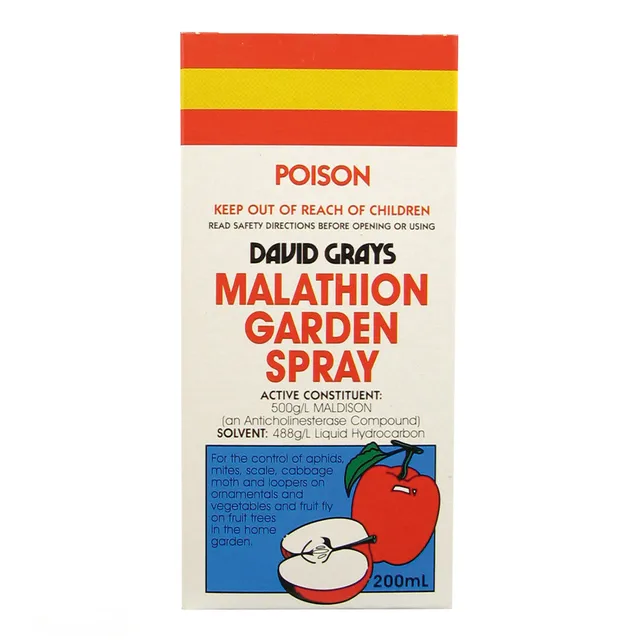
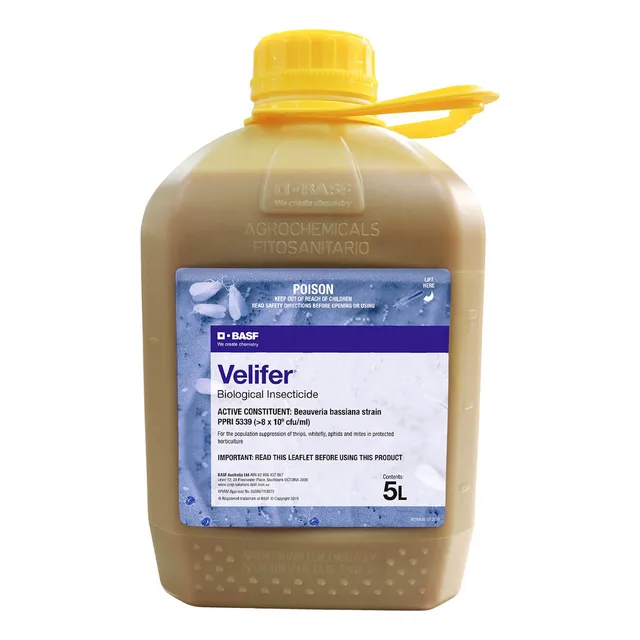
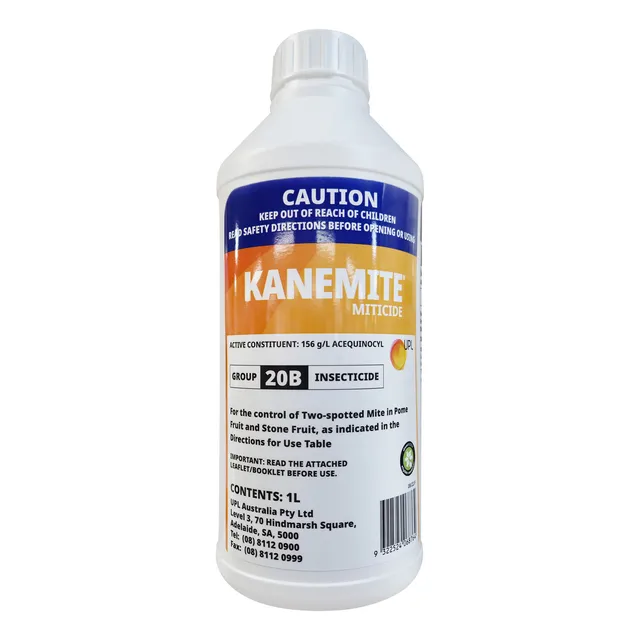
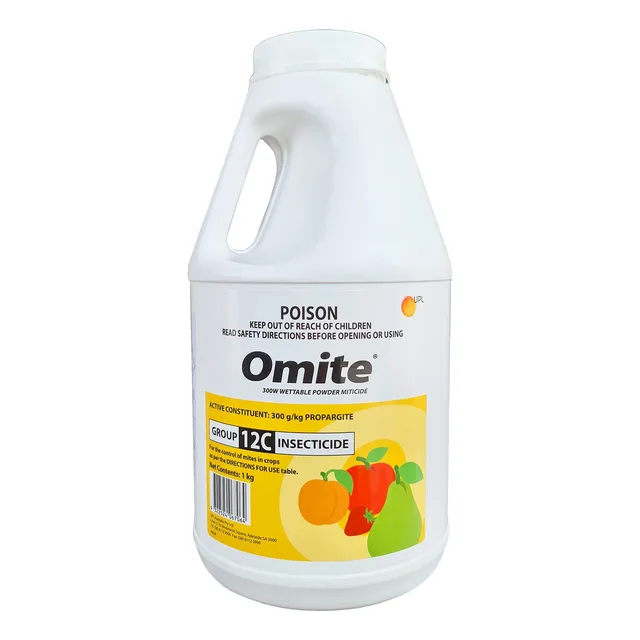
Registered products we stock
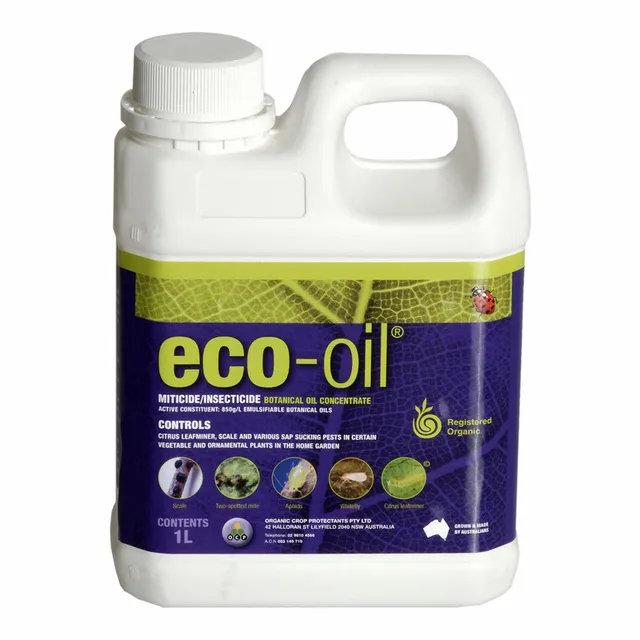
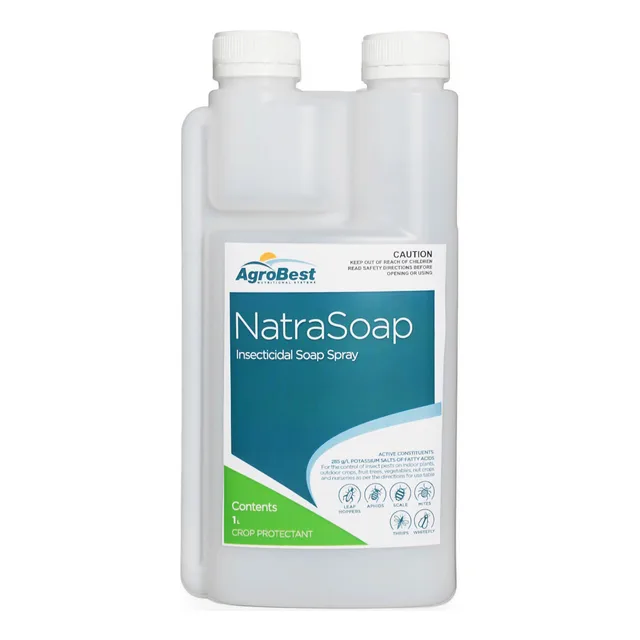
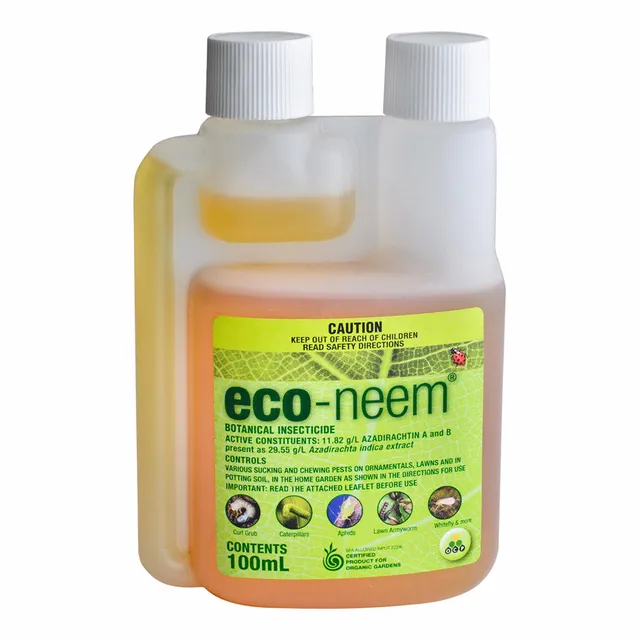
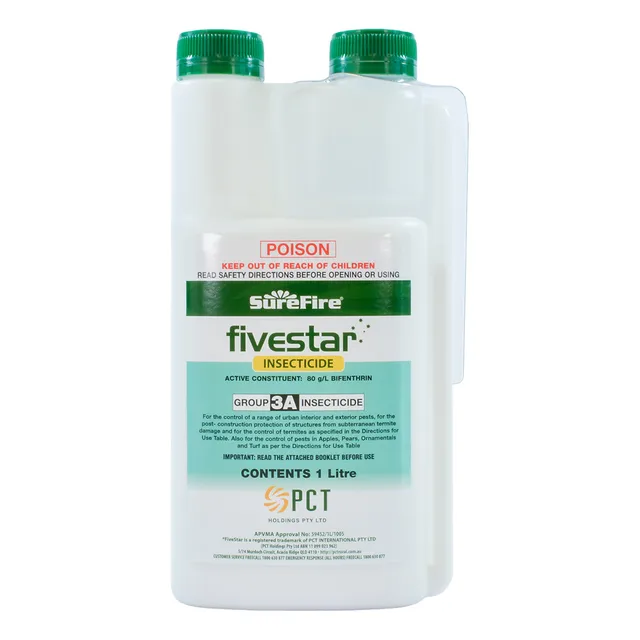
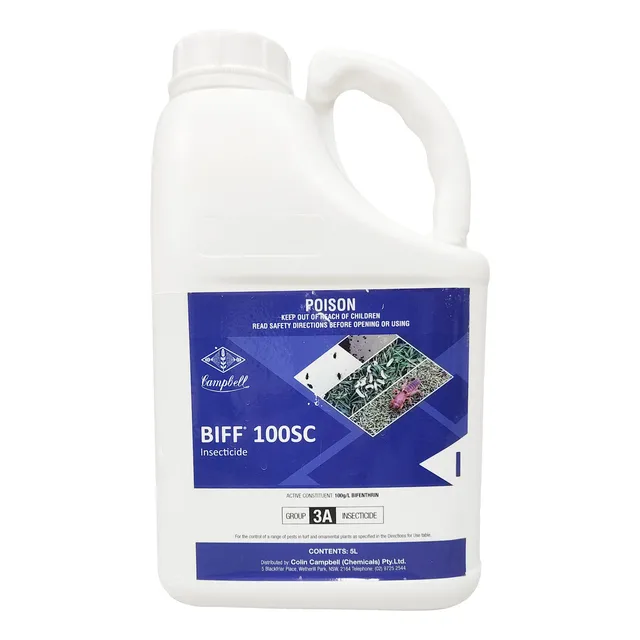
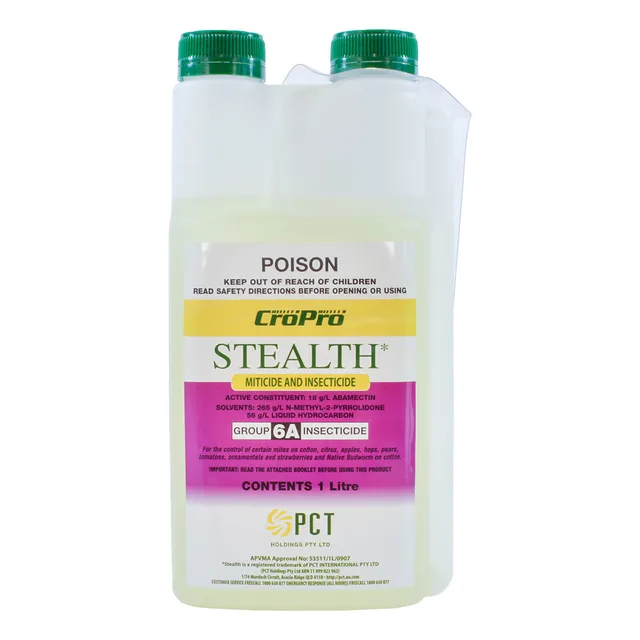
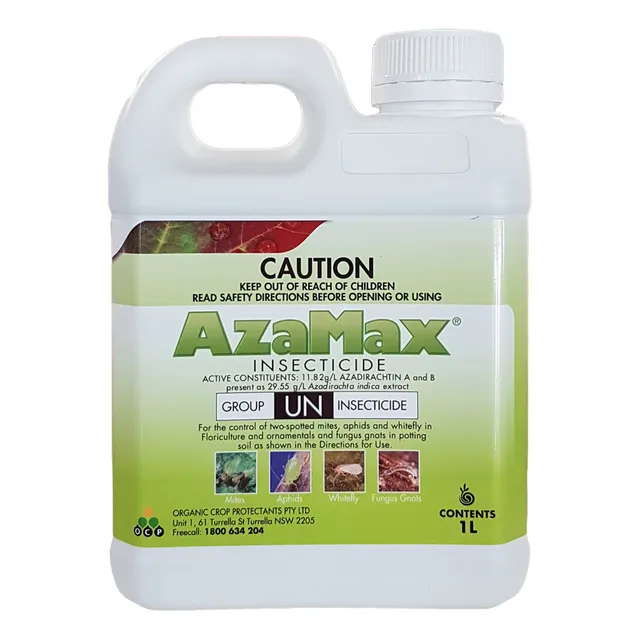
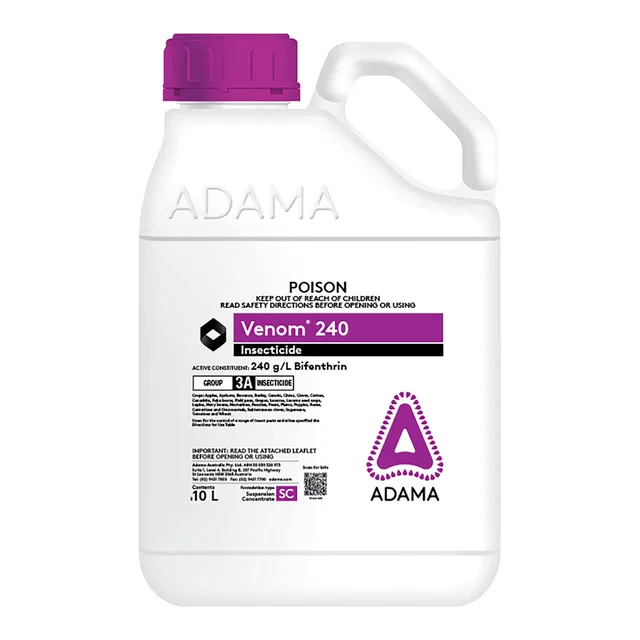
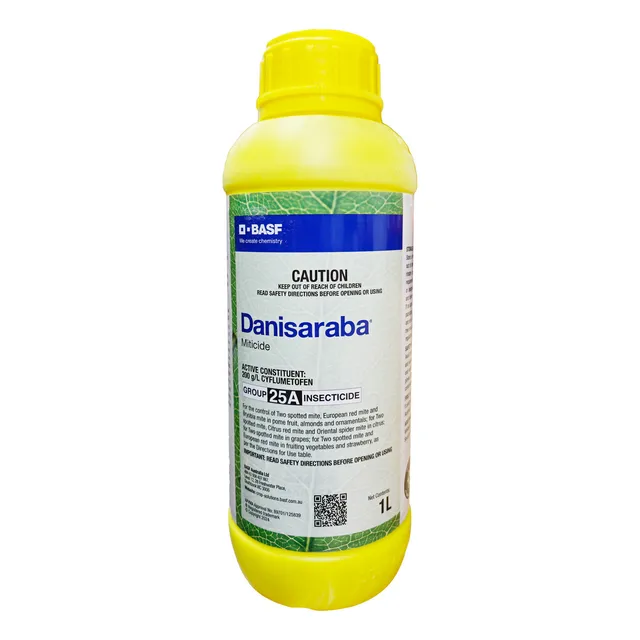
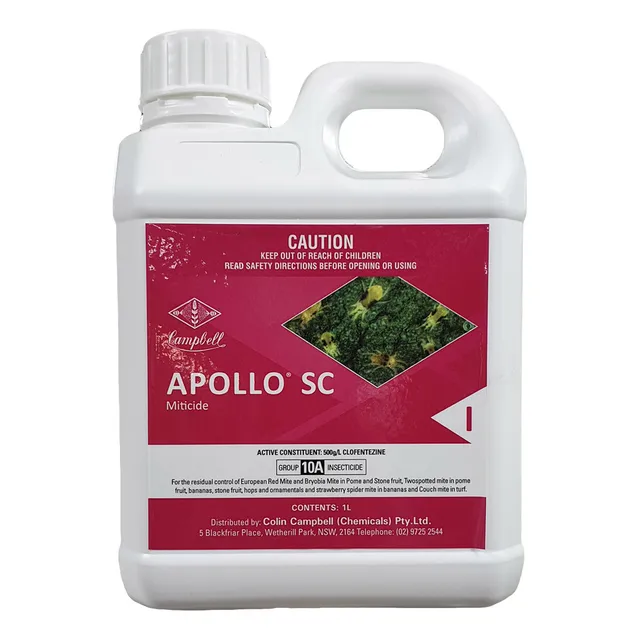
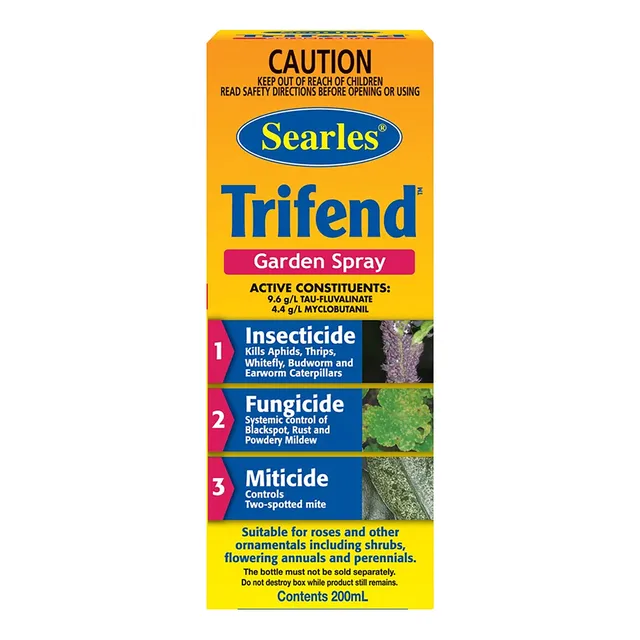
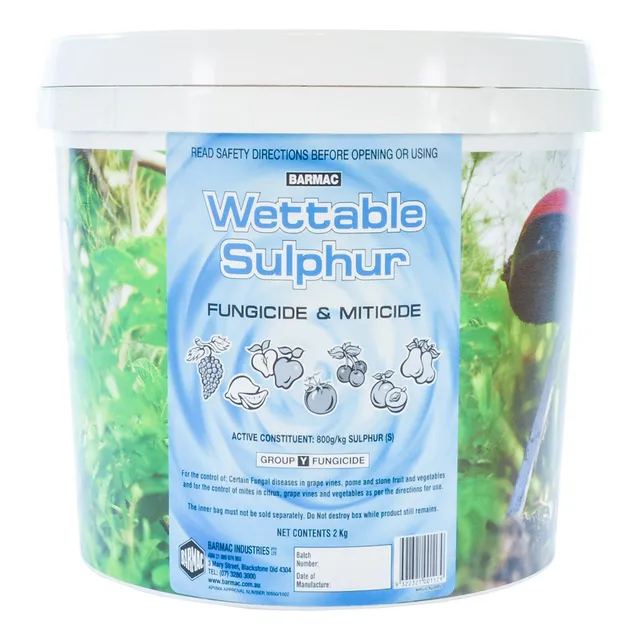
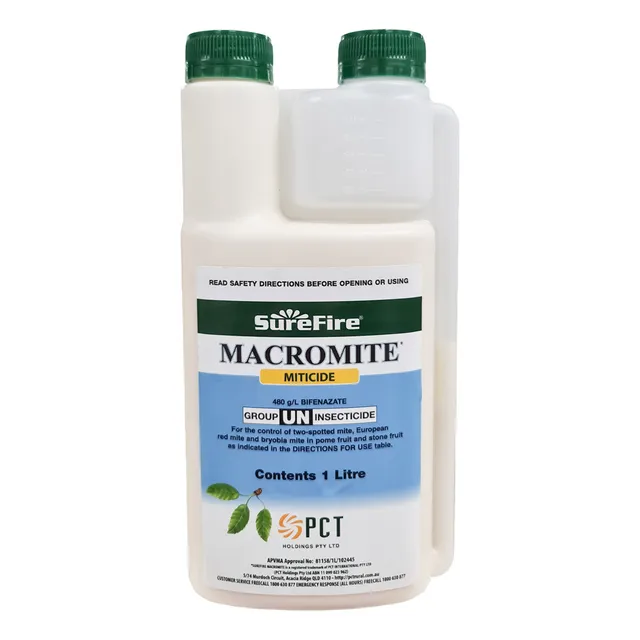
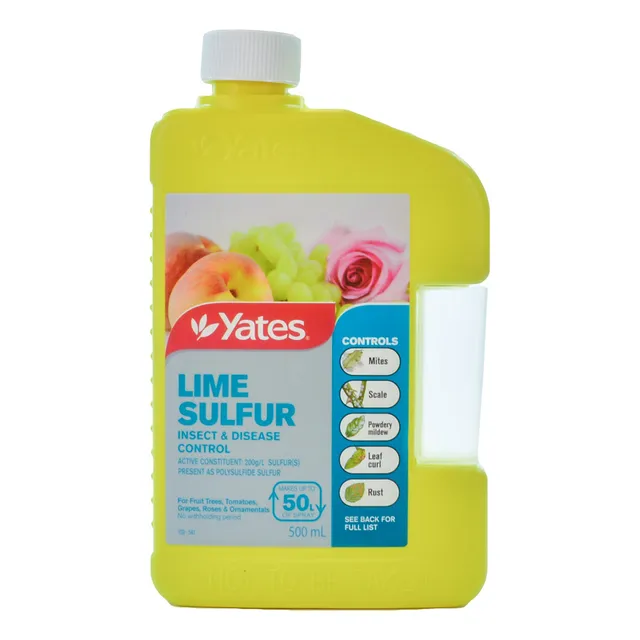
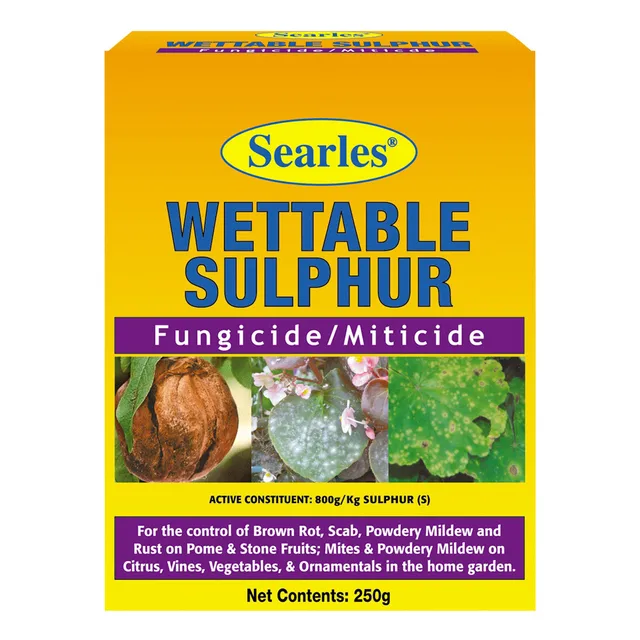
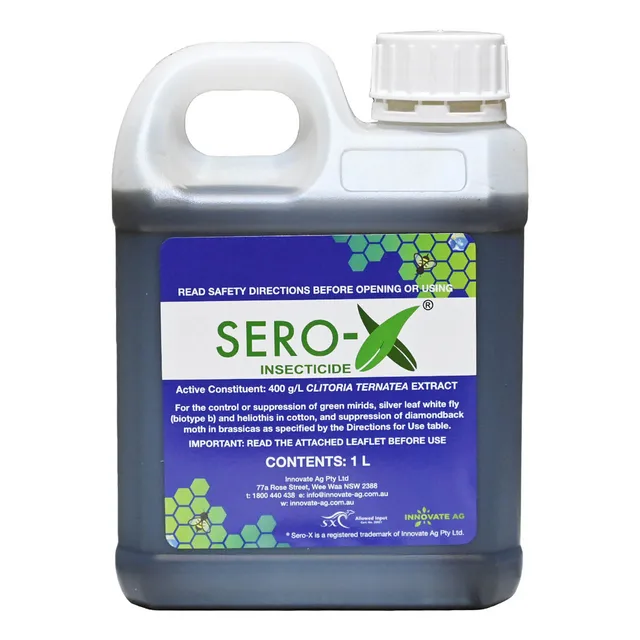
'%20fill%3D'none'%20stroke%3D'%23888'%20stroke-width%3D'6'%20stroke-linecap%3D'round'%20stroke-linejoin%3D'round'%3E%3Crect%20x%3D'0'%20y%3D'0'%20width%3D'141'%20height%3D'141'%20rx%3D'11'%20ry%3D'11'%2F%3E%3Ccircle%20cx%3D'49'%20cy%3D'49'%20r%3D'8'%2F%3E%3Cpolyline%20points%3D'141%2C94%2088%2C59%2030%2C141'%2F%3E%3C%2Fg%3E%3Ctext%20x%3D'50%25'%20y%3D'391'%20font-family%3D'system-ui%2Csans-serif'%20font-size%3D'29'%20fill%3D'%23888'%20text-anchor%3D'middle'%3EImage%20coming%20soon%3C%2Ftext%3E%3C%2Fsvg%3E)
No products match those filters.