

Caterpillars
Lepidoptera (larvae)
Caterpillars are moth or butterfly larvae that chew leaves, flowers, fruit or turf, causing damage ranging from minor holes to complete defoliation.
Caterpillars are the larval stage of moths and butterflies (order Lepidoptera). Australian nursery, turf and landscape businesses encounter a wide range of species, from armyworms and sod webworms in lawns to loopers, leafrollers and cluster caterpillars in ornamentals, natives and production horticulture. Despite the variety of names, all share the same basic life cycle and cause damage through chewing.
Adult moths and butterflies vary greatly in size and colour but generally have a stout or slender body, two pairs of scaled wings, and are active at dusk or night (moths) or during the day (butterflies). They do not feed on plants directly but lay eggs, often in clusters or singly, on leaves, stems or in thatch. Larvae range from around 5mm when newly hatched to 40–50mm at maturity, depending on species. Colour varies widely — green, brown, grey, black or striped — and some, such as anthelid and hairy caterpillars, are covered in dense hairs or spines that can cause skin irritation. Larvae are found feeding on foliage, buried in webbing or rolled leaves, boring into fruit or flowers, or in the case of turf species such as lawn armyworm and sod webworm, sheltering in thatch or shallow soil burrows by day and surfacing to feed at night.
Caterpillar activity in Australia is strongly seasonal, peaking from spring through to autumn when temperatures favour rapid egg-to-adult development. Many species can complete several generations in a season, and populations can build quickly following warm, humid weather or after moth flights triggered by rain. Some species are highly host-specific (for example flower or fruit-boring caterpillars in macadamia, citrus or eggfruit), while others such as cluster caterpillar and loopers attack a broad range of vegetables, ornamentals and turf.
Management relies on regular crop or turf monitoring to detect egg masses and young larvae before significant damage occurs, since small larvae are far easier to control than large, later-instar caterpillars. Cultural practices such as removing plant debris, reducing excessive thatch in turf, and encouraging natural enemies (parasitic wasps, predatory bugs, birds) help suppress populations. Chemical control, where required, should target early larval stages and follow APVMA-registered use patterns for the specific crop or turf situation.
How to identify
- Foliage damage: irregular holes, notched leaf margins, skeletonised leaves, or entire leaves stripped to the midrib.
- Turf damage: irregular brown or thinned patches, especially in lawn armyworm or sod webworm attack, often first noticed along fence lines, garden edges or high points; grass blades may be chewed to the crown.
- Flower and fruit damage: holes bored into buds, flowers or developing fruit, sometimes with frass (droppings) visible at entry points.
- Rolled or webbed leaves: leafroller and webspinner species draw leaves together with silk, feeding protected inside.
- Frass: small dark green or brown pellets on leaves, in leaf rolls, or on the soil/turf surface beneath feeding sites — often the first clue before larvae are seen.
Field checks: Inspect leaf undersides and rolled leaves for larvae and egg clusters. In turf, part the grass and check the thatch layer, or drench a suspect patch with a soap-and-water solution (a few millilitres of dishwashing detergent in a bucket of water poured over a square metre) — surface-active caterpillars such as armyworm will come to the surface within minutes. Night inspections with a torch are useful for species that feed after dark.
Lookalikes: Caterpillar damage in turf can resemble black beetle or billbug larvae damage, but beetle larvae are legless grubs found in the soil rather than segmented, crawling larvae in the thatch — digging into damaged turf will distinguish them. On foliage, caterpillar chewing can be confused with earwig or grasshopper damage; caterpillars leave frass and silk webbing, while grasshoppers and earwigs do not.
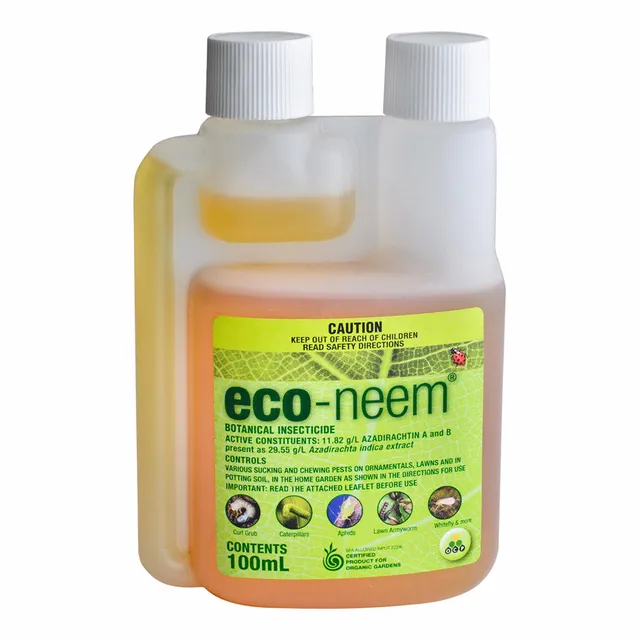
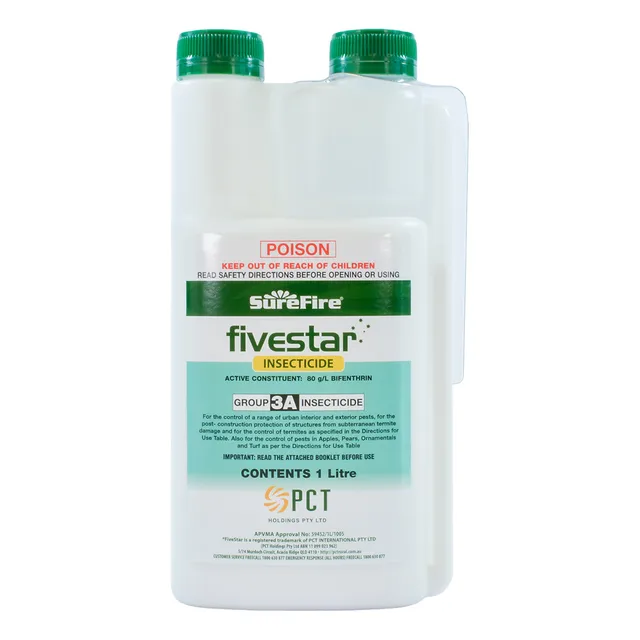
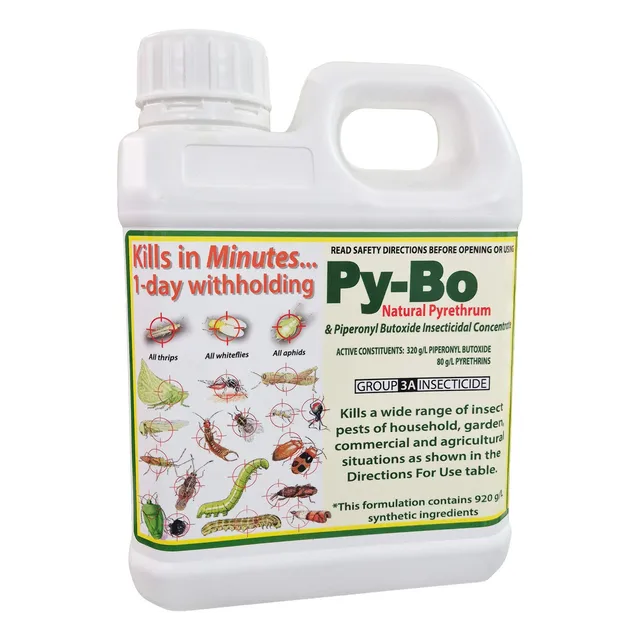
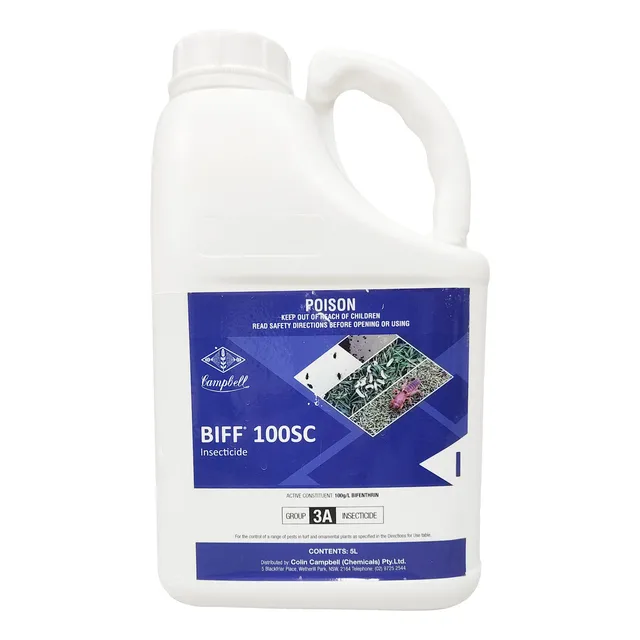
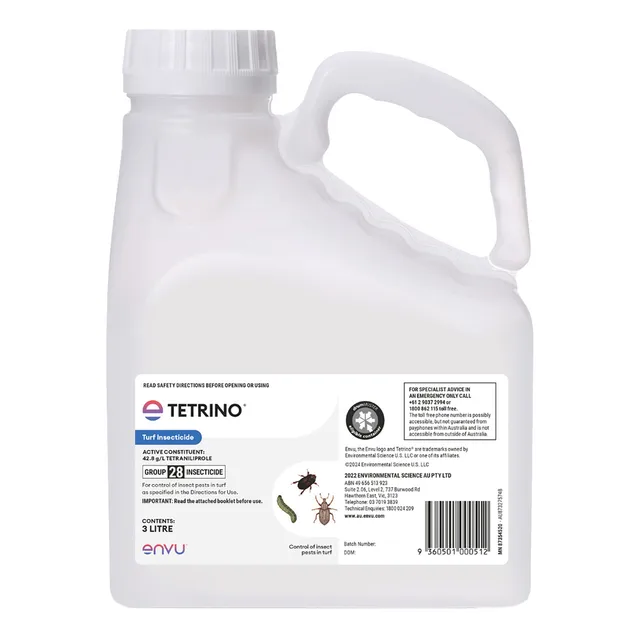
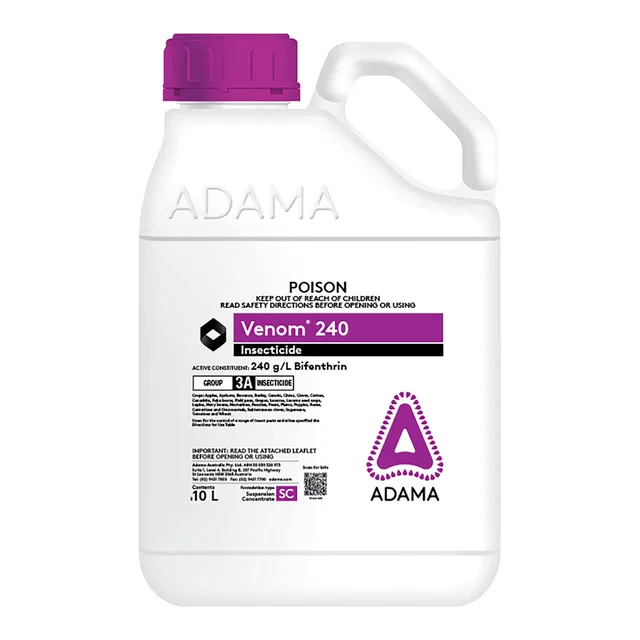
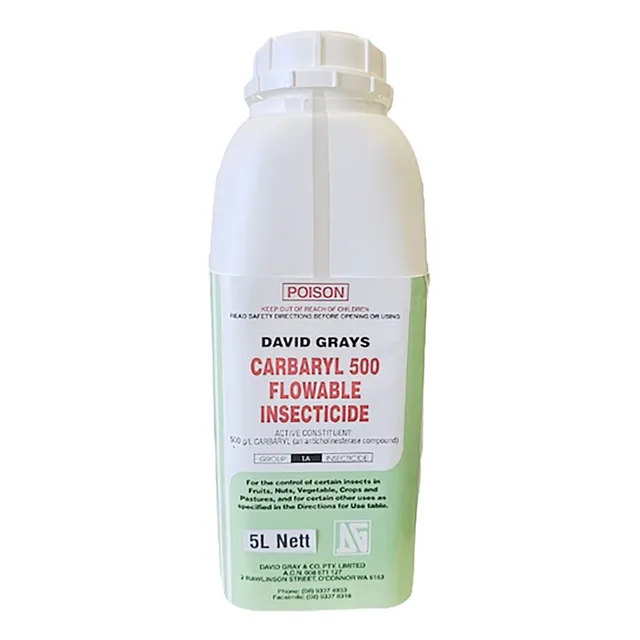
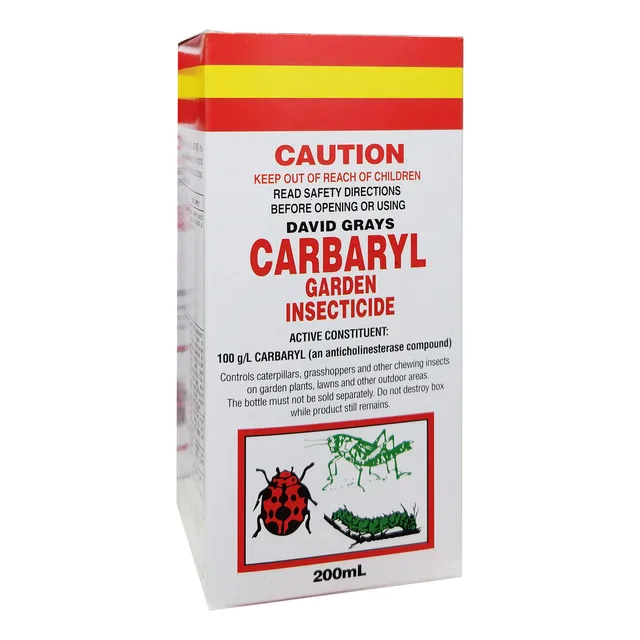
Registered products we stock
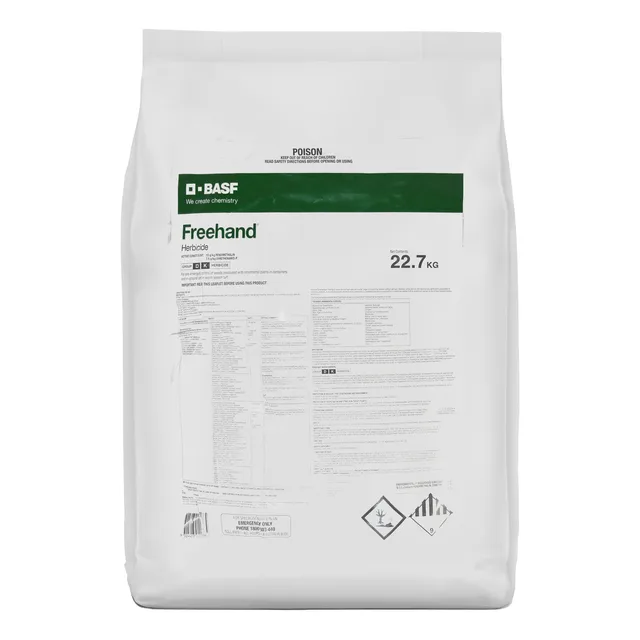
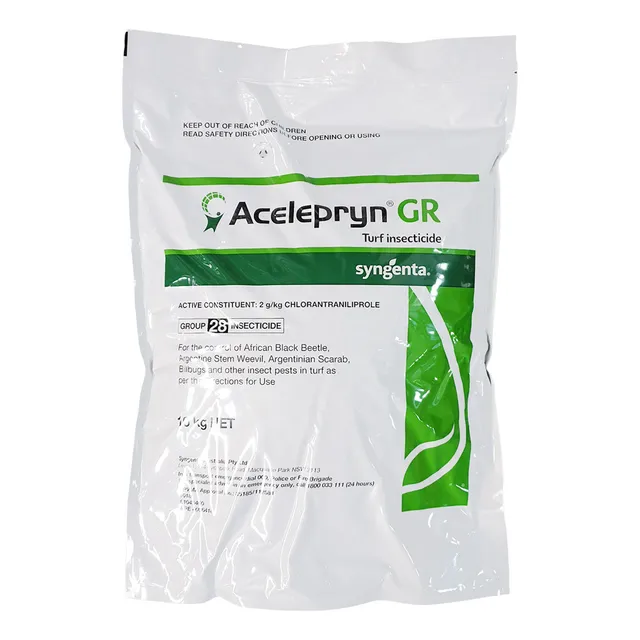
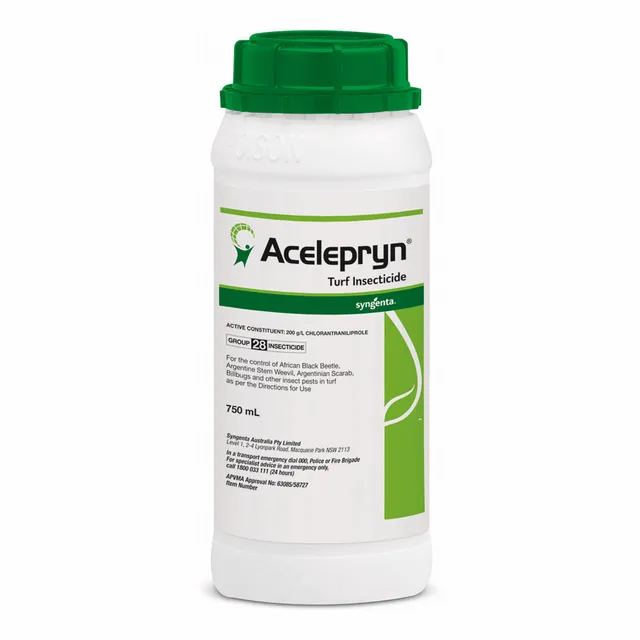
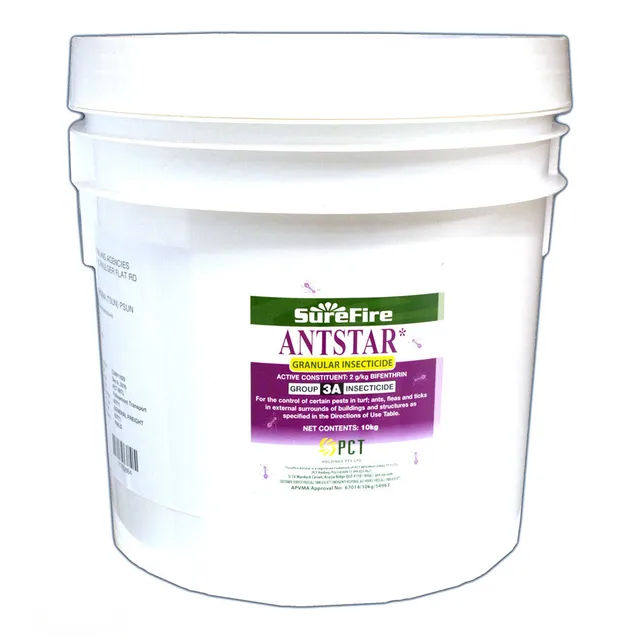
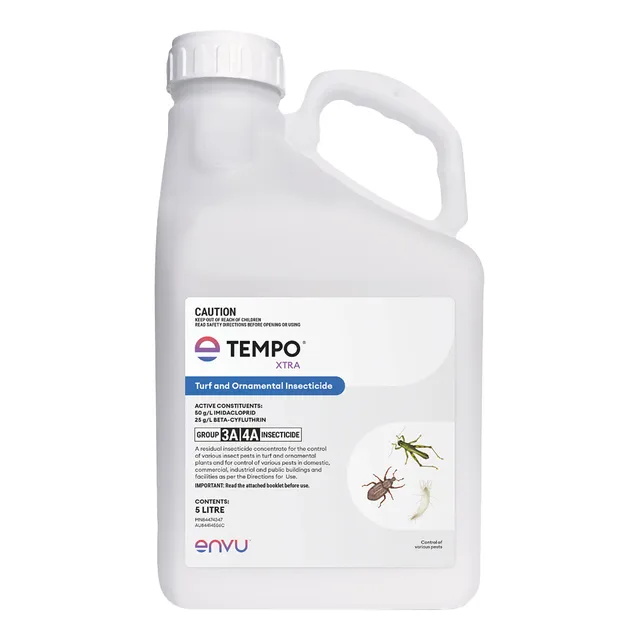
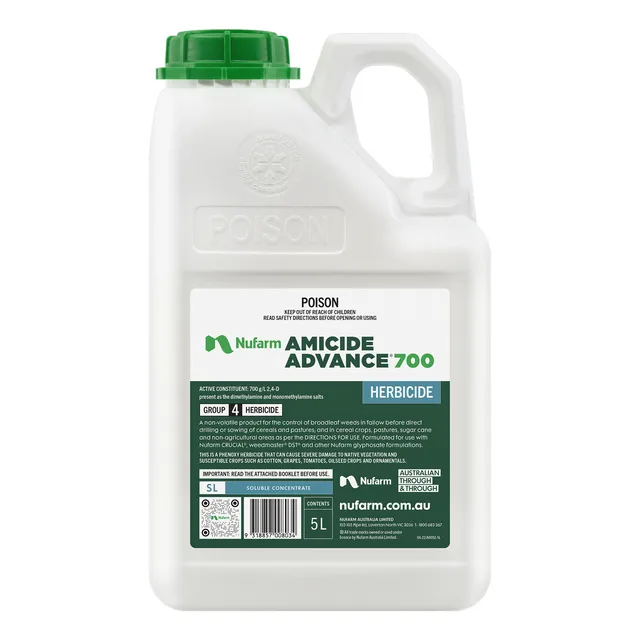
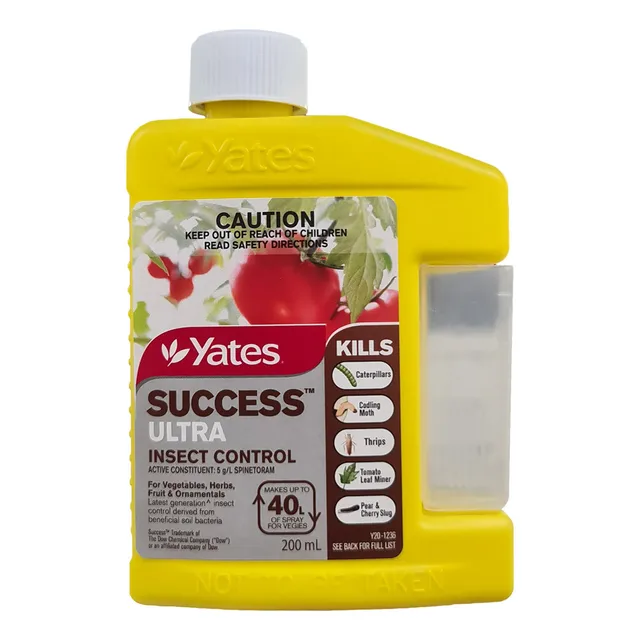
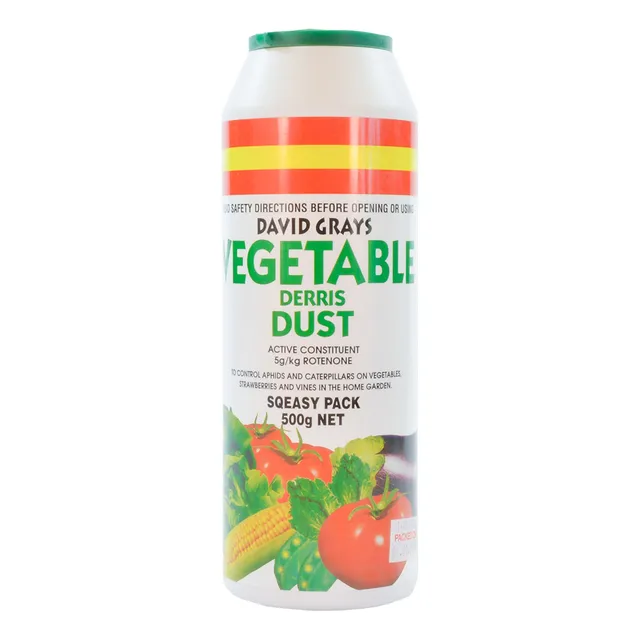
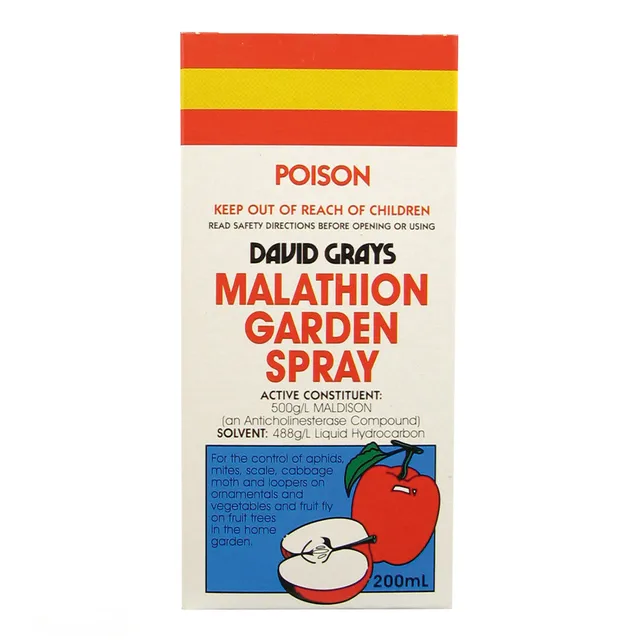
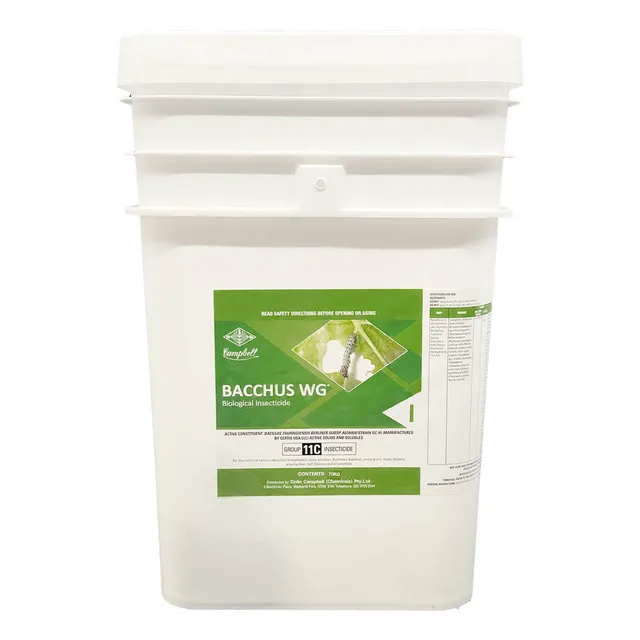
No products match those filters.