

Anthracnose
Colletotrichum spp.
Anthracnose is a fungal disease caused by Colletotrichum species that causes leaf, fruit, stem and crown lesions across many nursery, turf and horticultural crops in Australia.
Anthracnose refers to a group of diseases caused by fungi in the genus Colletotrichum, with some related diseases attributed to Elsinoe and Marssonina species. On infected tissue the fungus produces sunken, dark brown to black lesions, often with a slightly darker margin. Under humid conditions these lesions develop small, dark fruiting bodies (acervuli) that can ooze pink, orange or salmon-coloured spore masses, particularly visible on fruit, pods and stems. Mycelium is rarely seen with the naked eye, but the concentric rings or elongated streaks on leaves and stems are characteristic of the disease's progression.
Symptoms vary by host and by the specific Colletotrichum species involved, but generally include leaf spots, shoot dieback, fruit rots, stem-end rots and crown or root rots. Many ornamental, turf, vegetable and fruit species grown in Australian nurseries and landscapes are susceptible, including turfgrasses, brassicas, cucurbits, beans, lettuce, mango, avocado, pawpaw, olives, grapes and various ornamentals.
The disease is favoured by warm, humid or wet conditions and is most active during Australia's warmer months, particularly in tropical and subtropical regions, though it can occur wherever prolonged leaf wetness and moderate to high temperatures coincide. Spores spread by splashing rain or irrigation water, on contaminated tools, and via infected plant material and seed. The fungus can survive on plant debris, in seed, or as latent infections within apparently healthy tissue, only expressing symptoms once the plant is stressed or environmental conditions become favourable.
Management relies on an integrated approach: source disease-free planting material and seed, avoid overhead irrigation or water early in the day so foliage dries quickly, improve airflow through spacing and pruning, remove and destroy infected plant material and debris, and rotate susceptible crops where practical. Monitoring during warm, wet weather allows early detection before the disease spreads through a crop or turf area.
How to identify
- Leaf symptoms: small, irregular to circular spots that are brown, tan or black, sometimes with a yellow halo; spots may enlarge and coalesce, causing leaf blighting, distortion or premature leaf drop.
- Stem and shoot symptoms: elongated, sunken, dark lesions (sometimes called blackend or crown rot) that can girdle stems and cause dieback of shoots or runners.
- Fruit and pod symptoms: circular, sunken, dark lesions that enlarge in warm humid weather; centres often develop concentric rings and salmon-pink to orange spore masses in the fruiting bodies during wet conditions.
- Turf symptoms: irregular patches of thinning, yellowing to reddish-brown turf, most visible under drought or heat stress; a reddish-brown discolouration at the base of affected plants and blackened, rotted crowns can be found by parting the turf canopy and checking stem bases.
- Field check: examine lesions under humid conditions or after light rain for tiny black fruiting bodies (acervuli) exuding pink to orange spore masses; a hand lens helps confirm these structures, which distinguish anthracnose from other leaf spot diseases.
- Lookalikes: other fungal leaf spots (e.g. Cercospora or Alternaria spots) can appear similar but generally lack the pink/orange spore ooze and concentric fruiting body pattern typical of anthracnose. In turf, anthracnose patches can resemble drought stress or other patch diseases; pulling affected plants often reveals blackened stem bases and roots with anthracnose, whereas drought-stressed turf typically shows uniform wilting without lesions.
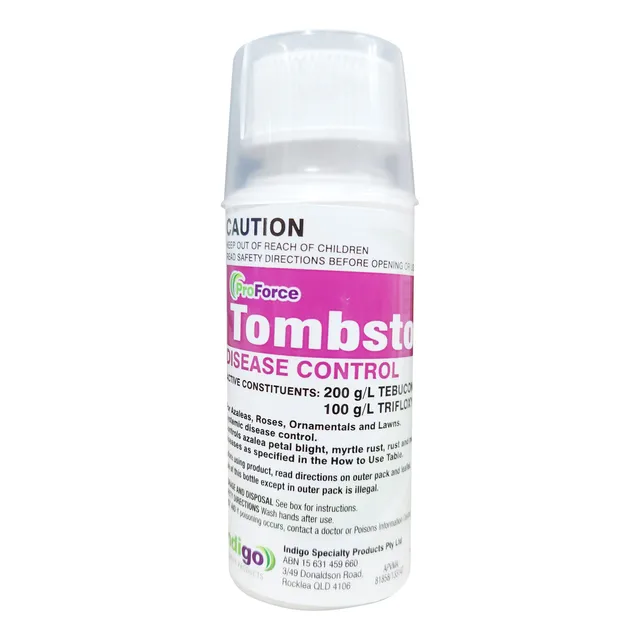
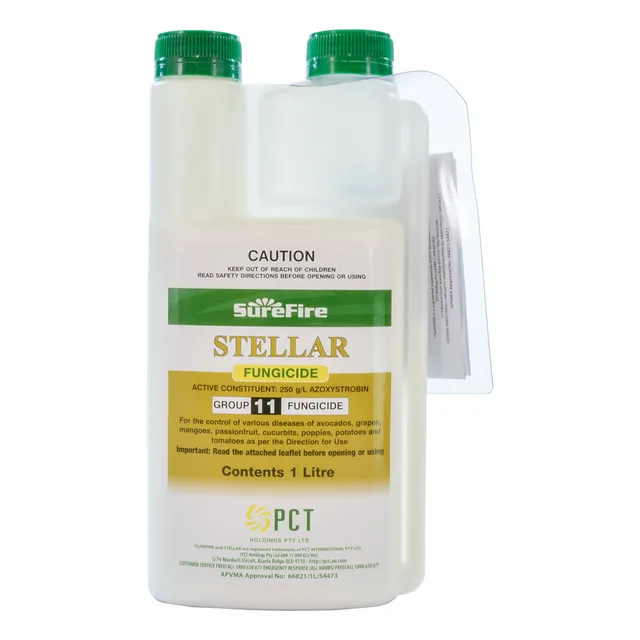
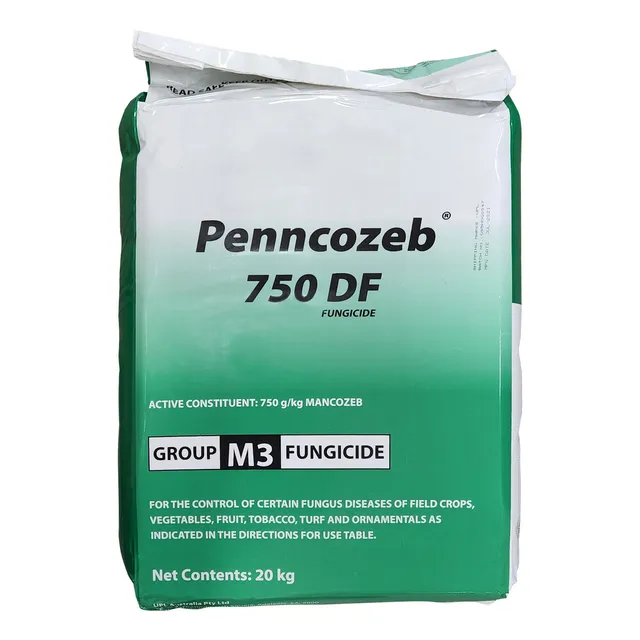
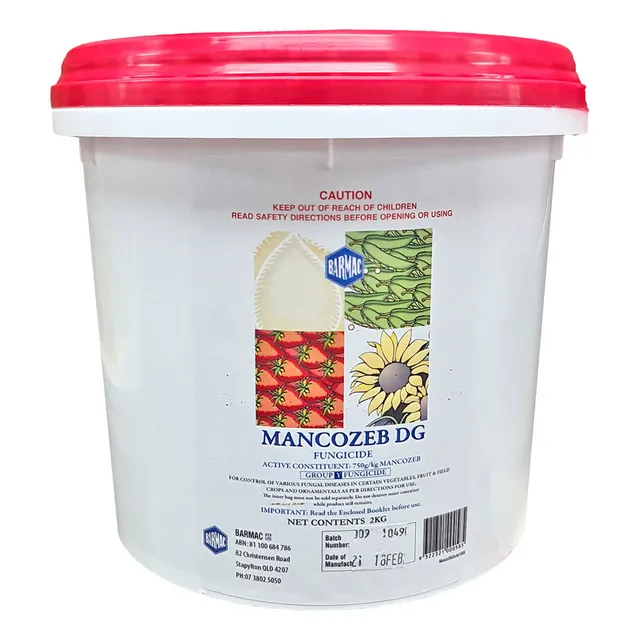
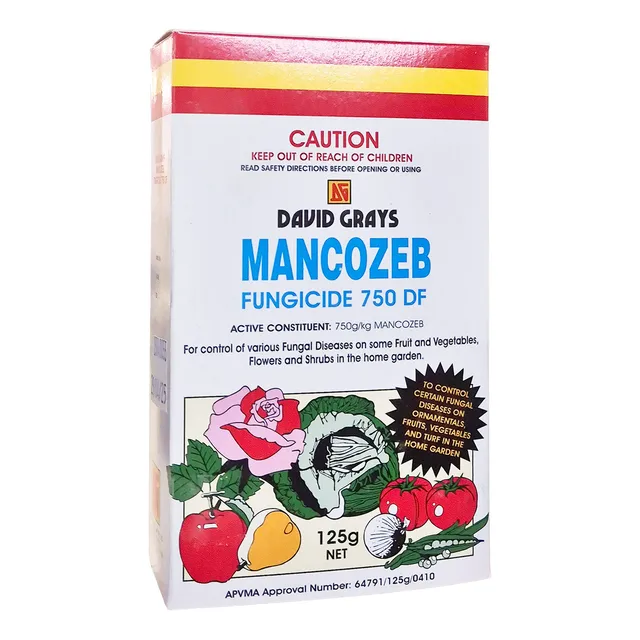
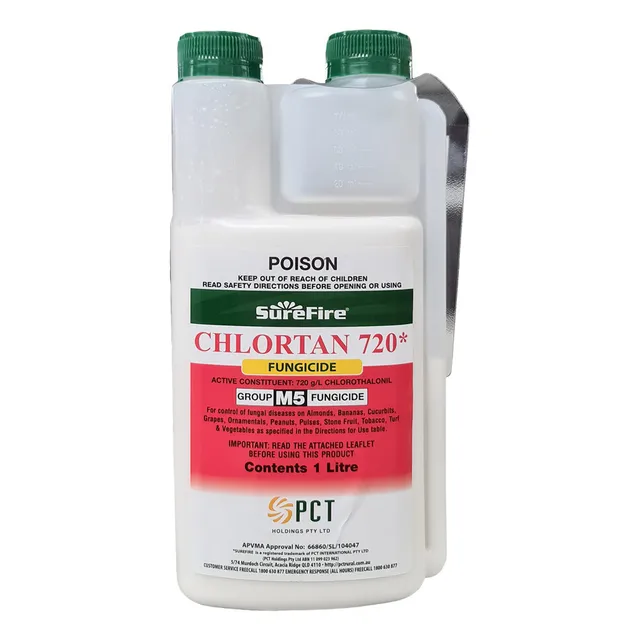
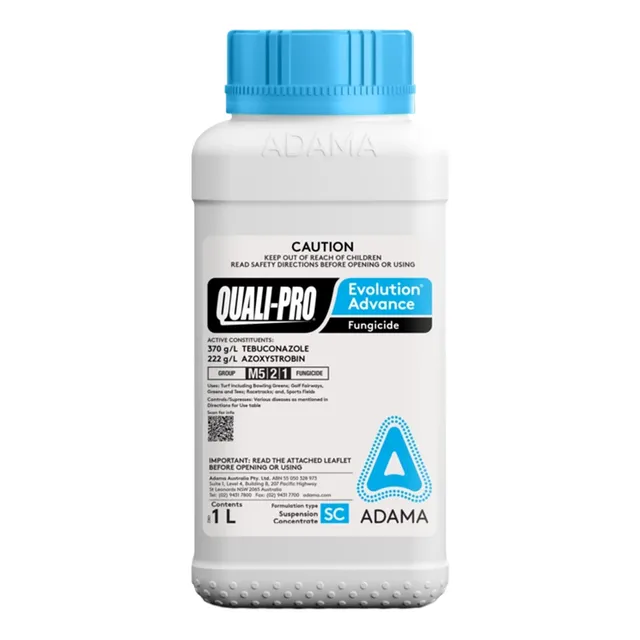
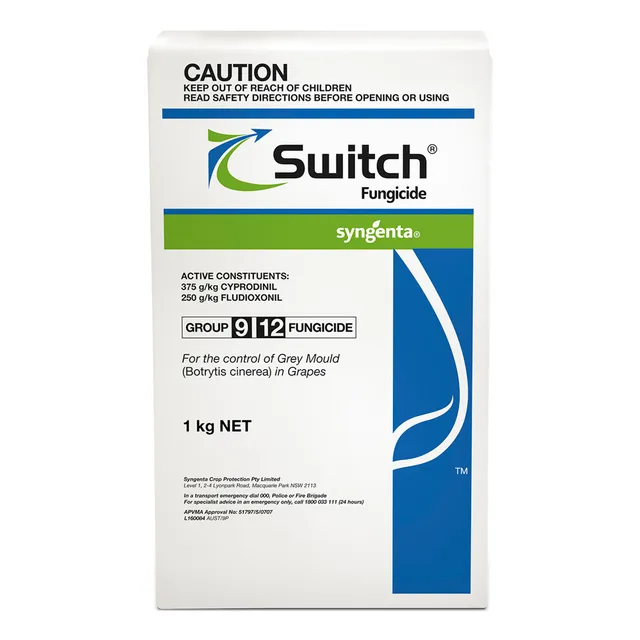
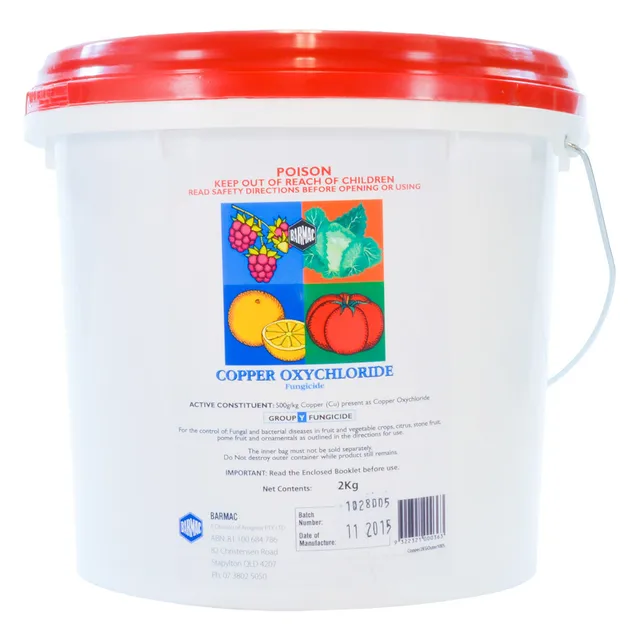
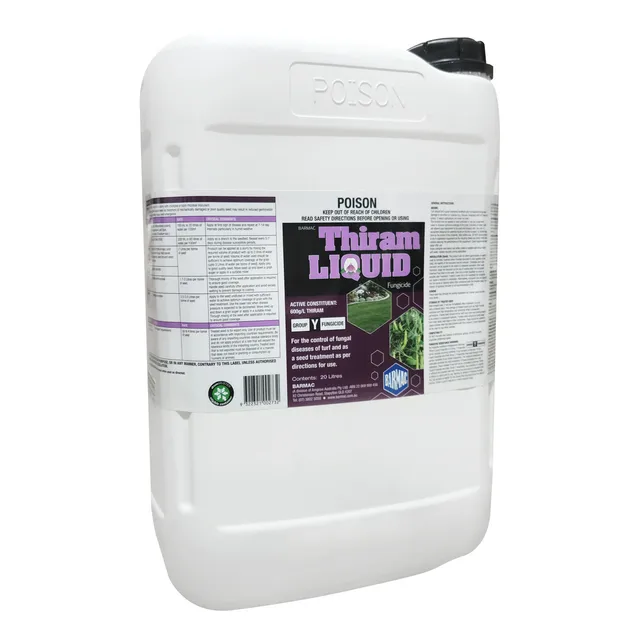
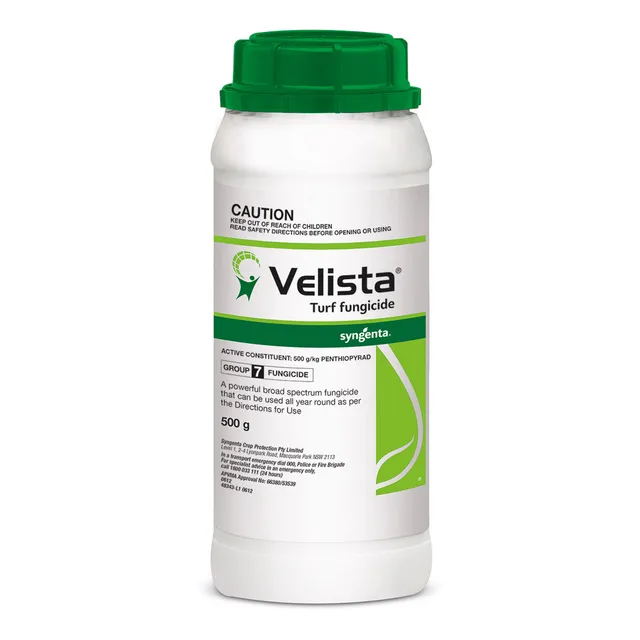
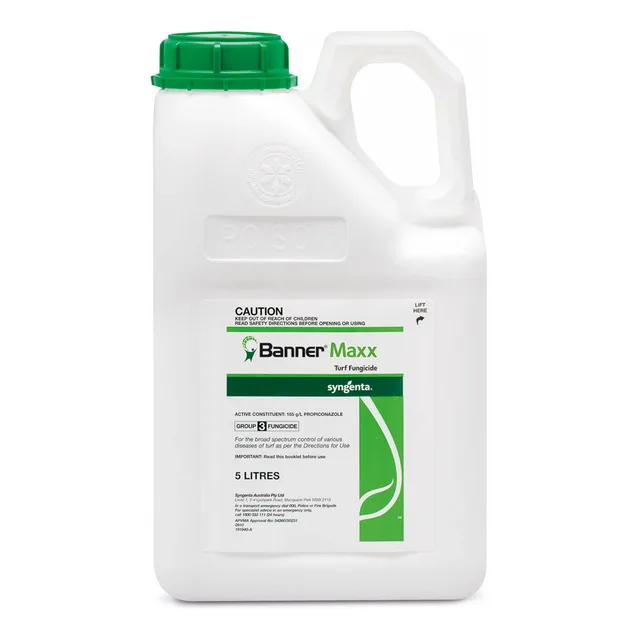
Registered products we stock

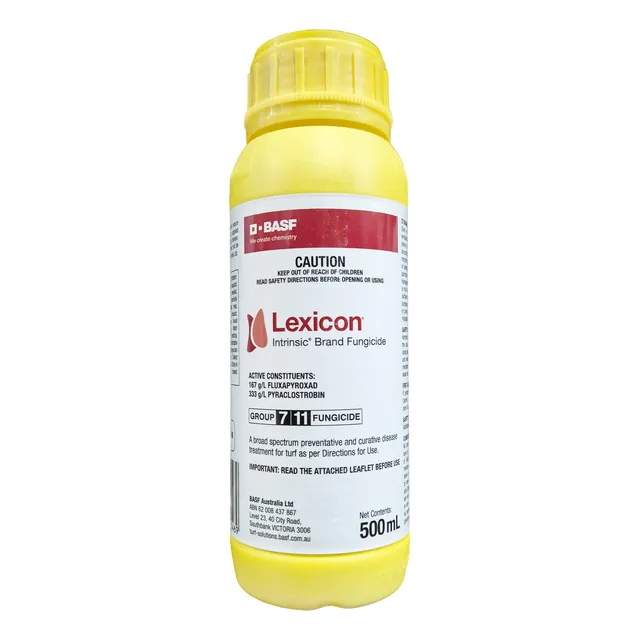
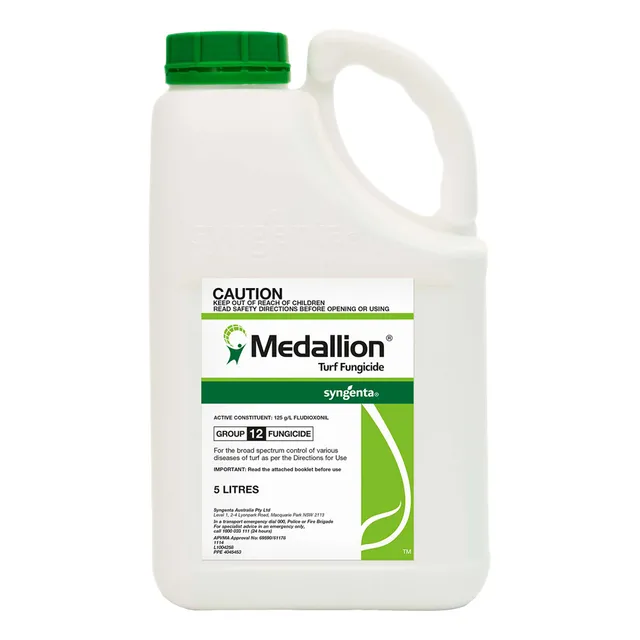
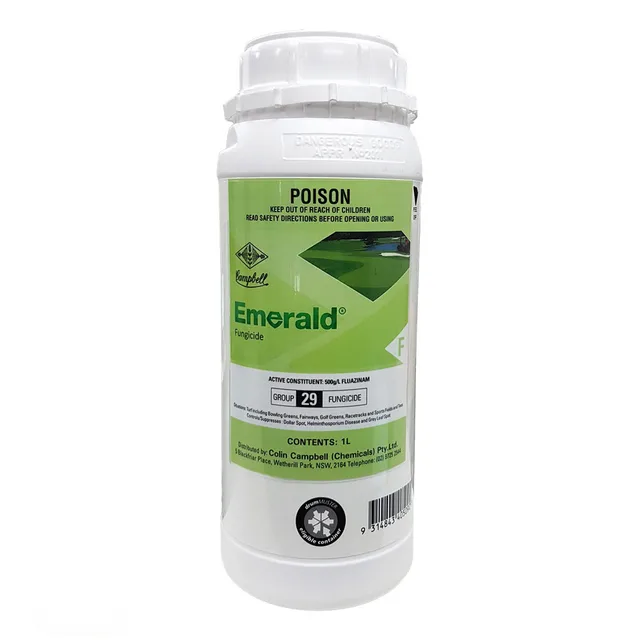
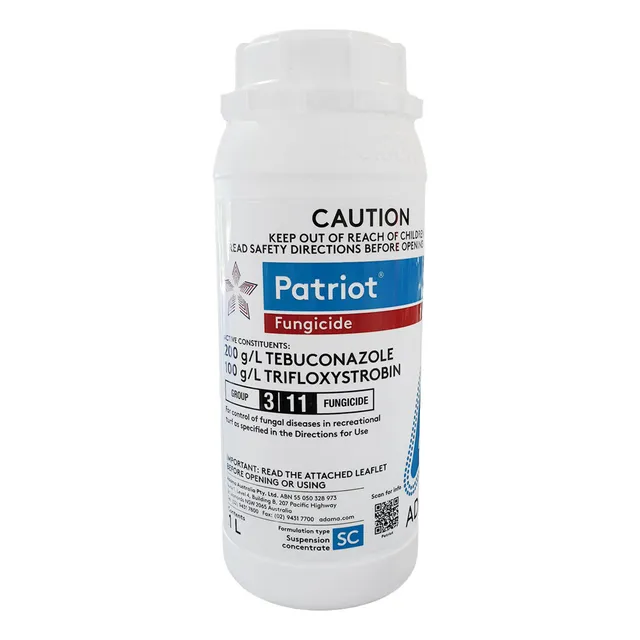
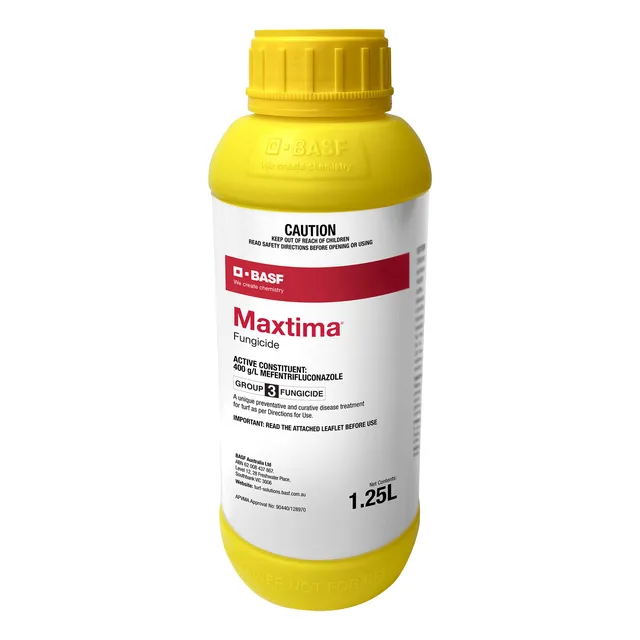
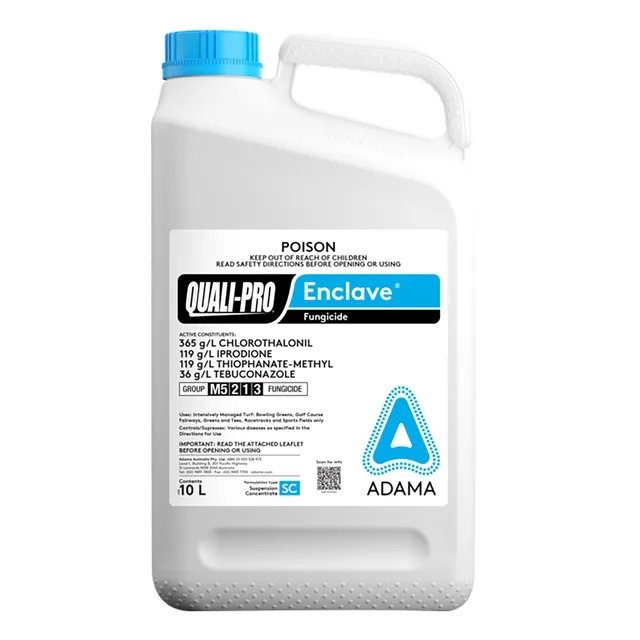
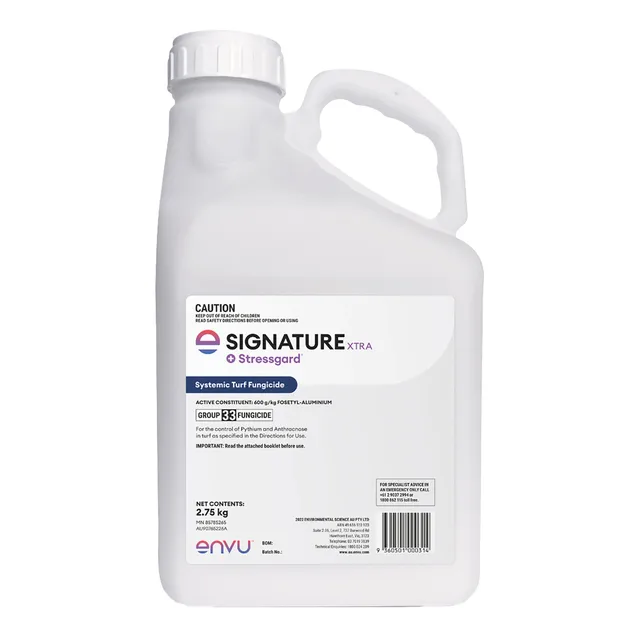
No products match those filters.