

Lawn Armyworm
Spodoptera mauritia
Lawn armyworm caterpillars feed at night on turf leaf blades, causing rapid, patchy thinning that can resemble drought or disease damage.
Lawn armyworm is the caterpillar (larval) stage of a night-flying moth. The adult moth has a wingspan of around 30-35 mm, with mottled grey-brown forewings and paler, whitish hindwings; it is rarely seen during the day as it rests low in turf or nearby vegetation. Moths are strong fliers and can move into an area in large numbers over a short period, often following warm, humid weather or storm fronts.
The larvae are the damaging stage. Newly hatched caterpillars are small, pale green and only a few millimetres long, but grow through several moults to reach 35-40 mm at maturity. Mature larvae are smooth-bodied, ranging from green to dark grey or nearly black, with fine pale stripes running the length of the body and a distinct darker stripe along each side. They curl tightly into a C-shape when disturbed. During the day larvae shelter at the base of the turf canopy, in thatch or just under the soil surface, emerging at night or on overcast days to feed on leaf blades.
Lawn armyworm is present across much of Australia but causes most damage in warmer months, from late spring through autumn, when conditions are warm and humid. Outbreaks are often sudden, following moth flights, and populations can build quickly because several generations can occur in a season in warmer regions.
Management relies on regular monitoring during the warmer months, especially after moth flight events, since damage can progress from minor to severe within days once larvae reach later instars. Maintaining turf health through appropriate mowing, irrigation and fertility helps lawns recover from light feeding pressure and tolerate some larval activity.
How to identify
- Leaf damage: Ragged, chewed leaf blades and irregular patches of turf that appear thin, off-colour or scalped, often first noticed as brown or bare patches that expand rapidly over a few days.
- Feeding pattern: Damage tends to appear or worsen overnight, since larvae feed mainly after dark and hide during the day.
- Bird activity: Increased feeding by birds (such as magpies or plovers) probing the turf surface can be an early indicator of larvae present below.
- Confirming presence: Part the turf canopy at the edge of a damaged patch, or check just below the thatch and soil surface, for curled, striped caterpillars. A simple field check is to drench a suspect area with a bucket of water mixed with a small amount of dishwashing detergent (a soap flush) — irritated larvae will surface within a few minutes.
- Lookalikes: Lawn armyworm can be confused with other turf caterpillars such as sod webworm or cutworm. Sod webworm larvae are generally smaller, spin silk tunnels in thatch and leave notched leaf edges rather than broad chewed patches. Cutworm larvae are typically solitary, thicker-bodied and sever grass stems near the soil surface rather than feeding openly on leaf blades. Confirming larval striping pattern and checking for the characteristic C-shape curl helps distinguish lawn armyworm from these lookalikes.
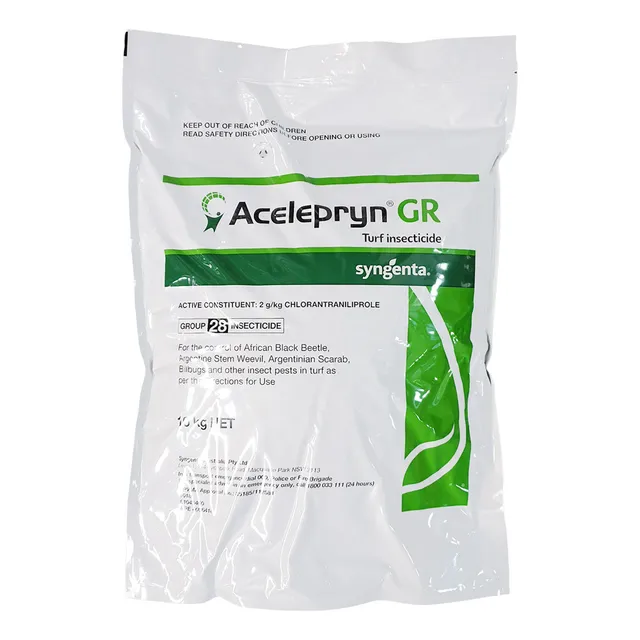
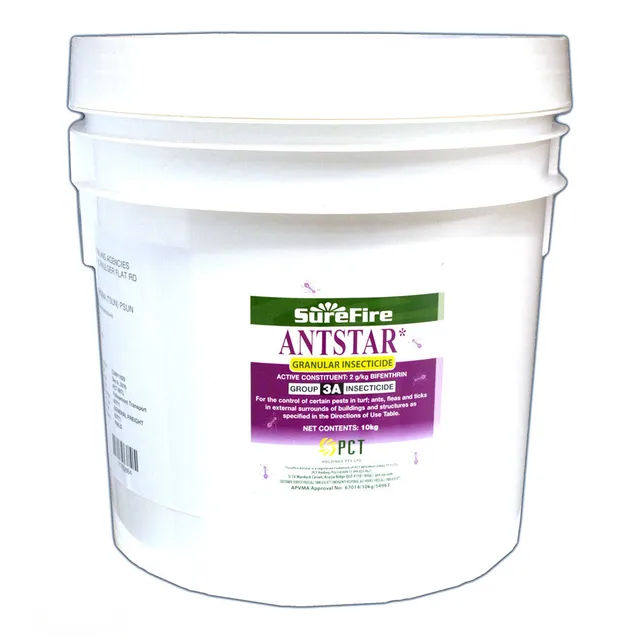
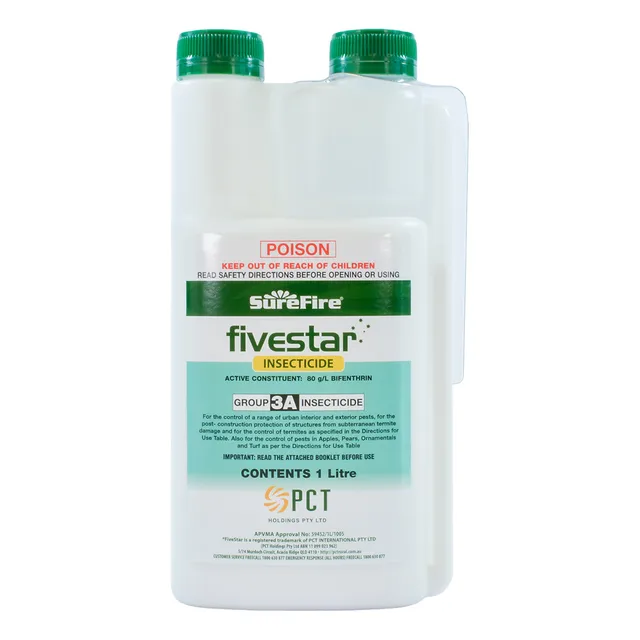
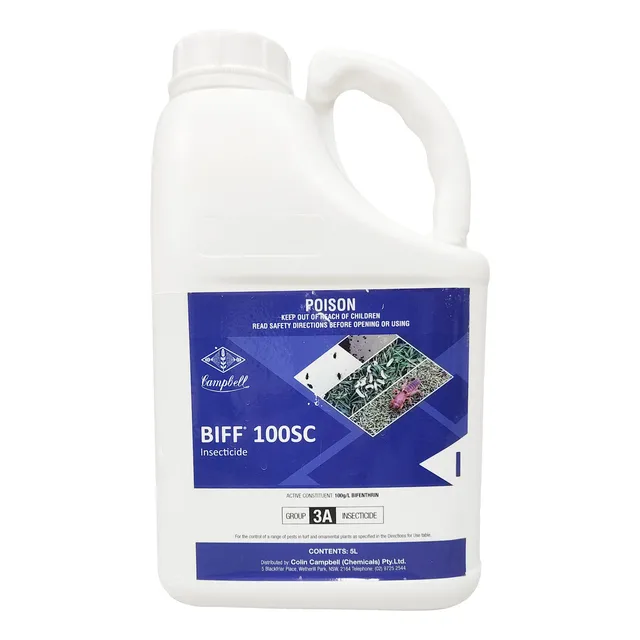
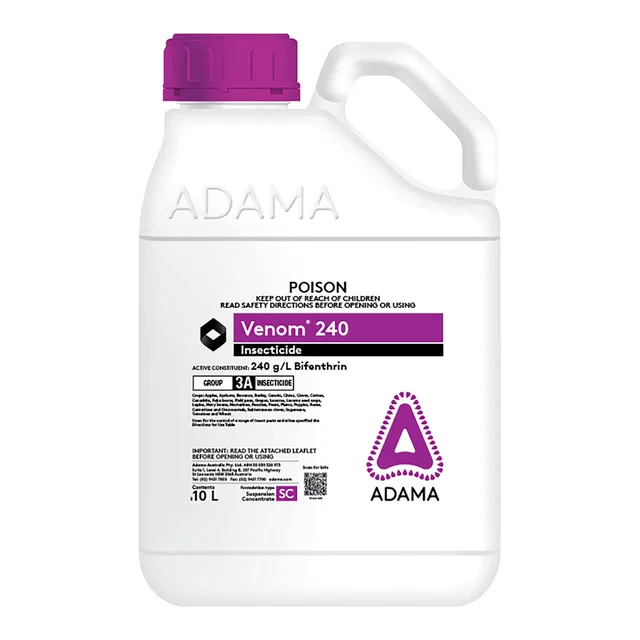
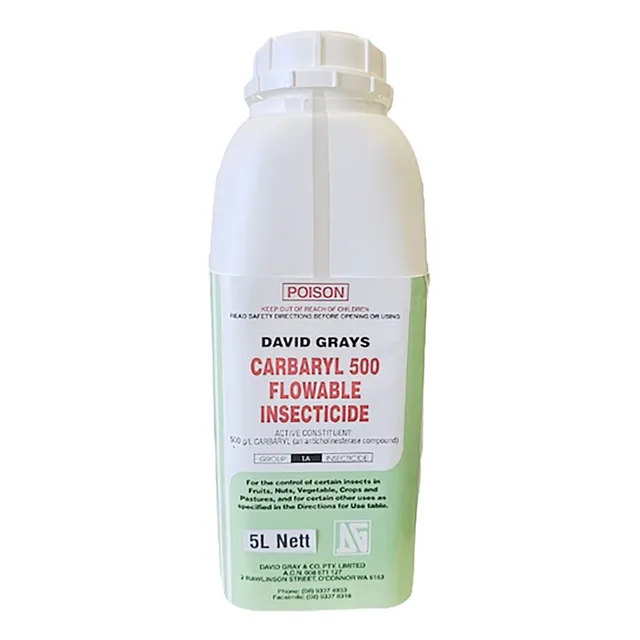
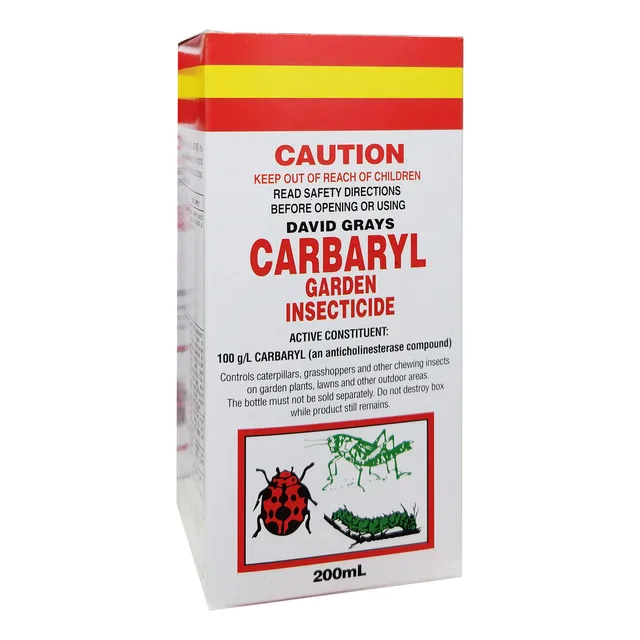
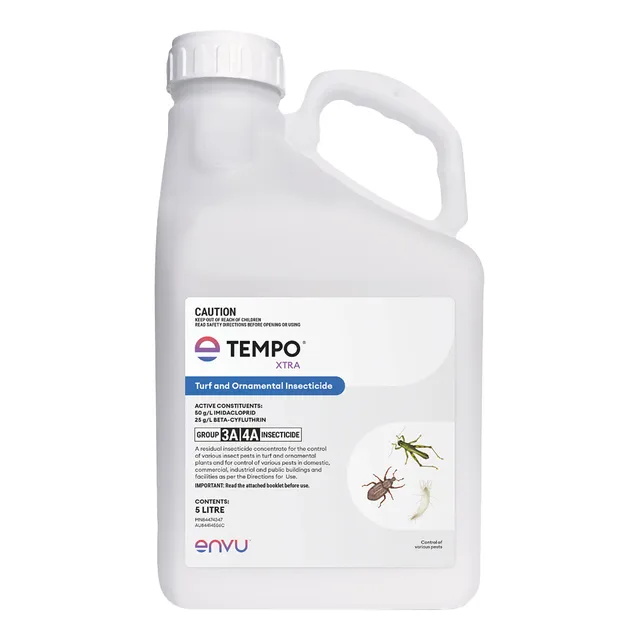
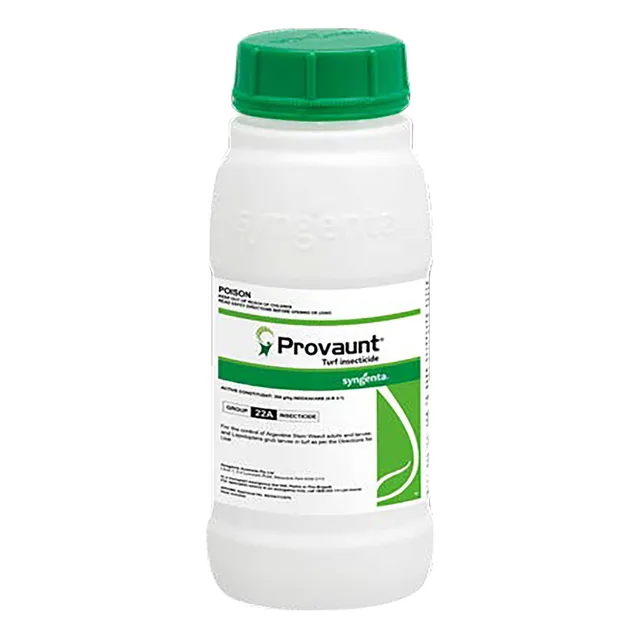
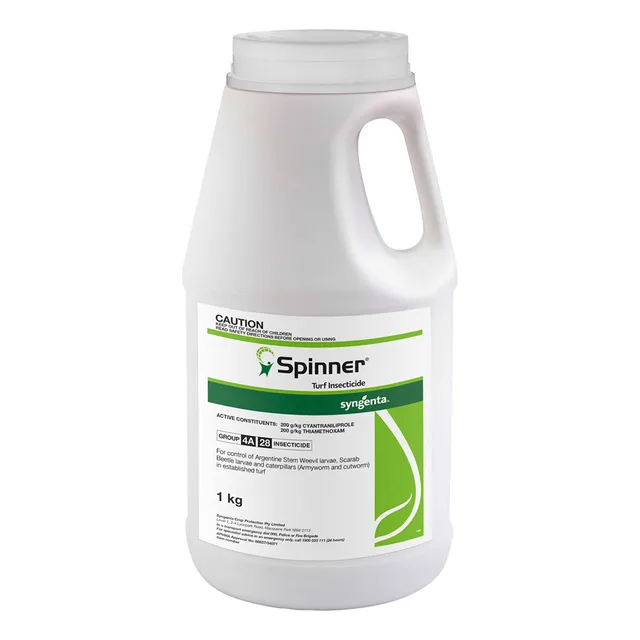
Registered products we stock


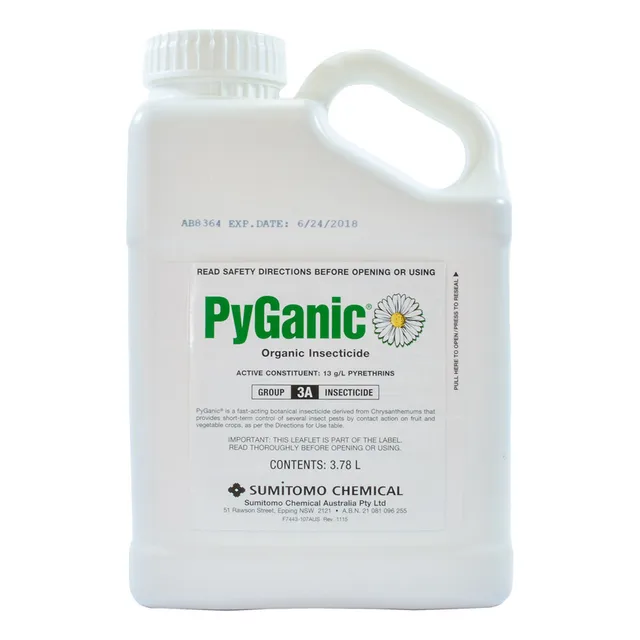
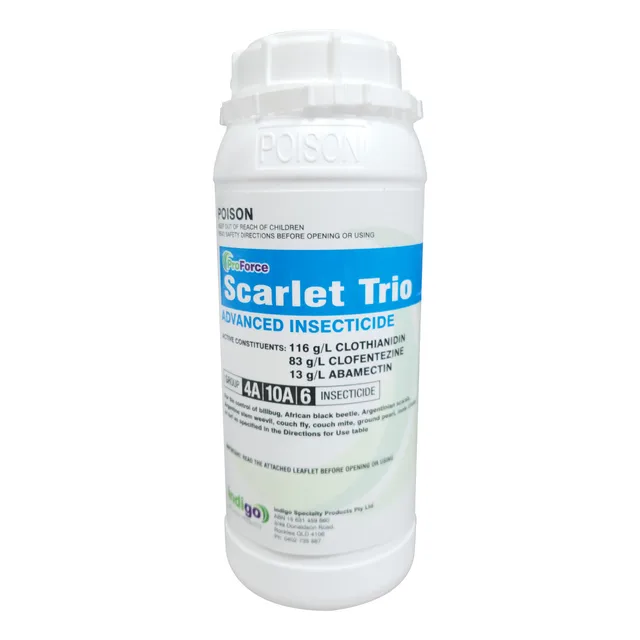
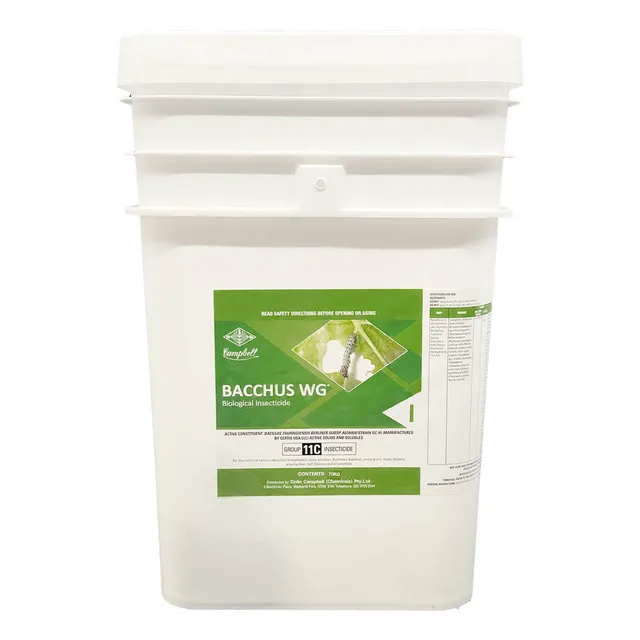
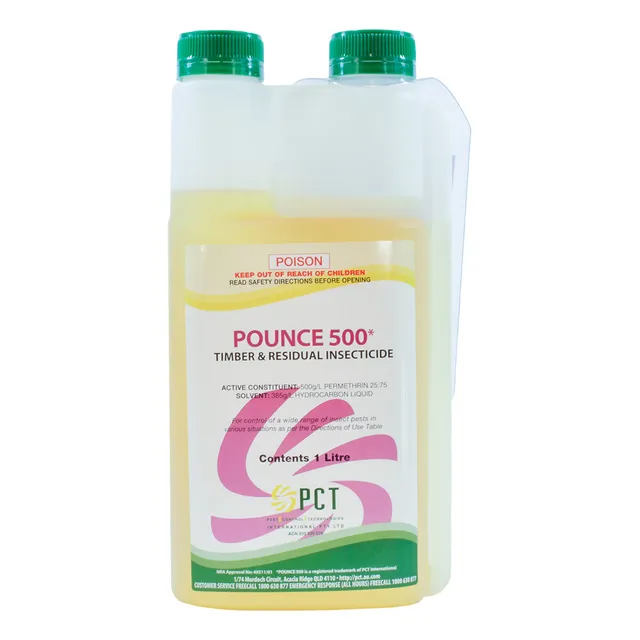
No products match those filters.