

Downy Mildew
Peronosporaceae
Downy mildew is a fungal-like disease causing yellow leaf patches and grey-purple fuzzy growth on leaf undersides in cool, wet conditions.
Downy mildew is not caused by a single species but by a family of related water moulds (oomycetes) in the family Peronosporaceae, including genera such as Peronospora, Bremia, Hyaloperonospora and Plasmopara. Each affects a specific range of host plants, so the organism found on lettuce, onion, grape or brassica crops is typically a different species, though all produce similar symptoms and disease cycles.
On infected leaves the pathogen appears as a fine, downy to fuzzy growth on the underside, ranging from white through grey to purplish-brown depending on the species and light conditions. This fuzzy layer is made up of sporangiophores and sporangia (spore-bearing structures) that emerge through leaf stomata overnight. Directly above this growth, on the upper leaf surface, angular yellow to pale green blotches develop, often bounded by leaf veins. Internally the pathogen grows as fine, thread-like mycelium through the plant tissue between cells.
Downy mildew is favoured by cool to mild temperatures combined with prolonged leaf wetness, high humidity, dew, overhead irrigation or extended rainy periods. Spores are spread short distances by wind and rain splash, and can also be carried on infected seed, transplants or plant debris. Disease develops fastest where plant canopies are dense and airflow is poor, and outbreaks in Australian horticulture are most common in cooler, wetter months in southern regions or during humid periods in warmer climates.
This disease group affects a wide range of horticultural and ornamental crops important to Australian growers, including alliums (onion, garlic), brassicas, cucurbits, grapevine, lettuce, peas, rhubarb, rose and various ornamentals. Because the causal organisms are obligate parasites (they require living plant tissue to survive), management relies heavily on cultural controls: improving airflow and drainage, avoiding overhead irrigation late in the day, removing infected plant material, using resistant varieties where available, and rotating away from susceptible hosts. Fungicide programs registered for the specific crop and pathogen are also used as part of an integrated approach, particularly where conditions favour repeated infection cycles.
How to identify
- Upper leaf surface: angular, yellow to pale green blotches often confined between leaf veins, which may enlarge and turn brown or necrotic as the disease progresses.
- Lower leaf surface: a fine, downy to fuzzy growth in white, grey or purplish-brown tones, corresponding directly beneath the yellow blotches above.
- General decline: affected leaves may curl, distort or collapse; heavily infected crops can show stunted growth, reduced yield and premature defoliation.
- Field check: pick a suspect leaf with a yellow blotch and examine the underside in good light, ideally with a hand lens, especially in the early morning when humidity is highest and the fuzzy sporulation is most visible. Sealing the leaf in a plastic bag overnight can also encourage the fuzzy growth to develop if it isn't immediately obvious.
- Lookalike – powdery mildew: powdery mildew produces a white, powdery (not downy) growth on the upper leaf surface as well as the underside, and is favoured by warm, dry conditions rather than the cool, wet conditions downy mildew prefers.
- Lookalike – nutrient deficiency or leaf scorch: these cause yellowing without any fuzzy growth on the leaf underside; checking for sporulation is the key distinguishing step.
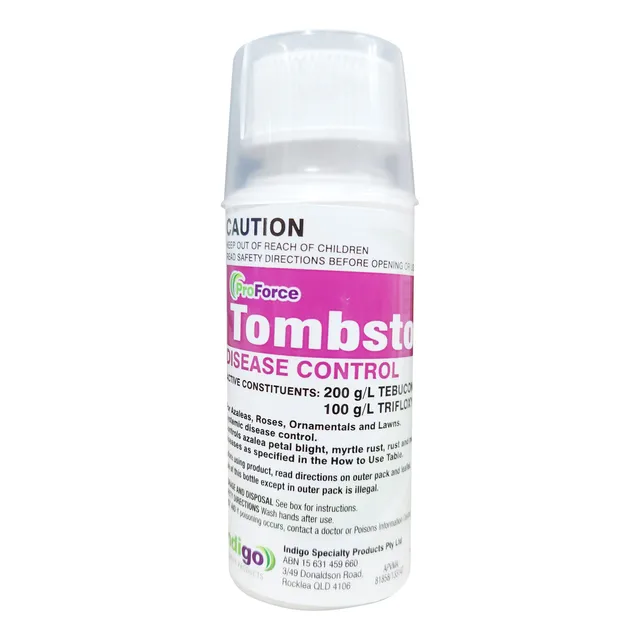
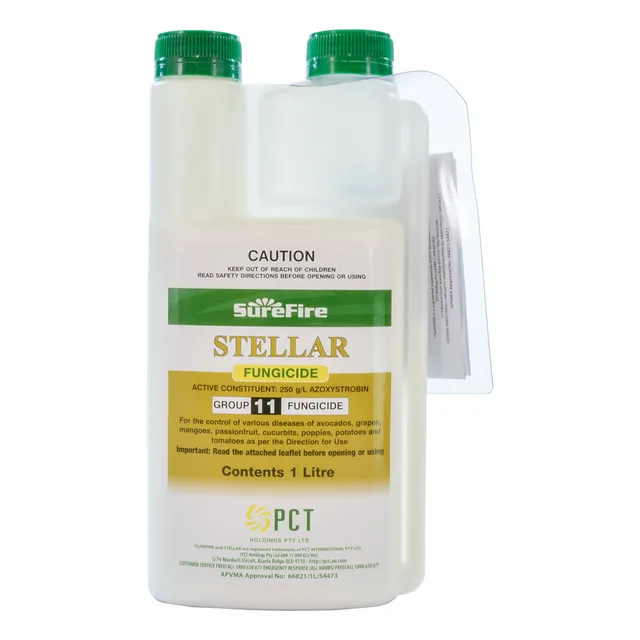
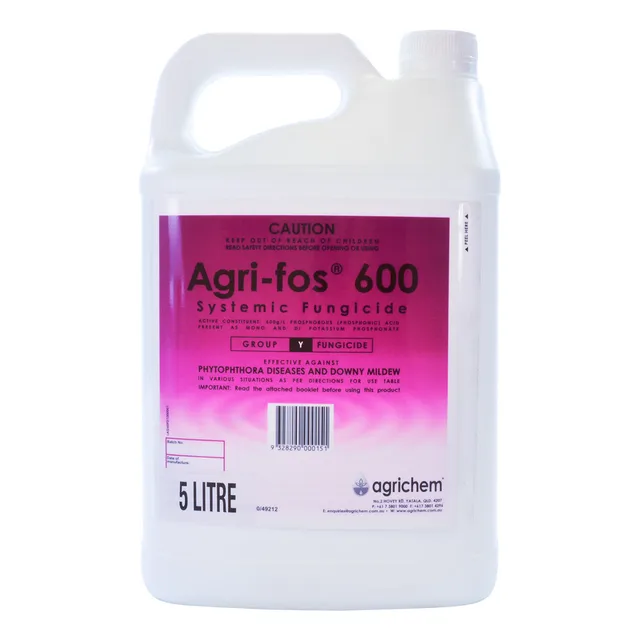
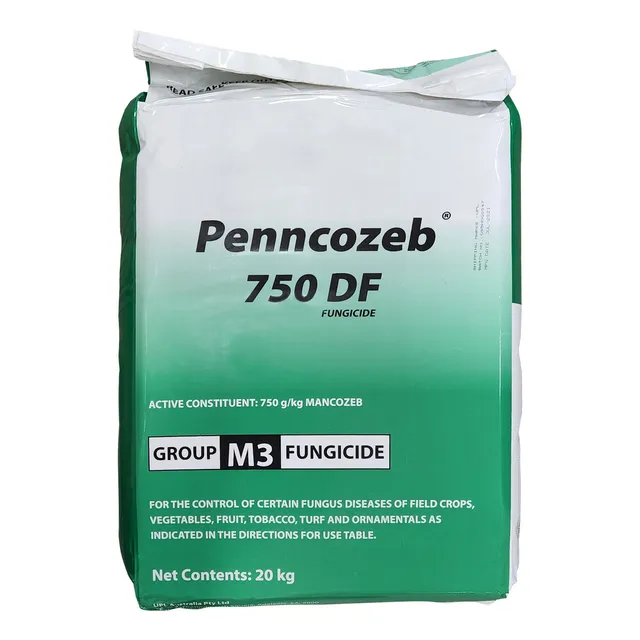
Registered products we stock
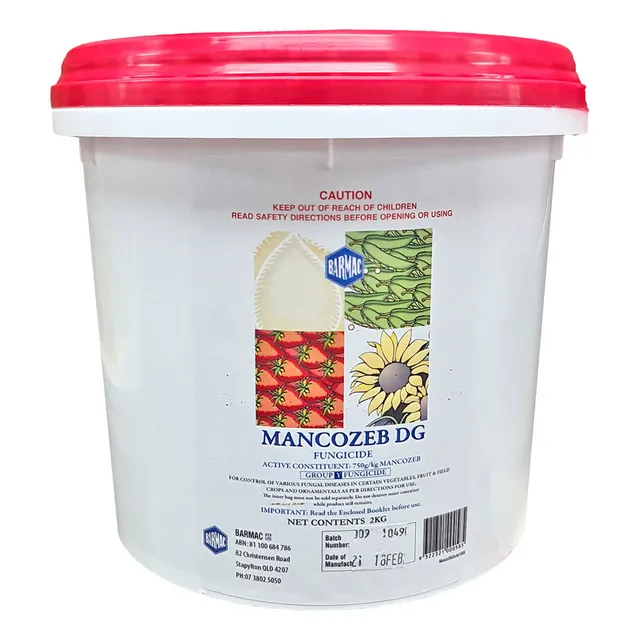
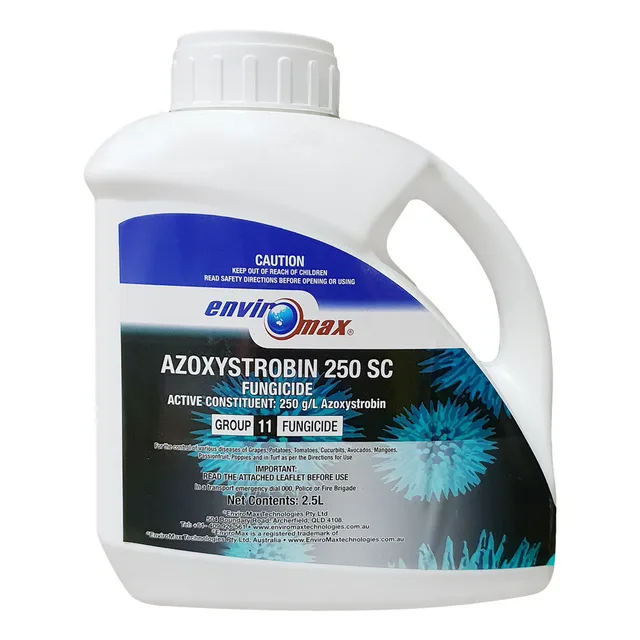
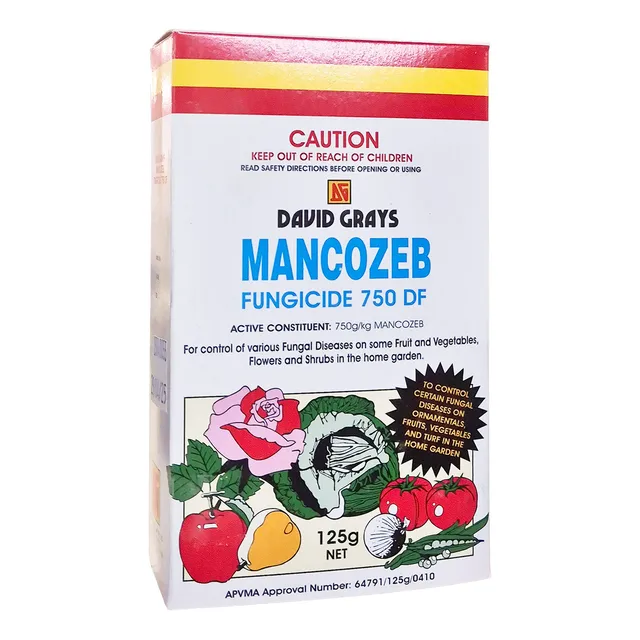
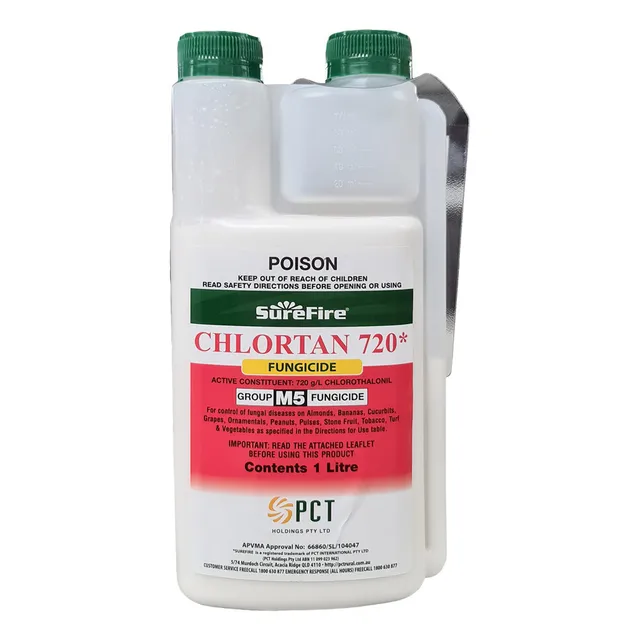
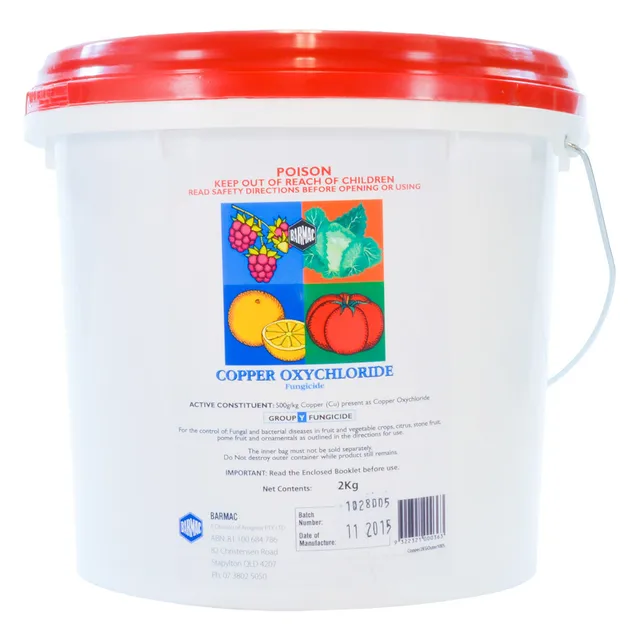
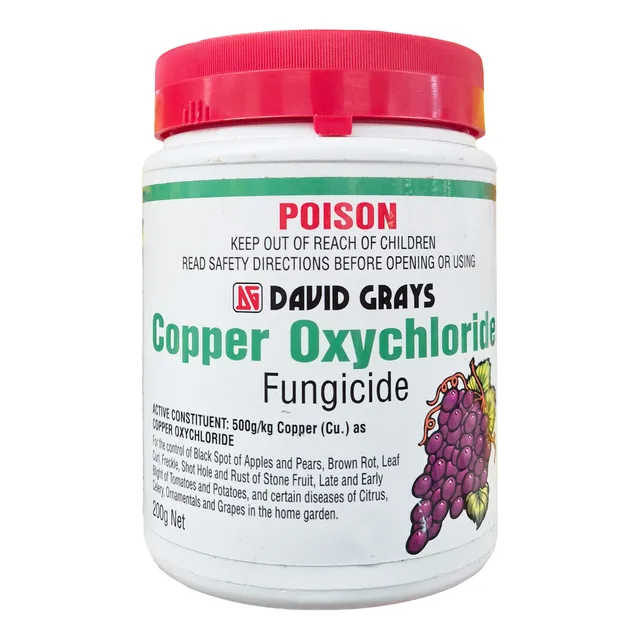
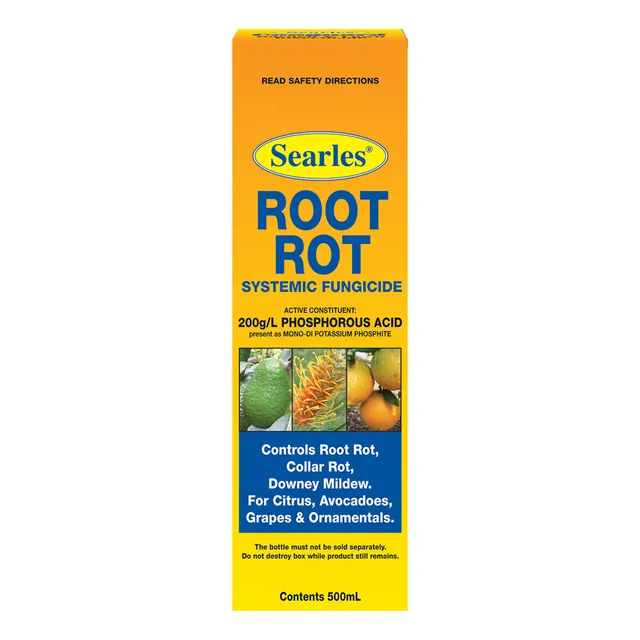
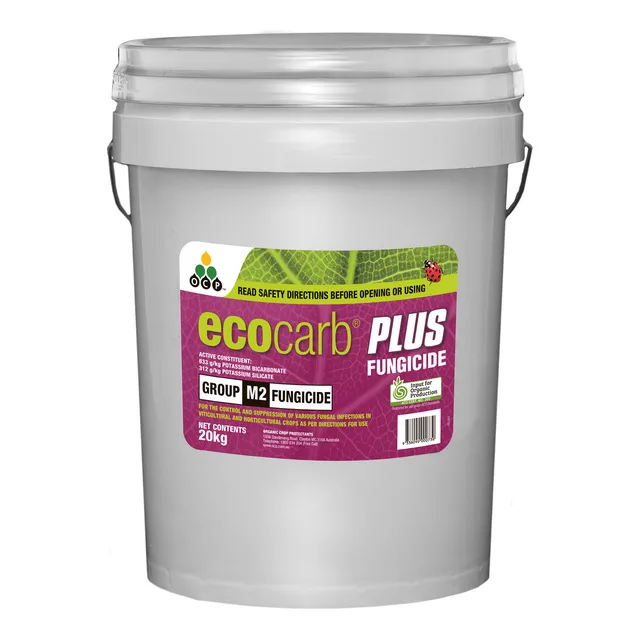
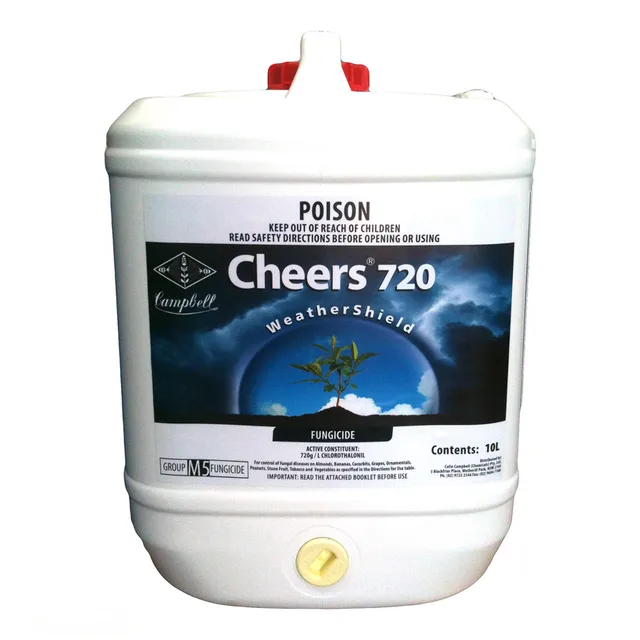
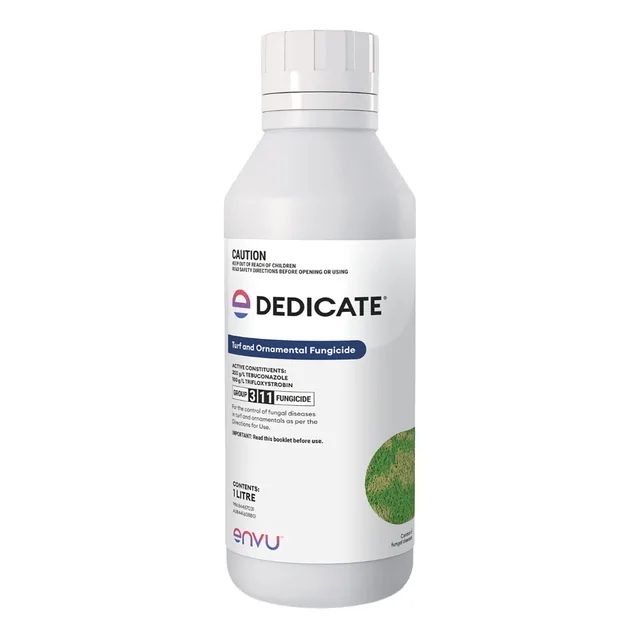
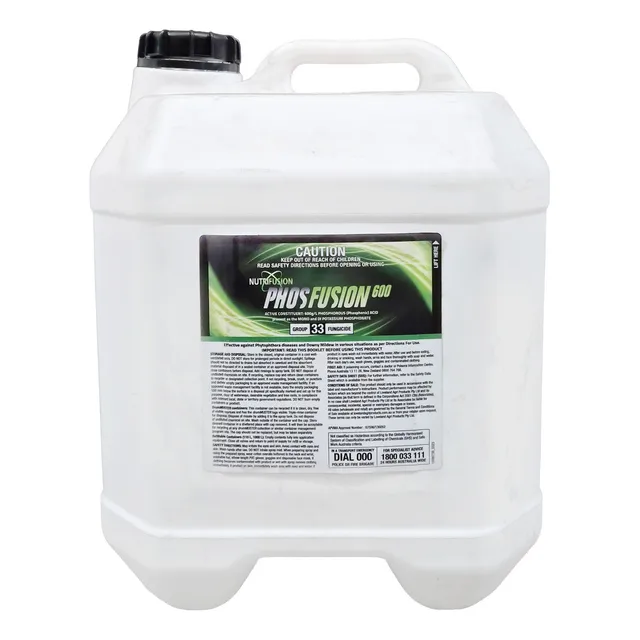
No products match those filters.