

Cutworms
Noctuidae
Cutworms are soil-dwelling moth caterpillars that sever seedling stems and chew turf at night, causing sudden collapse or bare patches.
Cutworms are the larval stage of several night-flying moths in the family Noctuidae, with Agrotis infusa (common cutworm) and Agrotis ipsilon (black cutworm) among the most frequently encountered species in Australian production nurseries, turf and landscape settings.
The adult moth is a stout, greyish-brown to dark brown insect with a wingspan of around 35–45 mm, mottled or streaked forewings, and a nocturnal habit; it is rarely seen by growers and does no direct plant damage. The damaging stage is the larva, a plump, hairless caterpillar that grows from a few millimetres up to 40–50 mm at maturity. Cutworm larvae are typically dull grey, brown or greenish, sometimes with faint longitudinal stripes, and have a smooth, greasy-looking skin. They curl tightly into a C-shape when disturbed. Larvae live in the top few centimetres of soil or thatch during the day and emerge at night to feed, which is why damage often appears with no visible culprit.
Cutworms occur throughout Australia and can be active in most seasons, but populations and damage typically build over warmer months, spring through autumn, when moth flights and egg-laying are highest. Moths lay eggs on low vegetation, weeds or bare soil, and the resulting larvae move to nearby seedlings, turf or ornamental plants to feed.
Management relies on monitoring for early signs of damage and larvae, removing weedy hosts and plant debris that support egg-laying, and maintaining clean cultivation practices between crops. In turf, reducing thatch and maintaining even irrigation can make conditions less favourable for larvae to shelter. Because larvae feed at night and hide by day, timing of any control activity to target active larvae improves effectiveness.
How to identify
- Seedlings and young plants: stems chewed through at or just below soil level, causing the plant to topple or wilt suddenly; entire seedlings may disappear overnight.
- Established plants: irregular notching or chewing on lower leaves and stems near ground level.
- Turf: irregular brown or dead patches, often first noticed as thinning or scalped-looking areas; grass blades may be clipped off close to the crown.
- Confirming the pest: dig into the soil or thatch a few centimetres around damaged plants, especially at night or early morning, to find grey-brown C-shaped caterpillars. A soap flush (a mild detergent solution poured over a damaged turf area) can bring larvae to the surface in minutes.
- Lookalikes: armyworm larvae cause similar turf and leaf damage but are usually seen feeding above ground in groups during the day or at dusk, whereas cutworms are solitary and stay hidden in soil by day. African black beetle larvae also damage turf roots but are C-shaped grubs with a distinct hardened head capsule and legs, found deeper in the soil profile rather than at the surface.
Registered products we stock
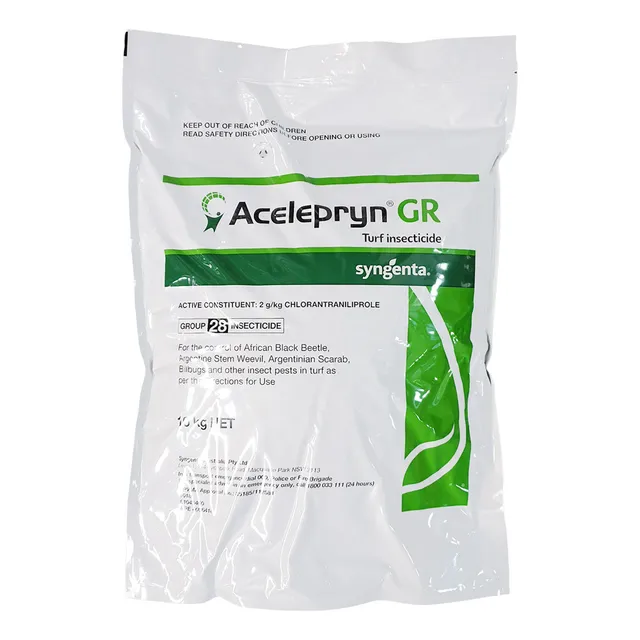
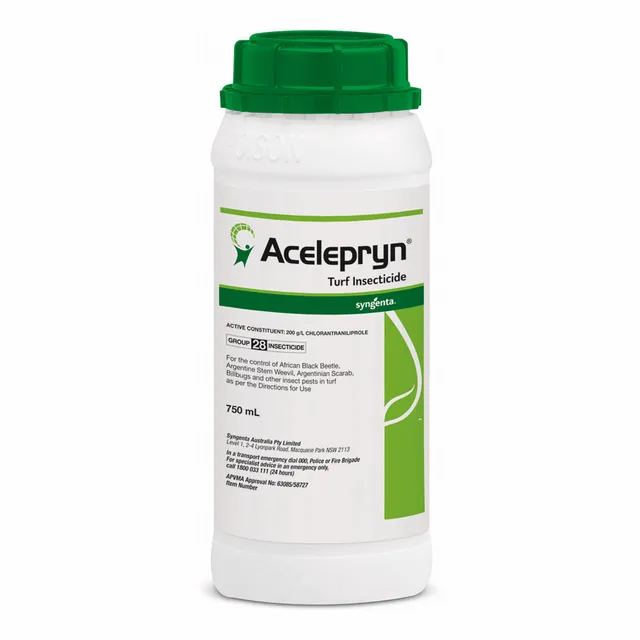
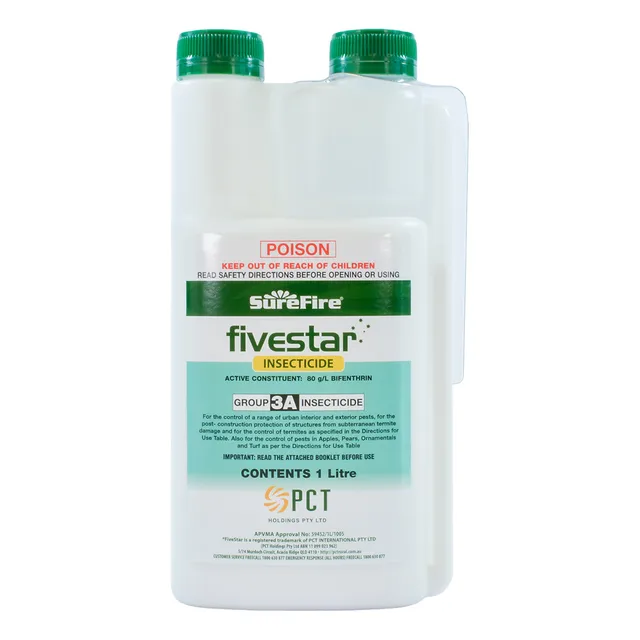
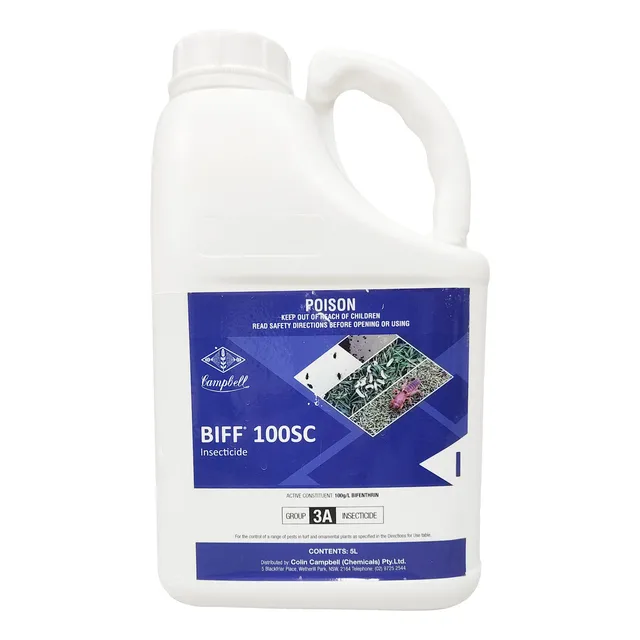
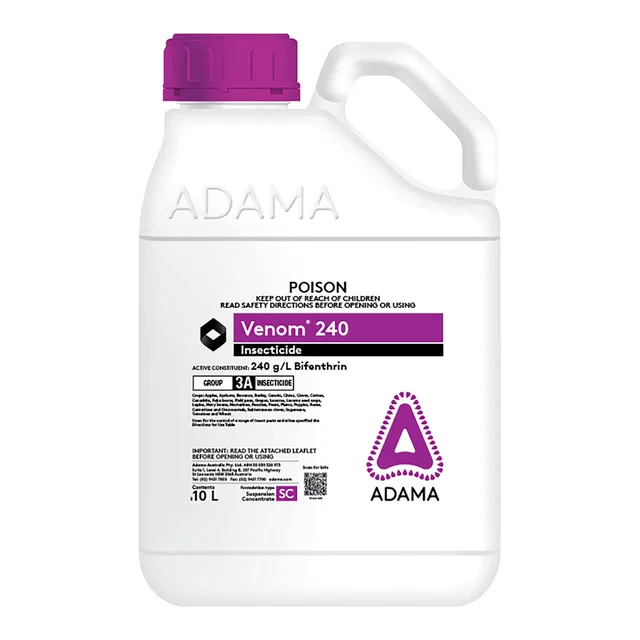
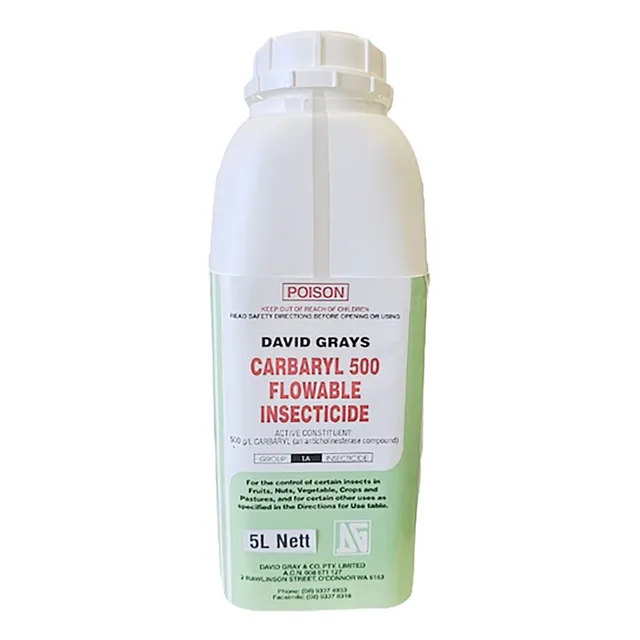
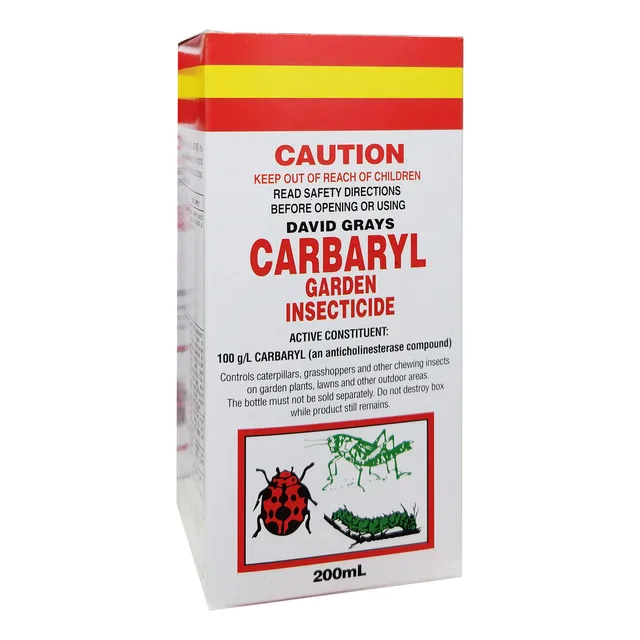
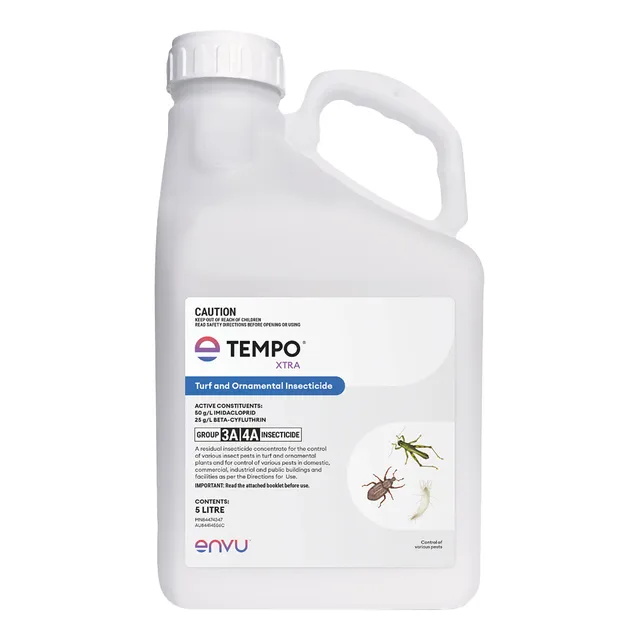
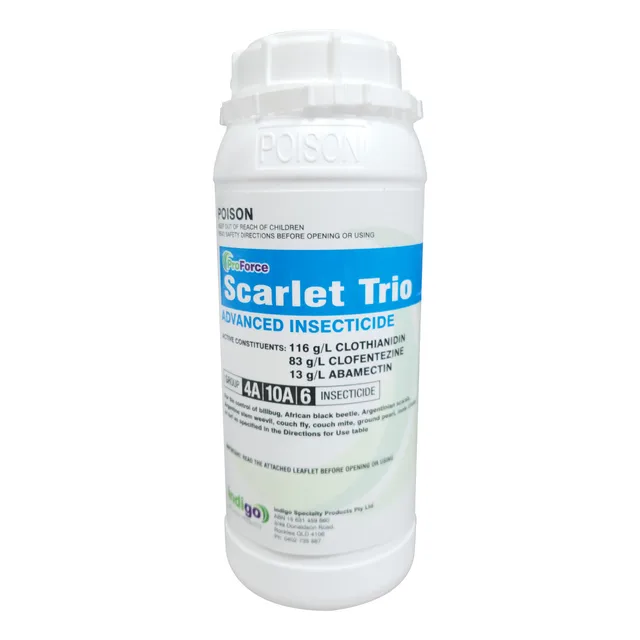
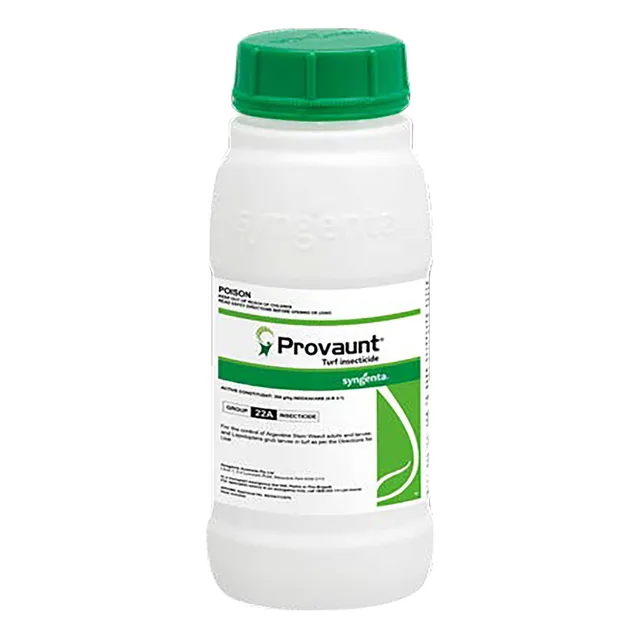

No products match those filters.