

Crowsfoot Grass
Eleusine indica
Crowsfoot grass is a summer annual grass weed that invades thin turf and garden beds, forming tough, flattened rosettes that compete strongly with desirable plants.
Crowsfoot grass, also known as goose grass, is a low-growing summer annual grass with a distinctive flattened, star-shaped growth habit radiating from a central crown. Leaves are flat, folded at the base, mid to dark green, and often somewhat glossy, with a compressed, whitish leaf sheath that helps distinguish it from other clumping grasses. The seed head is the most recognisable feature: two to several finger-like spikes (usually 2–7) radiate from the top of an upright stem, giving rise to the common name crowsfoot. Seeds are small, brown and produced in large numbers, allowing rapid spread once plants mature.
The root system is a fibrous, wiry mass that anchors the plant firmly, making mature specimens difficult to hand-pull, particularly in compacted soils where the species is often most competitive.
This weed germinates from seed in late spring through summer once soil temperatures warm, and it thrives in compacted, poorly drained or heavily trafficked soils. It is a common problem in turf, nursery production areas, garden beds and disturbed ground across most of Australia, particularly in warmer temperate, subtropical and tropical regions.
Crowsfoot grass is highly competitive with turf and ornamental plantings because of its rapid growth and prolific seed production. Management relies on maintaining dense, healthy turf or groundcover to reduce germination sites, improving soil compaction and drainage, and controlling plants before seed set to prevent the soil seedbank from building up. Repeated seasons of control are usually required given the large number of seeds produced per plant.
How to identify
- Flattened, star-shaped clumps of grass appearing in thin, bare or compacted areas of turf, garden beds or nursery beds during warmer months
- Finger-like seed heads (2–7 spikes) radiating from the top of upright stems, distinguishing it from many other grass weeds
- Whitish, compressed leaf sheath at the base of the plant, visible when the base of the clump is inspected
- Dense infestations that outcompete turf or seedlings for light, water and nutrients, leaving bare or thin patches once the annual weed dies back
Field check: Part the clump at the base and look for the flattened, silvery-white sheath and fibrous wiry roots; pull a mature plant to check for the distinctive finger-like seed head, which confirms identification.
Lookalikes: Crowsfoot grass is often confused with summer grass (Digitaria spp.), which has a similar clumping habit but rounder stems and seed heads with narrower, less finger-like spikes, and lacks the flattened, compressed leaf sheath typical of crowsfoot grass. It can also be mistaken for couch grass escapes, but couch spreads by stolons and rhizomes rather than forming a single upright, star-shaped clump.
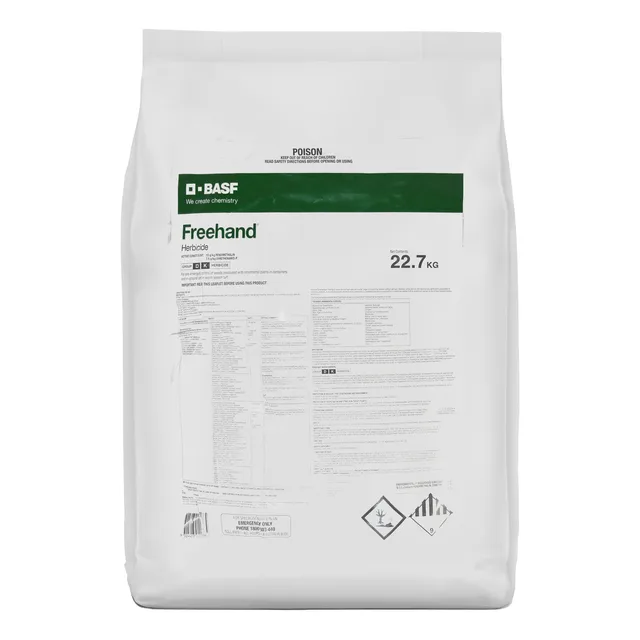
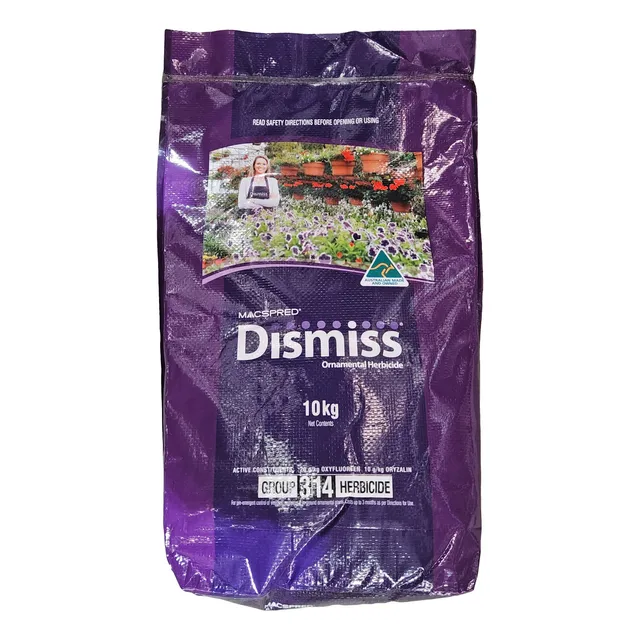
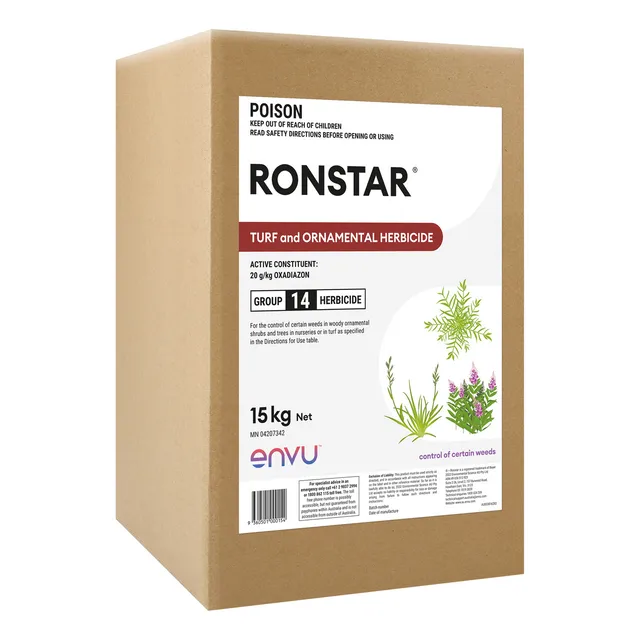
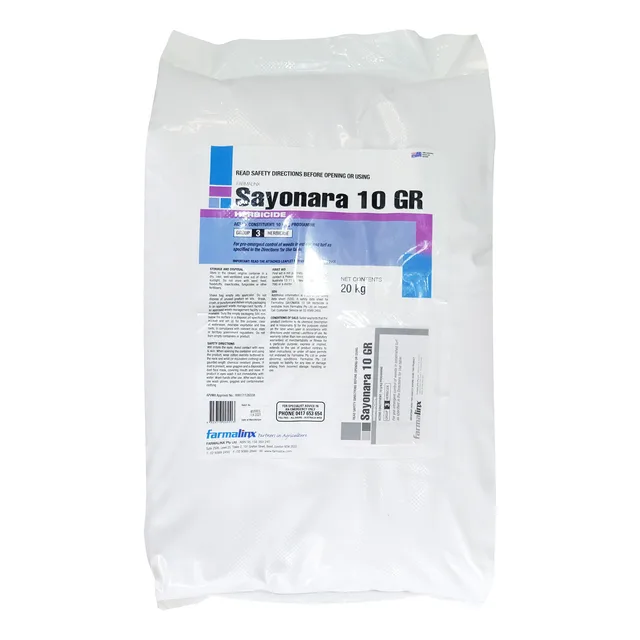
Registered products we stock









No products match those filters.