

Whiteflies
Aleyrodidae
Whiteflies are sap-sucking insects that cluster on leaf undersides, weakening plants and fouling foliage with sticky honeydew and sooty mould.
Whiteflies are small, soft-bodied insects related to aphids and scale, though the winged adults resemble tiny moths more than flies. Adults are 1–2 mm long with a pale yellow body covered in a white, powdery wax that coats two pairs of wings held roof-like over the body. Several species occur in Australian production settings, including greenhouse whitefly, silverleaf whitefly and sweetpotato whitefly, which differ slightly in wing shape and host preference but cause similar damage.
Immature stages are found on the underside of leaves and are far less mobile than adults. After hatching, a flat, oval, semi-transparent to pale green crawler (the first instar) settles and becomes a scale-like nymph that flattens against the leaf surface, losing legs and antennae function. These nymphs are 0.3–0.8 mm, translucent to yellowish, and moult through several stages before pupating into a slightly raised, oval case from which the winged adult emerges. Eggs are minute, spindle-shaped and laid in small groups or circular patterns on leaf undersides, often pale yellow turning grey before hatching.
Whiteflies are present across most of Australia, with populations building rapidly in warm, humid conditions typical of late spring through autumn, and persisting year-round in glasshouses and warm coastal regions. They feed on a very wide range of ornamental, vegetable and nursery crops, and several species are also known to transmit plant viruses.
Populations can increase quickly because of short generation times and high fecundity, and heavy infestations are difficult to manage once established. Effective management relies on regular monitoring of leaf undersides, use of yellow sticky traps to track adult activity, encouraging or introducing biological control agents such as parasitic wasps and predatory bugs, and avoiding conditions that favour rapid buildup, such as overcrowded, water-stressed or over-fertilised crops. Removing heavily infested foliage and controlling weed hosts around production areas also helps reduce carryover populations between crops.
How to identify
- Stippled or mottled leaves: feeding by nymphs and adults causes fine yellow speckling, general yellowing and, in severe cases, leaf curling or premature drop.
- Sticky honeydew and sooty mould: whiteflies excrete honeydew that coats leaves and fruit, attracting ants and supporting black sooty mould growth that reduces photosynthesis and marketability.
- Clouds of small white insects: disturbing infested foliage causes adults to fly up briefly before resettling on leaf undersides — a quick, reliable field check for an active infestation.
- Leaf-underside check: turn leaves over and look for flattened, scale-like nymphs and pupal cases, along with adults and pale, spindle-shaped eggs, usually concentrated on younger growth.
- Lookalikes: immature whiteflies can be confused with soft scale or mealybug nymphs; whitefly nymphs are flatter, more translucent and lack the waxy filaments typical of mealybugs. Adult whiteflies are sometimes mistaken for small moths, but they lack the scaled wings and characteristic resting posture of moths and will not fly far when disturbed.
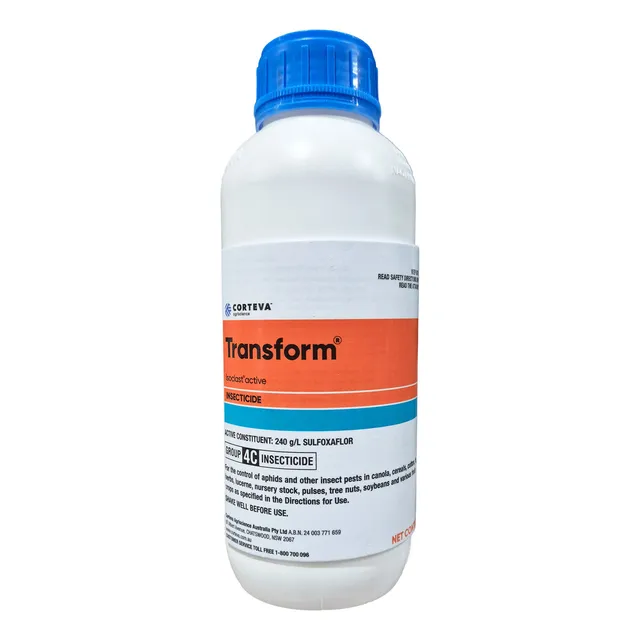
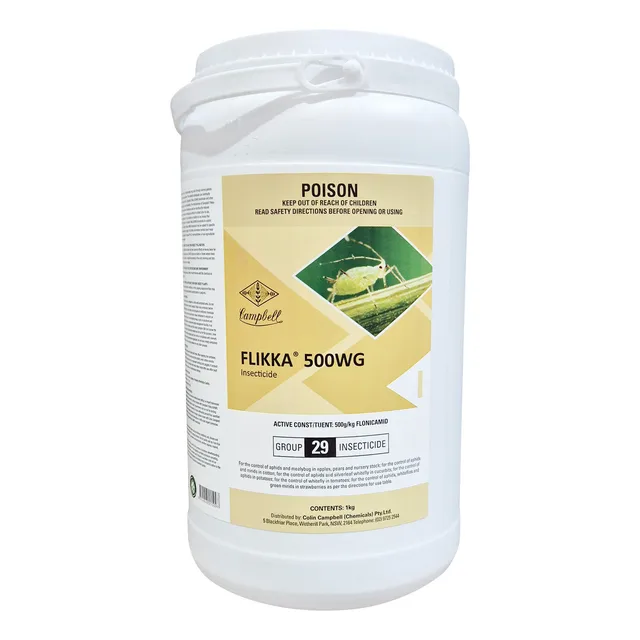
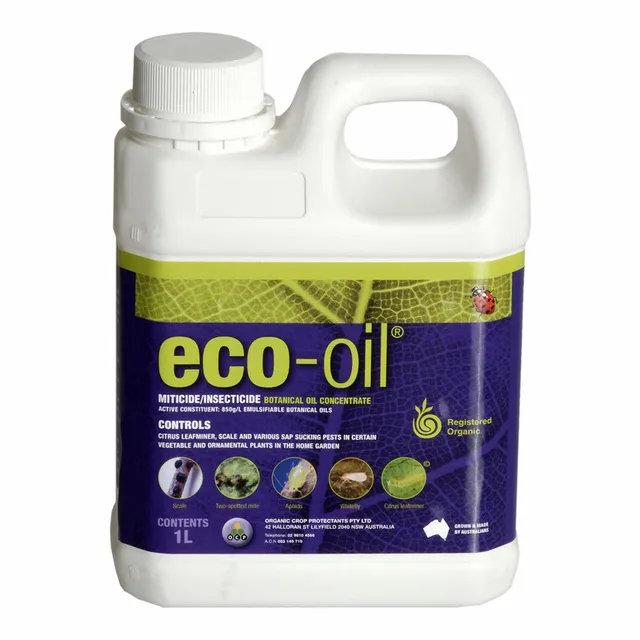
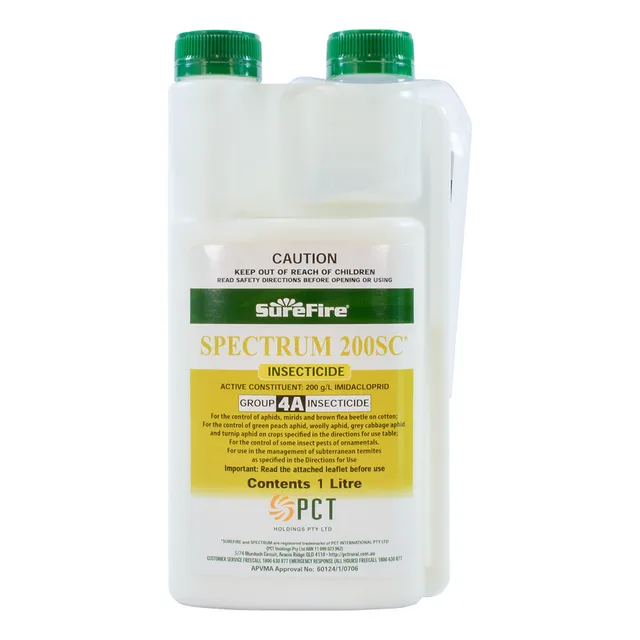
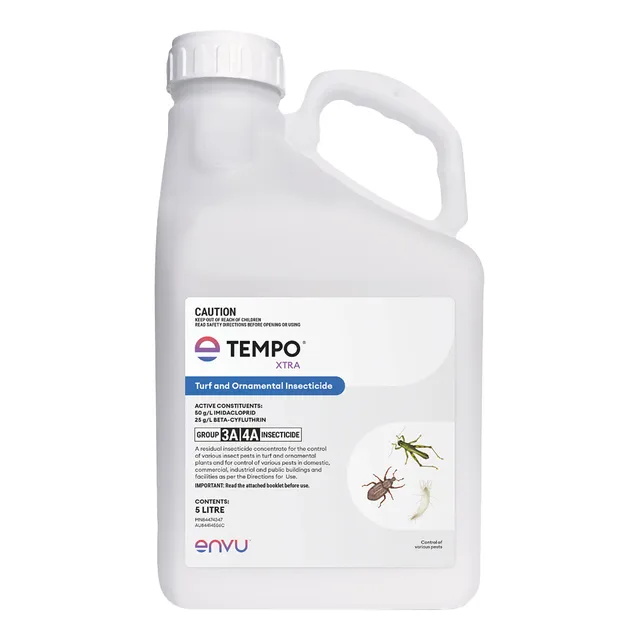
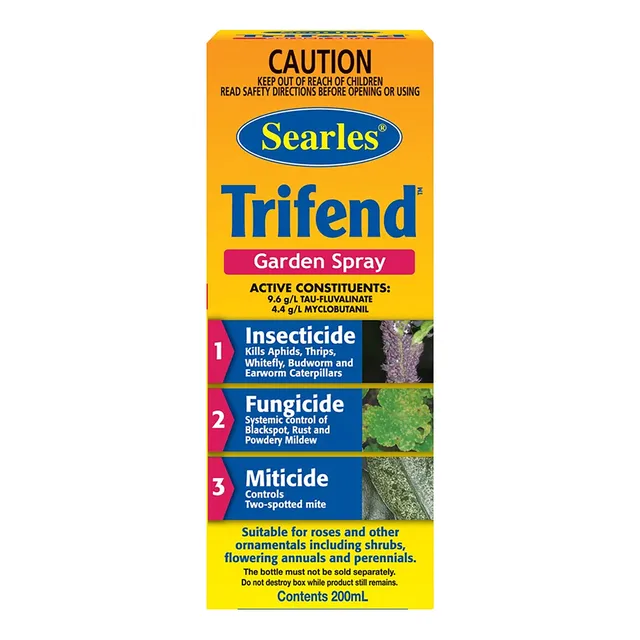
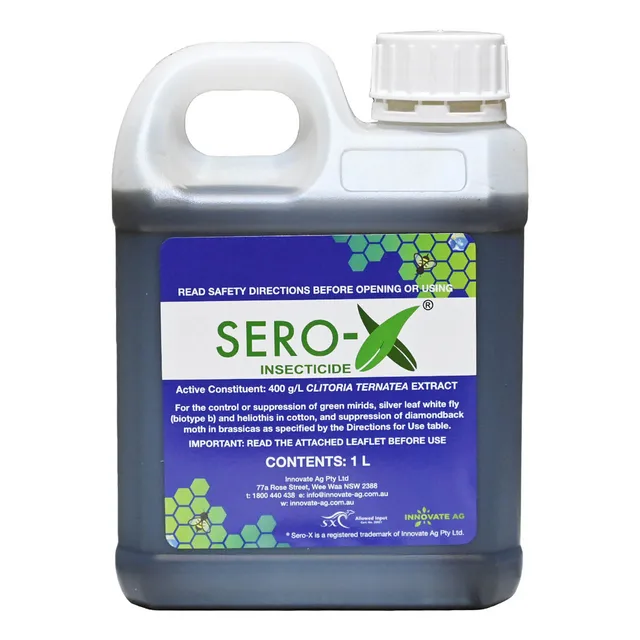
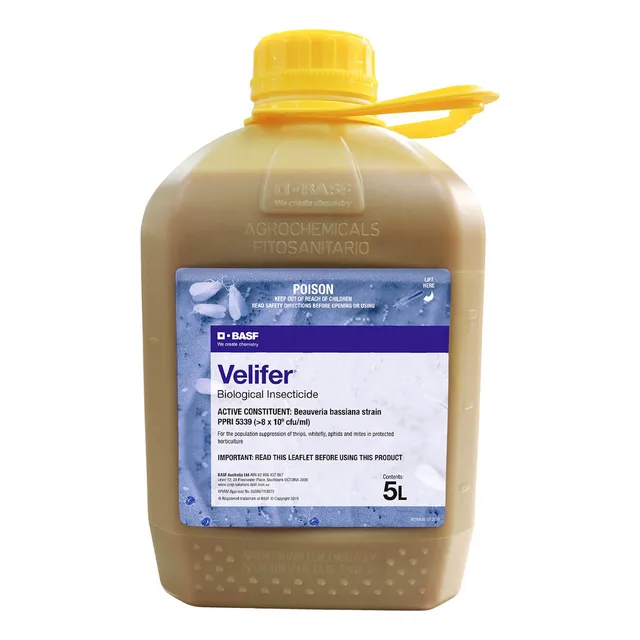
Registered products we stock
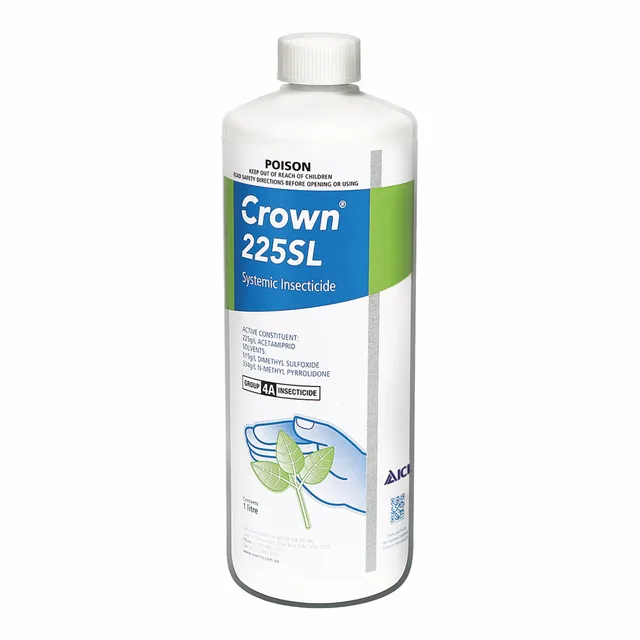
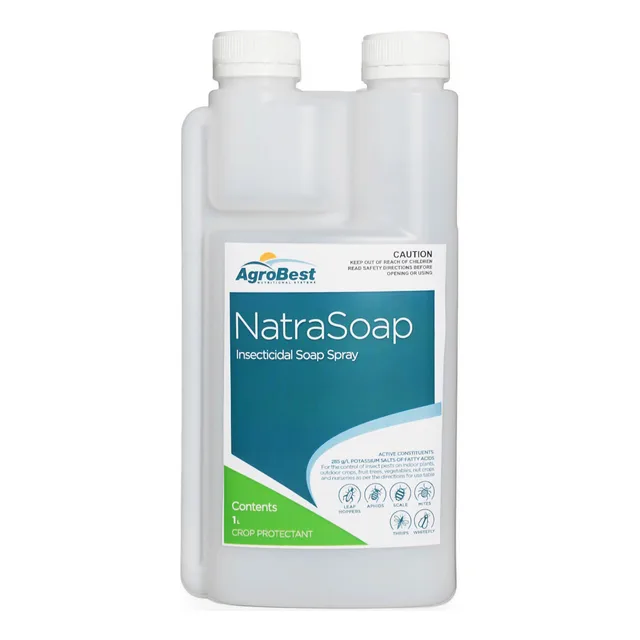
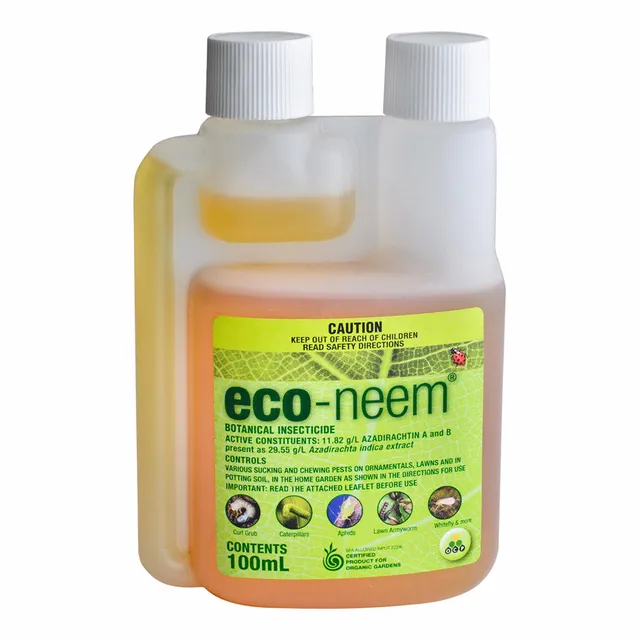
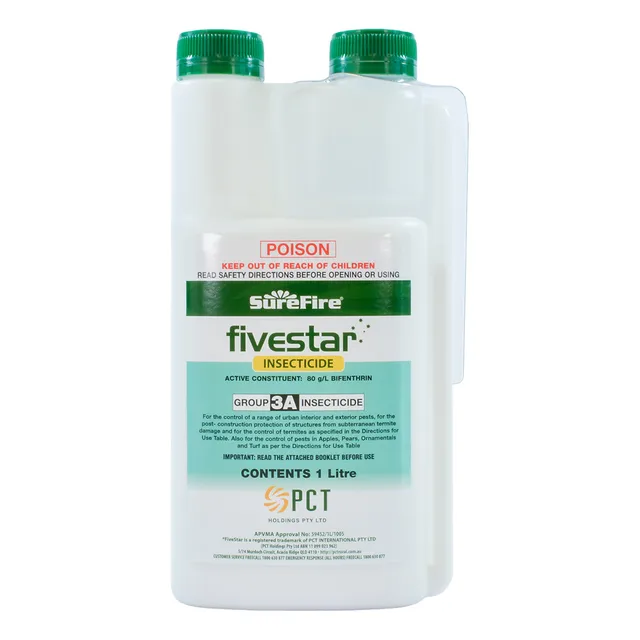
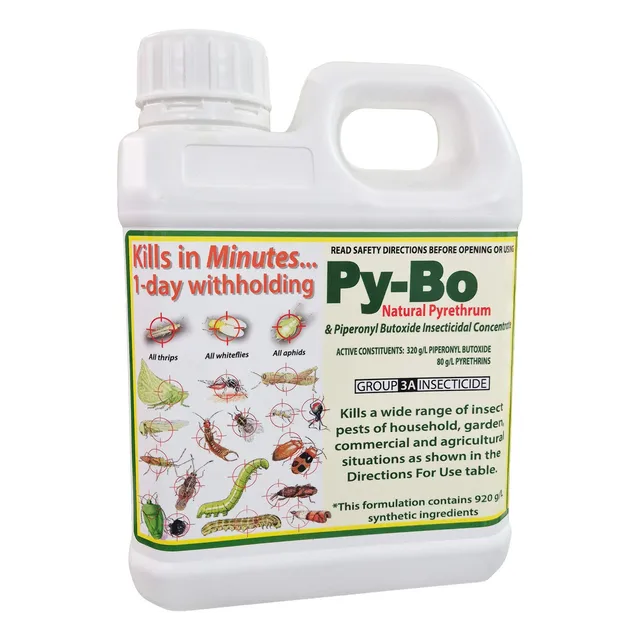
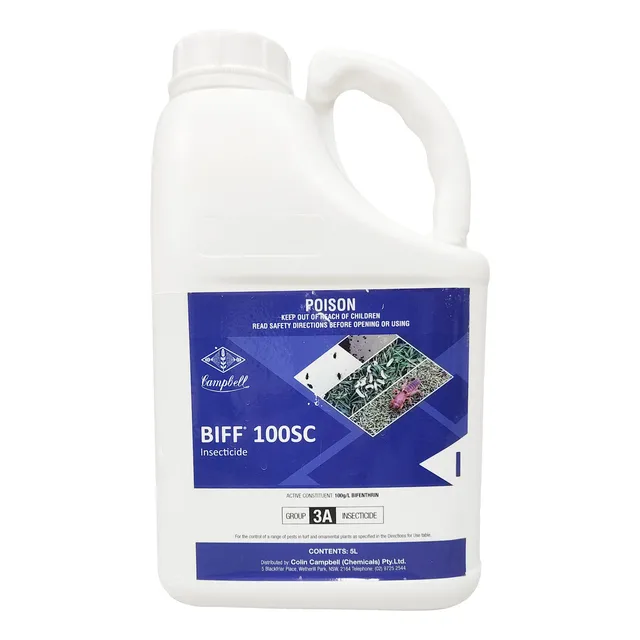
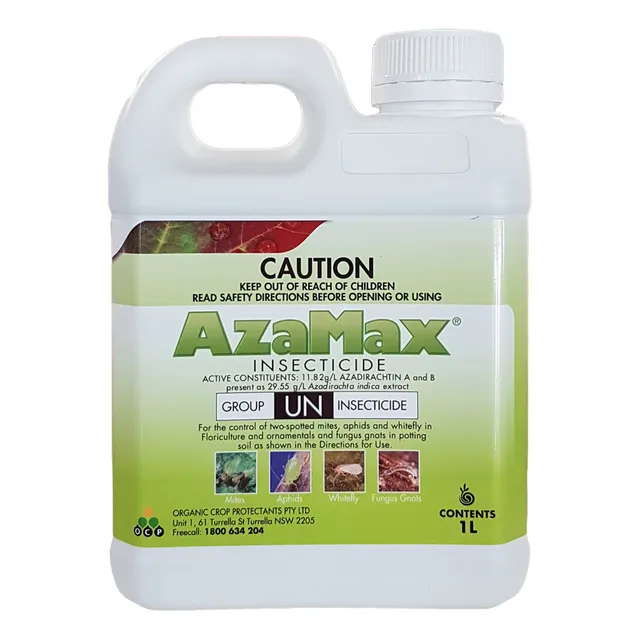
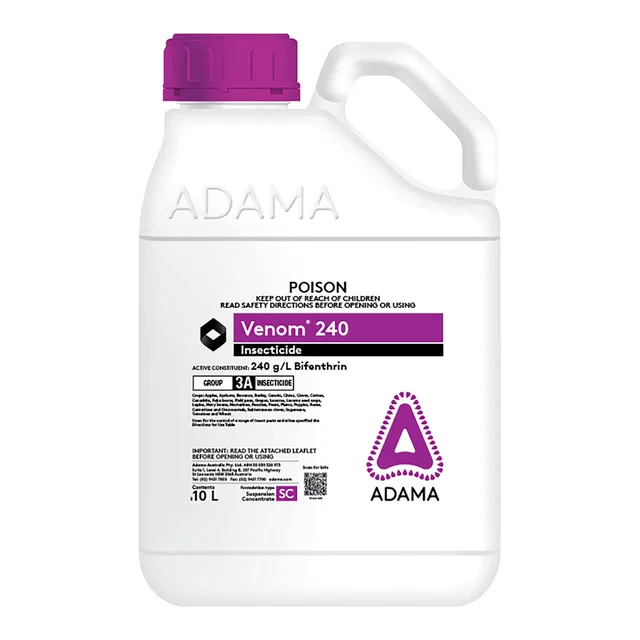
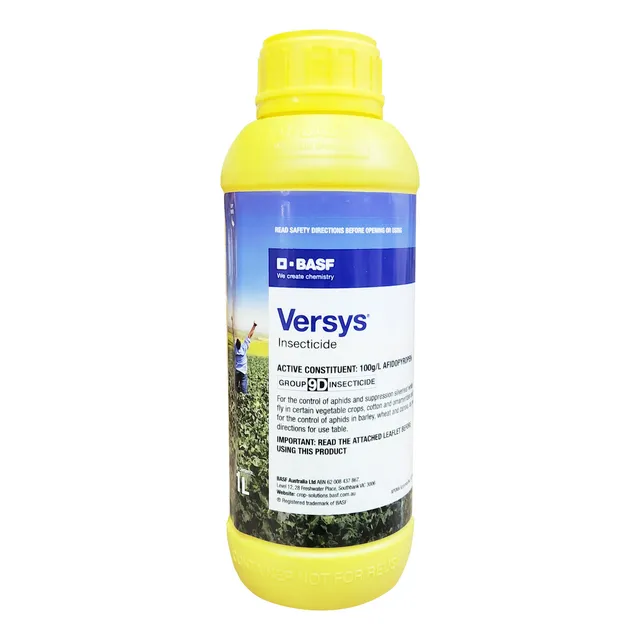
No products match those filters.