

Thrips
Thysanoptera
Thrips are tiny sap-sucking insects that scar leaves and flowers with silvery streaks and can spread plant viruses.
Thrips are minute, slender-bodied insects, most only 1-2 mm long as adults, ranging from pale yellow through brown to black depending on species. Adults have narrow fringed wings held flat over the body and are elongated and cigar-shaped when viewed from above. They move quickly when disturbed and often shelter deep in flowers, unopened buds, leaf axils or curled new growth. Juvenile stages (larvae/nymphs) are wingless, pale cream to yellow, and similarly slender but smaller, feeding alongside adults on the same tender tissue before dropping to the soil or leaf litter to pupate.
Thysanoptera is a large insect order and Australia hosts many species affecting ornamentals, turf, fruit, vegetables and nursery stock, including western flower thrips, onion thrips, plague thrips, greenhouse thrips and citrus thrips. Different species favour different hosts and plant parts, but all feed by rasping the plant surface and sucking up the released sap.
Thrips are active year-round in warmer regions and become most prolific in spring and summer when conditions are warm and dry. Populations build rapidly on new flush growth, in flowers and in protected cropping or nursery environments where wind and rain do not knock numbers back. Many species also move in from surrounding pasture, weeds or crops when those dry off or are cut, so activity can spike after mowing or harvest nearby.
Management relies on regular monitoring of susceptible growth stages, removing spent flowers and weedy hosts, encouraging predatory mites, lacewings and pirate bugs, and maintaining even plant vigour since stressed, water-affected growth is more attractive to feeding. Some thrips species also vector plant viruses such as tomato spotted wilt virus, making early detection important in nursery and vegetable production.
How to identify
- Silvering or bronzing: Leaf surfaces show fine silvery, papery patches or streaks where cell contents have been removed, often with tiny black flecks of excreta scattered across the damaged area.
- Distorted growth: Feeding on young leaves, buds and flowers can cause leaf curling, puckering, stunted shoots or malformed, streaked flowers that fail to open properly.
- Scarring on fruit and pods: Some species leave discoloured rings, scabby patches or a rough, scarred skin on fruit and pods.
- Turf symptoms: On turf, heavy feeding can cause a silvery or whitish sheen and fine stippling across leaf blades, sometimes mistaken for drought or mite stress.
- Field check: Tap or shake suspect flowers, buds or foliage over a sheet of white paper or a dark surface; thrips will fall out and can be seen as tiny moving specks, often with fine black droppings left behind. A hand lens helps confirm the slender, fringed-wing body shape.
- Lookalikes: Mite damage produces similar stippling but mites are slower-moving, often web fine silk, and are confirmed by a leaf-tap test showing eight-legged specks rather than thrips' six-legged, elongated bodies. Fine spray drift or nutrient stress can also cause silvering but will not reveal any insects on inspection.
Registered products we stock
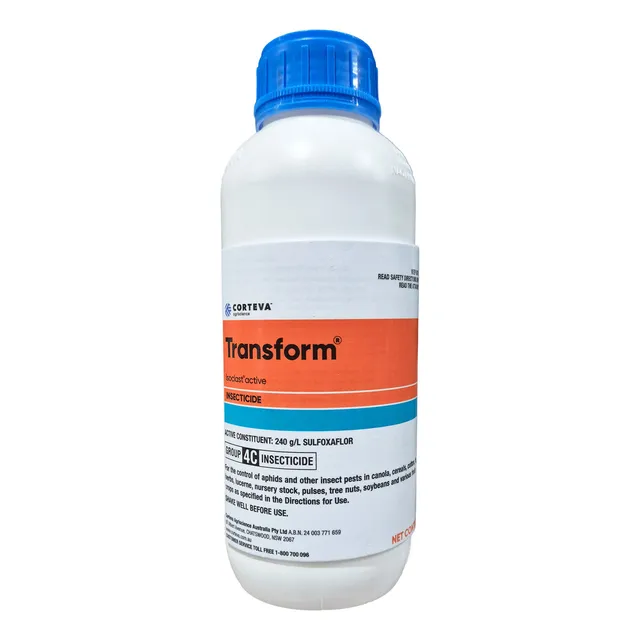
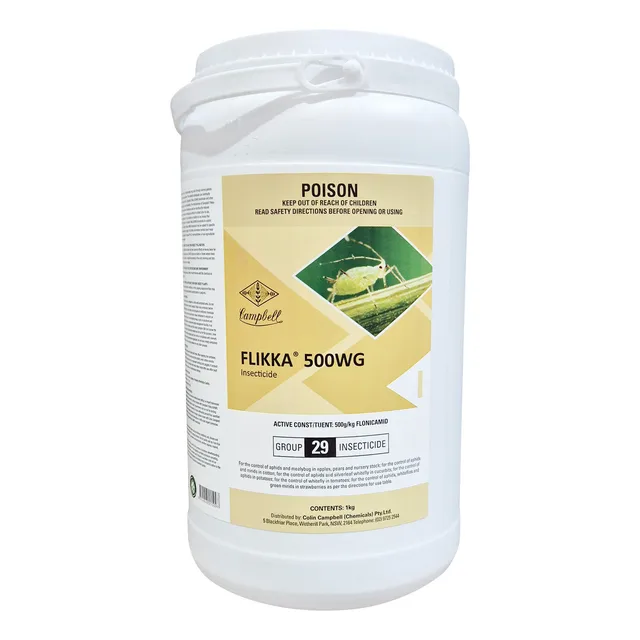
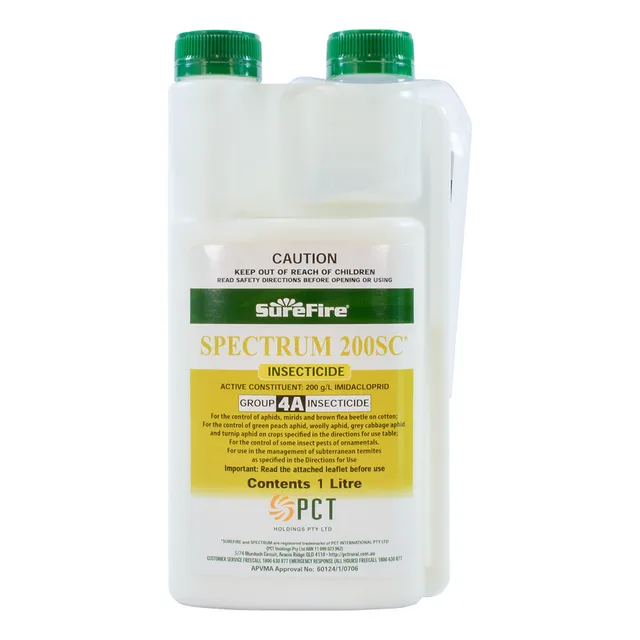
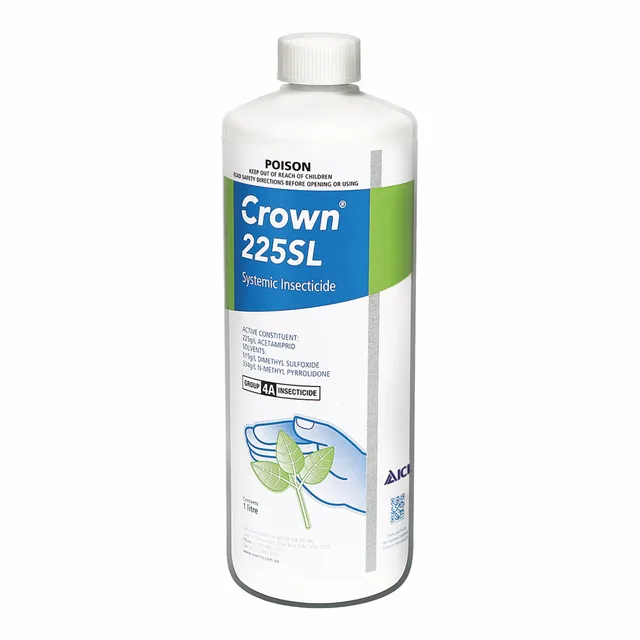

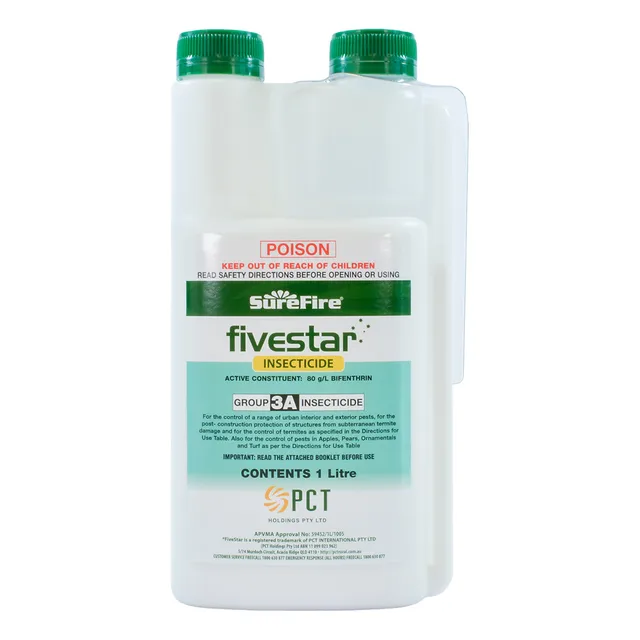
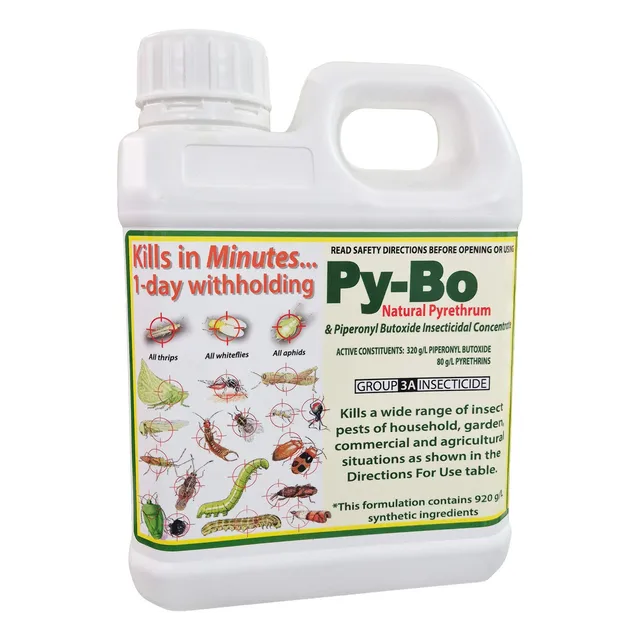
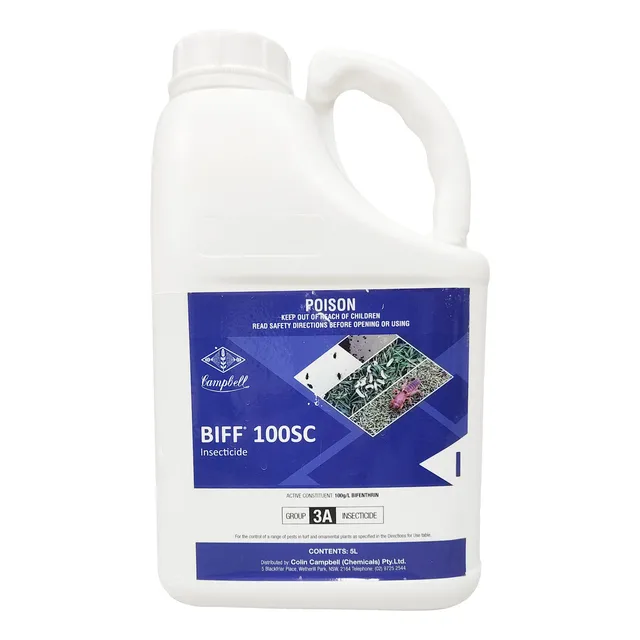
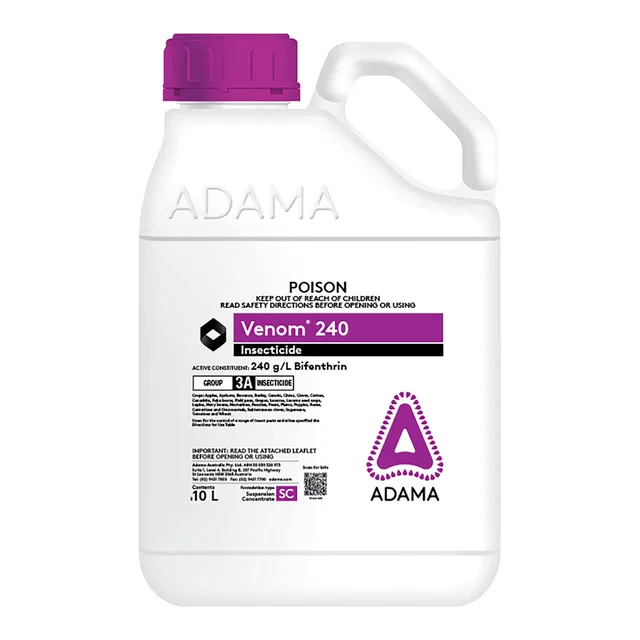
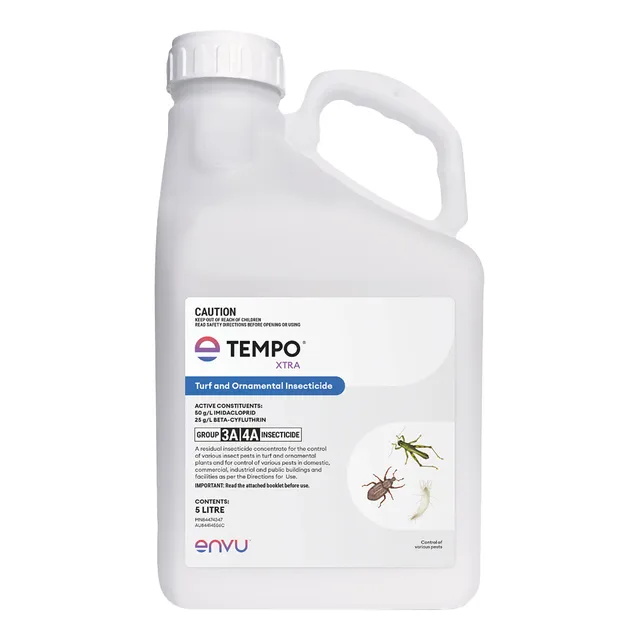
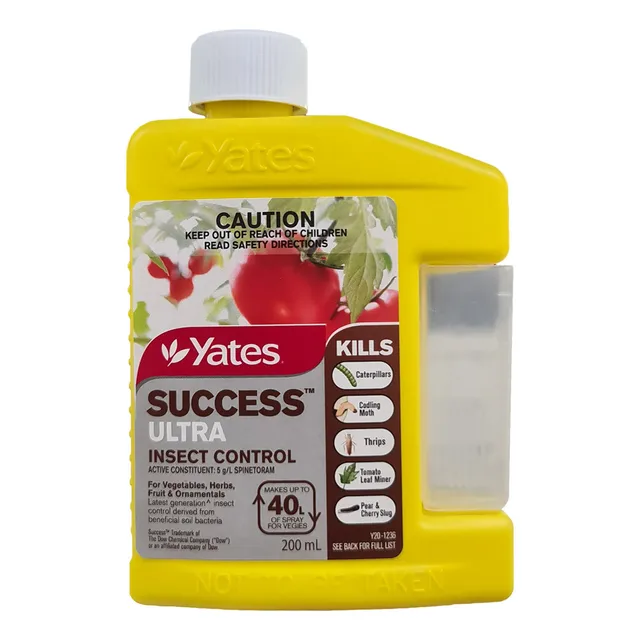
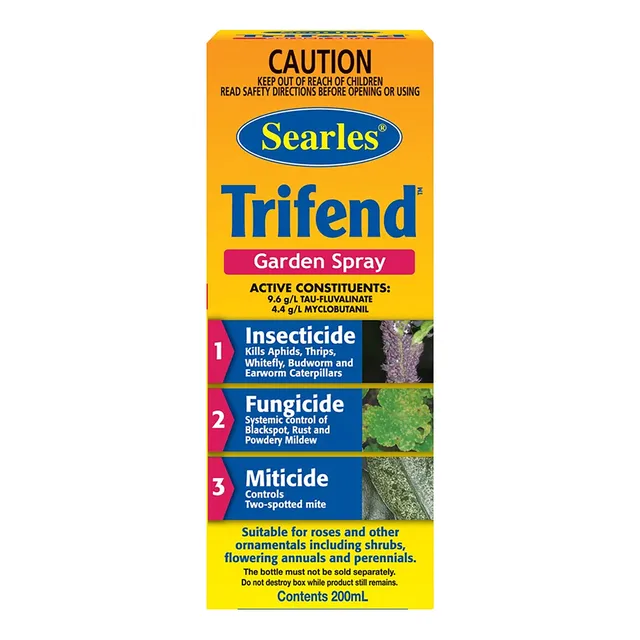
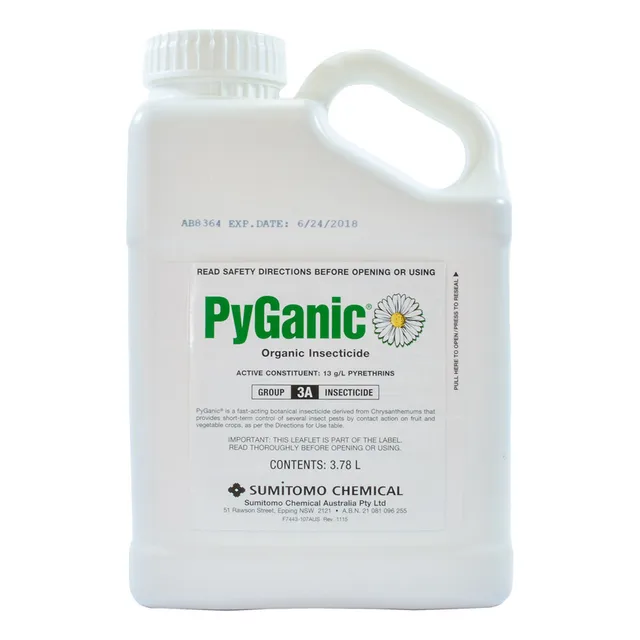
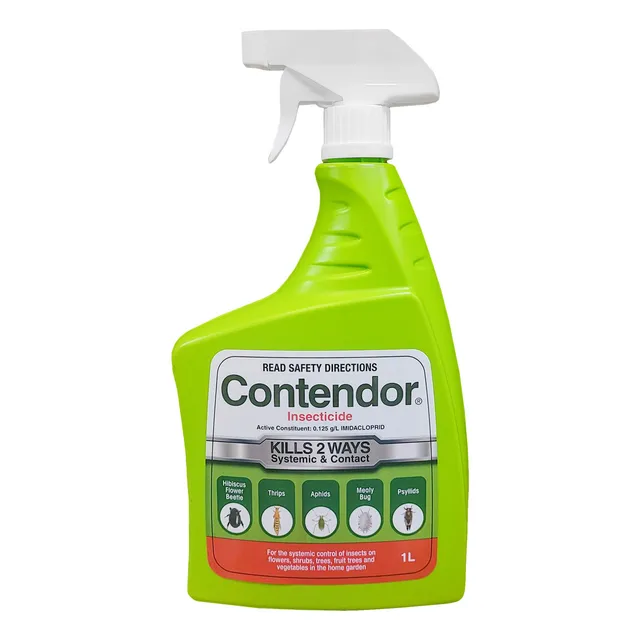
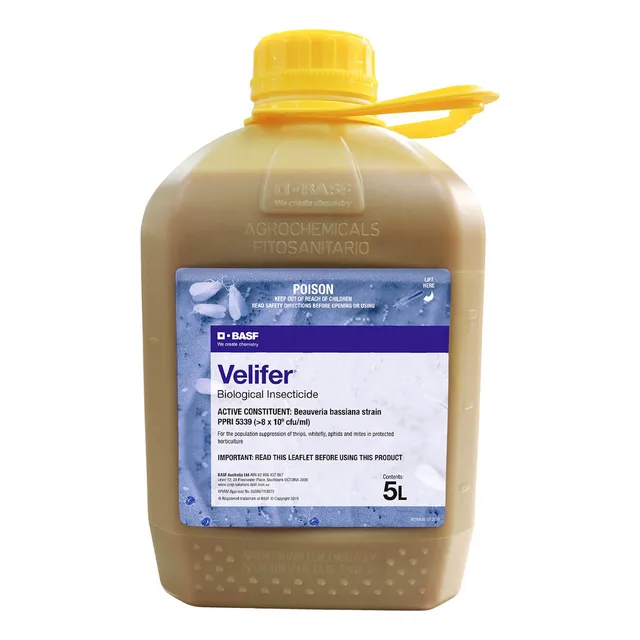
No products match those filters.