

Stem Weevil
Listronotus bonariensis
Argentine stem weevil larvae tunnel inside grass stems and tillers, causing yellowing and thinning in ryegrass-dominant turf and pasture.
Argentine stem weevil is a small beetle originally from South America, now established across temperate Australia wherever ryegrass is grown, including turf, pasture and sports fields. The larval stage is the damaging one, feeding inside the stems and growing points of grasses, while adults cause only minor, cosmetic leaf damage.
Adult weevils are around 2–3 mm long, greyish-brown to dark brown, with a distinctive curved snout typical of weevils. They are active on the foliage surface, especially at dusk and during mild, humid conditions, but are easily overlooked due to their small size and habit of dropping to the thatch when disturbed. Eggs are laid inside leaf sheaths or folded leaves near the base of the plant.
Larvae are legless, creamy-white grubs with a light brown head, growing to about 4–5 mm at maturity. They tunnel within the stem and crown tissue of ryegrass and other susceptible grasses, moving from tiller to tiller as they feed and mature through several instars before pupating in the thatch or soil surface near the plant base.
Populations build through the cooler, moist months of autumn and spring in most Australian regions, with multiple overlapping generations possible where conditions remain favourable. Ryegrass species, particularly perennial and annual ryegrass, are the preferred host, making this pest most significant in cool-season turf swards, sports turf and ryegrass pastures oversown into warm-season bases.
Management relies on maintaining turf vigour through balanced fertility and irrigation to help swards outgrow larval feeding, along with regular monitoring during peak activity periods. Endophyte-enhanced ryegrass cultivars, where used, can reduce larval survival and damage severity.
How to identify
- Yellowing, wilting or dying tillers in ryegrass-dominant turf or pasture, often appearing as scattered thin or dead patches rather than a uniform decline.
- Affected tillers pull out easily from the crown, often showing a hollowed or tunnelled stem base with little to no root damage, distinguishing this pest from soil-dwelling grubs that sever roots.
- Pulled tillers may reveal small creamy larvae or frass (feeding debris) inside the stem when split open.
- Adult weevils can sometimes be seen on foliage in the early morning or at dusk; a simple check is to part the turf canopy and inspect the thatch layer and leaf sheaths near ground level for the small brown adults or larvae.
- A soap flush (diluted dishwashing detergent poured over a marked turf area) can help bring adult weevils to the surface for identification, though it is more effective for surface-active insects than for larvae feeding inside stems.
- Damage can resemble drought stress, nutrient deficiency or early disease symptoms; the key distinguishing feature is the ease of pulling affected tillers and the presence of internal tunnelling rather than root loss.
- Can be confused with other turf grubs such as billbug larvae, which also tunnel stems; billbug larvae are typically larger and found in warm-season grasses, whereas Argentine stem weevil favours ryegrass and cool, moist conditions.
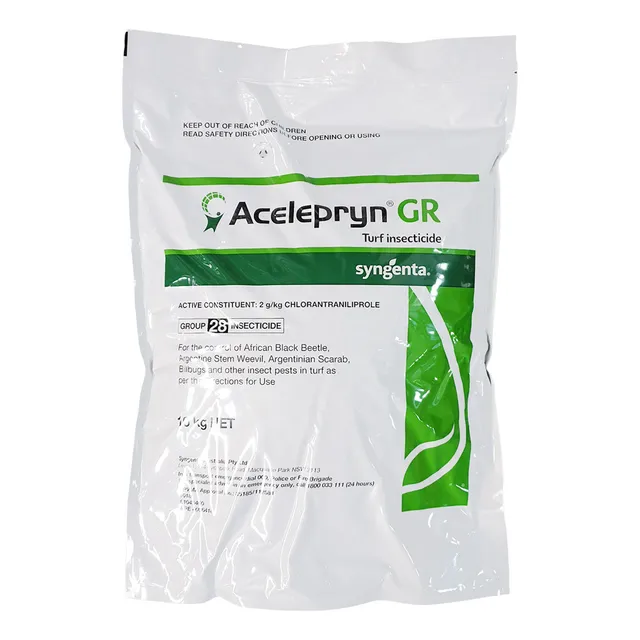
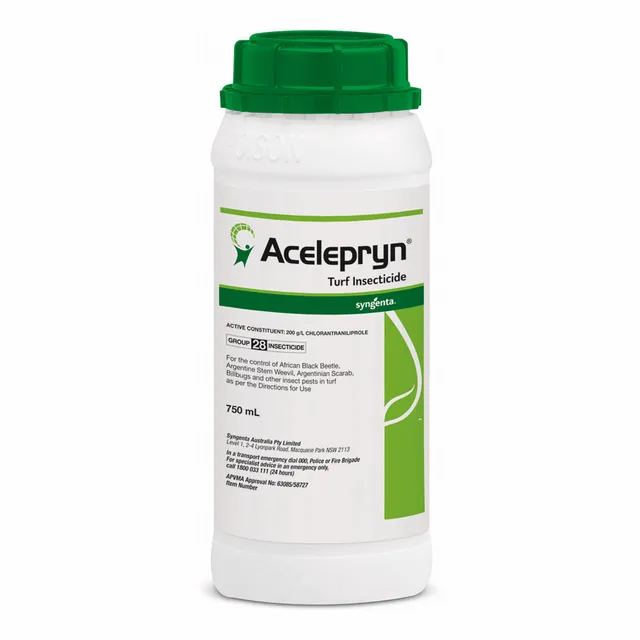
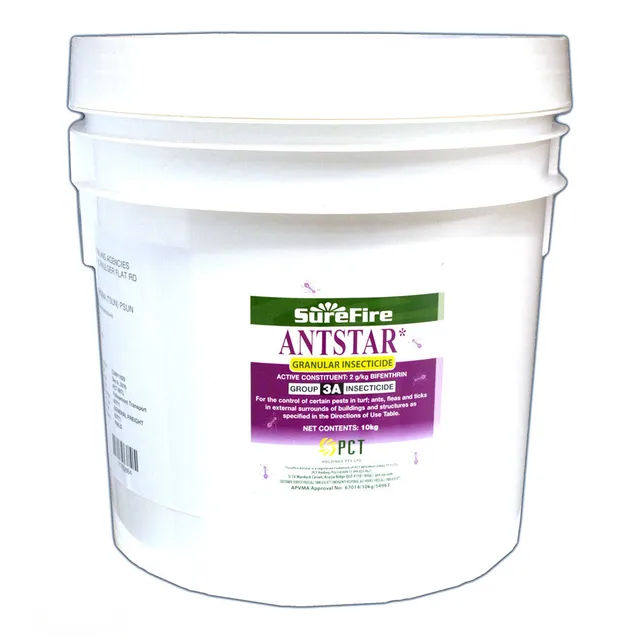
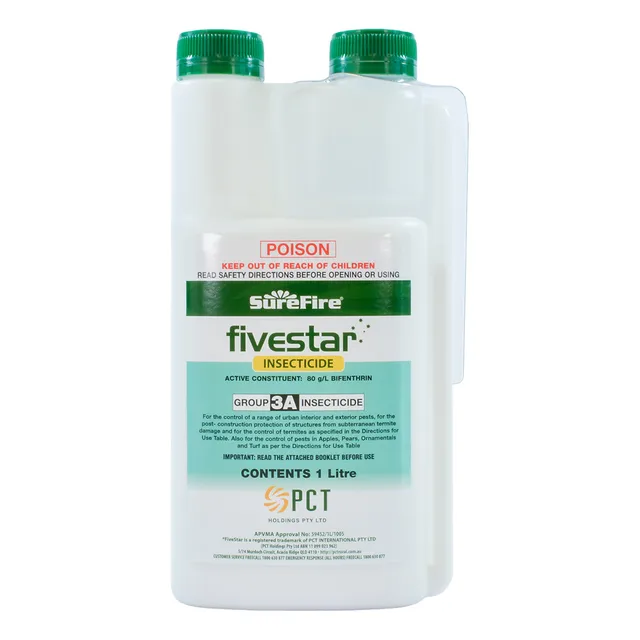
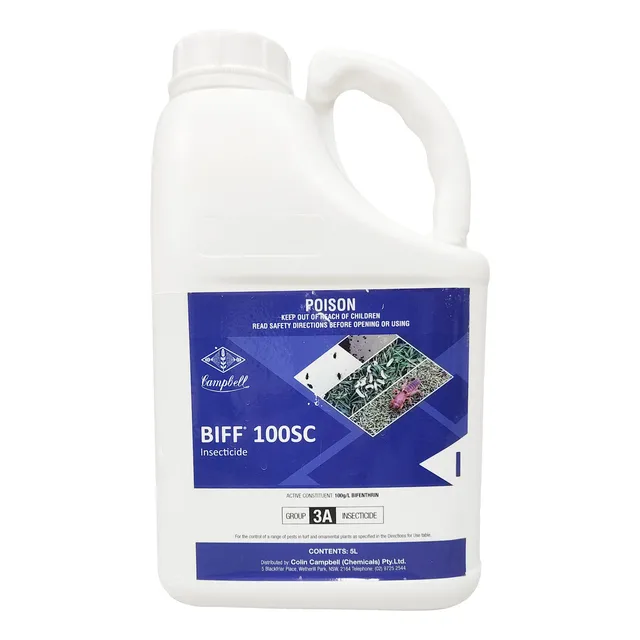
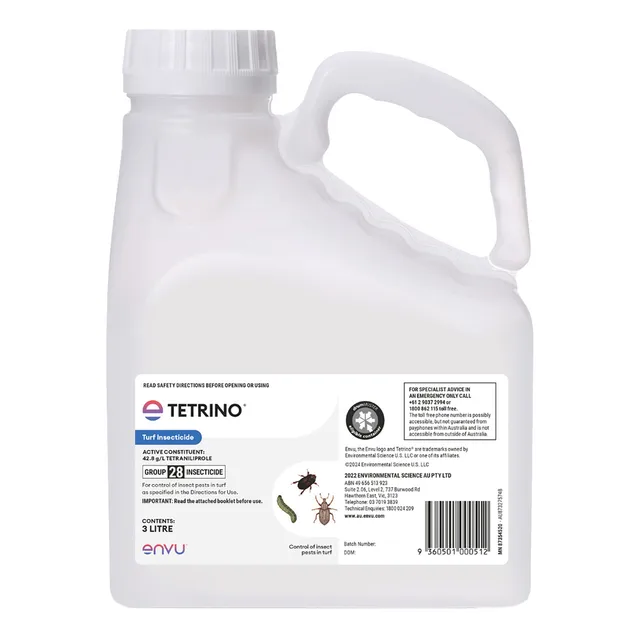
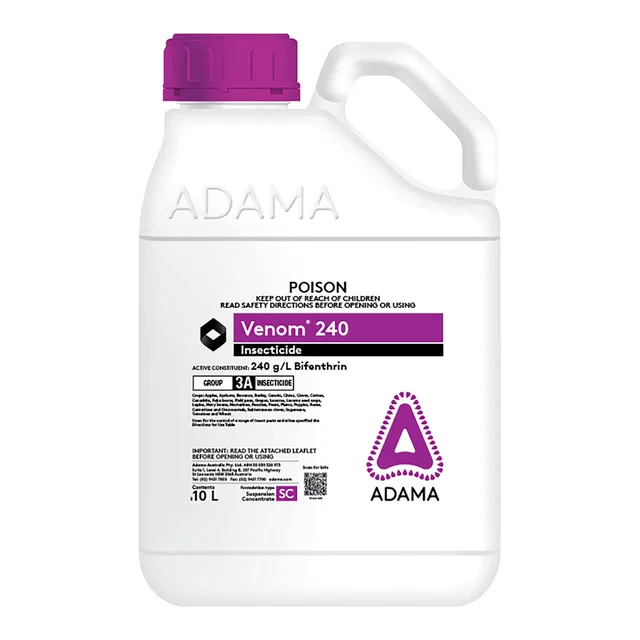
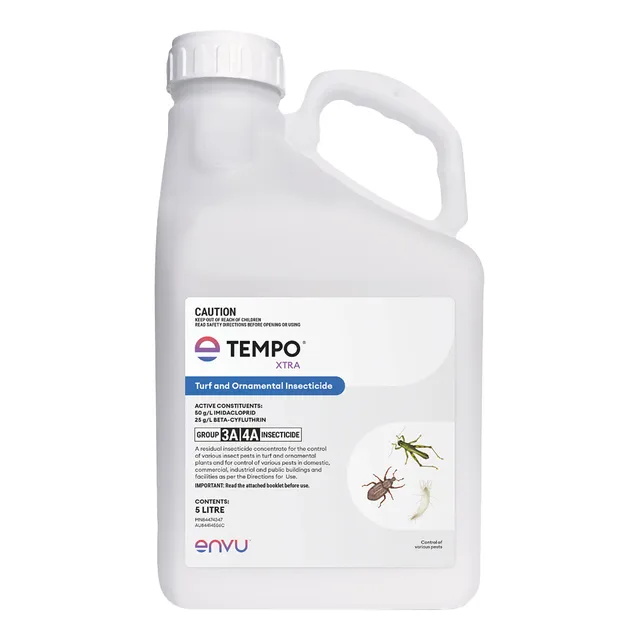
Registered products we stock
No products match those filters.