

Mealybug
Pseudococcidae
Mealybugs are sap-sucking scale insects that infest stems, leaves and roots, causing weakened growth and sooty mould from their honeydew.
Mealybugs are soft-bodied, sap-sucking insects related to scale insects. Adult females are wingless, oval and flattened, typically 2–5 mm long, covered in a white to grey mealy or waxy secretion that gives them a cottony appearance. Many species have short waxy filaments radiating from the body edge, and some, such as the long-tailed mealybug, have distinctly elongated tail filaments. Adult males are rarely seen; they are small, gnat-like and winged, living only briefly to mate. Nymphs (crawlers) are the mobile immature stage, pale yellow to pinkish and initially lacking wax, becoming increasingly waxy-coated as they mature and settle to feed. Mealybugs cluster in protected sites such as leaf axils, along stems, under bark, in flower and fruit clusters, and on roots and crowns below the soil line, where root-feeding species can be mistaken for soil mealybugs or root aphids.
Mealybugs belong to the family Pseudococcidae and comprise many species affecting ornamentals, nursery stock, turf, fruit and vegetable crops across Australia. Common pest species include citrus mealybug, longtailed mealybug, hibiscus mealybug, and grass or couch-crown mealybugs affecting turf.
They are found throughout Australia, with populations building over the warmer months and persisting year-round in protected environments such as glasshouses, shadehouses and nursery production areas. Outdoors, numbers typically peak in spring and autumn in temperate regions and can remain active year-round in warmer climates. Ants are frequently associated with infestations, as they farm mealybugs for their honeydew and protect them from natural enemies.
Management relies on regular monitoring of new stock and susceptible plants, particularly in nursery production where mealybugs spread readily on cuttings, pots and dense foliage. Cultural controls include improving airflow, avoiding excess nitrogen which promotes soft new growth, controlling ants, and physically removing light infestations. Biological control by parasitic wasps and predatory beetles (such as mealybug ladybirds) can be significant where broad-spectrum insecticide use is minimised. Chemical control is most effective against the mobile crawler stage, as later stages are protected by their waxy coating.
How to identify
- White, cottony or waxy masses clustered in leaf axils, along stems, under leaves, in flower clusters, or on roots and crowns.
- Sticky honeydew on leaves and stems, often followed by black sooty mould growth.
- Distorted, yellowing or wilting foliage, and stunted growth on heavily infested plants.
- Ants actively tending colonies, moving along stems between infested areas.
- For root or turf-feeding species, patches of declining or wilting turf or plants that do not respond to watering, with mealybugs visible when soil or thatch is peeled back around the crown and root zone.
- To confirm, part foliage or scrape along stems and root crowns to look for the waxy insects directly; a strong jet of water or light brushing will dislodge crawlers for closer inspection.
- Mealybugs are commonly confused with woolly aphids, which produce similar white waxy fluff but are more elongated, cluster mainly on pruning wounds and shoots, and lack the flattened, segmented mealybug body shape. They can also resemble cottony cushion scale, which forms larger, ridged egg sacs rather than the looser mealy coating of true mealybugs.
Registered products we stock
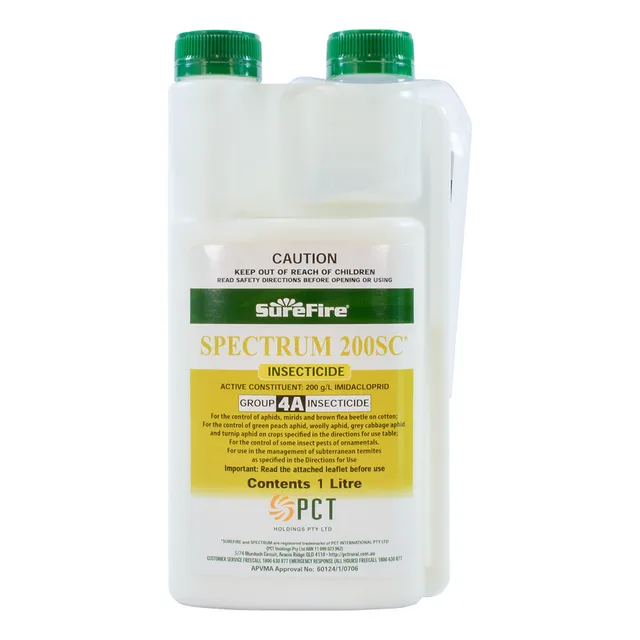
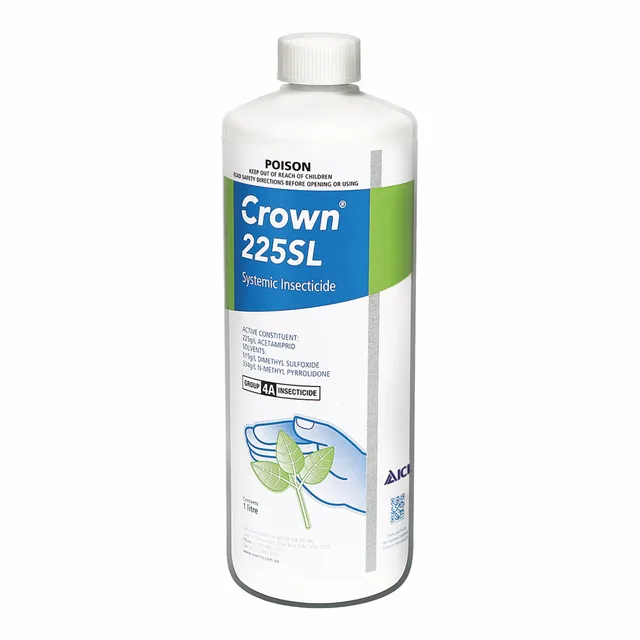
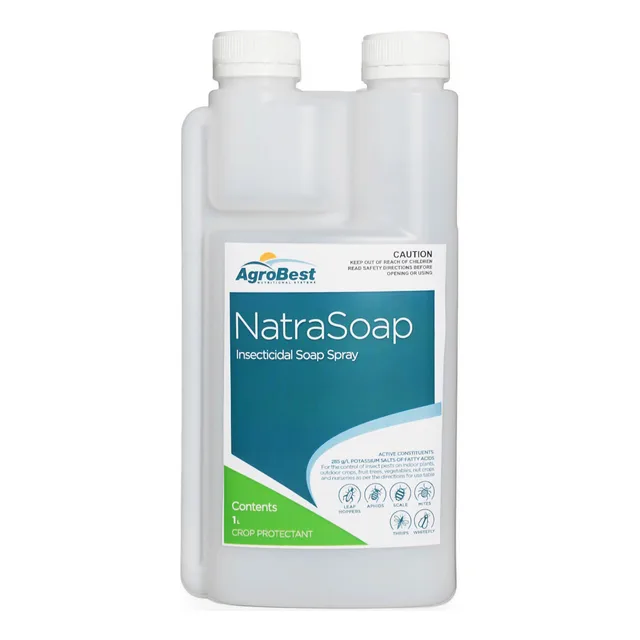
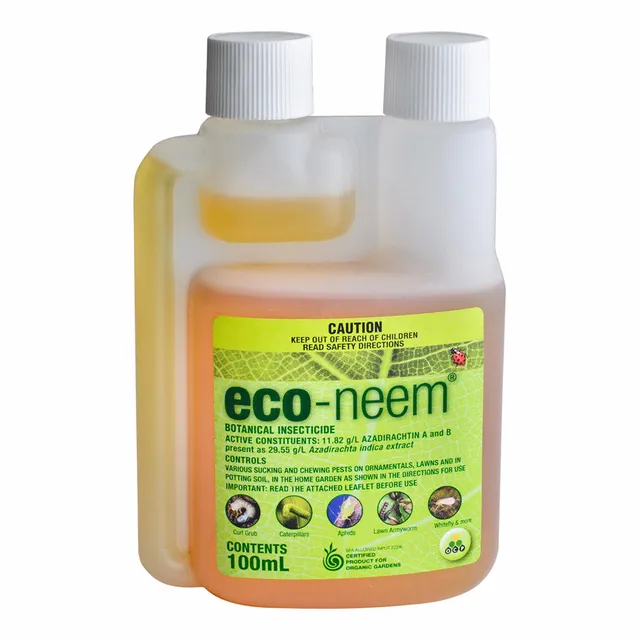
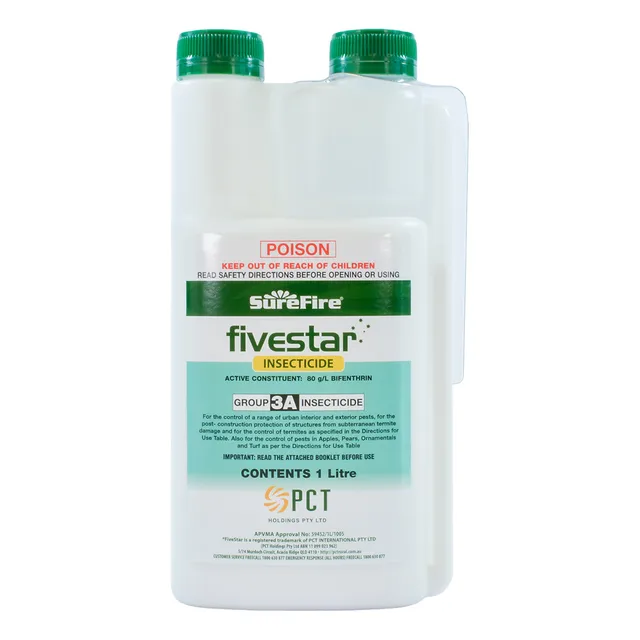
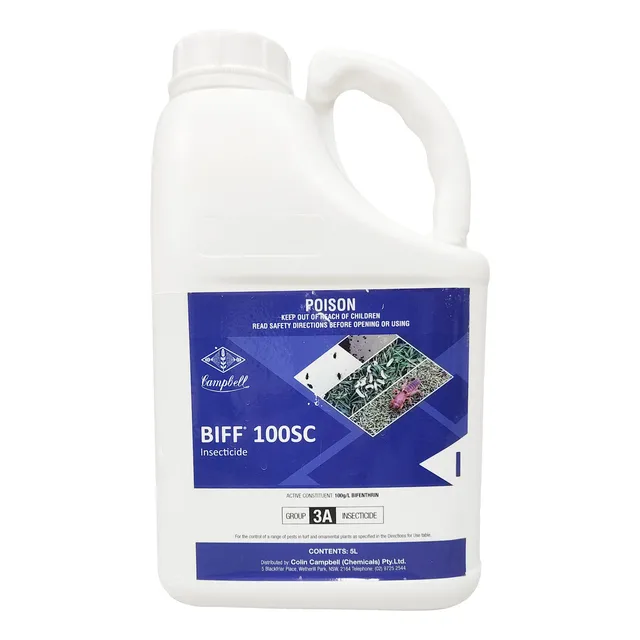
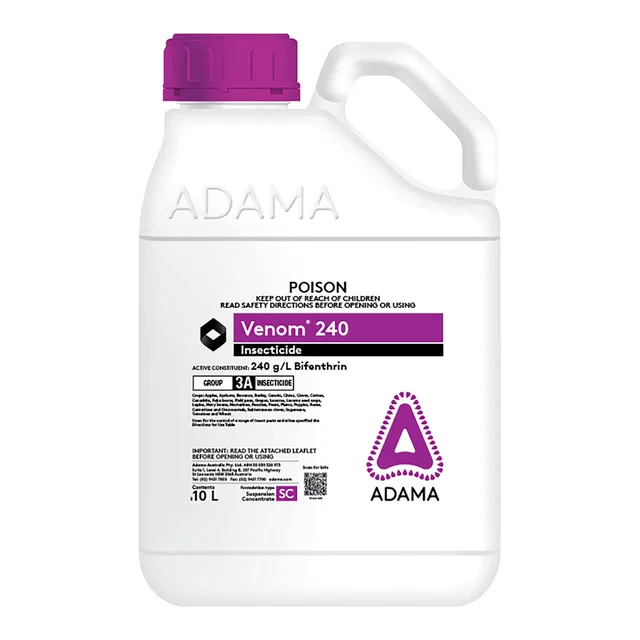
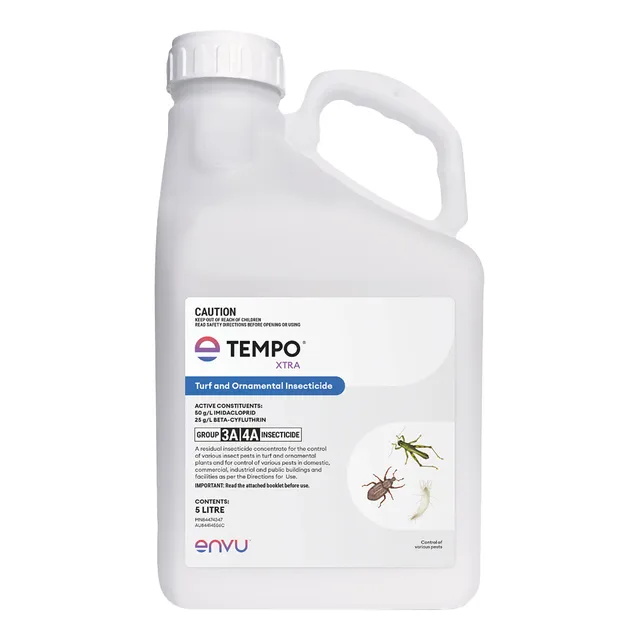
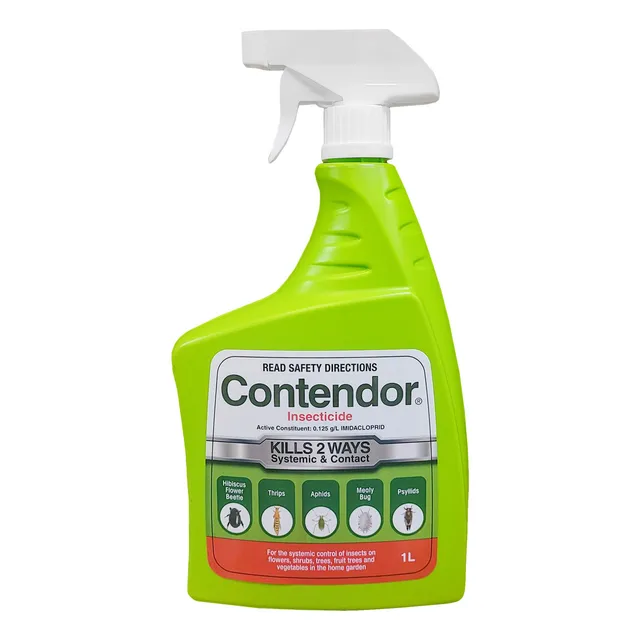
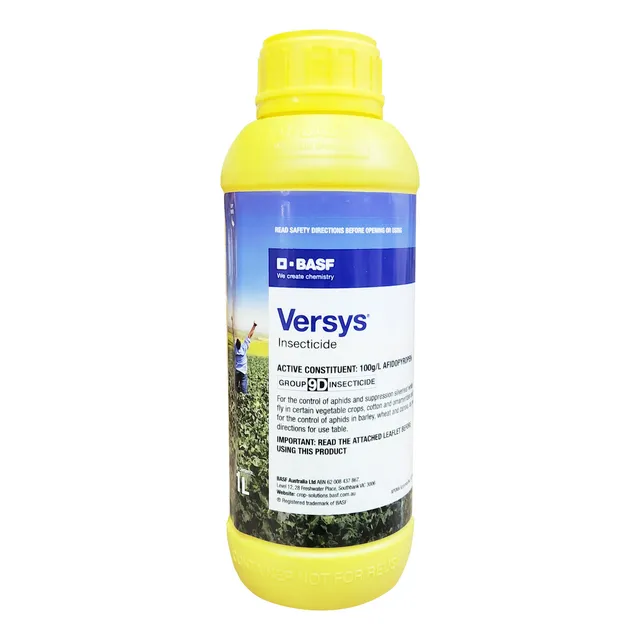
No products match those filters.