

Loopers
Chrysodeixis spp.
Loopers are caterpillar pests that chew leaves in a distinctive looping motion, causing ragged defoliation in nursery and horticultural crops.
Loopers are the caterpillar (larval) stage of night-flying moths in the family Noctuidae. The adult moth is generally mottled grey-brown with a wingspan of around 30-40mm, often with a small metallic gold or silver mark on the forewing. Moths are nocturnal, rest on foliage or in shelter during the day, and are rarely seen by growers, though they are attracted to lights at night.
The larvae are the damaging stage and are easily recognised. They are pale to mid-green (sometimes brownish), smooth-bodied caterpillars growing to around 30-40mm when fully grown, tapering slightly towards the head. Unlike most caterpillars, loopers lack the middle pairs of prolegs, so they move with a characteristic arching or 'looping' motion, drawing the rear of the body up to meet the front before extending forward again. They are typically found on the underside of leaves or nestled in new growth, and their green colour provides good camouflage against foliage.
Loopers are polyphagous pests found across a wide range of nursery, vegetable, ornamental and broadacre crops throughout Australia, including brassicas, legumes, cotton, tobacco and many ornamental species. Populations build over the warmer months, with activity generally highest from spring through to autumn in most regions, and can persist year-round in warmer parts of the country.
Management relies on regular crop monitoring, particularly checking leaf undersides and new growth for larvae and feeding damage. Natural enemies including parasitic wasps, predatory bugs and birds provide useful biological control, so management approaches that conserve these beneficials are valued in integrated pest management programs. Where chemical control is warranted, timing applications to target young larvae before significant defoliation occurs improves effectiveness.
How to identify
- Irregular holes and ragged edges in leaves, often starting as small chewed patches that expand as larvae grow.
- Skeletonised leaves where only the veins remain, in cases of heavy infestation.
- Frass (dark green-black droppings) visible on foliage or on the ground beneath affected plants.
- Damage to new growth and shoot tips, which can distort plant form in nursery stock.
Field check: Inspect the undersides of leaves and within curled new growth, where larvae tend to shelter during the day. Look for the distinctive looping crawl - the caterpillar arches its body upward in the middle as it moves, unlike other caterpillars that crawl in a more even, wave-like fashion. Gently disturbing foliage may cause larvae to drop or thrash, which can help confirm their presence.
Lookalikes: Loopers can be confused with other green caterpillars such as heliothis (corn earworm) larvae, but heliothis larvae have a full complement of prolegs and crawl without the arching loop action. Cutworms are typically found at the base of plants or in soil rather than on foliage, and curl tightly when disturbed rather than looping.
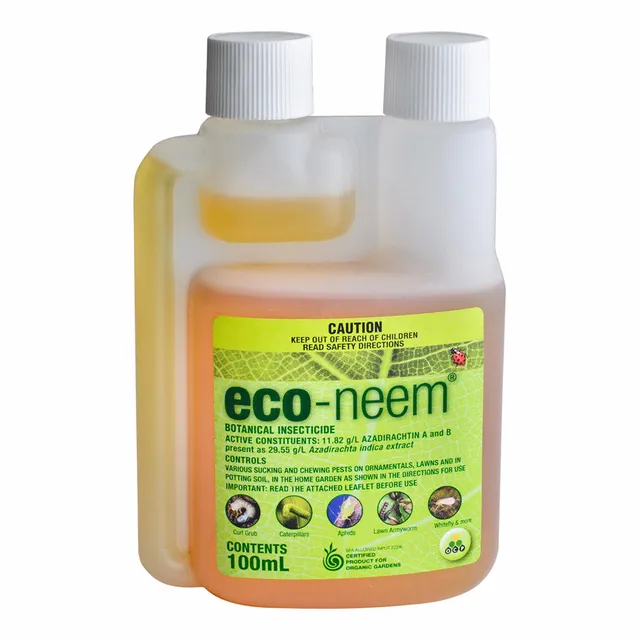
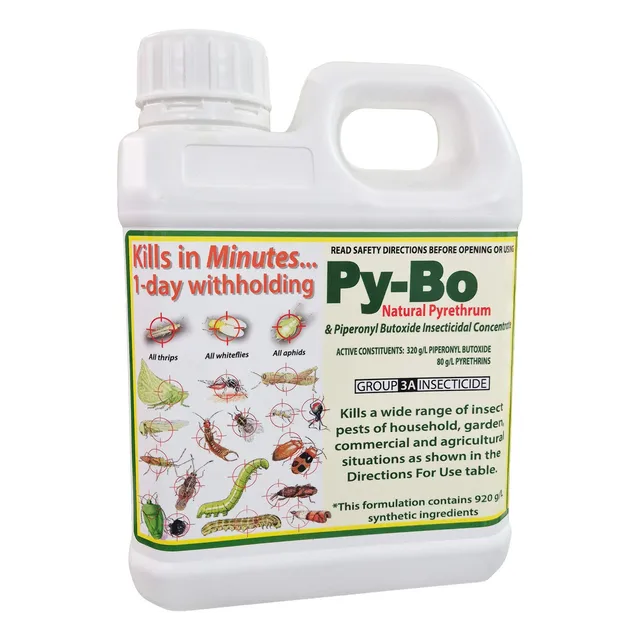
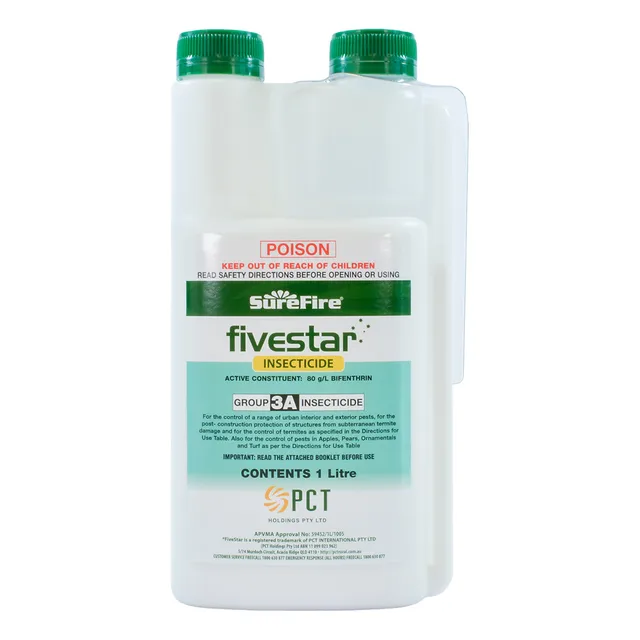
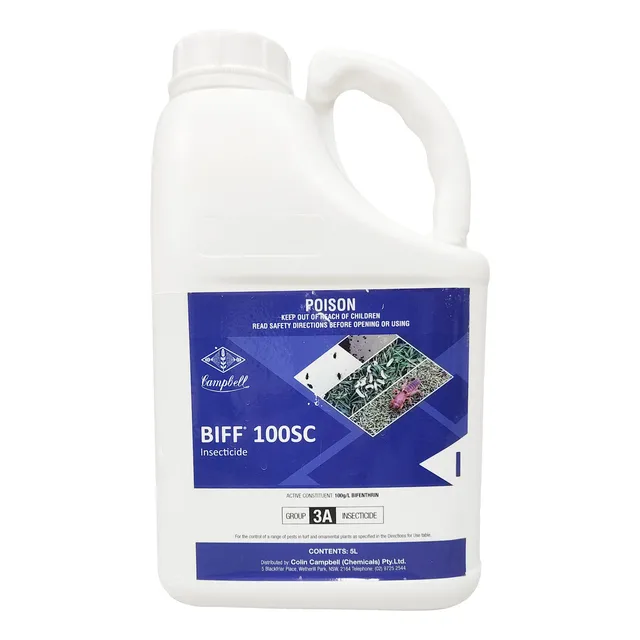
Registered products we stock
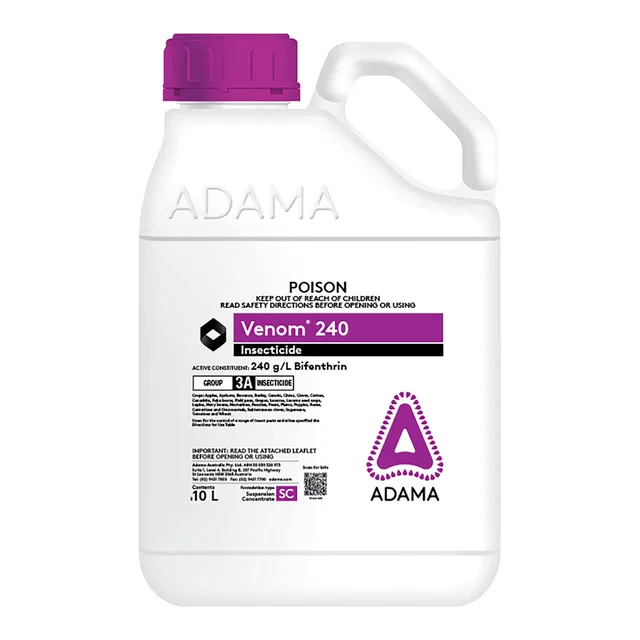
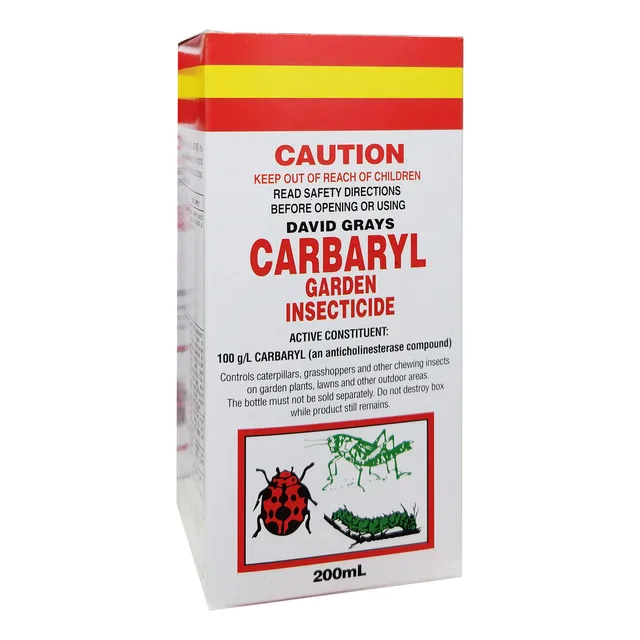
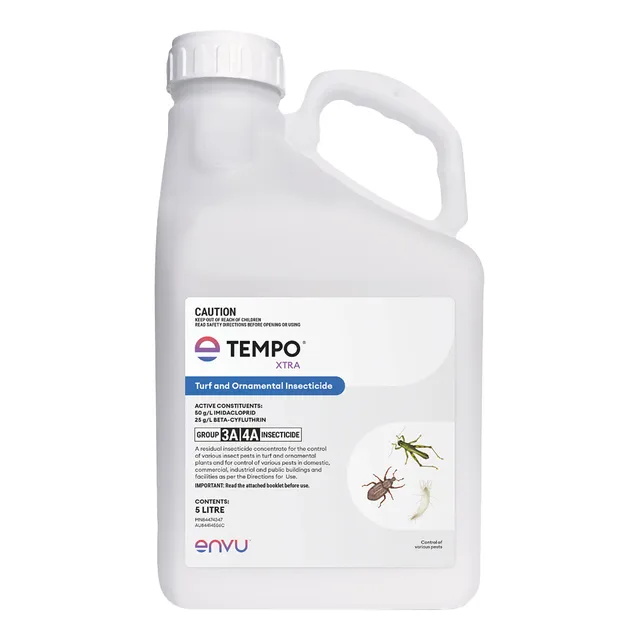

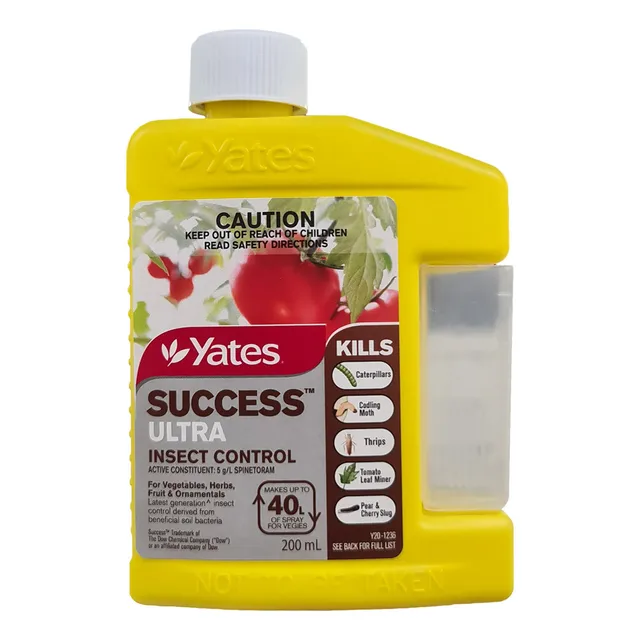
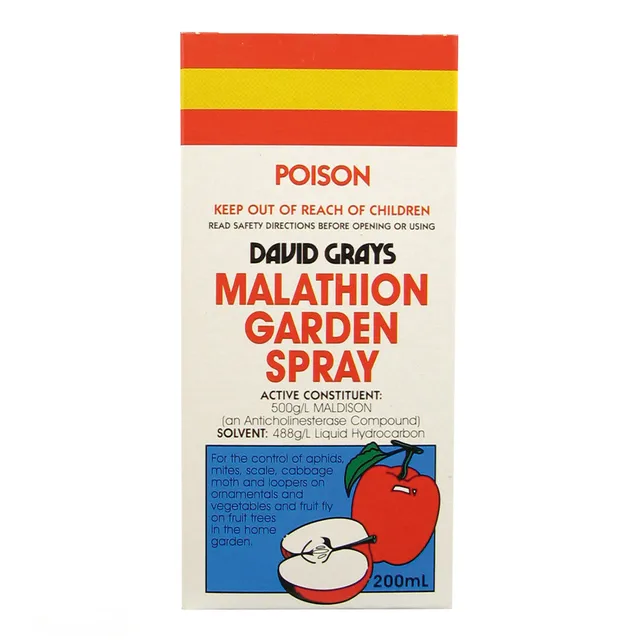
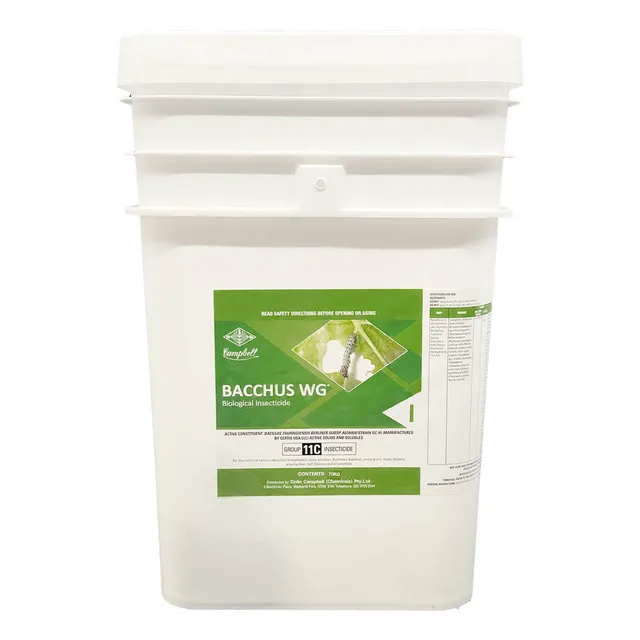
No products match those filters.