

Fairy Ring
Basidiomycota (various)
Fairy ring is a fungal condition causing rings or arcs of dark, stimulated or dead turf, often with mushrooms, driven by thatch and organic matter.
Fairy ring is caused by a range of soil-inhabiting basidiomycete fungi that colonise organic matter and thatch in the root zone. These fungi form an expanding underground network of mycelium, visible as dense white, grey or cream fungal strands when turf or soil is dug up. The mycelium mat can also become hydrophobic, repelling water from the root zone.
Above ground, the fungi produce fruiting bodies (mushrooms or puffballs) in a ring or arc, usually after rain or heavy irrigation followed by mild, humid weather. These fruiting bodies vary in colour and shape depending on the species involved but are most obvious in autumn and spring when soil moisture and temperature favour fungal activity.
Different fairy ring types are recognised: Type 1 kills or severely stresses the grass in the ring due to hydrophobic mycelium blocking water uptake; Type 2 causes a dark green, stimulated band of growth from nitrogen released by fungal breakdown of organic matter, without killing the turf; Type 3 produces only visible mushrooms with no obvious change in turf colour or vigour.
Fairy ring is common across Australian turf, including home lawns, sports fields, golf courses and bowling greens, and is strongly linked to buried organic debris (old tree stumps, roots, timber), excessive thatch, and soil compaction that restricts water penetration. It tends to persist for years in the same location as the fungus slowly works through buried organic material.
Management focuses on reducing thatch, improving soil wetting and drainage, and physically breaking the hydrophobic layer through aeration and regular deep irrigation. Masking symptoms with extra nitrogen can reduce the contrast of Type 2 rings but does not eliminate the fungus. Removing buried woody debris before turf establishment helps prevent future outbreaks.
How to identify
- Rings or arcs of discoloured turf that expand outward over months to years, ranging from a metre to many metres across.
- Type 1: a band of dead or severely wilted, brown or straw-coloured turf, often with a darker green ring of lush growth just inside or outside it.
- Type 2: a dark green, fast-growing ring with no dead turf, caused by nitrogen release rather than fungal damage.
- Type 3: mushrooms or puffballs appearing in a ring with little or no change to turf colour.
- Mushrooms or puffballs appearing after rain, particularly in autumn and spring, are a strong confirming sign.
- Field check: cut and lift a section of turf and soil across the ring; a layer of white to grey fungal mycelium through the thatch and upper soil, sometimes with a musty odour and dry, water-repellent soil, confirms fairy ring.
- Lookalikes: nitrogen fertiliser burn or irrigation head overlap can cause dark green rings or arcs similar to Type 2; these lack mycelium in the thatch and do not recur in the same pattern year after year. Dollar spot or other patch diseases cause irregular spots rather than true expanding rings and will not show the white fungal mat when the turf is lifted.
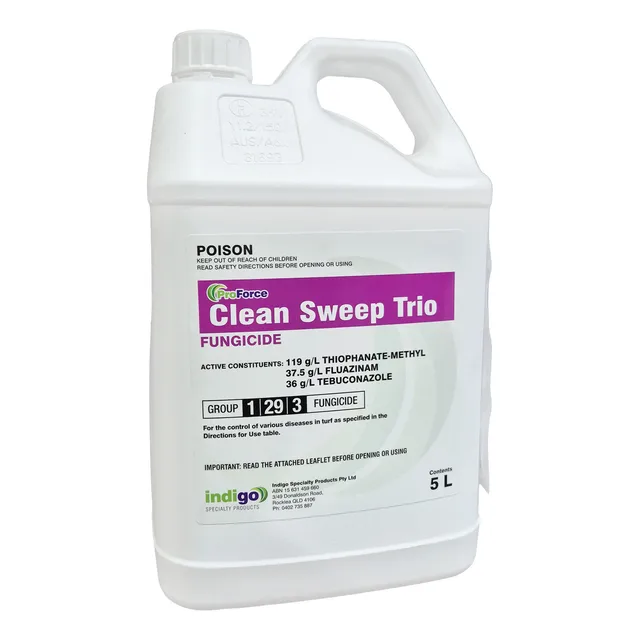
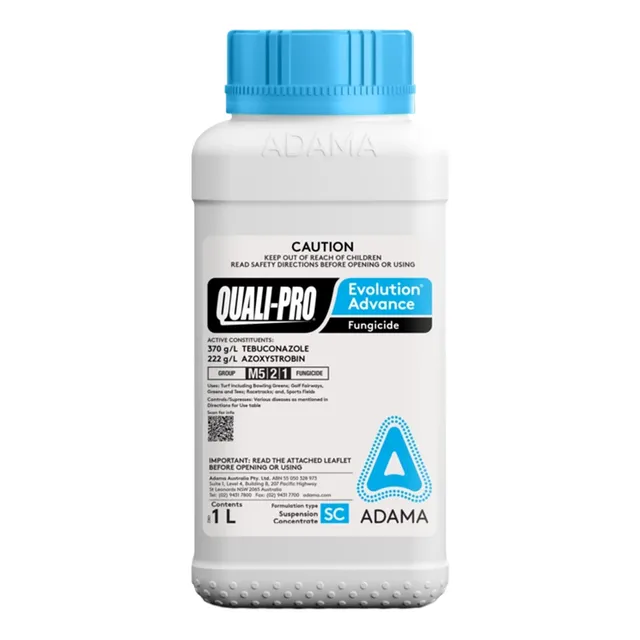
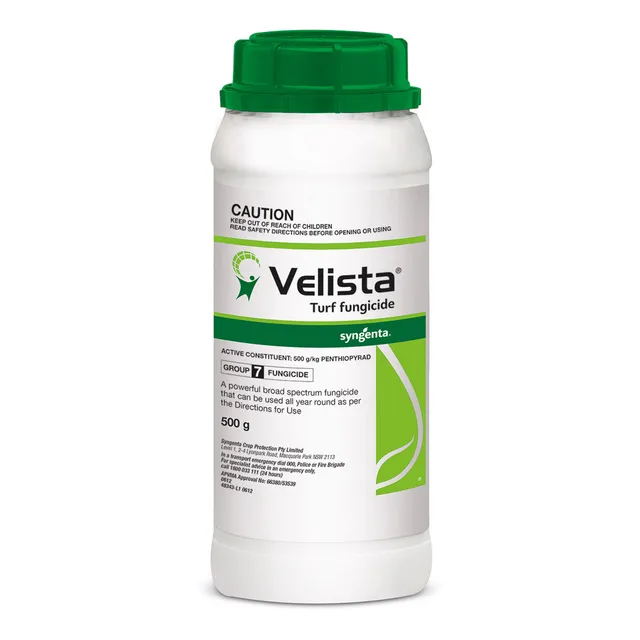
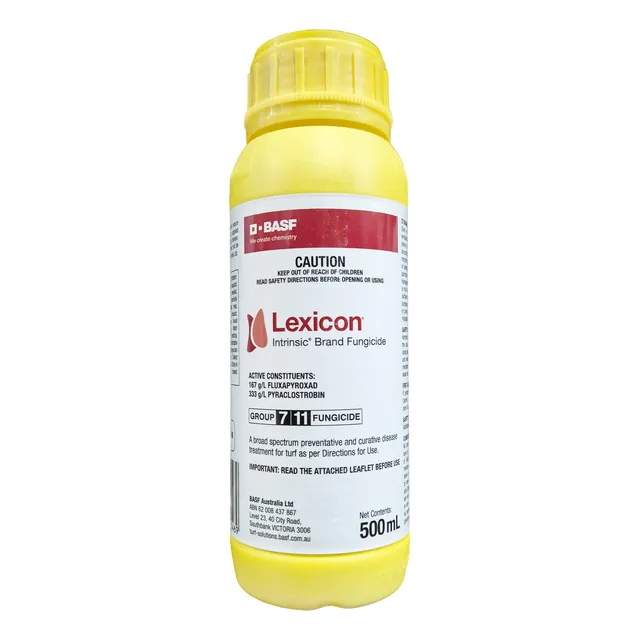
Registered products we stock
No products match those filters.