

Botrytis
Botrytis spp.
Botrytis (grey mould) is a fungal disease causing fuzzy grey spore masses and rot on flowers, leaves and stems in cool, humid, still conditions.
Botrytis, commonly known as grey mould, appears on infected plant tissue as a fuzzy, greyish-brown fungal growth made up of masses of spores. Affected tissue often turns soft, brown and water-soaked before the mould develops, and small black resting bodies (sclerotia) may form on decayed material, particularly in storage or on dead stems. On flowers, infection often starts as small discoloured spots or flecks that enlarge and cause petals to collapse; on leaves and stems it produces soft brown lesions that expand under humid conditions.
Botrytis is a common and widespread fungal pathogen affecting a very broad range of ornamental, nursery and horticultural crops in Australia, including cut flowers, bulbs, seedlings, vegetables and fruit. It is not host-specific and can survive on plant debris, in soil, and on many symptomless plant surfaces until conditions favour infection.
The disease is favoured by cool to mild temperatures, high humidity, free moisture on plant surfaces, and still, poorly ventilated air. It is most active in cooler, wetter months across southern Australia and in glasshouses, tunnels and densely spaced nursery stock where airflow is restricted, but can occur at any time of year under suitable microclimatic conditions. Spores spread readily by air movement, splashing water and contact with infected plant material or tools.
Management relies on cultural controls that reduce humidity and free moisture around susceptible tissue: improving spacing and airflow, avoiding overhead watering late in the day, promptly removing spent flowers, senescent leaves and other plant debris, and reducing plant stress and overcrowding. Sanitation of tools, benches and growing areas, and careful handling of cut flowers and produce in storage, also help limit spread. Fungicidal control may be integrated into a management program based on registered product labels.
How to identify
- Fuzzy grey-brown mould: a dusty or fuzzy grey-brown coating of spores on affected flowers, leaves, stems or fruit, most visible after periods of high humidity.
- Soft, water-soaked lesions: tissue becomes soft, brown and slimy before or as the mould develops, often starting at flower petals, leaf margins or wound sites.
- Flower and bud collapse: flecking or spotting on petals that progresses to browning, wilting and collapse of blooms and buds.
- Stem and crown rot: girdling brown lesions at stem bases or crowns, sometimes leading to plant collapse in seedlings and cuttings.
- Storage rot: soft rot with grey mould developing on harvested fruit, flowers or bulbs held in cool, humid storage.
- Field check: gently tap or disturb affected tissue in humid conditions — a visible puff or coating of grey spore dust confirms sporulation; small black, irregular sclerotia may also be found on old, decayed material.
- Lookalikes: other soft rots (e.g. bacterial soft rot) lack the fuzzy grey spore growth and tend to be slimier and foul-smelling; Sclerotinia produces similar white mould but with larger, harder black sclerotia and typically white rather than grey-brown fungal growth.
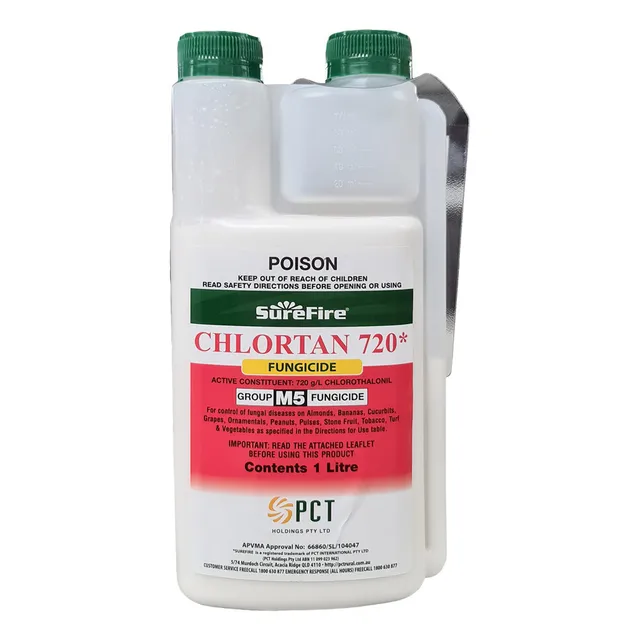
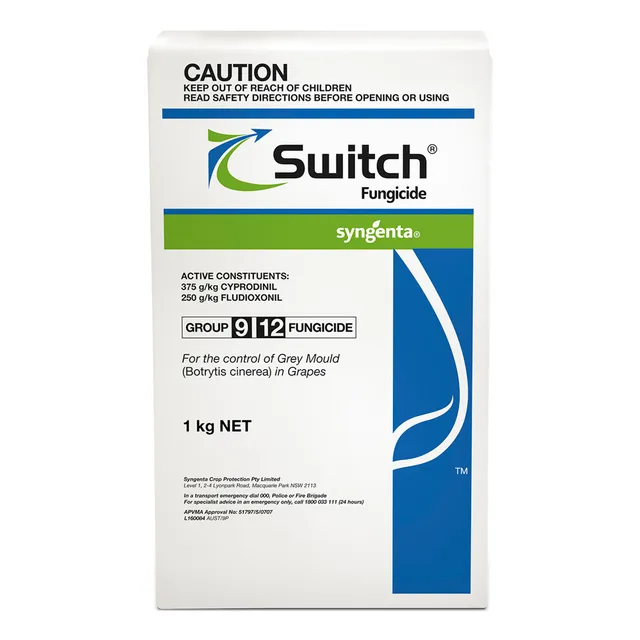
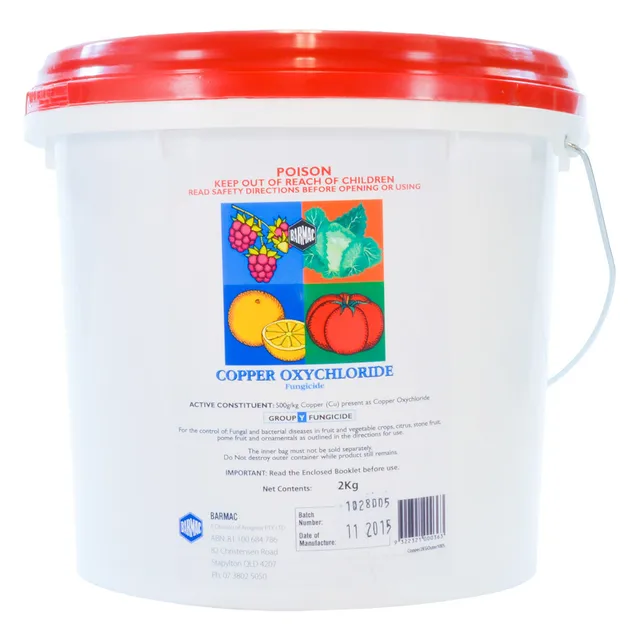
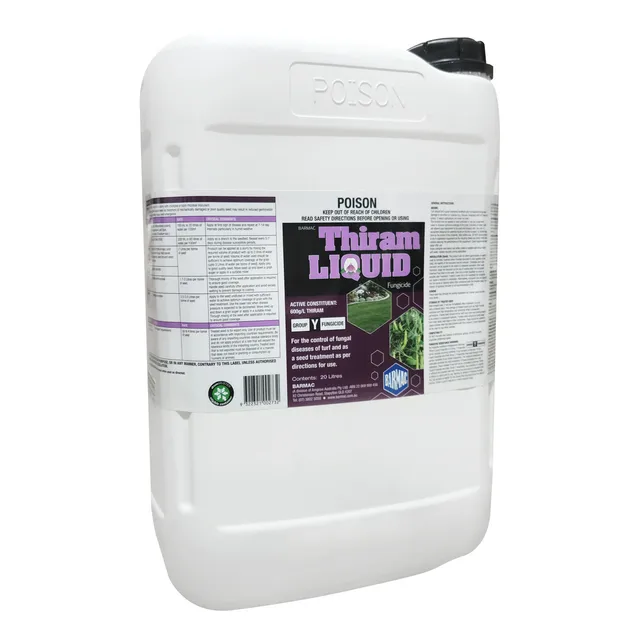
Registered products we stock
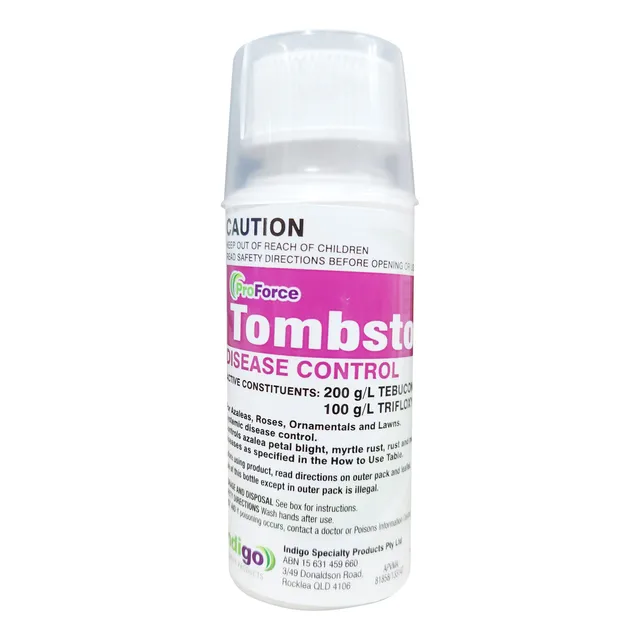
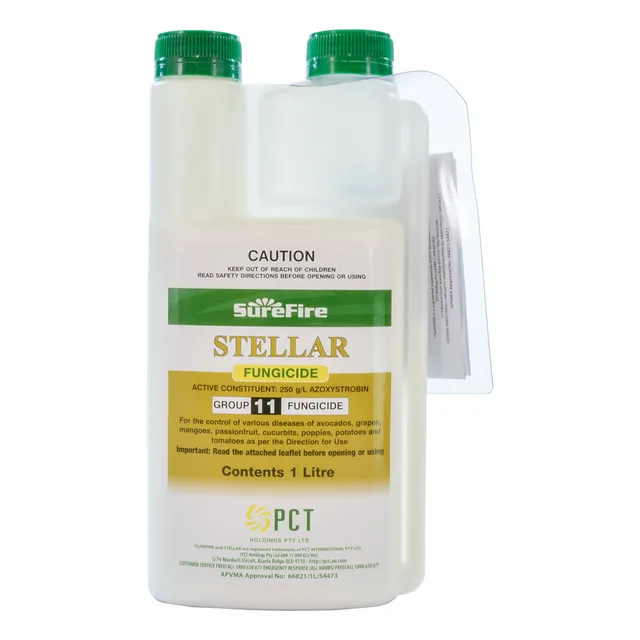
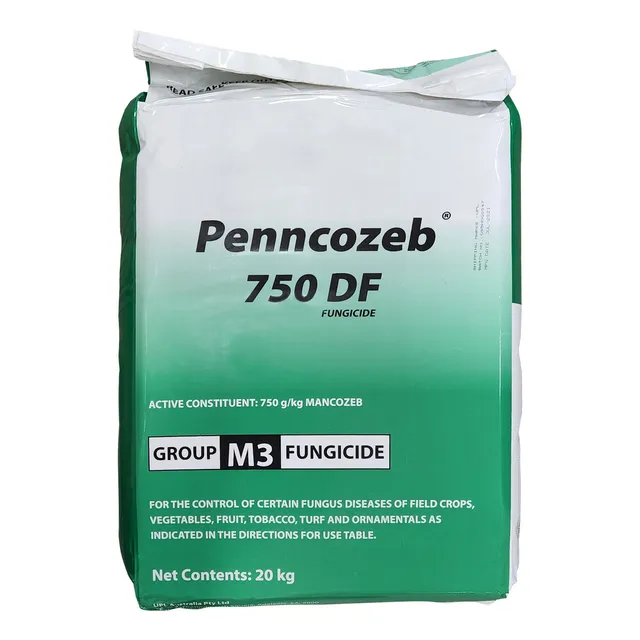
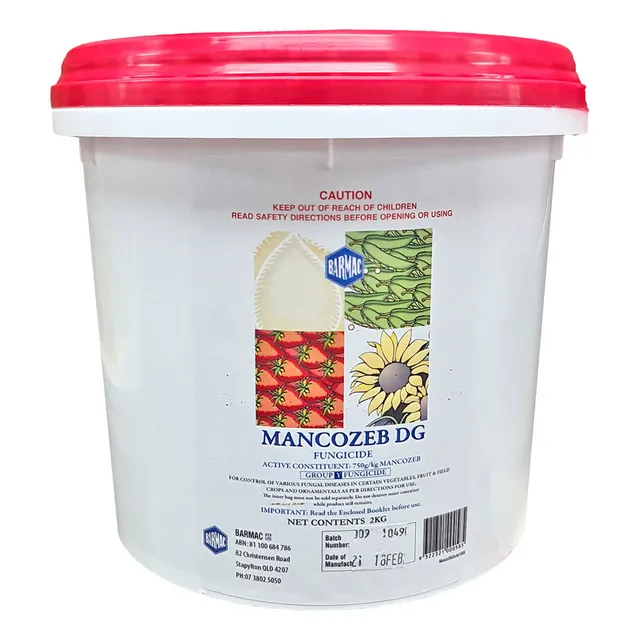
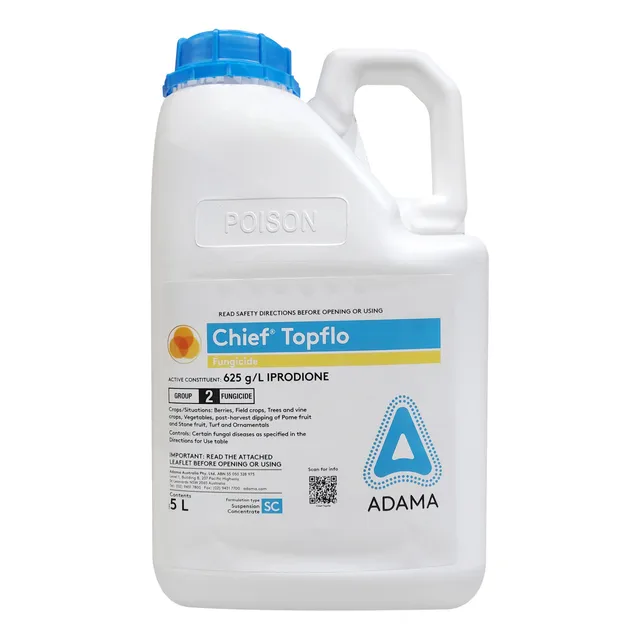
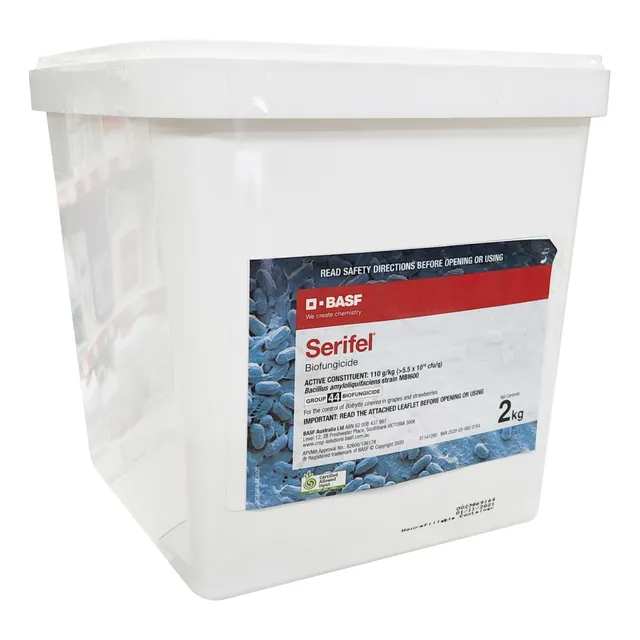
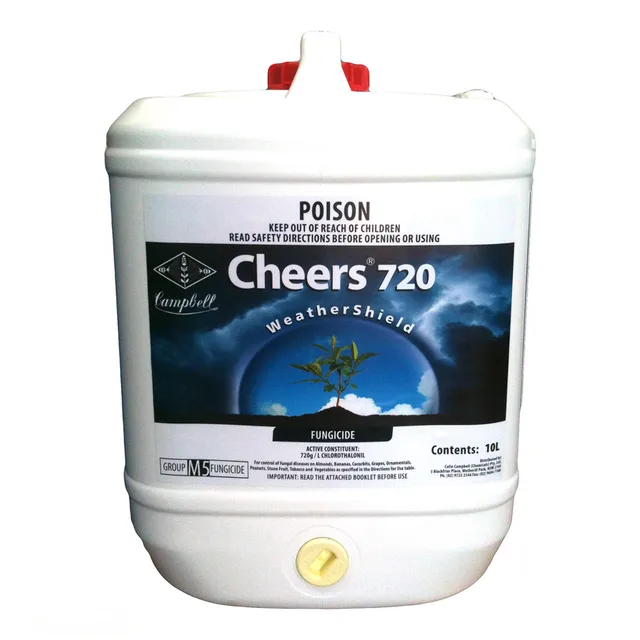
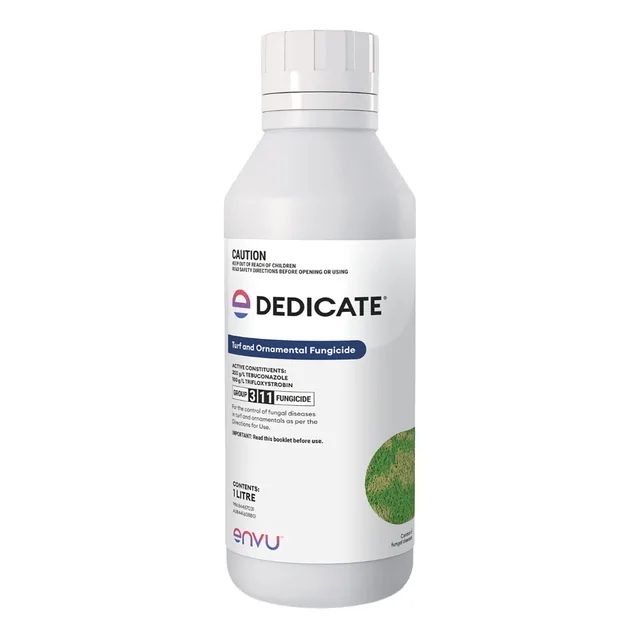
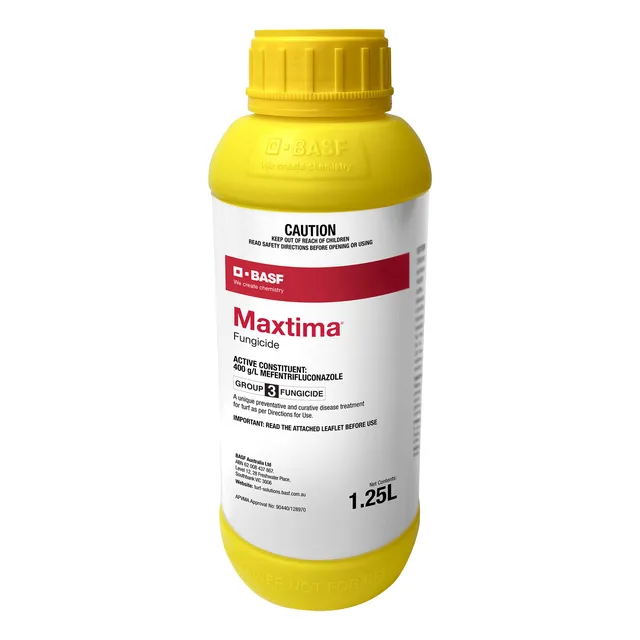
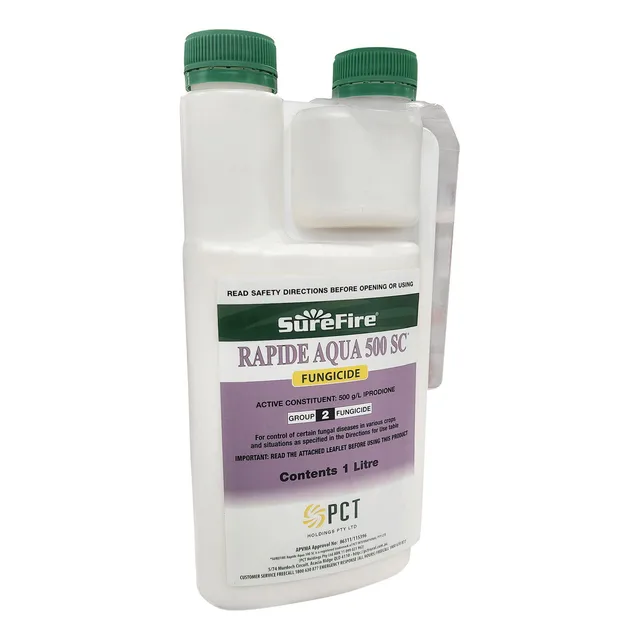
No products match those filters.