

Billbug
Sphenophorus spp.
Billbugs are weevils whose larvae tunnel in turfgrass stems and crowns, causing patches that resemble drought or drainage stress.
Billbugs are a group of weevils in the genus Sphenophorus that attack turfgrass, particularly couch and other warm-season species used on sports fields, golf courses and lawns. The name comes from the adult's long, curved snout, or "bill", which is used for feeding and egg-laying.
Adult billbugs are hard-shelled weevils around 6-13 mm long, dark brown to black or grey, often with a dull, dusty appearance from soil clinging to their body. They have the typical weevil profile: an elongated snout projecting from the head, and they move slowly, often seen walking across paths, footpaths or mown surfaces on warm days. Larvae are legless, creamy white grubs with a distinct brown head, curved into a slight C-shape, growing from about 2 mm up to 10 mm as they mature. Larvae live inside grass stems when small, then move into the crown and upper soil profile as they grow, feeding within the thatch and root zone.
Adults overwinter in thatch, leaf litter or nearby garden beds and become active in spring, laying eggs into grass stems or the base of the plant. It is the larval stage that causes the most damage, feeding internally on stems before moving down to chew crowns and roots through summer. Populations and activity are most pronounced through the warmer months, tapering off as temperatures cool in autumn.
Damage frequently mimics other stresses in turf, so confirmation of the pest itself is important before deciding on management. Cultural practices that support strong turf vigour, such as appropriate irrigation, mowing height and thatch management, help turf tolerate low-level feeding. Because larvae are hidden within stems and thatch early on and move into the soil later, timing of any control measure relative to the pest's life stage is important for effectiveness.
How to identify
- Irregular patches of turf that turn yellow then brown, often mistaken for drought stress, compaction or a soil-borne disease, since the discolouration does not always align with irrigation patterns.
- Affected turf feels spongy or lifts easily by hand, because larvae have severed or hollowed out the stems and crowns below the surface, leaving root and thatch structure weakened.
- Adult weevils occasionally seen walking on hard surfaces, paths or mown areas, especially in spring; their slow movement and long snout distinguish them from other beetles.
- To confirm larvae, cut out and peel back a square of affected turf, including some thatch and the top few centimetres of soil, and look for small creamy-white, C-shaped grubs with a darker head capsule within the stems or thatch layer.
- A simple field check is to inspect the base of pulled-up grass stems for hollowed, chewed sections or frass (insect debris) inside the stem, which indicates larval feeding even if the larva itself has since moved on.
- Billbug damage can resemble African black beetle or scarab grub damage; the key difference is that billbug larvae are legless and stay within stems and thatch initially, whereas scarab larvae are C-shaped with visible legs and are found in the soil beneath the turf from an earlier stage.
Registered products we stock
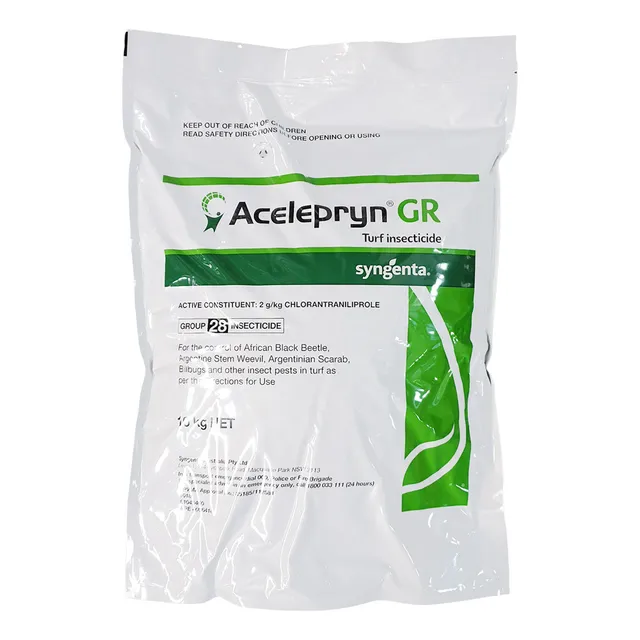

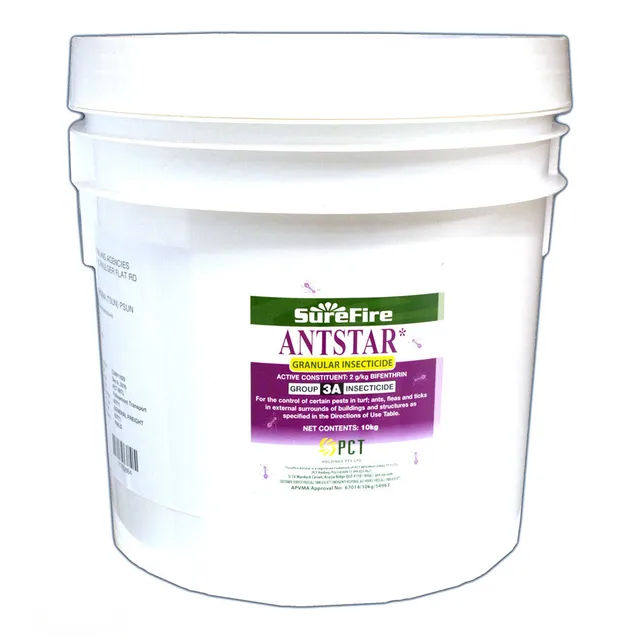
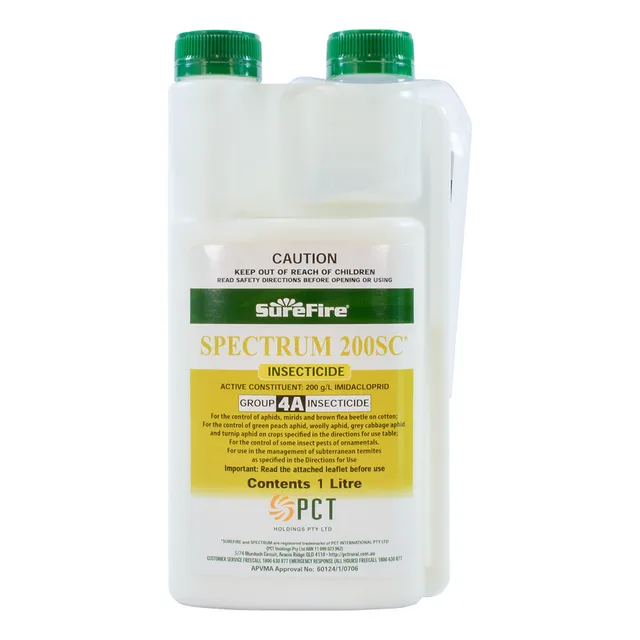
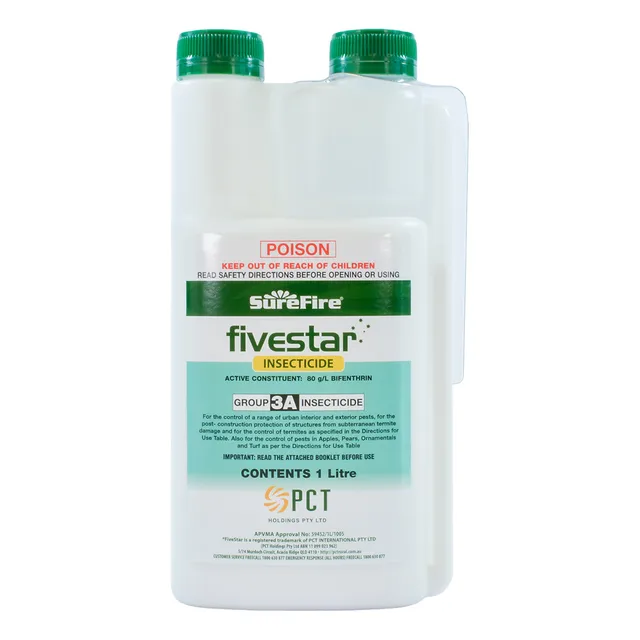
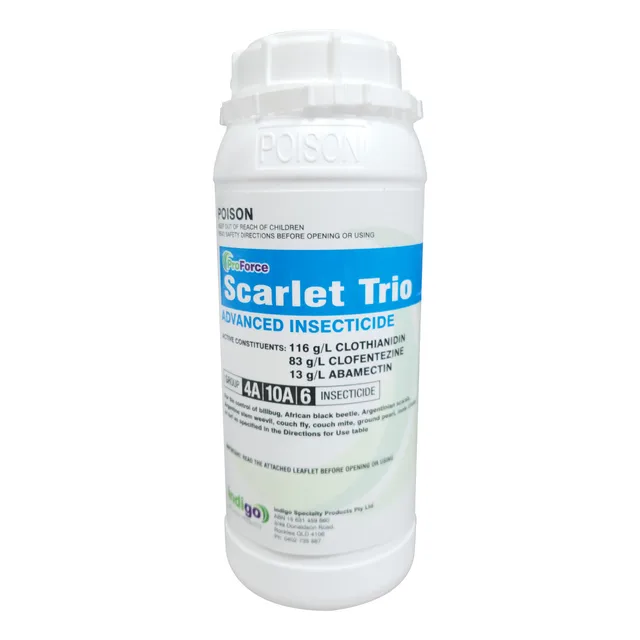
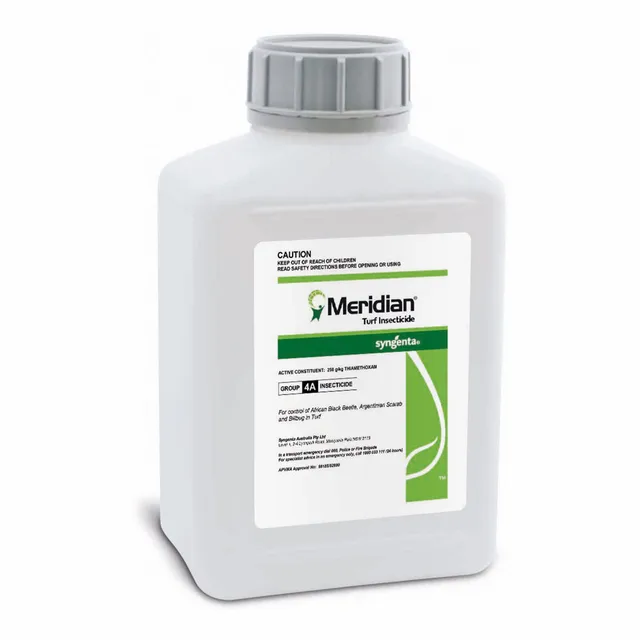
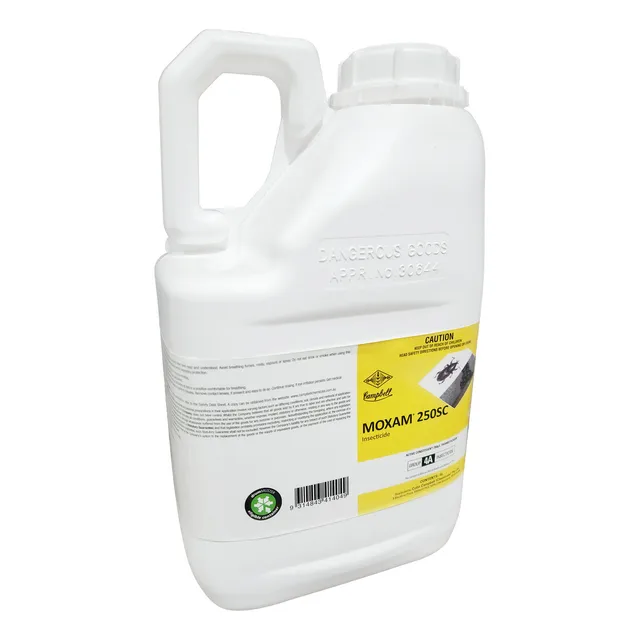

No products match those filters.