

Aphids
Aphididae
Small sap-sucking insects that cluster on new growth, weakening plants and spreading viruses in nursery and horticultural crops.
Aphids are soft-bodied, pear-shaped insects usually 1-3 mm long, ranging in colour from green, yellow and pink through to black or grey depending on species. Adults may be winged or wingless, and colonies typically contain a mix of both along with nymphs, which look like smaller, paler versions of the wingless adults. Nymphs and adults cluster together on the same tissue, commonly on the undersides of young leaves, on stem tips, flower buds and other actively growing parts, where they feed with piercing mouthparts inserted into the phloem. Most species also produce a fine white cast skin and sticky honeydew that accumulates on foliage below infested growth.
The Aphididae is a large family of over 100 species recorded as pests in Australian horticulture, several with common names tied to a preferred host such as cabbage aphid, green peach aphid, rose aphid and woolly apple aphid, though many are capable of feeding on a broad range of plants. Reproduction is often parthenogenetic, with females giving birth to live young without mating, allowing populations to build rapidly under favourable conditions.
Aphids occur across all Australian growing regions and are active for most of the year in warmer climates, with population peaks typically in spring and autumn when temperatures are mild and new growth is abundant. Populations can decline sharply during hot dry summer periods or heavy rain, and are often suppressed naturally by parasitic wasps, lacewings, hoverflies and ladybird beetles.
Management in nursery, turf, horticultural and landscape settings relies on regular crop monitoring, encouraging and conserving natural enemies, avoiding excess nitrogen that promotes soft susceptible growth, and controlling ant activity and weeds that can host aphid populations. Isolated or light infestations can often be managed by pruning out heavily colonised shoots or by a strong water jet to dislodge colonies before considering further intervention.
How to identify
- Curled, distorted or yellowing new growth - feeding on young leaves and shoot tips causes puckering, curling and stunted expansion.
- Sticky honeydew and sooty mould - excreted honeydew coats leaves and stems below colonies and often develops a black sooty mould growth.
- Ants present on plants - ants are frequently attracted to and farm honeydew-producing aphid colonies.
- Visible colonies - check leaf undersides, stem tips, flower buds and new shoots for clusters of small soft-bodied insects; a hand lens helps confirm nymphs versus winged adults.
- Cast skins and white flecks - fine white shed skins accumulate on and around infested tissue.
- Virus symptoms - some species transmit plant viruses, so mottling, mosaic patterns or general decline can appear even after aphid numbers have dropped.
- Lookalikes - whitefly nymphs are flatter, more oval and stationary on leaf undersides, while mealybugs are covered in a white waxy coating and tend to cluster in leaf axils and crevices rather than on soft new growth.
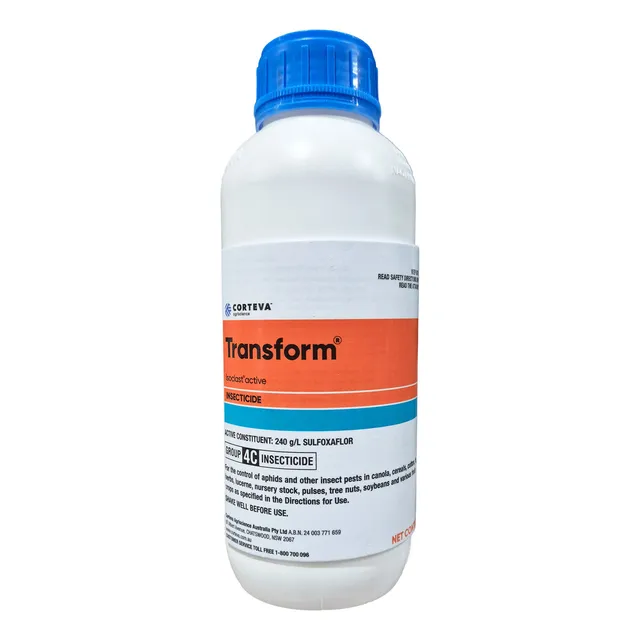
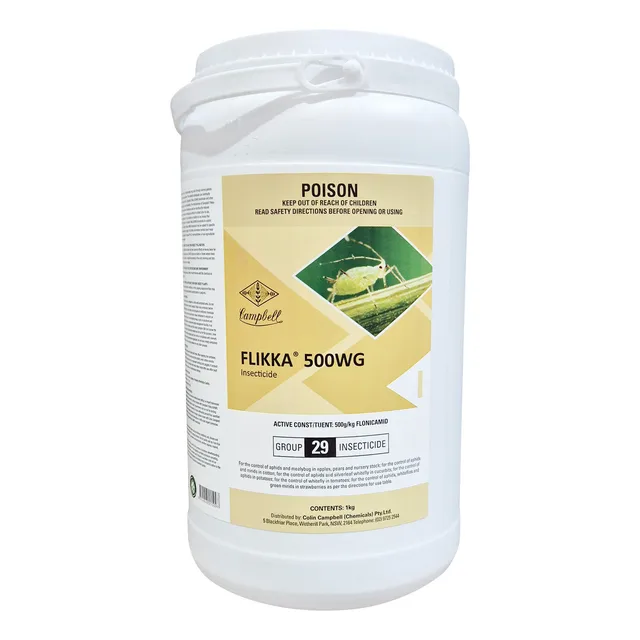
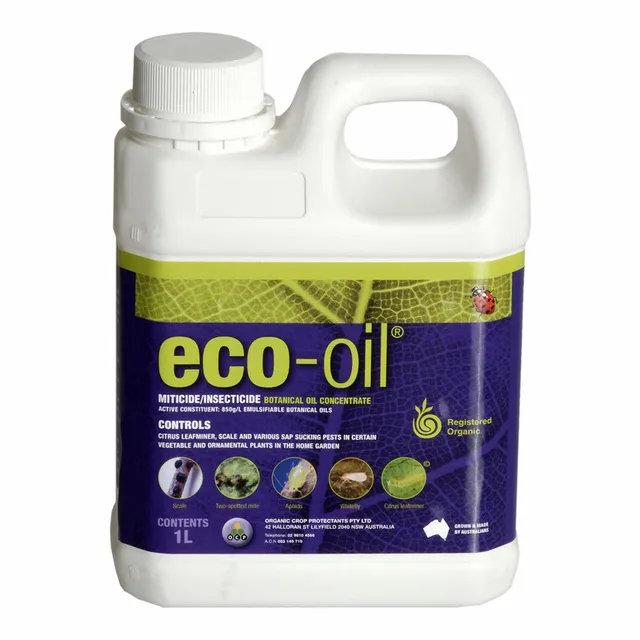
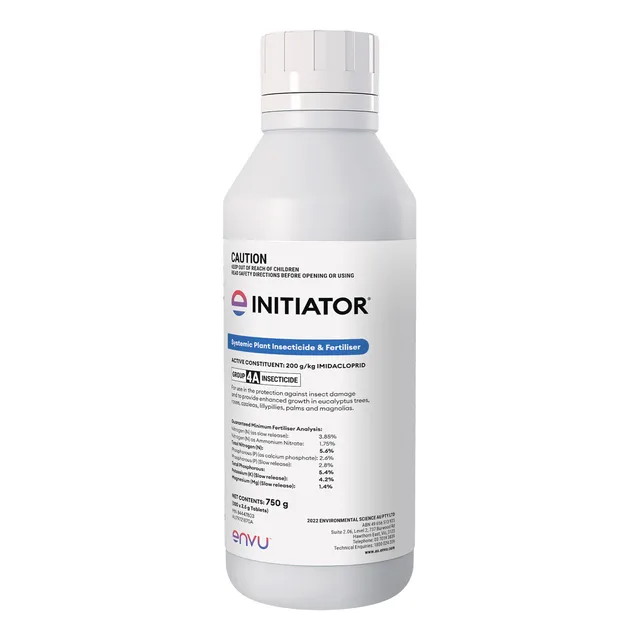
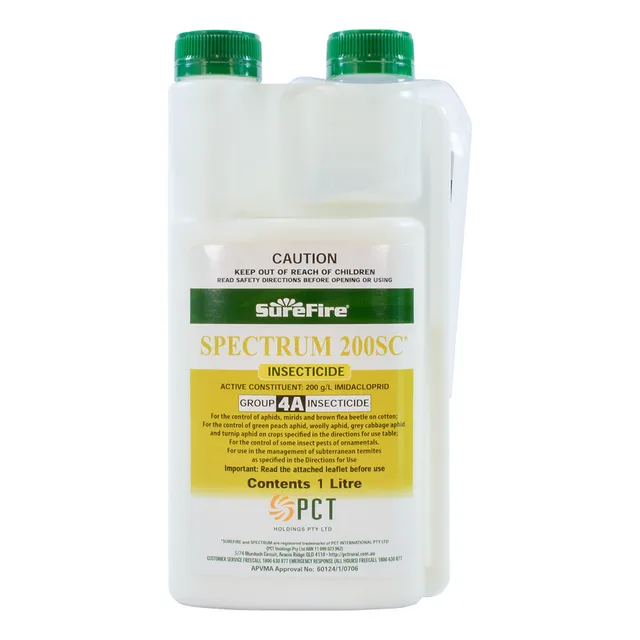
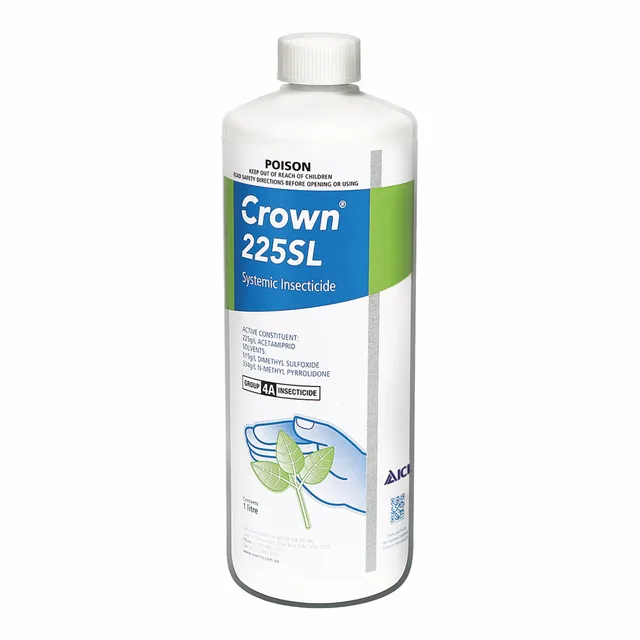
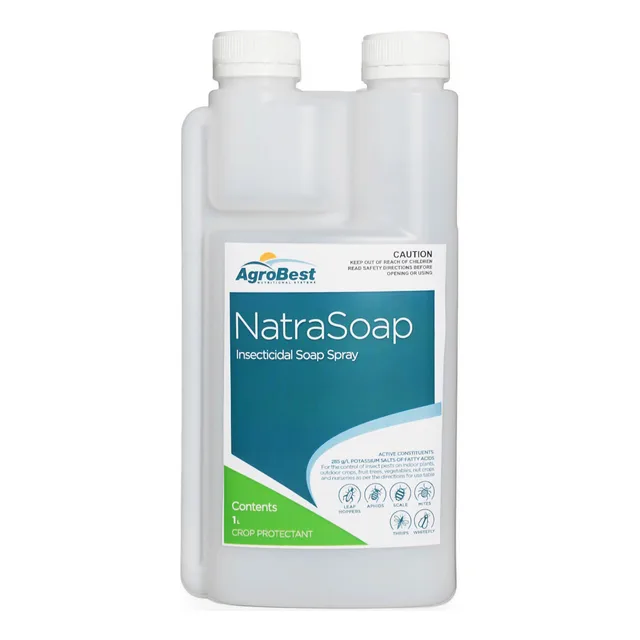
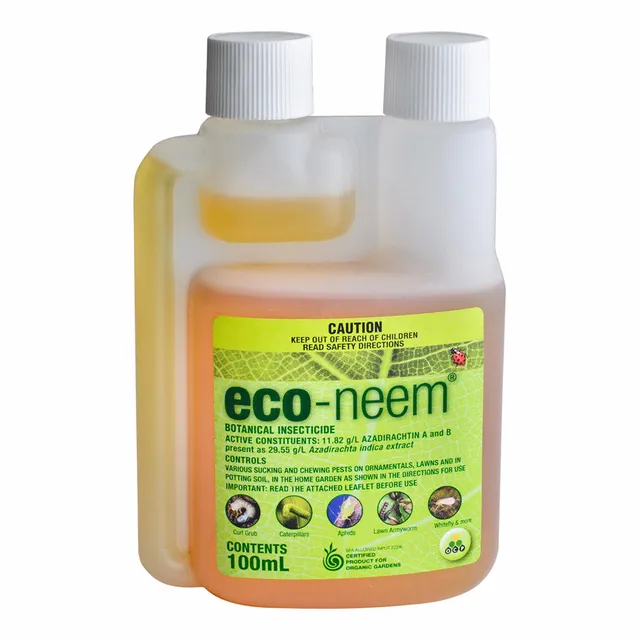
Registered products we stock
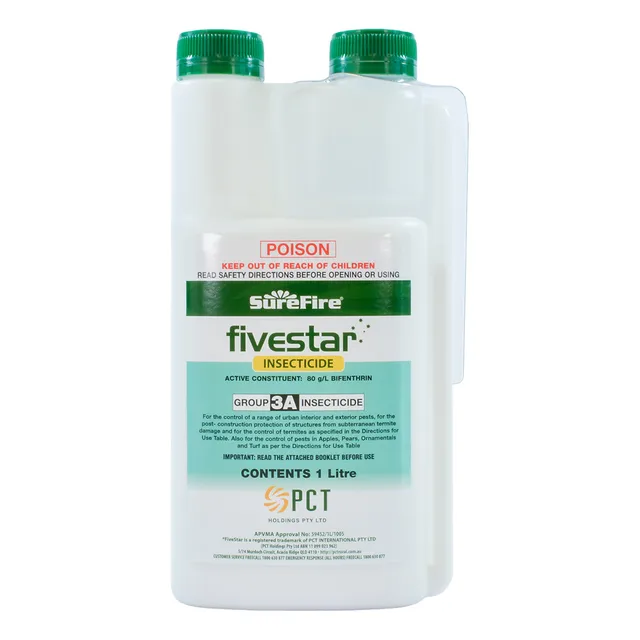
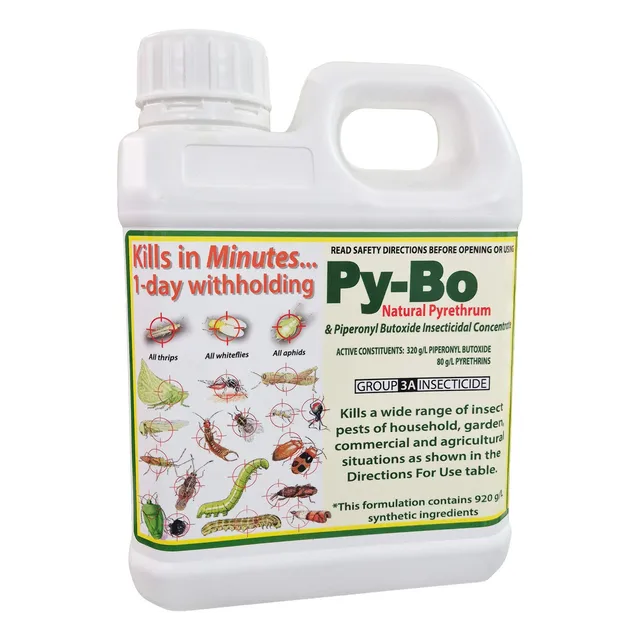
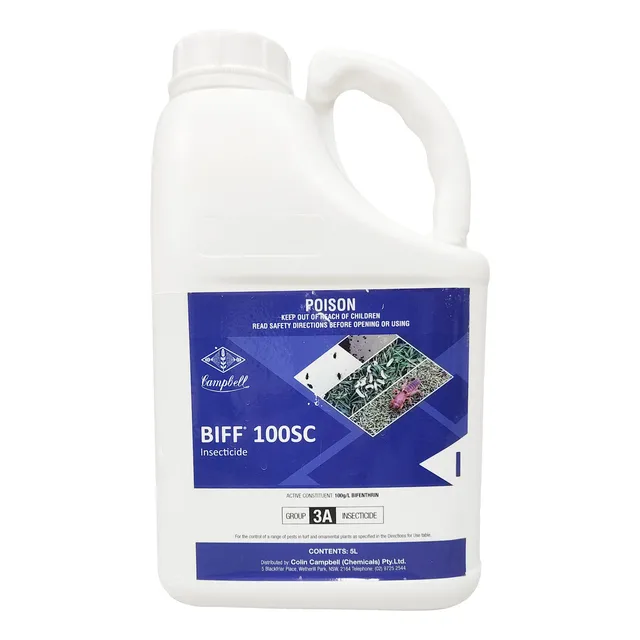
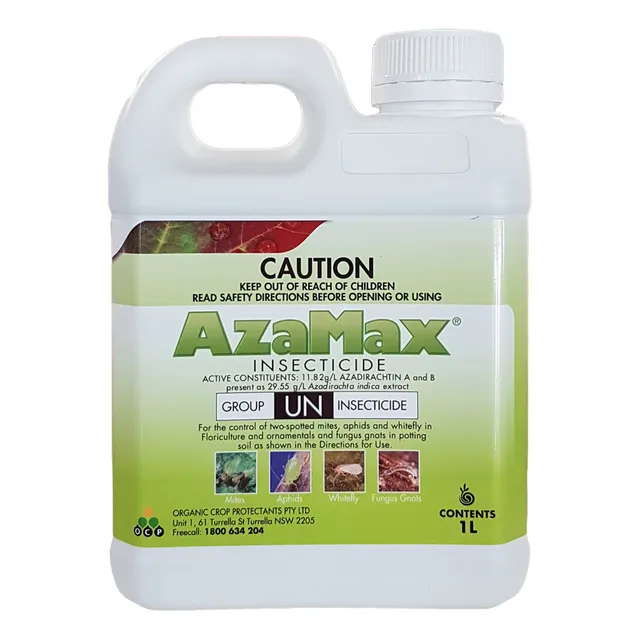
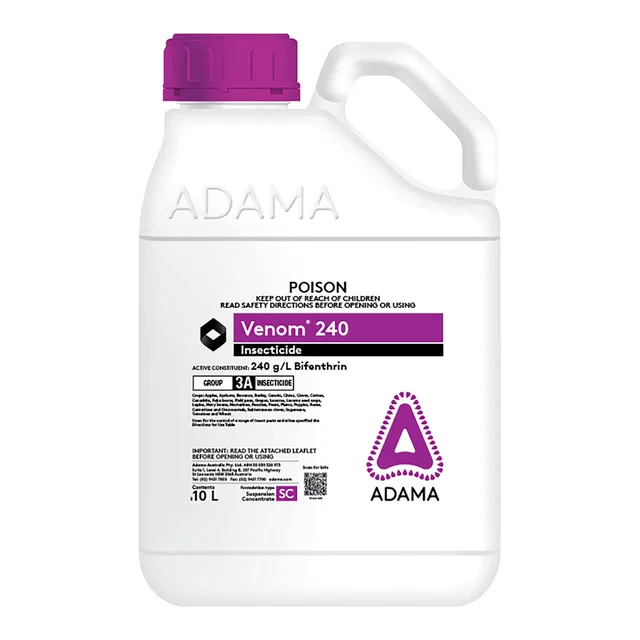
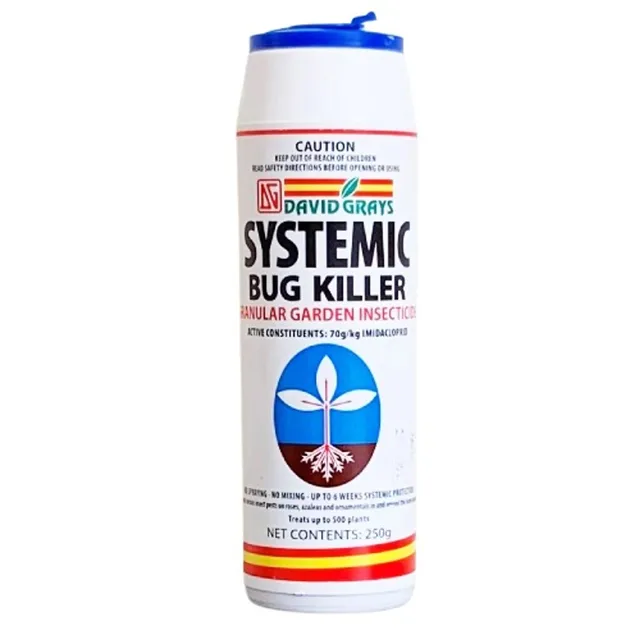
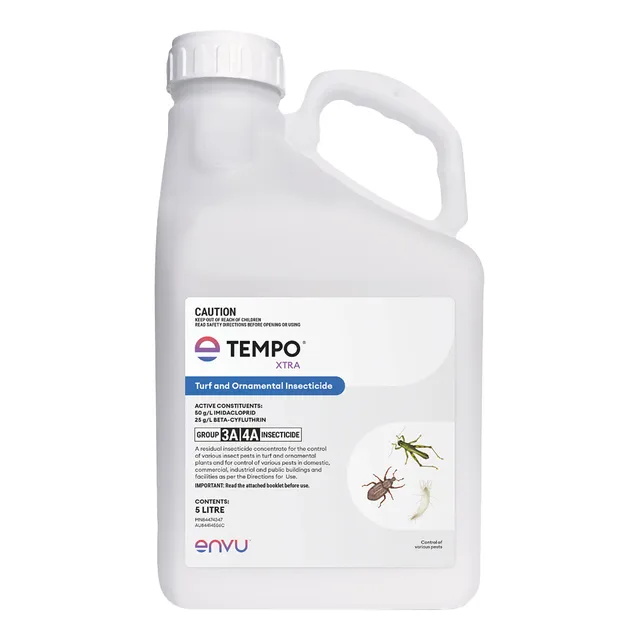
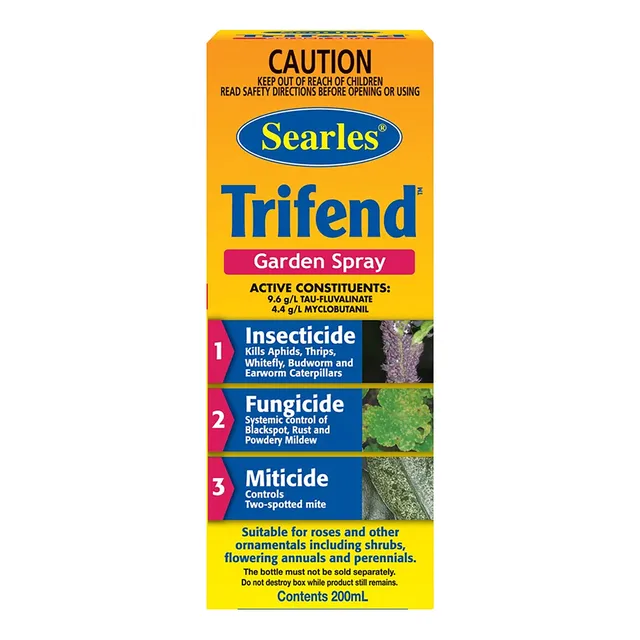
No products match those filters.