

Ants
Formicidae
Ants nest in turf and growing media, building mounds and galleries that disrupt root zones and surface levels.
Ants are social insects living in colonies that range from a few dozen to many thousands of individuals. Adult workers are typically 2–15 mm long depending on species, with a narrow waist (petiole), elbowed antennae and a hard, segmented body in black, brown, reddish or bicoloured forms. Juveniles (larvae and pupae) are soft, legless, whitish grubs kept out of sight within underground chambers or nest galleries, tended and fed by workers rather than found on plant foliage.
In turf and nursery situations, ants are a nesting and soil-disturbance problem rather than a plant-feeding one. Colonies excavate extensive underground tunnel systems, pushing soil to the surface as mounds, craters or loose friable patches. Some species, such as funnel ants, create particularly disruptive volcano-shaped mounds through turf; others nest in pot media, under pavers, in garden beds or at the base of retaining walls.
Ants occur throughout Australia in turf, nurseries, garden beds and amenity horticulture, with activity increasing in warm, moist conditions from spring through to autumn and slowing over winter. Many species are opportunistic and will also tend sap-sucking pests such as aphids, mealybugs and scale for the honeydew they produce, indirectly supporting these pest populations.
Management is based on correctly identifying the species involved, since biology, nest structure and risk (including stinging or invasive species of biosecurity concern) vary widely. Cultural options include reducing thatch, improving drainage and disturbing surface mounds mechanically, alongside targeted control where colonies are causing structural or amenity damage. Suspected fire ant, electric ant or yellow crazy ant detections should be reported to the relevant state biosecurity authority rather than treated as routine nuisance ants.
How to identify
- Mounds or craters: loose soil, sand or fine excavated material pushed up through turf, pavers, garden beds or pot media, sometimes with a visible entrance hole.
- Uneven or spongy turf surface: sunken or hollow-feeling patches where extensive tunnelling has occurred beneath the surface, which can affect mowing height and playing surfaces.
- Ant trails: visible lines of worker ants moving between the nest and food sources, often along garden edges, paths or plant stems.
- Associated honeydew pests: ants moving up trunks or stems can indicate aphids, mealybugs or scale being farmed for honeydew nearby; check leaf undersides and stems for these insects.
- Confirming ants versus other diggers: gently probe or lift a small area of the mound or turf edge to expose tunnels and worker ants; this distinguishes ant activity from similar surface disturbance caused by earthworm castings (smooth, granular soil pellets with no insects present) or scarab/beetle larvae damage (soil disturbance without ant trails or nest entrances).
- Species identification: note ant size, colour, aggression and mound shape, as this affects management; unusual, highly aggressive or unfamiliar ants, especially reddish stinging ants or fast-moving erratic foragers, should be reported to biosecurity authorities as a possible exotic incursion.
Registered products we stock
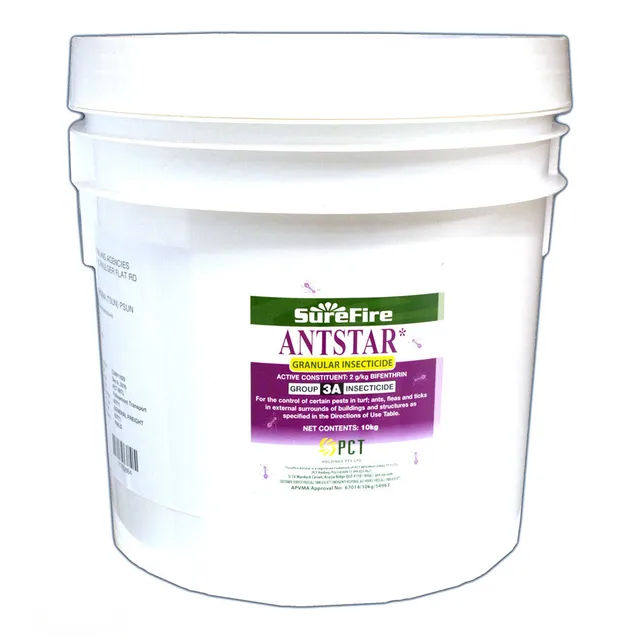
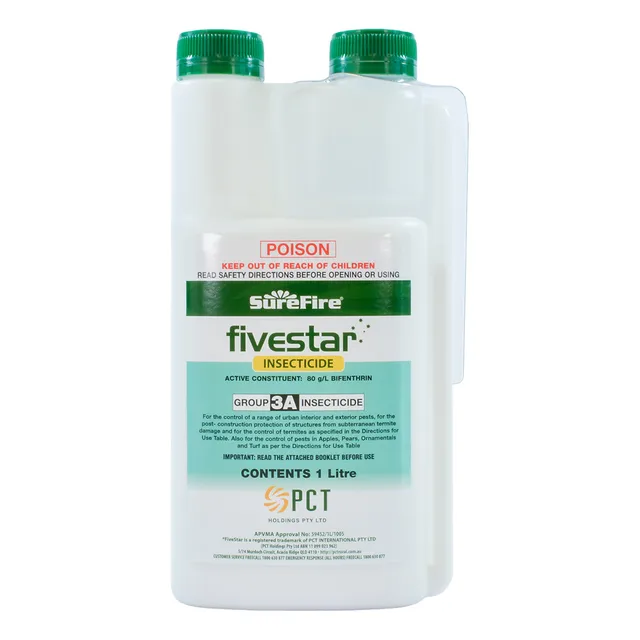
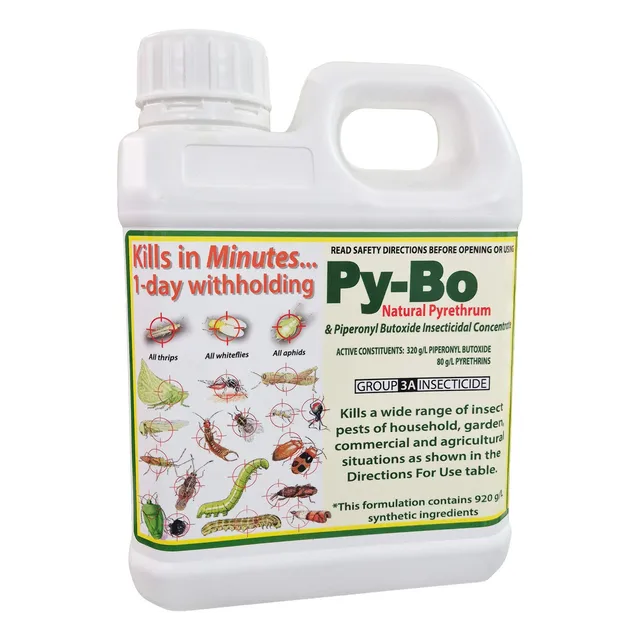
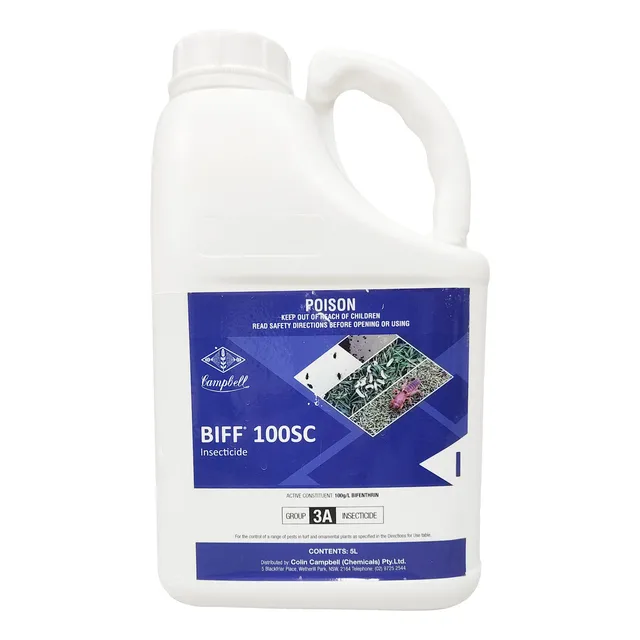
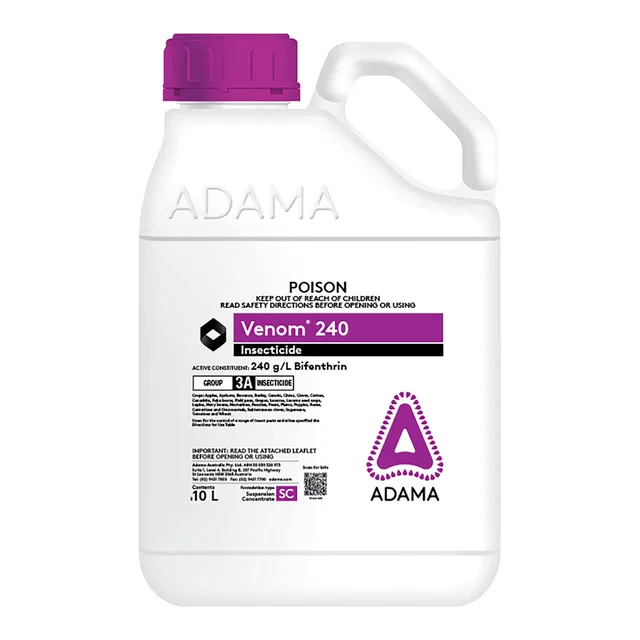
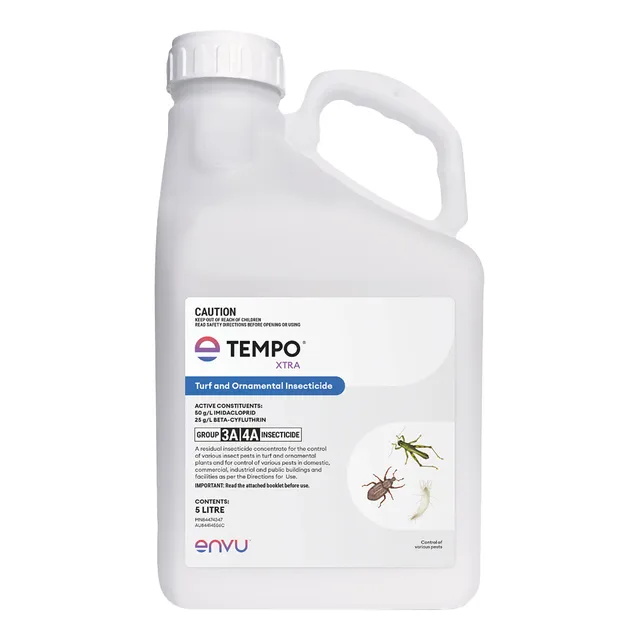
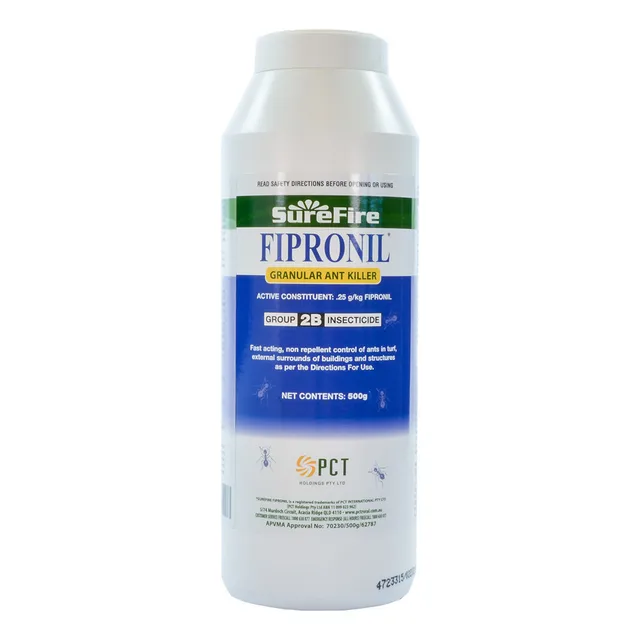
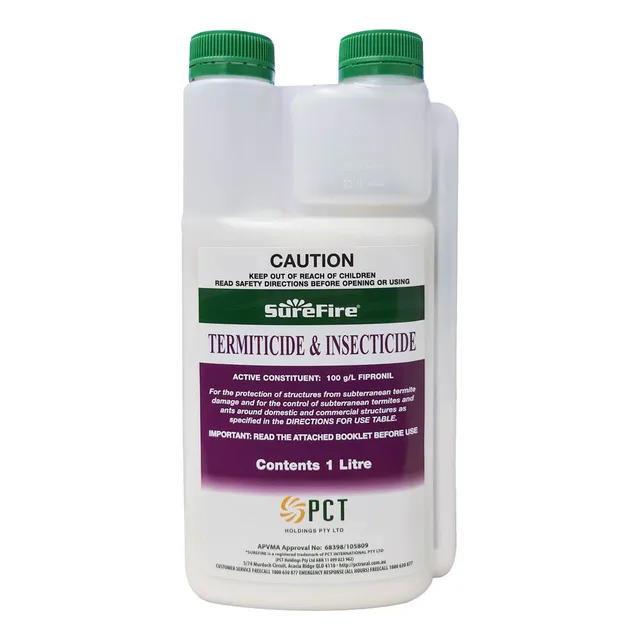


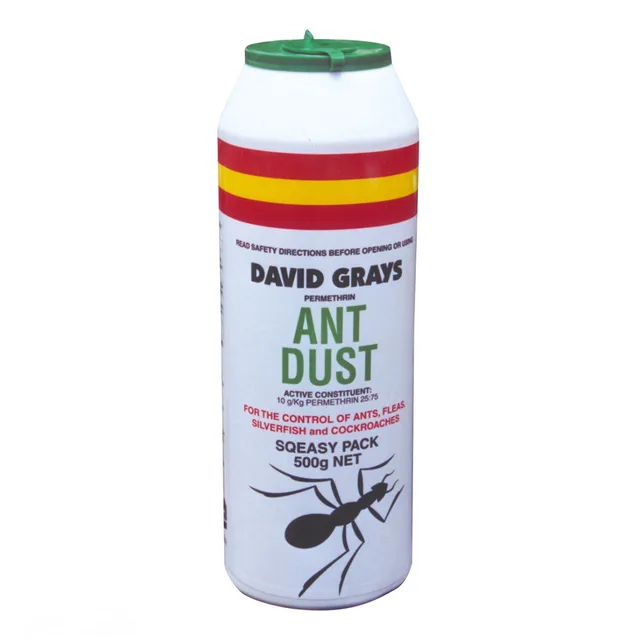
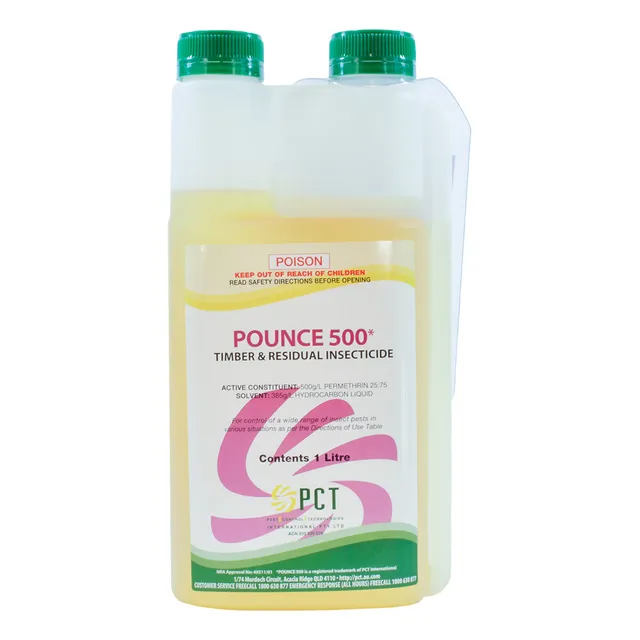
No products match those filters.