

Thistles
Various Genera: Primarily Cirsium, Carduus, and Onopordum
Thistles are prickly annual or perennial broadleaf weeds that compete with pasture, turf and crops and can taint produce and injure stock and workers.
Thistles are a large group of spiny broadleaf weeds within the daisy family (Asteraceae), commonly grouped under genera such as Cirsium (e.g. Scotch thistle, spear thistle, Californian thistle), Carduus (e.g. slender/nodding thistle, saffron thistle relatives) and Onopordum (cotton thistle, Illyrian thistle). While the species differ in detail, most share a rosette-forming habit, spine-tipped leaves and a purple, yellow or pink flower head enclosed by spiny bracts.
Seedlings emerge as a flat rosette of lobed, often waxy or hairy leaves with spines along the margins. As the plant matures it either stays as a low rosette (stemless or biennial types) or sends up an erect, ribbed or winged flowering stem up to 1–2 m tall, depending on species. Leaves are typically deeply lobed or toothed, dull green to greyish, and armed with sharp spines at the lobe tips. Flower heads are rounded or globular, surrounded by rows of spiny bracts, and range from purple-pink (most Cirsium and Carduus) to yellow (star thistle, saffron thistle). Flowering is followed by masses of wind-dispersed seed carried on a tuft of fine hairs (pappus), giving the familiar thistledown. Root systems vary from simple taproots in annual/biennial species to extensive creeping lateral roots in perennial species such as Californian thistle, which allows regrowth from root fragments.
Thistles occur across most of temperate and southern Australia, including pastures, roadsides, disturbed ground, crop margins and neglected turf or landscape areas. Annual and biennial species typically germinate with autumn or winter rains, forming rosettes over winter and flowering in spring to early summer; perennial species can persist year-round via their root systems and regrow after mowing or slashing.
Management relies on preventing seed set, since most species spread prolifically by wind-blown seed, and on exhausting root reserves in perennial types through repeated cultivation, slashing or targeted herbicide use at the rosette to early bud stage. Good pasture, turf or garden bed competition and prompt control of scattered plants before flowering reduce long-term infestations.
How to identify
- Spiny rosettes appearing in pastures, turf edges, garden beds or disturbed soil, often in patches on bare or overgrazed ground.
- Erect, spine-covered stems developing from rosettes, topped with purple, pink or yellow globular flower heads enclosed in spiny bracts.
- Dense stands reducing pasture or turf usability, causing injury to stock, mowing equipment and workers, and shading out desirable species.
- Fluffy, wind-borne seed heads (thistledown) present after flowering, indicating imminent seed spread.
- For perennial types such as Californian thistle, scattered shoots reappearing in the same area after slashing or shallow cultivation, arising from an extensive creeping root system rather than seed.
Field check: Dig around a suspect plant to check root type — a single taproot suggests an annual or biennial species, while a network of pale, cord-like lateral roots indicates a perennial thistle capable of regrowing from root fragments.
Lookalikes: Spiny sowthistles (Sonchus spp.) resemble true thistles but have softer, less rigid spines, hollow stems that exude milky sap when cut, and smaller yellow dandelion-like flowers rather than the tufted globular heads of Cirsium, Carduus and Onopordum. Correct identification matters because control timing and herbicide susceptibility can differ between these groups.
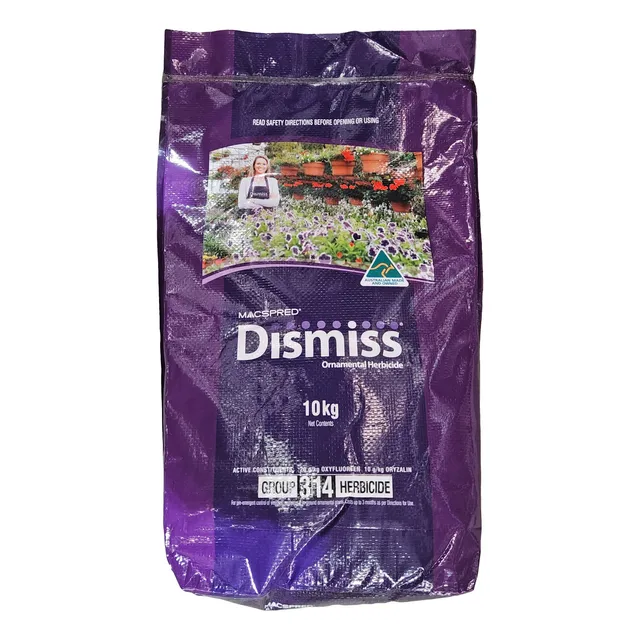
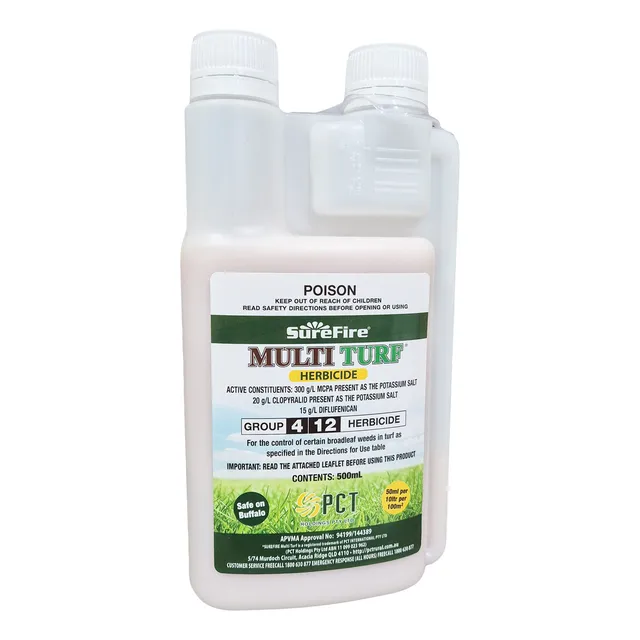
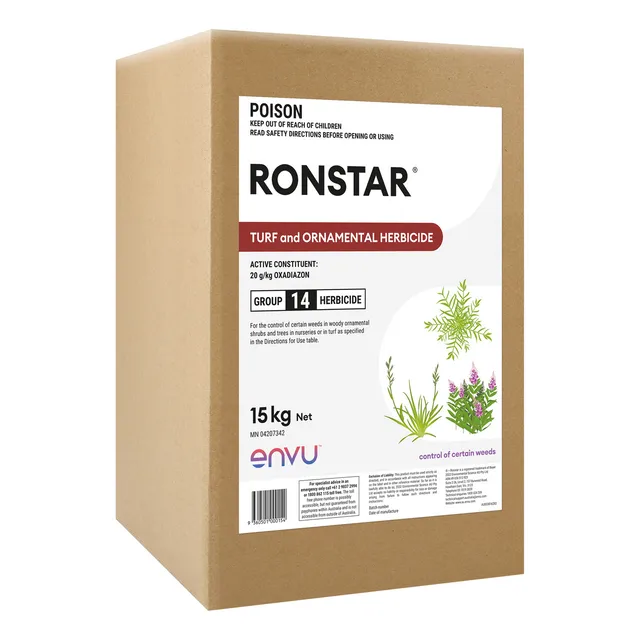
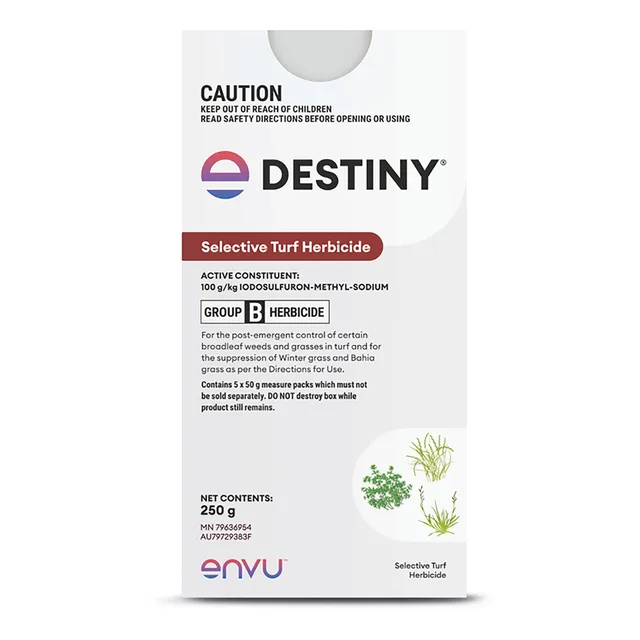
Registered products we stock




















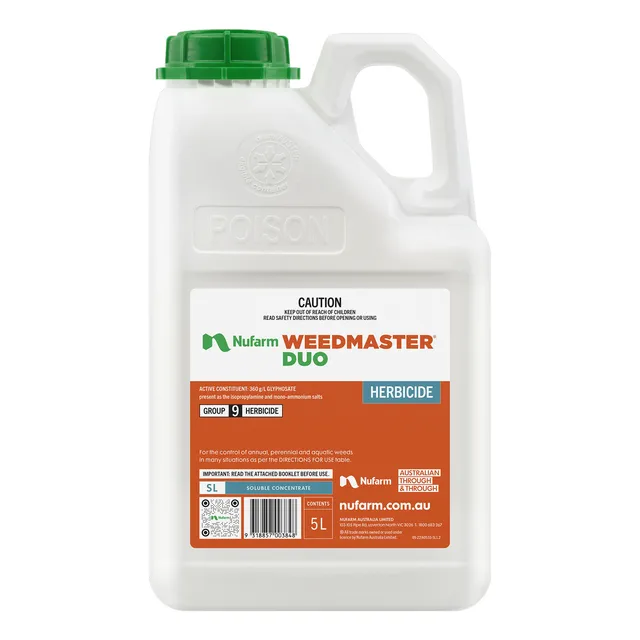







No products match those filters.