

Take-All Patch
Gaeumannomyces graminis var. avenae
Take-all patch is a root and crown rot fungus that kills patches of turf, especially bentgrass, in cool wet conditions.
Take-all patch is caused by the soilborne fungus Gaeumannomyces graminis var. avenae. It infects the roots, stolons and crowns of susceptible turfgrasses, producing dark brown to black runner hyphae on the root surface and blackened, rotted root tissue. Under close inspection with a hand lens, fine dark strands of mycelium can be seen running along the outside of infected roots and stem bases, and roots often pull away easily from the soil due to rot at the crown. Fruiting bodies are rarely obvious in the field, so diagnosis usually relies on the pattern of decline plus root and crown symptoms rather than visible spores.
The disease develops during cool, wet periods, typically autumn through to spring in temperate parts of Australia, and is favoured by high soil moisture, poor drainage, compacted soil and alkaline or recently limed conditions. Newly established turf, particularly bentgrass greens and fairways, and turf on sandy or low-organic-matter soils, tends to be most at risk. Symptoms often become most visible as circular patches during periods of stress such as summer heat, even though the root infection occurred months earlier.
Take-all patch is a recognised problem on golf course and bowling green turf in southern and temperate regions of Australia, particularly where creeping bentgrass or colonial bentgrass is grown. It is less common on couchgrass and warm-season turf species, which are generally more tolerant.
Management relies on cultural practices that reduce the conditions favouring the pathogen: improving surface and subsurface drainage, avoiding excess irrigation, correcting soil pH where it is high, and maintaining balanced nutrition, particularly avoiding nitrogen deficiency and excess phosphorus. Aerification to relieve compaction and topdressing with suitable materials can help roots recover. Overseeding or interseeding with more tolerant grass species is sometimes used on badly affected areas. Because the fungus persists in soil and thatch, cultural controls need to be maintained over successive seasons rather than expecting a quick fix.
How to identify
- Patch symptoms: circular to irregular patches of thinned, yellowing to bronze or reddish-brown turf, ranging from a few centimetres to over a metre across; patches may have a slightly sunken appearance and can enlarge over successive seasons.
- Patch pattern: affected patches often show a ring or frog-eye effect, with declining turf around the outer edge and some recovery or weed encroachment in the centre of older patches.
- Root and crown check: lift a plug of turf from the margin of a patch and wash the roots; look for dark brown to black discolouration and rotting of roots, stolons and crown tissue, and fine dark fungal strands running along the root surface, best seen with a hand lens.
- Field check: gently tug on turf within the patch — plants with rotted roots and crowns will pull away from the soil much more easily than healthy turf just outside the patch.
- Timing clue: root infection and patch initiation usually occur during cool, wet weather, though visible decline may not show until the turf is stressed by heat or drought later in the season.
- Lookalikes: other patch diseases such as fairy ring or summer patch can produce similar circular symptoms; fairy ring is usually accompanied by a distinct thatch layer with mycelium and sometimes mushrooms, while summer patch tends to affect different grass species and shows less obvious dark root staining. Laboratory confirmation of the pathogen is recommended where the disease is suspected for the first time.
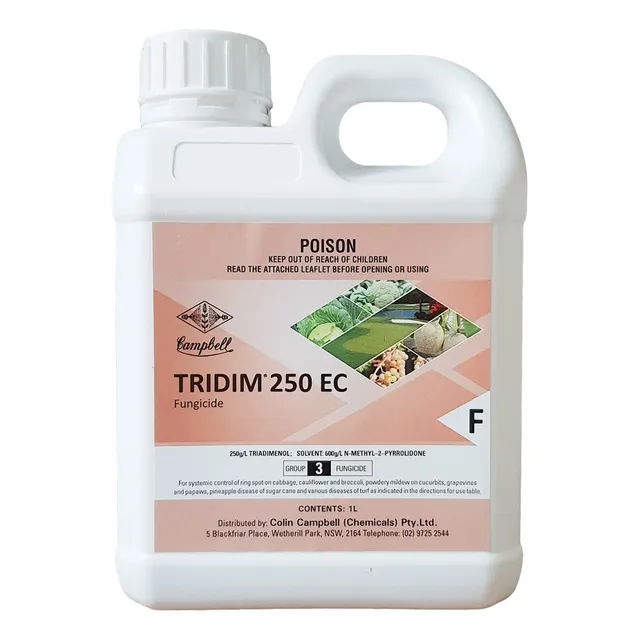
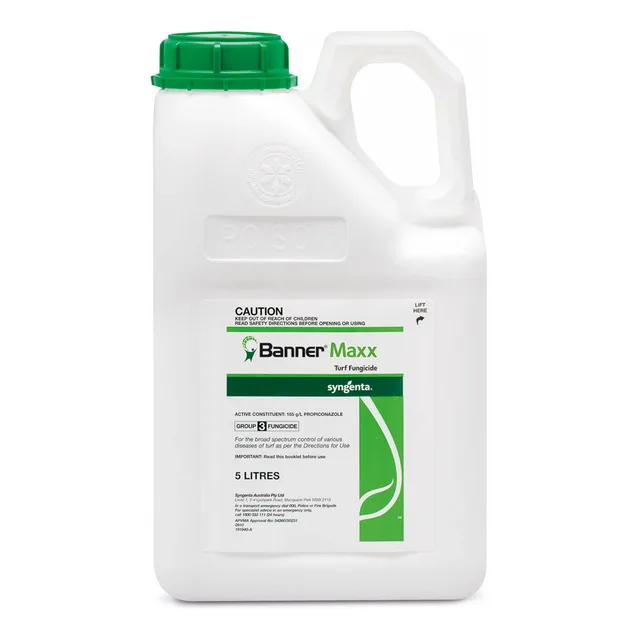
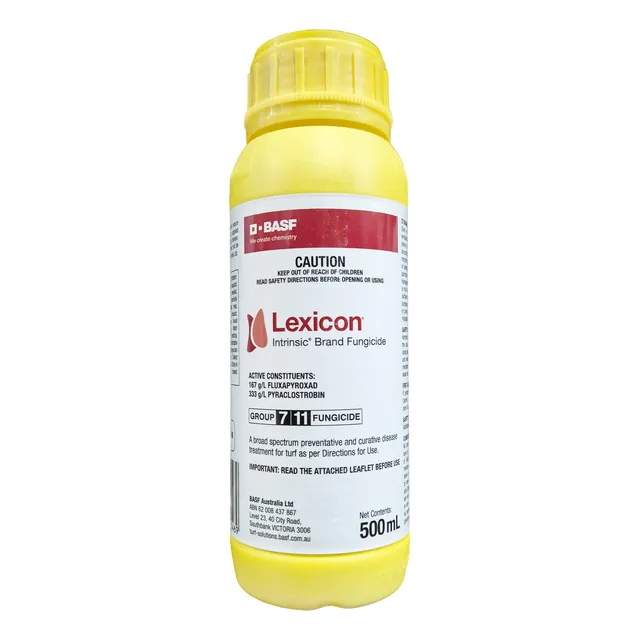
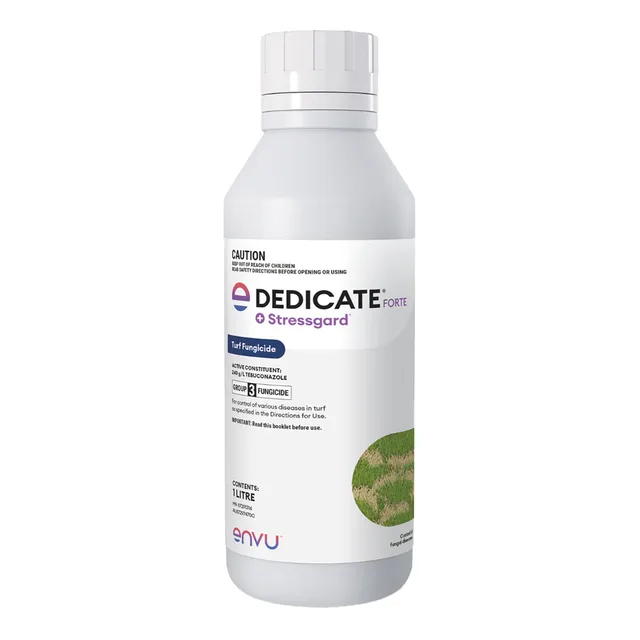
Registered products we stock
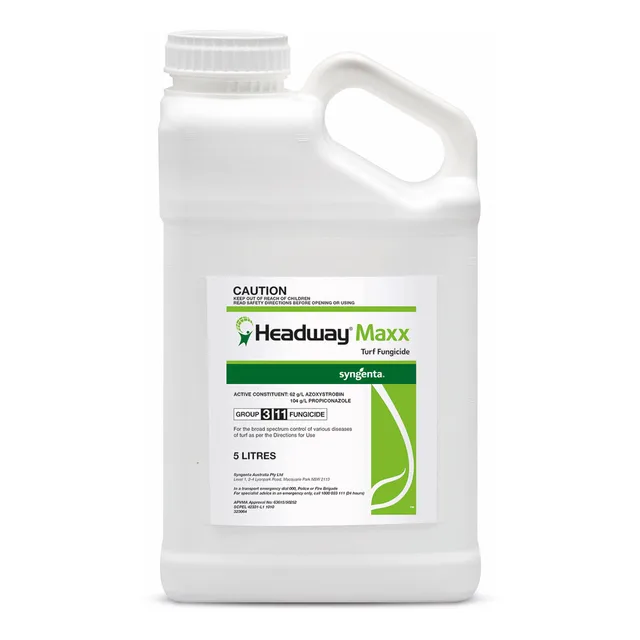
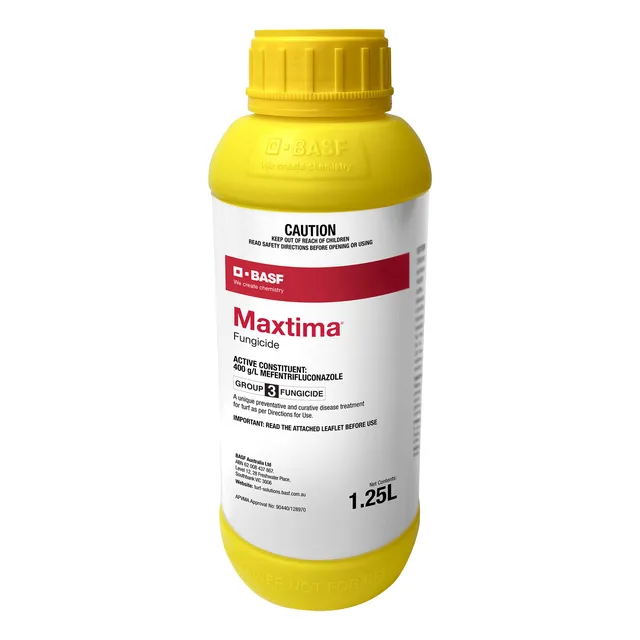
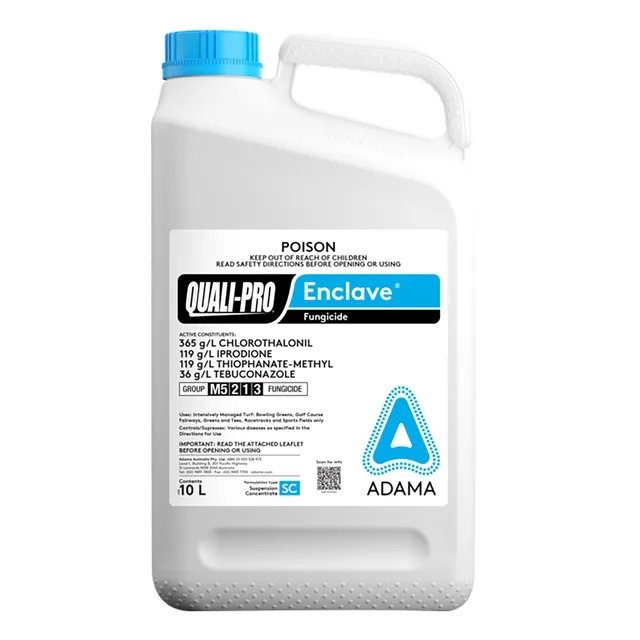
No products match those filters.