

Summer Grass
Digitaria
Summer grass is a fast-spreading annual grass weed that germinates in warm soil and competes aggressively in turf, garden beds and nursery production.
Summer grass is a low-growing, tufted annual grass with a sprawling or semi-erect habit. Stems root at the lower nodes where they touch soil, allowing a single plant to spread outward and form a mat over a metre or more across if left unchecked. Leaves are flat, pale to mid-green, with a fringed ligule and a somewhat hairy leaf sheath and blade base, giving the foliage a slightly soft, downy feel in many species.
The seed head is distinctive: several finger-like spikes radiate from a single point at the top of the stem, a feature shared across Digitaria species and giving rise to the common name crab grass. Seed heads appear from early to mid-summer once plants mature, and each plant can produce large numbers of seed that shed readily and persist in the soil seed bank.
Summer grass is a warm-season annual that germinates from spring once soil temperatures rise consistently, growing rapidly through summer and setting seed before dying off with the first cold weather of autumn or winter. It is common throughout turf, garden beds, nursery production areas and disturbed or bare soil across most of Australia, particularly where irrigation or summer rainfall keeps soil moist.
Because it relies entirely on seed for spread and reproduction, management focuses on preventing seed set and disrupting germination. Pre-emergent control timed ahead of spring germination is the most reliable approach, combined with maintaining dense, competitive turf or groundcover to reduce bare soil available for establishment. Seedlings and young plants can be controlled while actively growing before they set seed; established, seeding plants are harder to manage and contribute heavily to next season's population.
How to identify
- Pale green, coarse-textured patches appearing in turf during summer that contrast with the colour and density of the desired turf species
- Sprawling, mat-forming growth with stems rooting at nodes, often first noticed along garden bed edges, cracks in paving or thin/bare turf areas
- Finger-like seed heads radiating from a single point at the stem tip, visible from early to mid-summer
- Rapid re-infestation each season from soil-stored seed, even after visible plants are removed
Field check: Part the turf canopy or foliage to check the base of the stem — summer grass stems are flattened and root at the nodes where they contact soil, distinguishing it from upright bunch-forming grasses. Confirm identity by looking for the multi-fingered seed head, which is diagnostic for Digitaria.
Lookalikes: Summer grass is commonly confused with winter grass (Poa annua), but winter grass is a cool-season weed that germinates in autumn/winter and has a distinct seed head panicle rather than finger-like spikes. It can also be confused with couch or kikuyu runners; unlike these desirable turf species, summer grass is an annual that dies off completely over winter and re-establishes from seed each spring.
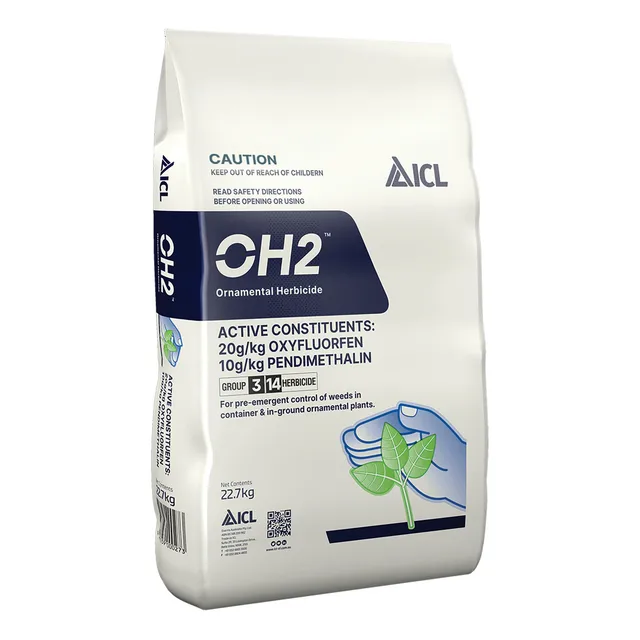
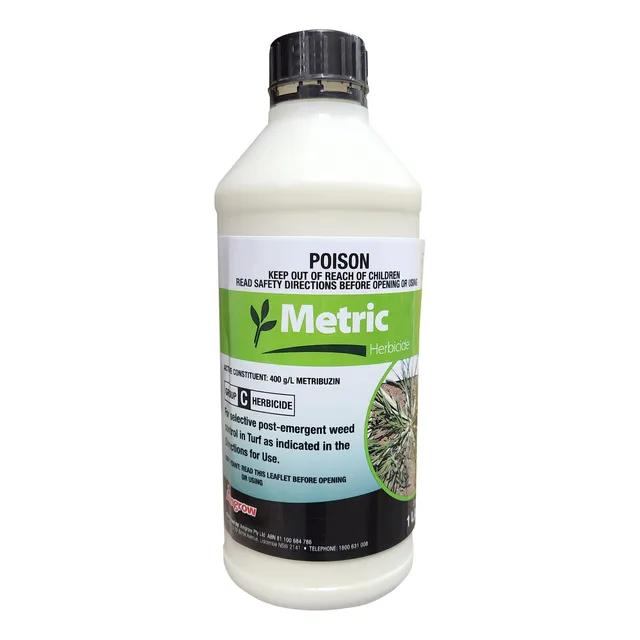
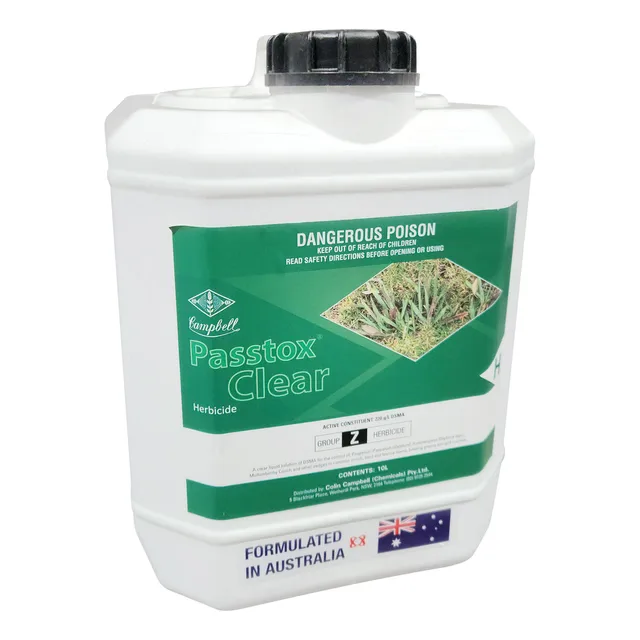
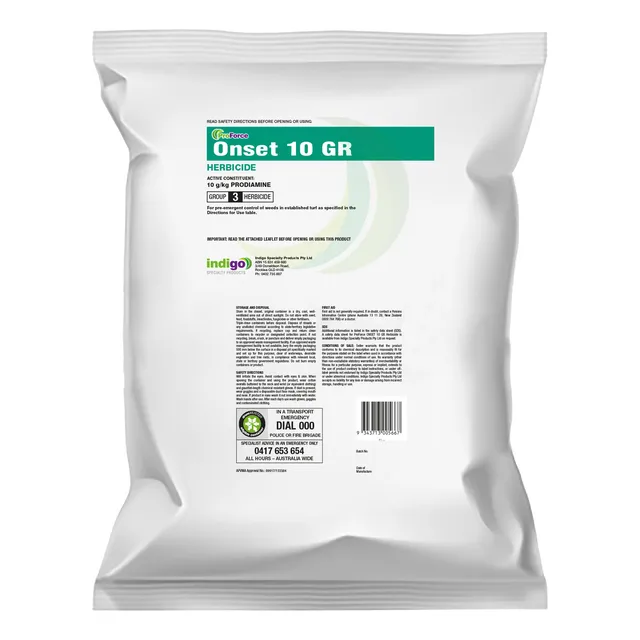
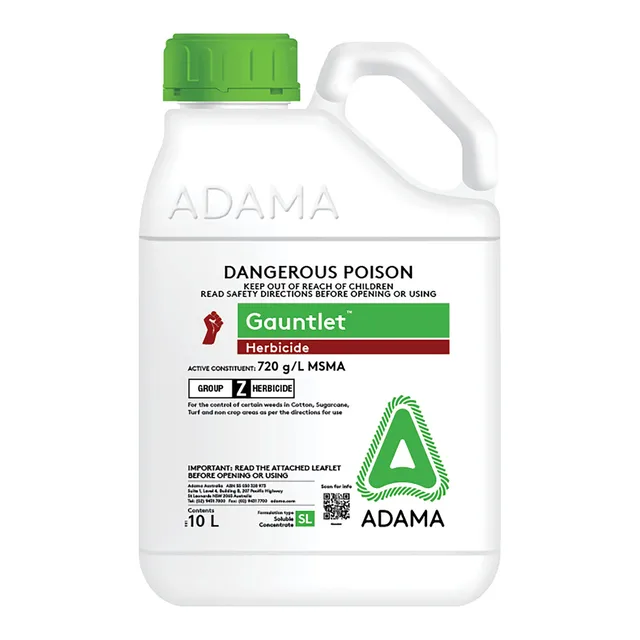
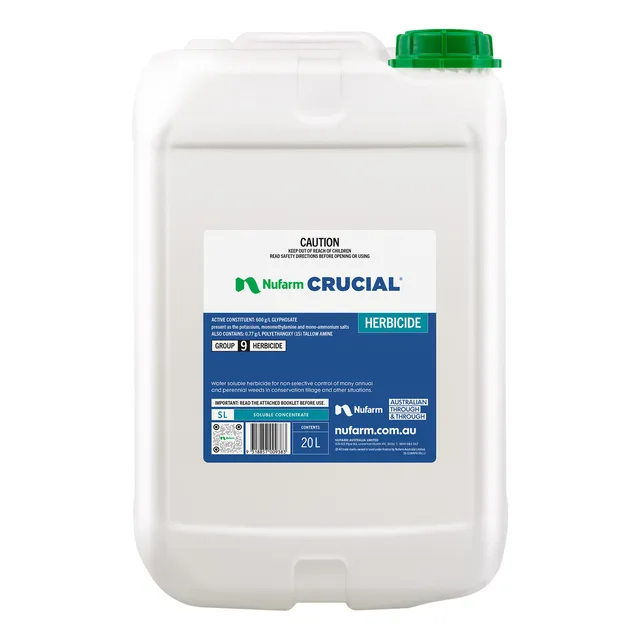
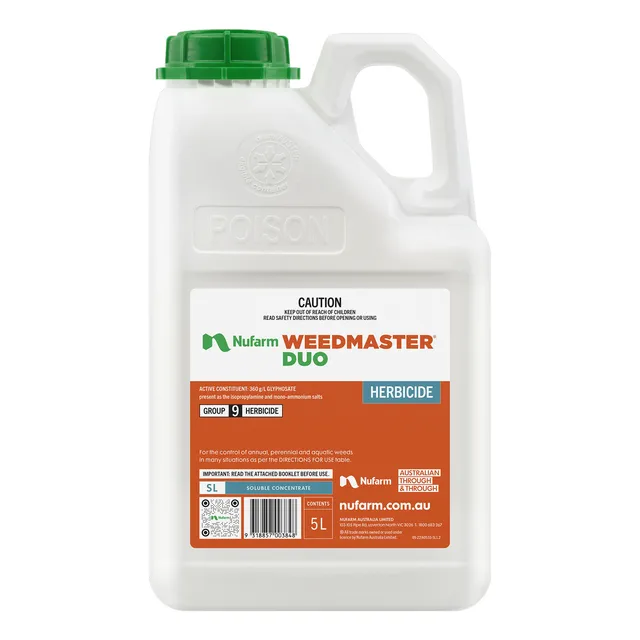
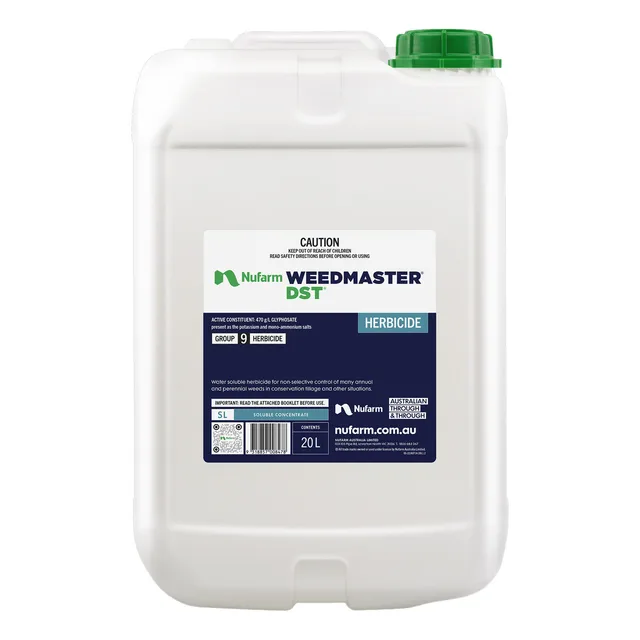
Registered products we stock
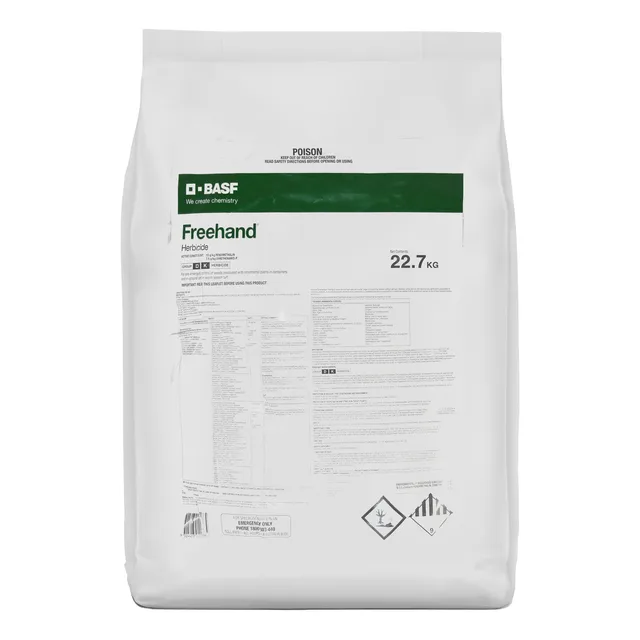

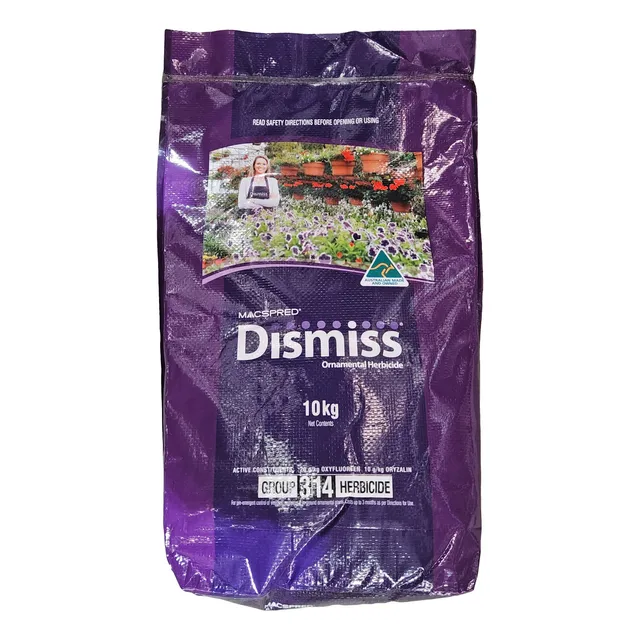

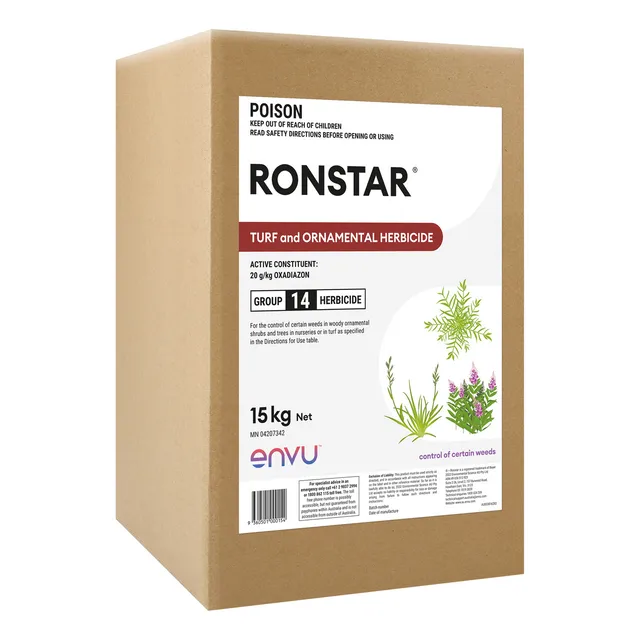

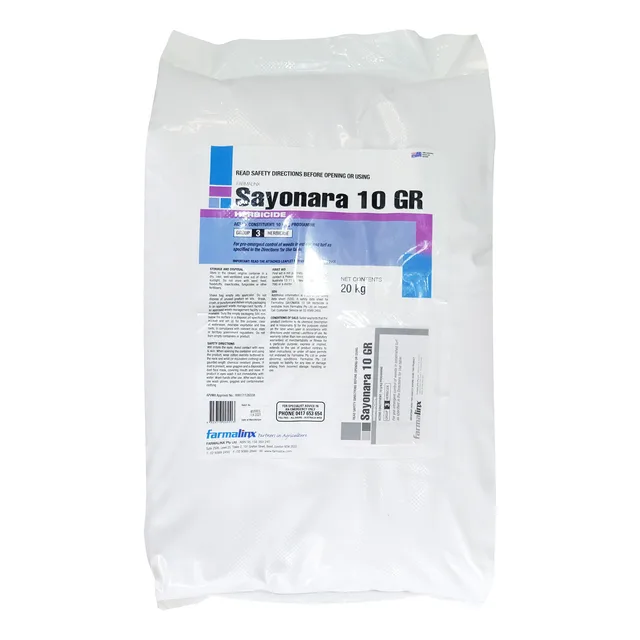








No products match those filters.