

Spurge
Euphorbia spp.
Spurge is a common mat-forming or upright summer weed found in nurseries, turf and garden beds, recognised by its milky sap and small cup-like flowers.
Spurge is the common name applied to a group of weedy Euphorbia species found across Australian horticultural and turf situations, including petty spurge, sun spurge and spotted spurge. Most are annuals, though some behave as short-lived perennials in warmer climates, and they are grouped together here because they share a distinctive family trait and similar management approach.
All spurges exude a milky white latex sap when a stem or leaf is broken, which is the most reliable feature for recognising the group. Growth habit varies by species: petty and sun spurge grow as upright to sprawling annual herbs to about 30-40 cm tall with pale green, alternate, oval to spoon-shaped leaves, while spotted spurge is a low, prostrate mat-former with small rounded leaves that often carry a dark reddish blotch in the centre. Flowers are inconspicuous, greenish-yellow, cup-shaped structures called cyathia clustered at stem tips or leaf axils, maturing into small three-lobed seed capsules that split explosively to scatter seed. Roots are typically shallow and fibrous to taproot in form, making young plants relatively easy to hand-pull, though the sap can irritate skin and eyes on contact.
Spurges germinate readily from soil-stored seed once soil temperatures warm in spring and through summer, making them a frequent problem in nursery pots, garden beds, cracks in paving and thin or open areas of turf. Seed can remain viable in soil for extended periods, and a single plant can produce large numbers of seed within a few weeks of germination, allowing rapid re-infestation if plants are left to mature.
Management relies on preventing seed set through regular cultivation, hand removal or mowing before flowering, combined with maintaining dense, competitive turf or well-mulched garden beds to reduce germination opportunities. In containerised nursery production, weed mat, mulch toppings and sanitation of potting media help limit establishment. Because of the explosive seed dispersal mechanism, controlling plants early — before capsules form — is important to prevent spread within a production area.
How to identify
- Milky sap: breaking a stem or leaf releases a white, latex-like sap — the key identifying feature separating spurge from most lookalikes.
- Growth pattern: upright annual growth (petty spurge, sun spurge) or low prostrate mats (spotted spurge) appearing in nursery pots, garden beds, turf and disturbed or bare soil during warmer months.
- Flowers/seed heads: small greenish-yellow cup-shaped clusters at stem tips, developing into three-lobed capsules that split and eject seed when mature.
- Leaf detail: spotted spurge leaves often show a small dark red-brown blotch in the centre, useful for distinguishing it from similar prostrate weeds.
- Field check: snap a stem or petiole — genuine spurge will bleed milky sap within seconds; this is the simplest way to confirm identification in the field.
- Lookalikes: prostrate spurge can be confused with other low mat-forming summer weeds such as pigweed (portulaca) or clover, but these lack milky sap; upright spurges can resemble young seedlings of other broadleaf weeds until the sap test is applied.
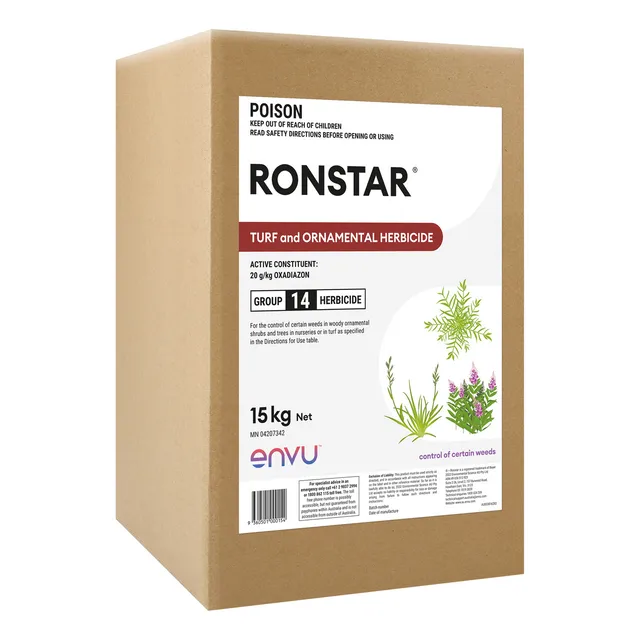
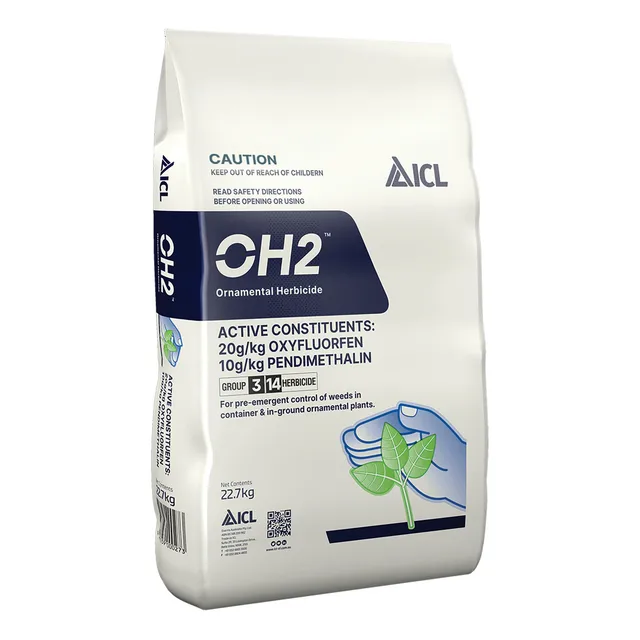
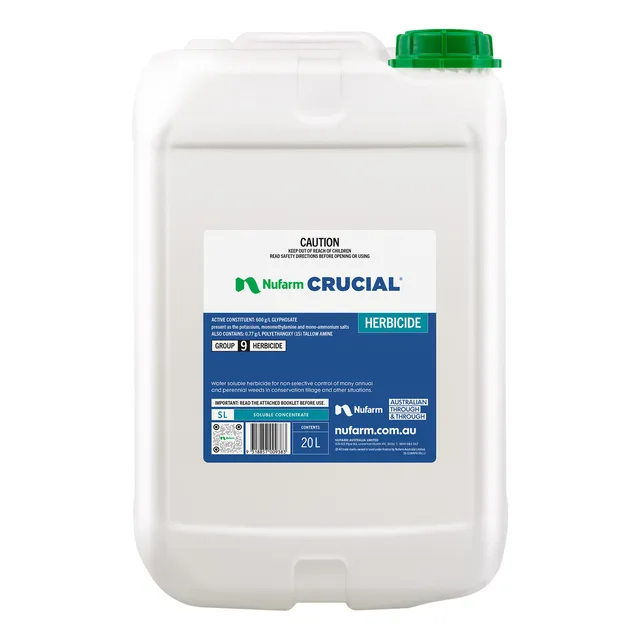
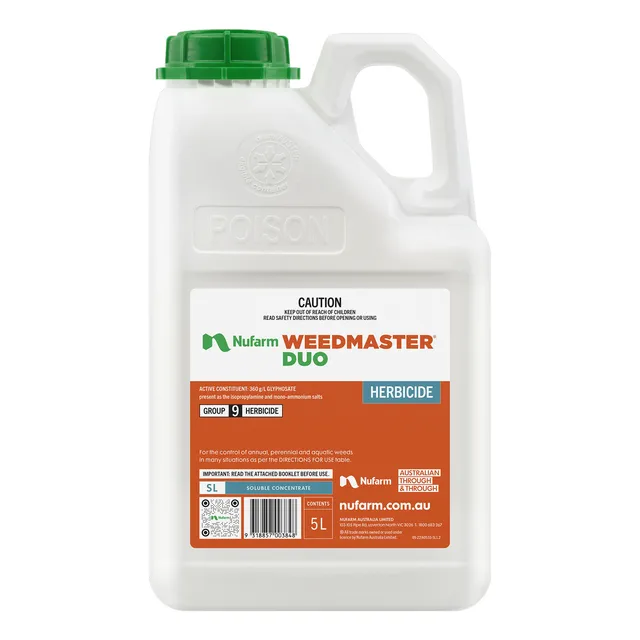
Registered products we stock


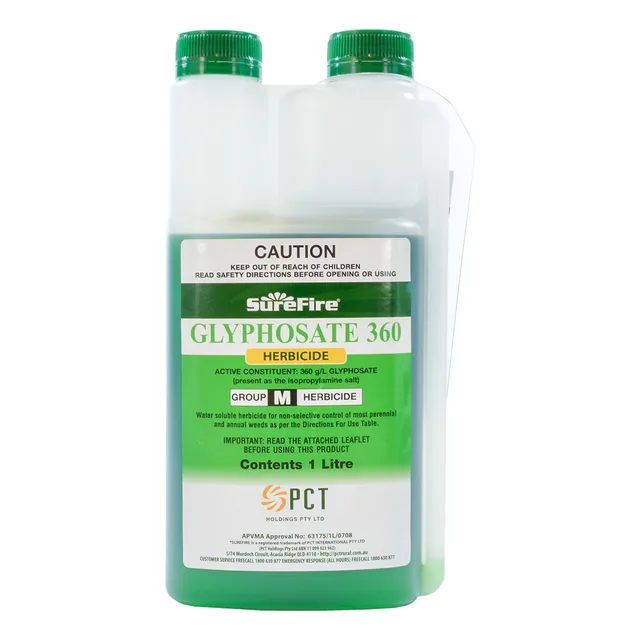
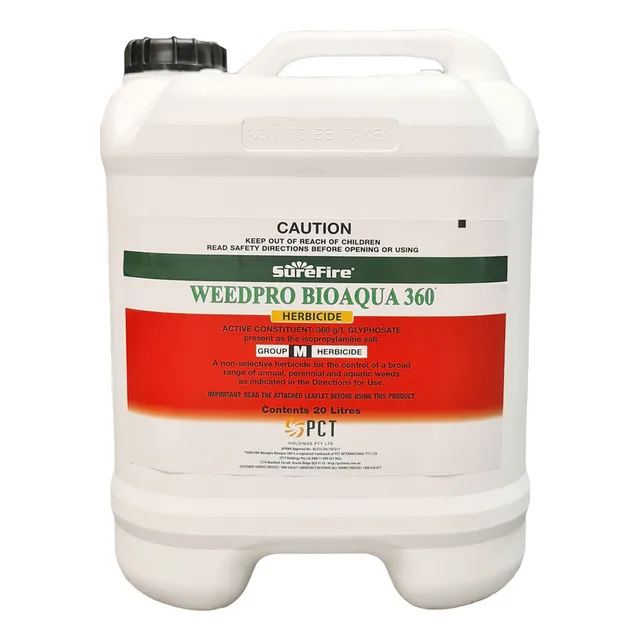
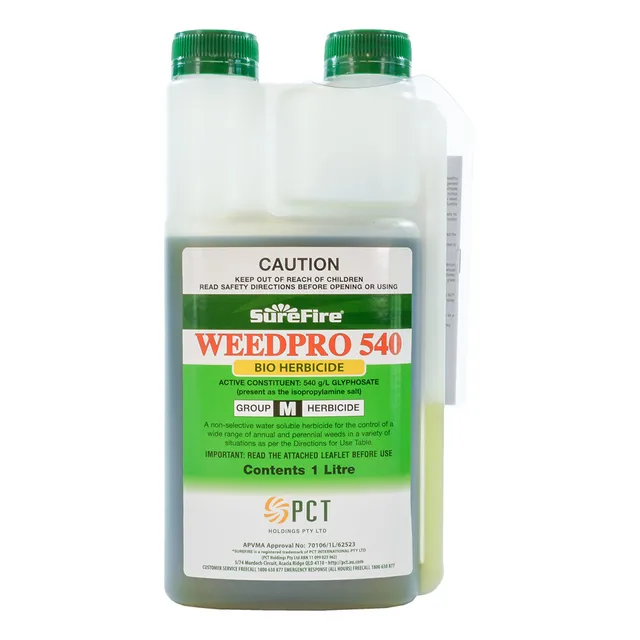
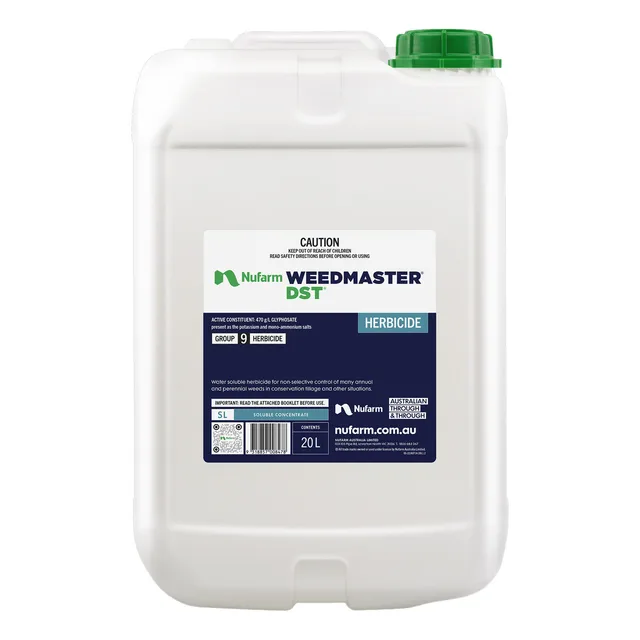
No products match those filters.