

Soursob
Oxalis pes-caprae
Soursob is a winter-growing bulbous weed with clover-like leaves and yellow flowers that competes strongly with pasture, turf and garden beds.
Soursob is a perennial herb that grows from an underground bulb, producing clusters of small bulbils around the parent bulb each season. The leaves are trifoliate, resembling clover, with each leaflet heart-shaped to inverted-triangular in outline and mid-green, often marked with small purplish spots on the upper surface. Leaves and flower stalks arise directly from the bulb at ground level on long stalks, giving the plant a low, rosette-like habit typically 10 to 30 cm tall. The flowers are bright yellow, five-petalled and funnel-shaped, borne in clusters of several blooms atop slender stems held above the foliage.
The plant reproduces almost entirely by vegetative means in Australia, rarely setting viable seed. A single parent bulb can produce numerous small bulbils each year, and these are readily spread by cultivation, soil movement, mowing equipment and floodwater. The main bulb sits several centimetres below the surface, with fine roots and a cluster of bulbils forming around it, making the plant difficult to remove completely by hand pulling or shallow cultivation.
Soursob is widespread across southern Australia, particularly in Western Australia, South Australia, Victoria, New South Wales and Tasmania. It grows actively through the cooler, wetter months of autumn, winter and spring, then dies back and becomes dormant over summer as the foliage senesces and the bulb and bulbils persist in the soil.
It is a significant weed of pastures, orchards, vineyards, turf, garden beds and disturbed ground, where it competes with desirable plants for light, moisture and nutrients during its active growing season. Because the bulbs and bulbils survive dormancy and resist mechanical control, effective management usually relies on repeated foliar herbicide applications timed during active growth, combined with measures to prevent bulbil spread through soil, mulch and machinery.
How to identify
- Dense clover-like foliage: low mats of trifoliate, heart-shaped leaflets appearing in autumn through spring, often with purple spotting on the upper surface.
- Bright yellow flowers: funnel-shaped blooms held in small clusters above the foliage during the cooler growing season.
- Competition and smothering: dense infestations can suppress germination and growth of pasture species, turf and garden plants by shading the soil surface and competing for moisture and nutrients.
- Summer die-back: foliage yellows and collapses as temperatures rise, leaving the site apparently weed-free until the bulbs resprout the following autumn.
To confirm the identification, dig carefully around the base of a plant to expose the underground bulb and surrounding cluster of small bulbils; the presence of numerous rice-grain-sized bulbils around a central bulb is characteristic of soursob and distinguishes it from true clovers (Trifolium spp.), which have a fibrous root system and no bulbs. It can also be confused with pink or creeping oxalis species, which have similar trifoliate leaves but produce pink or white flowers rather than yellow, and may lack the dense bulbil cluster typical of soursob.
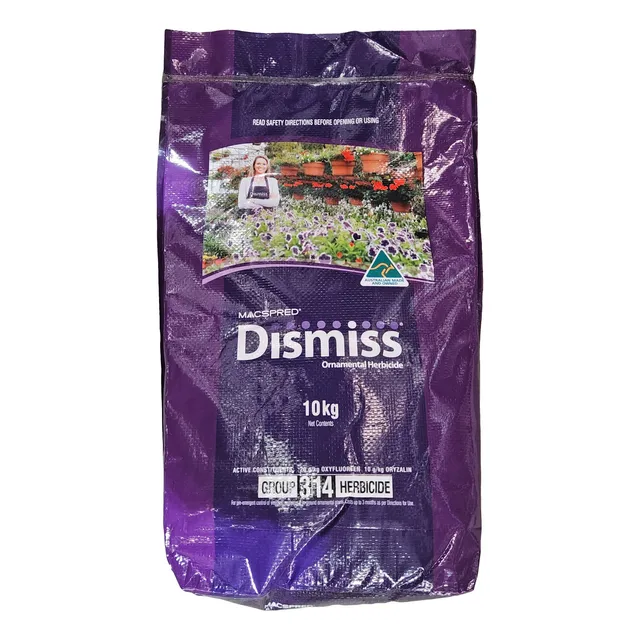
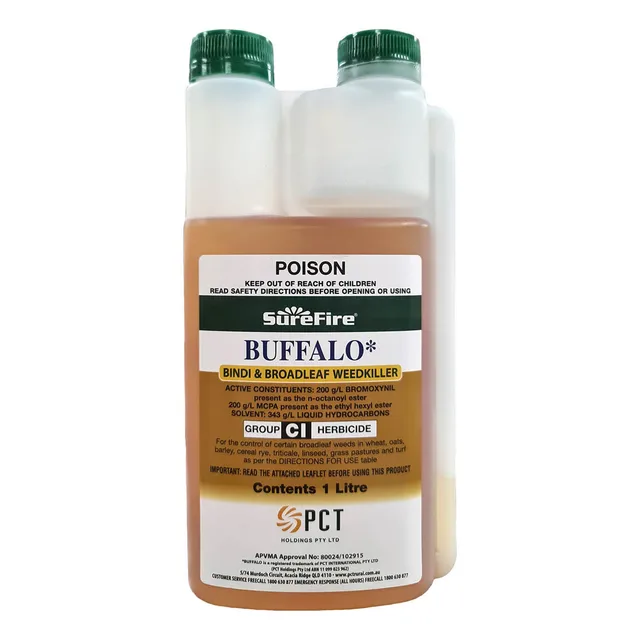
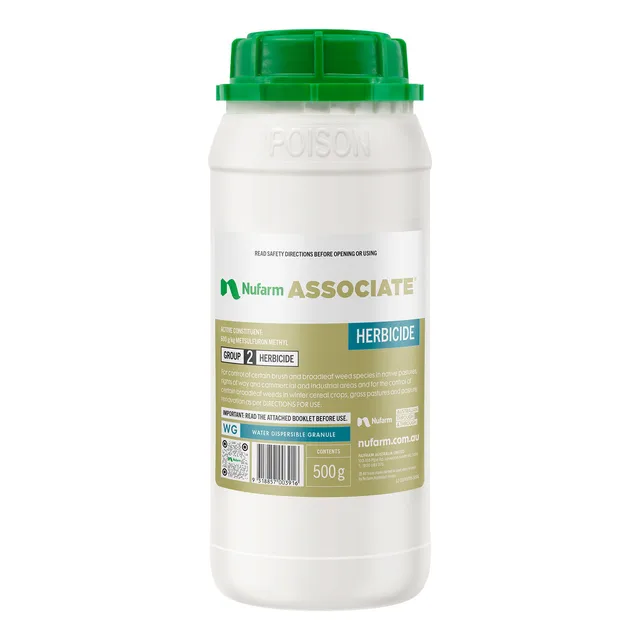
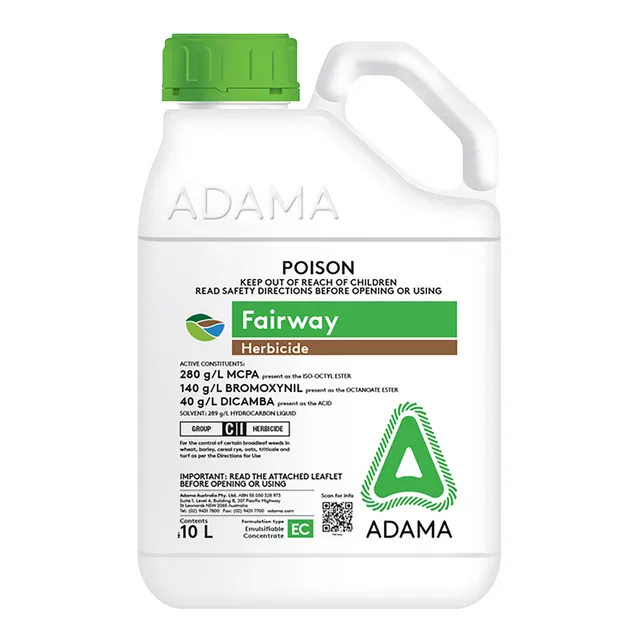
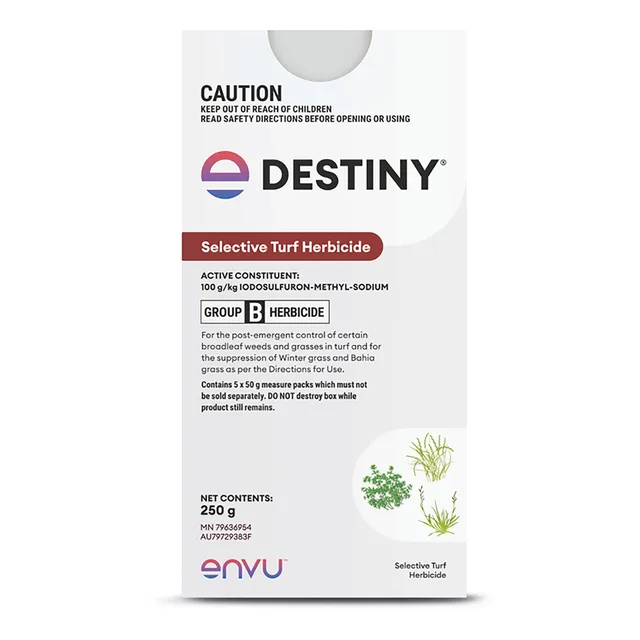
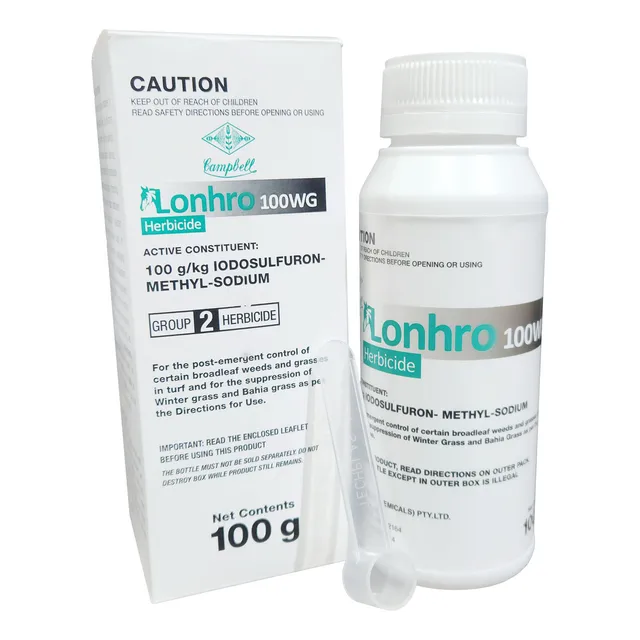
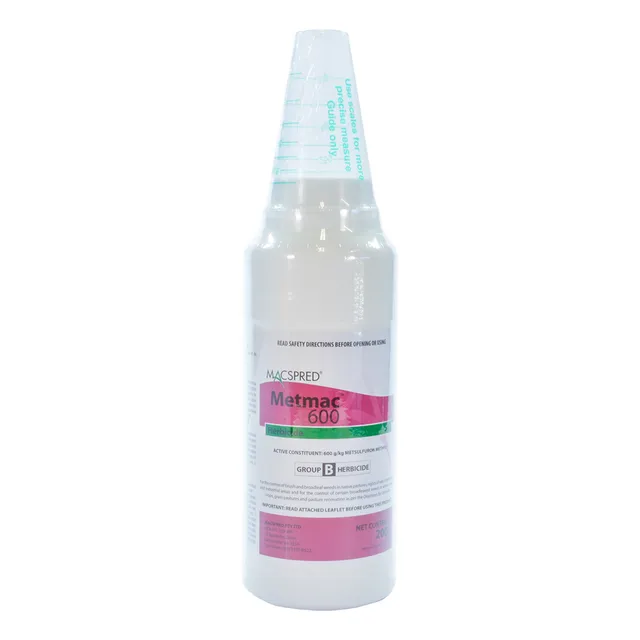
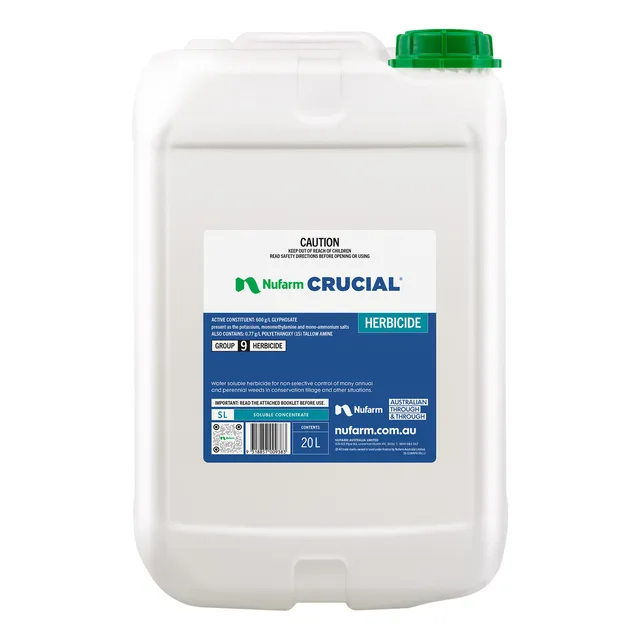
Registered products we stock

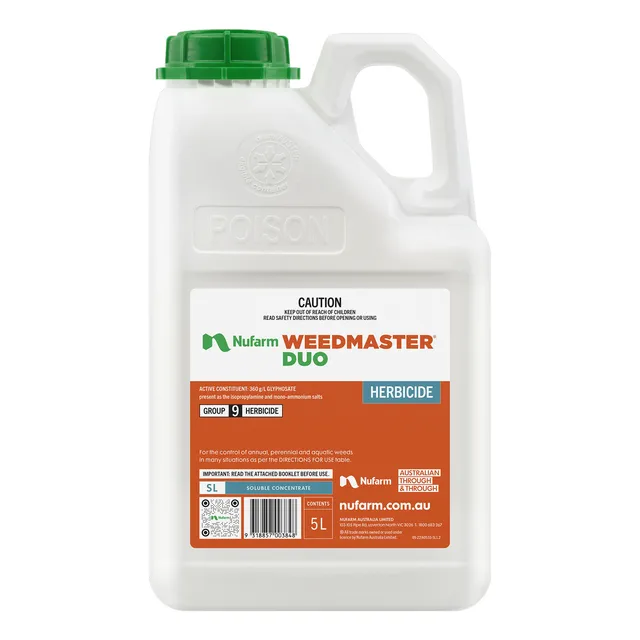
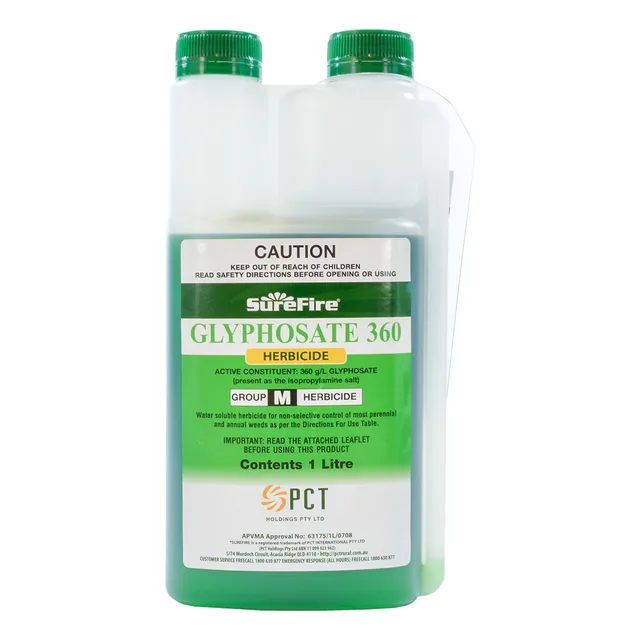
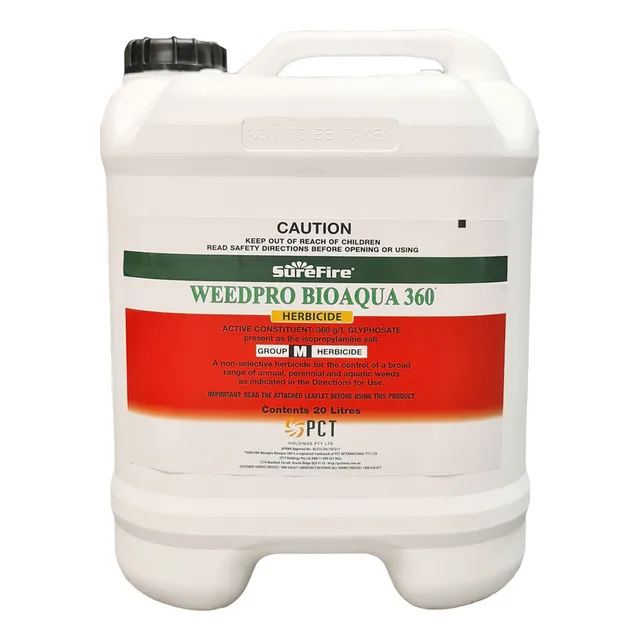
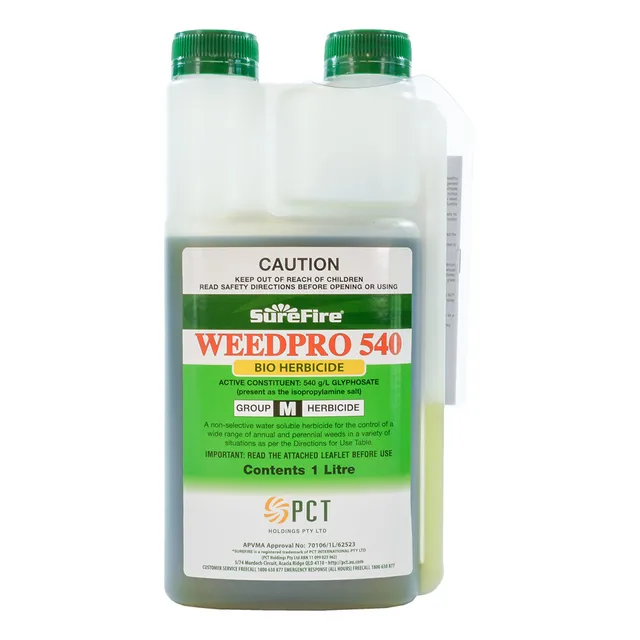
No products match those filters.