

Scale
Coccoidea
Scale insects are sap-sucking pests that form waxy or shell-like coverings on stems and leaves, weakening plants and promoting sooty mould.
Scale insects are a large group of sap-sucking insects in the superfamily Coccoidea, encompassing both armoured (hard) scale and soft scale species. They attack a wide range of ornamental, fruit, citrus, turf-adjacent and landscape plants across Australia, and most species are host-specific to a degree, though many are polyphagous across woody ornamentals and fruiting trees.
Adult female scale insects are typically wingless and sedentary, appearing as small, immobile bumps ranging from 1–8 mm depending on species. Hard (armoured) scales such as red scale or oystershell scale have a separate waxy shell-like covering over a soft body beneath, coloured grey, brown, white or reddish depending on species; this covering is not attached to the insect and can be flicked off with a fingernail or pin, revealing the insect or empty cast skin underneath. Soft scales such as brown soft scale or pink wax scale have the wax fused to their body, giving a smooth, dome-shaped, cottony or waxy appearance in shades of brown, pink, white or yellow, and they excrete honeydew. Juvenile stages (crawlers) are the only mobile life stage — tiny, flat, yellow to orange nymphs that emerge from under the female's covering and disperse over the plant before settling and inserting their mouthparts to begin feeding, after which they lose mobility and begin forming their own covering. Adult males, where present, are small, short-lived, winged insects rarely seen.
Scale populations build up on stems, leaf undersides, leaf axils and sometimes fruit, favouring sheltered, less-disturbed parts of the plant. They are spread short distances by crawlers walking or being blown by wind, and longer distances via infested plant material, nursery stock or cuttings. Ants are often associated with soft scale infestations, feeding on the honeydew they produce.
Management relies on regular monitoring for crawlers and early infestations, encouraging natural enemies such as parasitic wasps and predatory beetles, pruning out heavily infested material, and targeting the vulnerable crawler stage when treatment is warranted, since the waxy covering of settled scale protects them from many contact controls.
How to identify
- Visible bumps or crusts: small waxy, shell-like or cottony bumps on stems, leaf undersides, leaf axils and sometimes fruit; colour and shape vary by species (flat and shell-like for hard scale, domed and waxy for soft scale).
- Honeydew and sooty mould: soft scale species excrete sticky honeydew onto leaves and surfaces below, which supports black sooty mould growth and often attracts ants.
- General decline: yellowing, leaf drop, dieback of twigs, and reduced vigour or fruit quality on heavily infested plants, particularly under stress or in sheltered, low-airflow positions.
- Field check: scrape or flick a suspected hard scale with a fingernail or blunt blade — if the covering lifts away separately from a soft body or empty cast skin underneath, this confirms armoured scale. For soft scale, gently press a bump; a soft-bodied insect that yields (rather than a hard plant gall or lenticel) confirms scale.
- Lookalikes: mealybugs are mobile, segmented and covered in loose white mealy wax rather than a fixed shell or dome — they move when disturbed, whereas settled scale does not. Plant lenticels, galls or bark texture can be mistaken for scale but lack a soft body underneath when scraped.
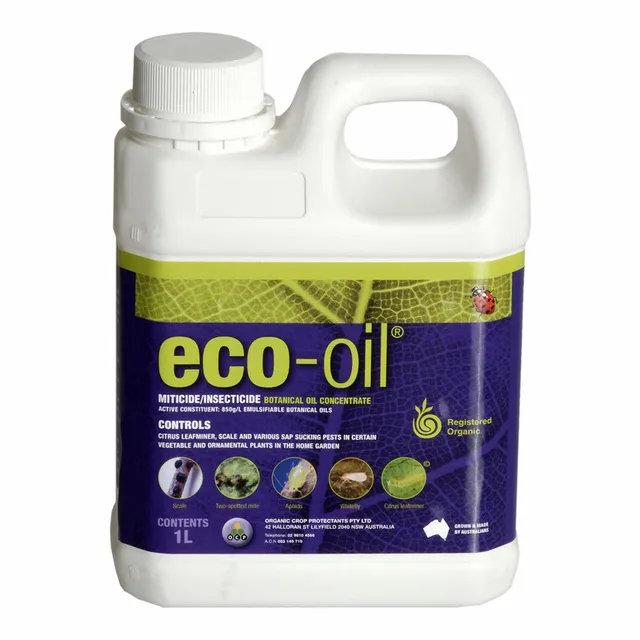
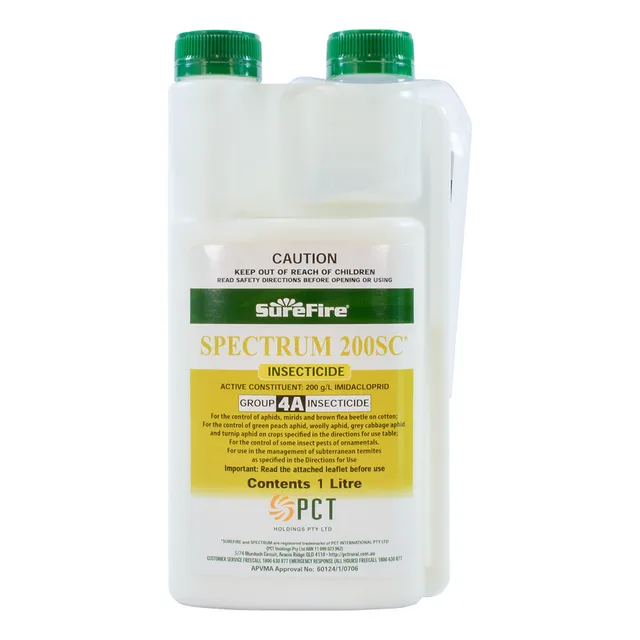
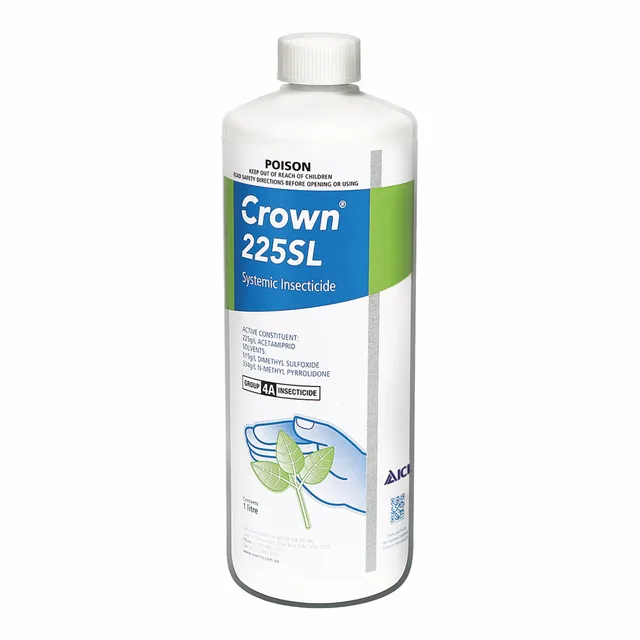
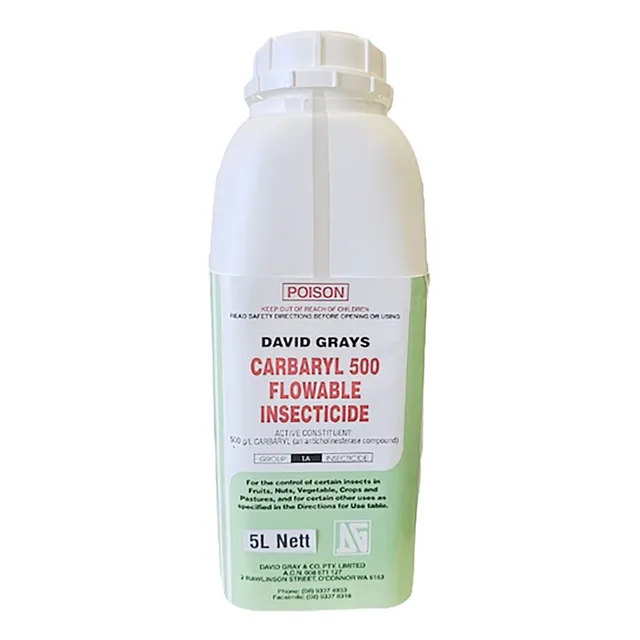
Registered products we stock


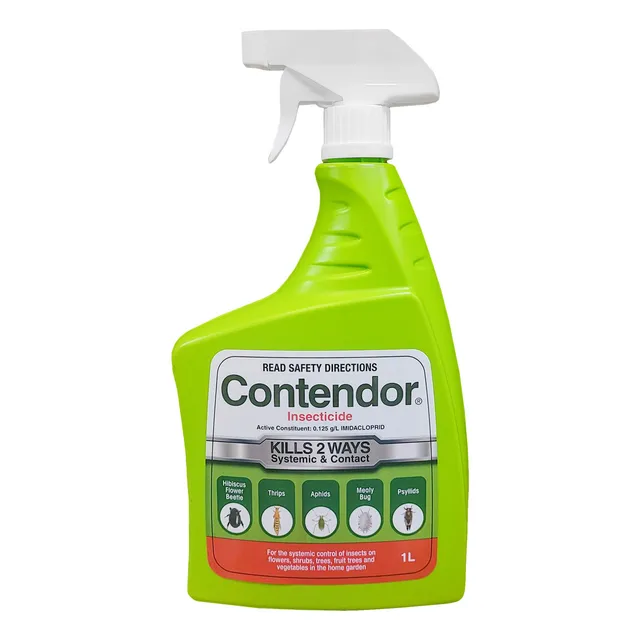
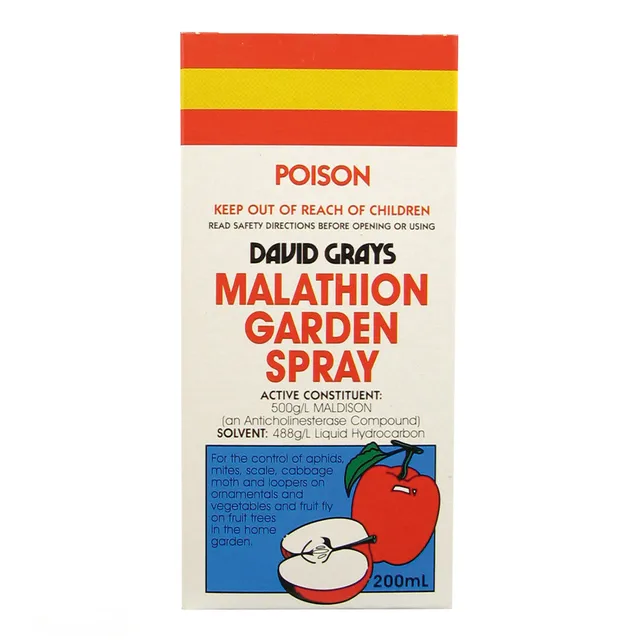
No products match those filters.