

Rutherglen Bug
Nysius vinitor
A mobile sap-sucking bug that swarms in warm, dry conditions and damages seedlings, flowers and fruit across many horticultural crops.
The adult Rutherglen bug is a slender, greyish-brown insect about 4-5 mm long with a narrow, elongated body and clear wings held flat over the back, giving a mottled grey-brown appearance. It is an active flier and can be seen running rapidly over foliage and flowers, especially when disturbed. Nymphs are wingless, smaller, and range from pale grey to reddish-brown as they mature, with a more rounded, soft-bodied appearance; they cluster on leaves, flower heads and developing seed pods, often in large numbers.
Rutherglen bug is a native Australian pest that builds up on inland weeds and pasture, particularly capeweed and other broadleaf weeds, over spring. As these host plants dry off or are cut, large populations migrate on warm northerly or westerly winds into cropping and horticultural districts, sometimes arriving in sudden, dense swarms.
It is a generalised feeder, attacking a wide range of hosts including vegetable seedlings, ornamentals, fruiting crops, nursery stock and some turf species, particularly during warm, dry spring and summer periods. Both adults and nymphs feed by piercing plant tissue and withdrawing sap, favouring soft new growth, flowers, developing seed and fruit.
Management relies on monitoring for migratory influxes, particularly after warm dry spells following rain, and inspecting susceptible crops closely during flowering and fruit set when damage potential is highest. Reducing weedy host plants such as capeweed around production areas, and maintaining plant vigour to help tolerate light feeding pressure, are useful cultural measures. Because populations can arrive suddenly in large numbers and move on quickly, timing of control action is important.
How to identify
Feeding damage from Rutherglen bug depends on the crop and plant stage affected:
- Seedlings: wilting, collapse or death of young plants due to sap removal, sometimes mistaken for damping off or moisture stress.
- Flowers and buds: distorted or aborted flowers, reduced seed set, and characteristic browning or shrivelling of floral parts.
- Fruit and seed pods: small discoloured or sunken feeding marks, pitting, or malformed fruit, particularly on stone fruit and some vegetable crops.
- General foliage: speckling or slight silvering on leaves from repeated piercing, though this is usually minor compared to reproductive damage.
To confirm Rutherglen bug, inspect flower heads, terminal growth and fruit clusters closely, particularly in the cooler parts of the day when the insects are less active and easier to spot. Adults will often scatter and fly when foliage is disturbed, which helps distinguish them from less mobile pests. Nymphs are found clustered in the same feeding sites as adults and lack wings.
Lookalikes: Rutherglen bug can be confused with other small sap-sucking bugs such as green vegetable bug nymphs or other seed bugs, but its narrow grey-brown body, rapid movement and tendency to occur in large migratory swarms during hot, dry weather are distinguishing features. Aphid infestations can cause similar distortion of new growth but aphids are slow-moving, clustered, and lack the elongated shape and quick flight response of Rutherglen bug.
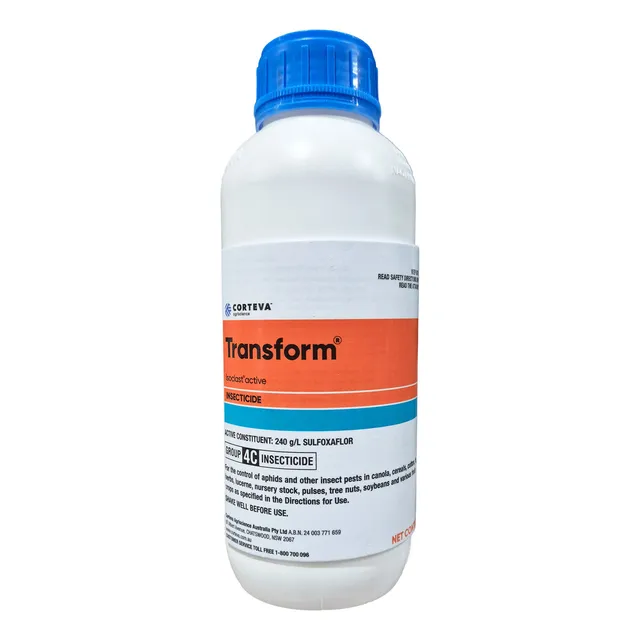
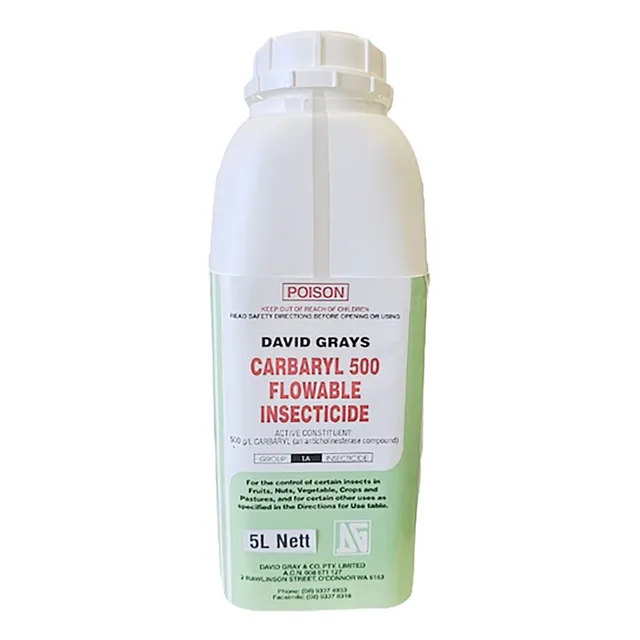
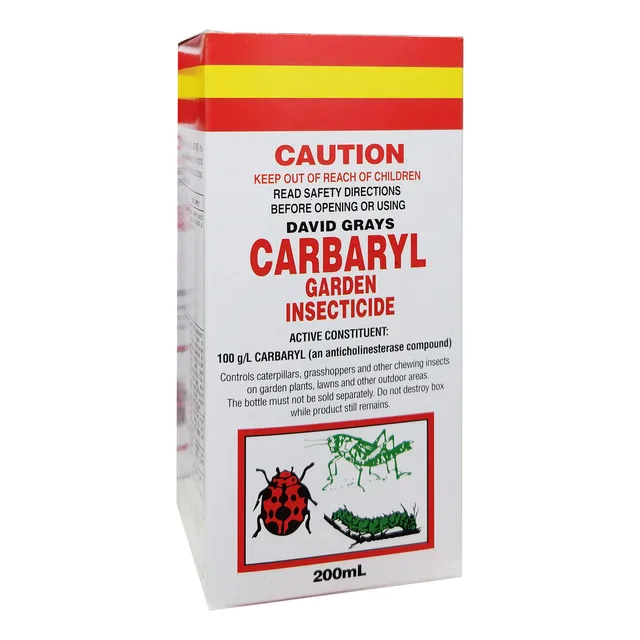
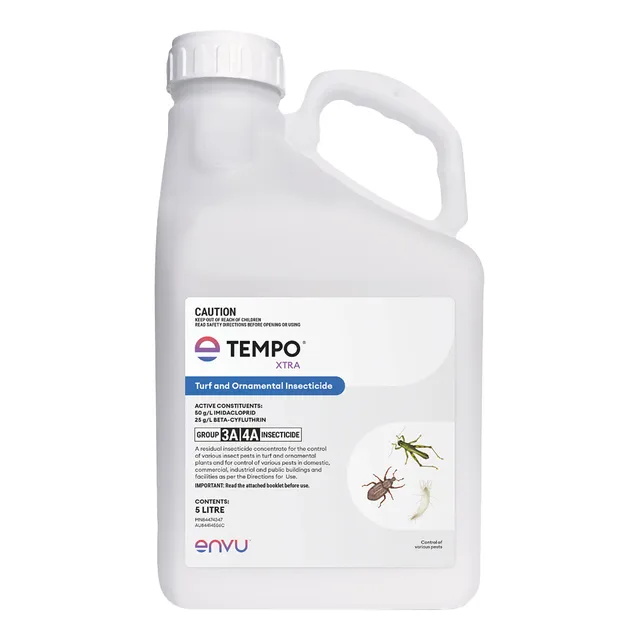
Registered products we stock
No products match those filters.