

Scarab Beetles
Scarabaeidae spp.
Scarab beetle larvae (curl grubs) feed on turf roots, causing patchy dieback that lifts easily from the soil.
Scarab beetles are a large family of beetles, several species of which are significant turf and pasture pests in Australia, including Argentinian scarab, African black beetle, pruinose scarab and various green scarab species. It is the larval stage, commonly called curl grub, that causes the damage in turf, while adult beetles are more often a nuisance or feed on foliage of trees and shrubs.
Adult beetles are typically 10–25 mm long, oval and convex in shape, with a hard shell that may be black, brown, or metallic green depending on species. Some are covered in a fine white or grey powdery bloom (pruinescence), giving them a dusty appearance. Adults are often seen at night flying to lights, or resting on foliage during the day. The larvae, or curl grubs, are C-shaped, cream to greyish-white with a darker brown head capsule and three pairs of small legs near the front of the body. They range from around 5 mm in newly hatched (first instar) larvae up to 20–30 mm in mature third instar grubs. Larvae live in the soil beneath turf or mulch, feeding on organic matter and plant roots.
Scarab larvae are most active and cause the most root damage from late summer through autumn, when populations build up following adult flights and egg-laying in spring and early summer. Adult beetle flights are often triggered by warm, humid conditions after rain, typically from spring into summer.
Management relies on regular monitoring of turf for larvae, particularly in warmer months, since damage is often not obvious until root loss is severe. Maintaining healthy, deep-rooted turf through appropriate irrigation, mowing height and fertility helps turf tolerate low-level larval feeding. Biological controls, including birds and other predators, can reduce populations, and cultural practices such as reducing excess irrigation in late summer can make conditions less favourable for egg survival.
How to identify
- Above ground: irregular patches of turf that appear drought-stressed, yellowing or dying despite adequate watering; turf may feel spongy or lift easily like a loose carpet due to severed roots.
- Increased digging activity: birds, foxes or other animals scratching at the turf surface searching for grubs, which can worsen surface damage.
- Confirming the pest: cut and peel back a section of affected turf at the edge of a damaged patch and count the C-shaped grubs present in the top 5–10 cm of soil; several grubs per square metre can indicate a damaging population, though the threshold varies by species and turf type.
- Lookalikes: curl grubs are sometimes confused with African black beetle larvae, which are similar in shape but generally straighter-bodied and found at different times of year; adult beetles can be mistaken for other large beetles such as click beetles, but scarabs have a distinctive clubbed antennae and stouter body shape.
- Adult sightings: numbers of beetles seen flying around outdoor lighting on warm evenings in spring and summer can indicate an active local population likely to lay eggs in nearby turf.
Registered products we stock
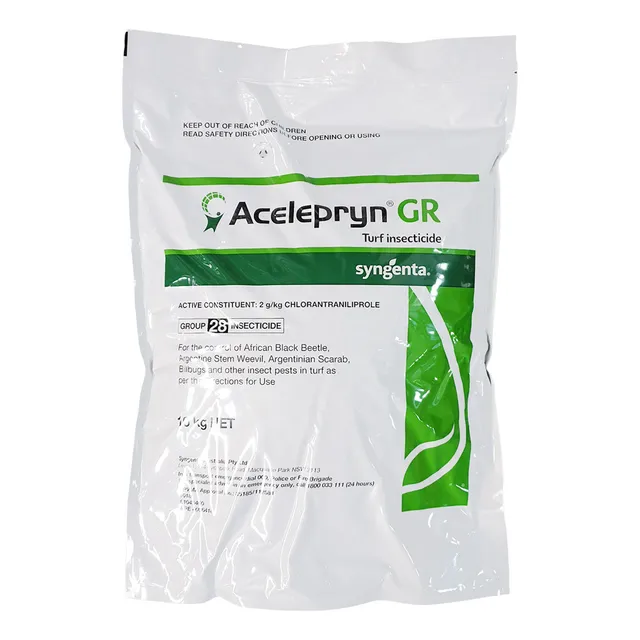


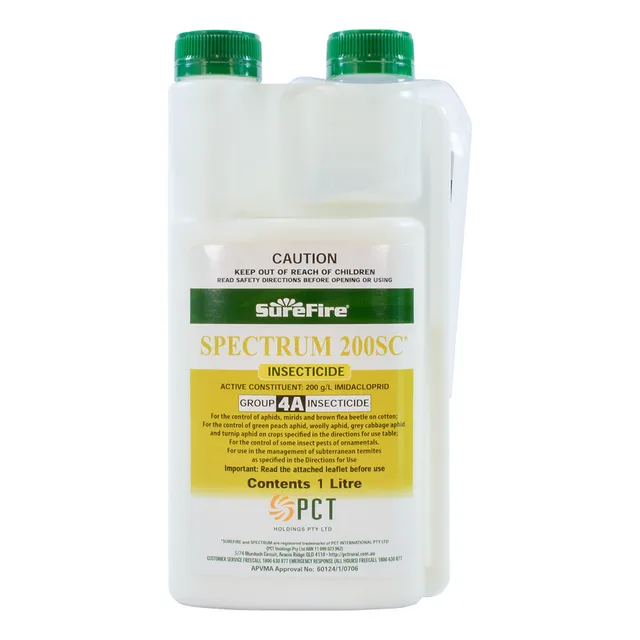

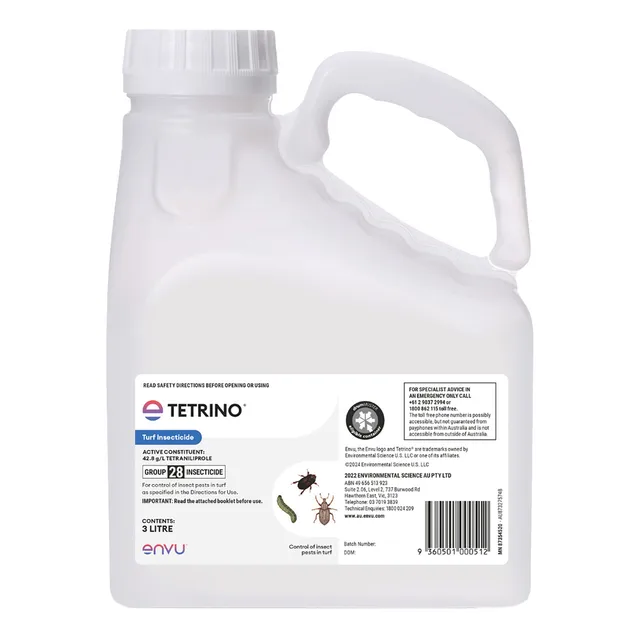
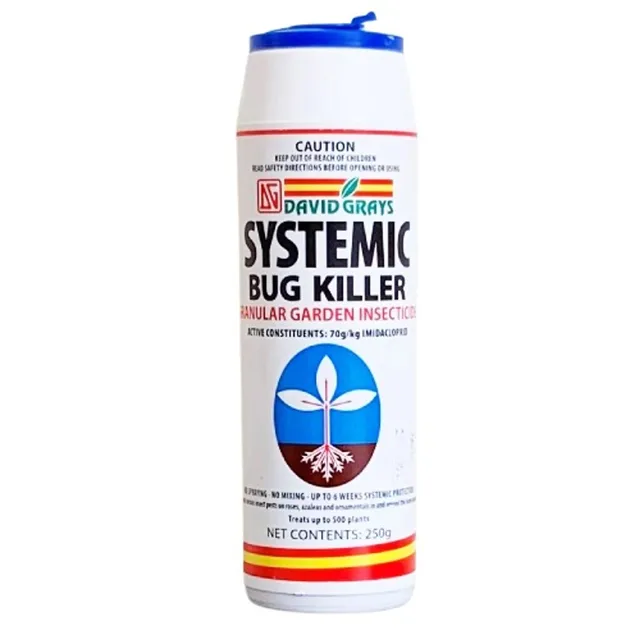
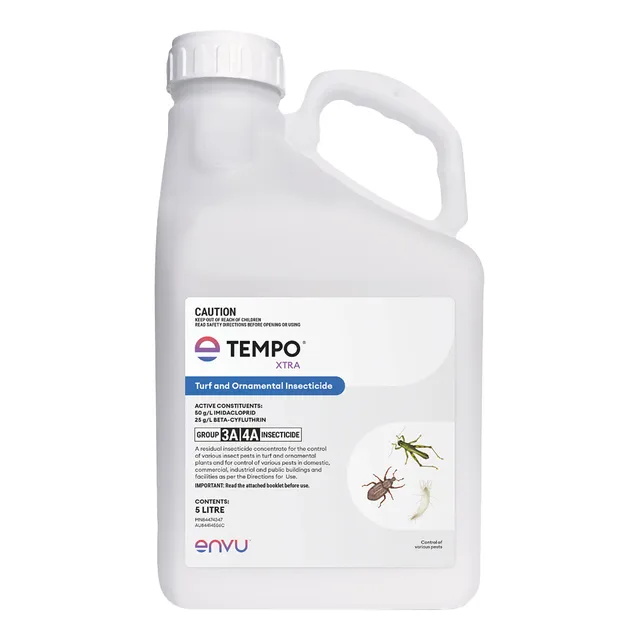
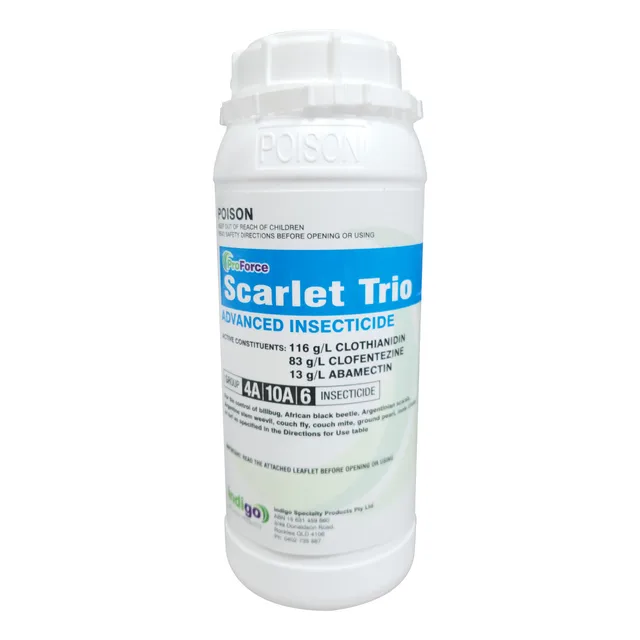


No products match those filters.