

Lace Bugs
Tingidae spp.
Lace bugs are sap-sucking insects that cause pale stippled foliage and premature leaf drop on ornamentals and some fruit and nut crops.
Lace bugs are small, sap-sucking true bugs named for the intricate, lace-like patterning on the adult's wings and thorax. Adults are typically 3–5 mm long, flattened, and appear pale brown to translucent with a delicate, net-veined appearance across the wing covers and pronotum. They are usually found resting on the underside of leaves, often in loose clusters. Nymphs are smaller, wingless, spiny-looking and darker (grey to brown or blackish), also feeding gregariously on the leaf underside, often alongside cast skins and dark, varnish-like spots of excrement.
Several lace bug species affect different host plants in Australia, including azalea lace bug, olive lace bug, macadamia lace bug and sycamore lace bug, each associated with a fairly specific host range. Despite differing hosts, they share a similar life cycle and feeding behaviour, piercing leaf tissue and removing cell contents from the underside of the leaf.
Lace bugs occur across the warmer and temperate parts of Australia, with activity increasing from spring through to autumn when temperatures are mild to warm. Populations can build over successive generations during the warmer months, with multiple overlapping generations possible in a single season in favourable climates. Sheltered, still conditions and water-stressed or dusty plants tend to favour higher populations.
Management relies on regular inspection of leaf undersides, particularly on susceptible ornamentals and hedging species, to detect infestations before heavy leaf damage and premature defoliation occur. Cultural measures such as maintaining plant vigour, avoiding drought stress and improving airflow around dense plantings can help reduce favourable conditions. Where chemical control is warranted, correct timing to target nymphal stages and thorough spray coverage of leaf undersides are important, as lace bugs are largely protected from contact sprays applied only to the upper leaf surface.
How to identify
- Leaf stippling: Fine pale, yellow or silvery speckling or mottling on the upper leaf surface, caused by feeding punctures on the underside.
- Discolouration and leaf drop: Heavily affected leaves may turn bronze, grey or brown and drop prematurely, reducing plant vigour and, in some crops, yield.
- Underside residues: Small black, varnish-like spots of excrement and pale, cast nymphal skins accumulate on the leaf underside where insects have been feeding.
- Field check: Turn over affected leaves and inspect closely, or gently tap the foliage over a sheet of white paper or card — adults and nymphs will often fall and can be seen moving on the surface.
- Lookalikes: Stippling from lace bugs can resemble damage from mites or thrips. Check the leaf underside for the distinctive lace-winged adults and spiny nymphs, plus the dark excrement spots, to confirm lace bugs rather than mites (which produce fine webbing) or thrips (which leave silvery, scarred patches without the tell-tale black spotting).
Registered products we stock
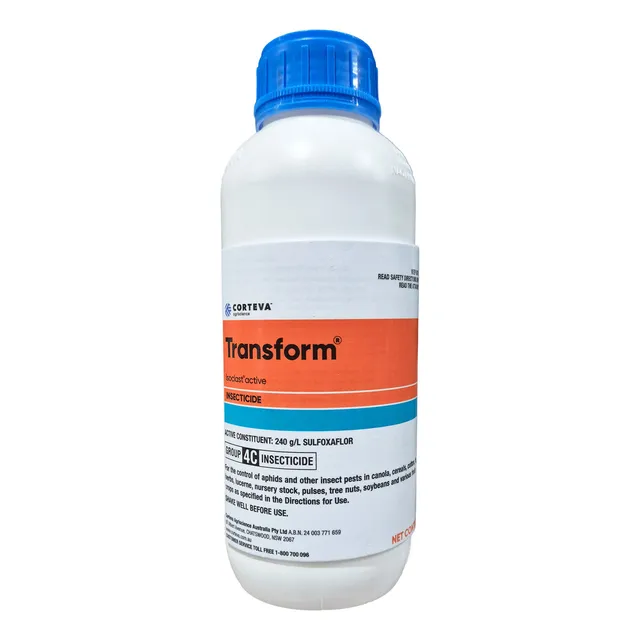
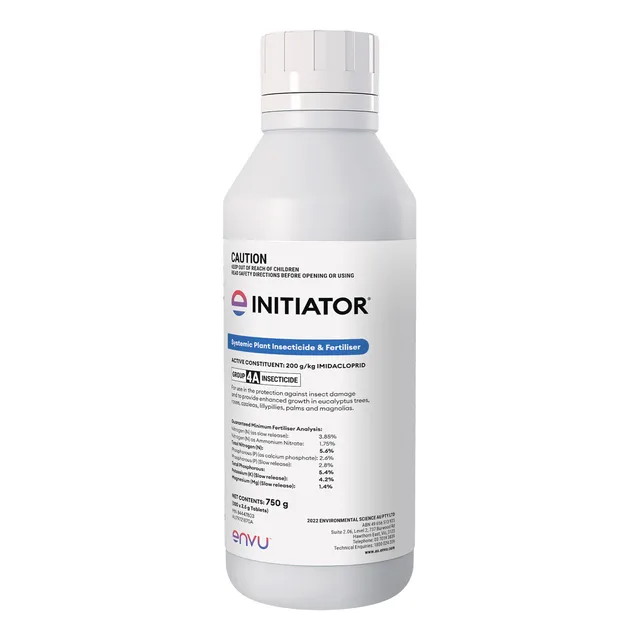
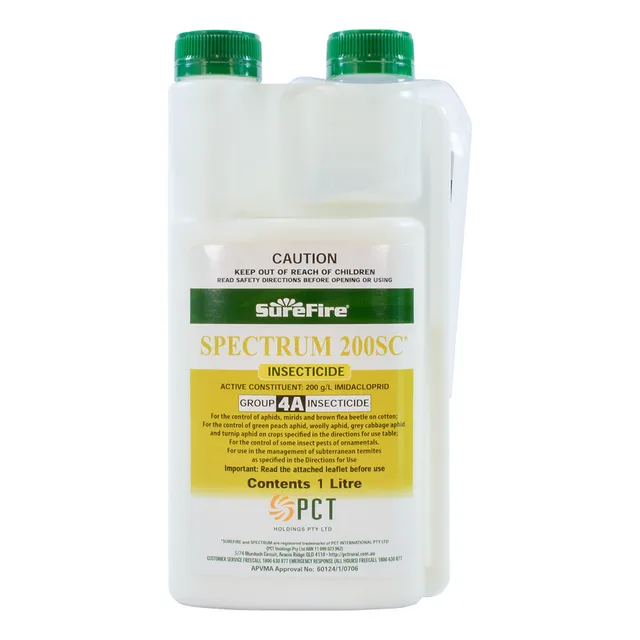
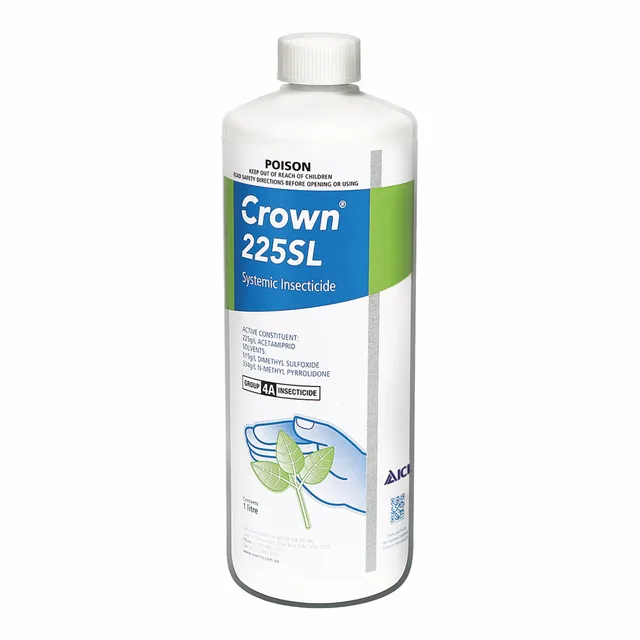
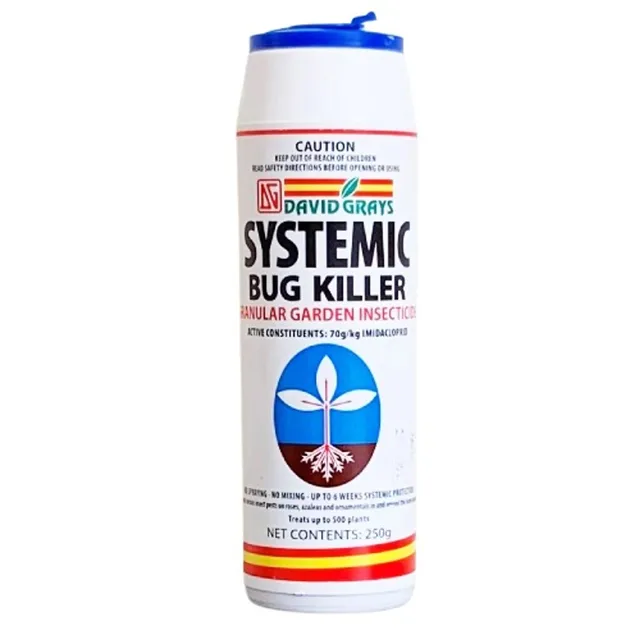
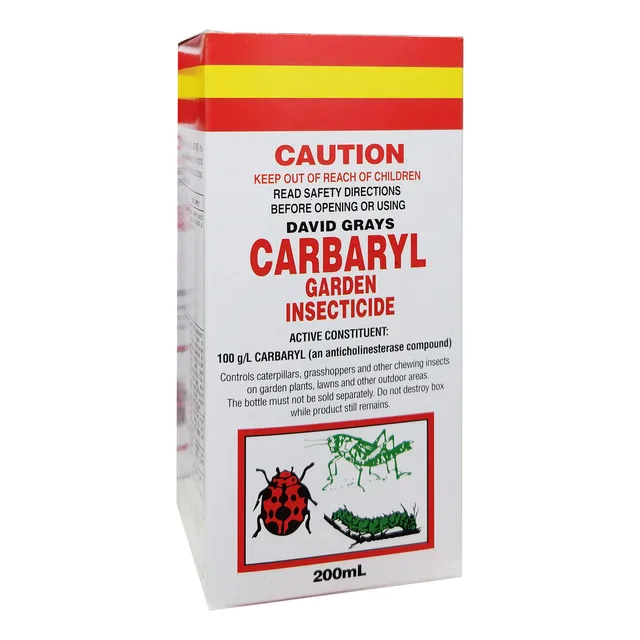
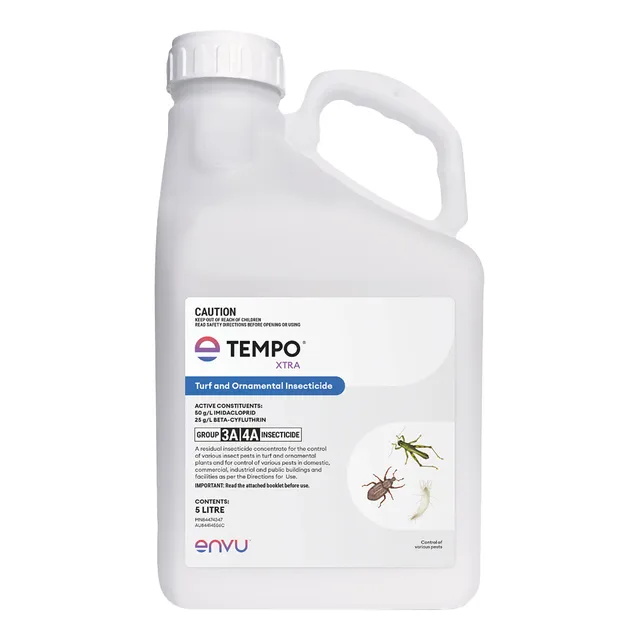
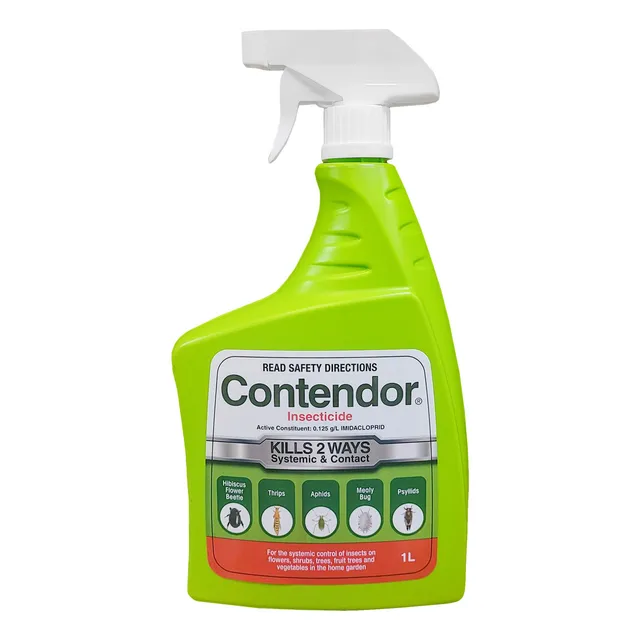
No products match those filters.