
Fungus Gnats
Sciaridae
Fungus gnats are small dark flies whose root-feeding larvae damage seedlings and cuttings in moist, organic-rich propagation media.
Fungus gnats are small, dark, mosquito-like flies belonging to the family Sciaridae. Adults are around 2-4 mm long, with slender dark grey to black bodies, long thin legs, and a single pair of clear wings held over the body at rest. They are weak fliers, often seen running or hopping across the surface of potting media, on benches, or near pot drainage holes, and are attracted to light and to moisture.
The larvae are the damaging stage. They are legless, thread-like maggots up to about 6-8 mm long, with a translucent to whitish body and a distinctive shiny black head capsule. Larvae live in the top layers of growing media, feeding on fungi, decaying organic matter, algae and plant root hairs. Under humid, saturated conditions they can occur in large numbers, particularly where media contains high levels of undecomposed organic matter such as peat, bark fines or compost.
Fungus gnats are common throughout the year in Australian nurseries, greenhouses and propagation facilities, with populations building fastest in warm, humid conditions and where irrigation keeps growing media consistently wet. They are especially problematic in seedling trays, plug production, tissue-cultured plantlets and freshly struck cuttings, where the root systems are small and easily damaged by even light larval feeding.
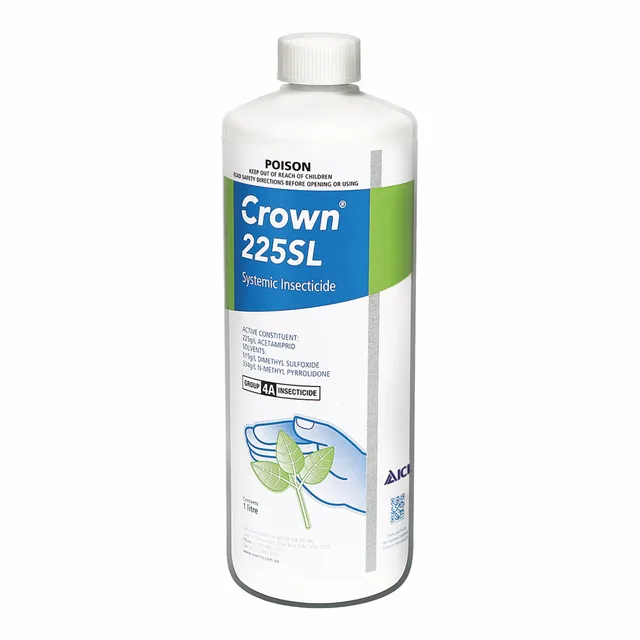
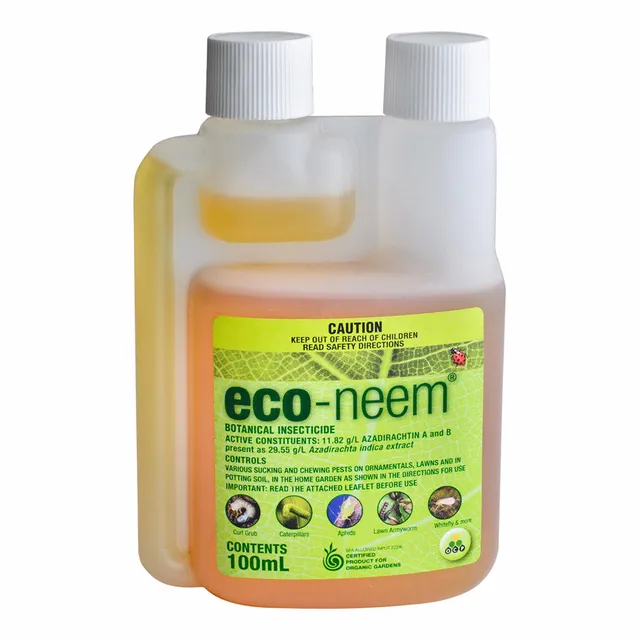
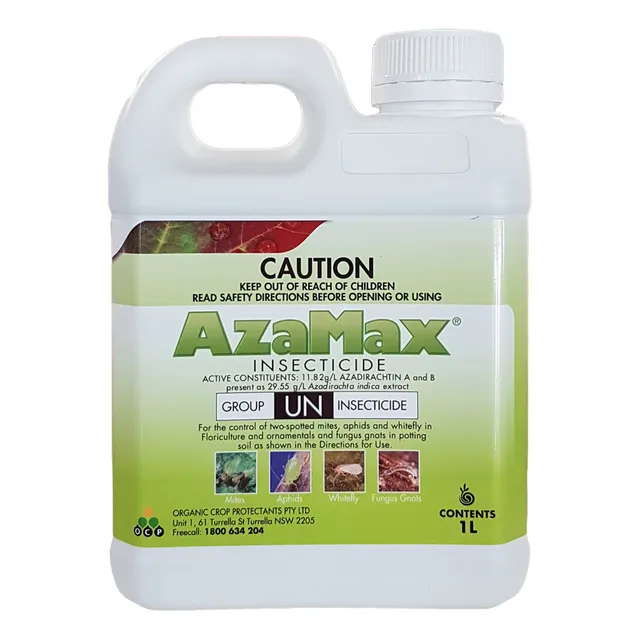
Management relies on cultural control as the first line of defence: avoiding overwatering, improving drainage and surface aeration, allowing the media surface to dry between irrigations, removing algae and decaying plant debris, and screening vents and doorways to exclude adults. Sticky yellow traps are useful for monitoring adult activity and timing intervention. Biological controls such as predatory mites, rove beetles or entomopathogenic nematodes targeting soil-dwelling larvae are widely used in protected cropping. Where chemical control is required, products should be selected and applied according to their registered use pattern and label directions.
How to identify
- Adult flies seen walking or weakly flying near pot surfaces, benches, drainage holes or around growing media, especially in warm, humid, overwatered conditions.
- Poor seedling and cutting establishment - stunted growth, wilting despite adequate moisture, yellowing, and reduced root mass in trays, plugs or freshly struck cuttings.
- Root and stem-base damage - fine roots and root hairs chewed away, and larvae can tunnel into the base of soft cuttings or seedling stems, increasing susceptibility to damping-off pathogens.
- Field check: gently scrape back the top 1-2 cm of growing media and look for small, legless, translucent larvae with a shiny black head capsule; sticky yellow traps placed at media surface height will confirm adult presence and relative population size.
- Lookalike - shore flies (Ephydridae): adults are similar in size but have a stockier body, short antennae and mottled wings, and their larvae lack the shiny black head capsule of fungus gnat larvae; shore flies feed mainly on algae rather than roots and cause little direct plant damage.
- Lookalike - moth flies (Psychodidae): adults have distinctly hairy, moth-like wings held flat or tent-like over the body, unlike the clear wings of fungus gnats.