

Dandelion
Taraxacum officinale
Dandelion is a persistent perennial broadleaf weed with a deep taproot that invades turf, garden beds and nursery stock.
Dandelion is a low-growing perennial broadleaf weed that forms a basal rosette of leaves close to the ground. The leaves are deeply toothed or lobed along the margins, giving them a jagged, arrow-like appearance, and are mid to dark green, hairless and arranged in a flat spiral radiating from a central growing point. From this rosette, hollow flower stalks rise several centimetres to over 20 cm, each topped with a single bright yellow flower head made up of many small strap-shaped florets.
After flowering, the flower head matures into a spherical seed head of fine, papery bristles (the familiar "puffball"), each seed attached to a parachute-like pappus that allows wind dispersal over considerable distances. Below ground, dandelion relies on a thick, fleshy taproot that can extend well over 30 cm deep, storing energy reserves that allow the plant to regenerate readily after mowing, slashing or incomplete hand removal.
It is a common and widespread weed across most of temperate and sub-tropical Australia, appearing in lawns, turf, garden beds, nursery containers, pastures and disturbed or neglected areas. It grows year-round in milder climates but is most vigorous during autumn, winter and spring when soil moisture is higher, often becoming less conspicuous over hot, dry summer periods before regrowing from the taproot.
Dandelion spreads primarily by seed, with a single plant capable of producing large numbers of wind-dispersed seeds over its flowering period, and seedlings can establish quickly in thin turf, bare soil or the media of container-grown nursery stock. Management relies on maintaining dense, healthy turf or groundcover to reduce establishment sites, physical removal that takes out as much of the taproot as possible, and appropriately timed and registered herbicide use, since any taproot fragments left in the soil can regenerate a new plant.
How to identify
- Rosettes of jagged, toothed leaves appearing flat against the soil surface, often in thin or stressed turf, garden beds or around the base of containerised nursery stock.
- Bright yellow, single flower heads on hollow stalks, followed by round, fluffy white seed heads that disperse seed on the wind.
- Regrowth from the same spot after mowing or shallow removal, indicating an intact taproot below ground.
- Field check: dig or lever out a suspect rosette and inspect the root system; dandelion has a single thick, fleshy taproot rather than a fibrous or branching root mass, and the stem and root exude a milky white sap when cut or broken.
- Lookalikes: catsear (Hypochaeris spp.) and flatweed have a similar rosette and yellow flower but their leaves are softer, hairier and less deeply lobed, and they lack dandelion's milky sap; false hawkbit and other daisy-family rosette weeds can also be confused with dandelion and are best distinguished by checking leaf hairiness and sap when in doubt.
Registered products we stock
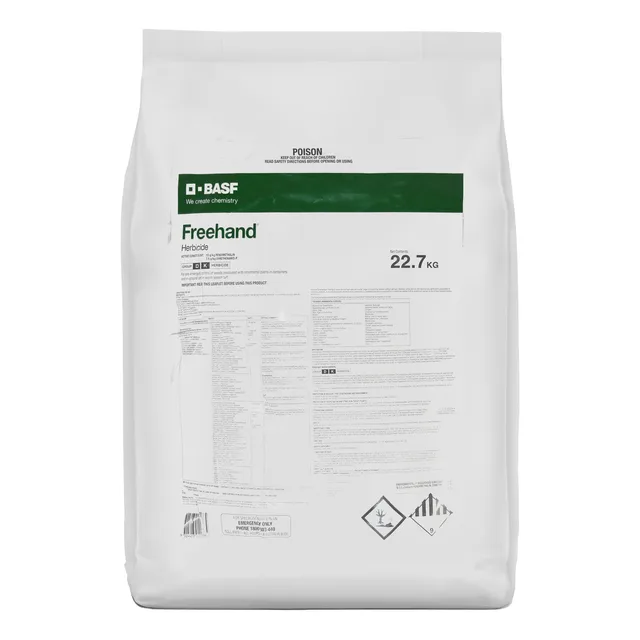
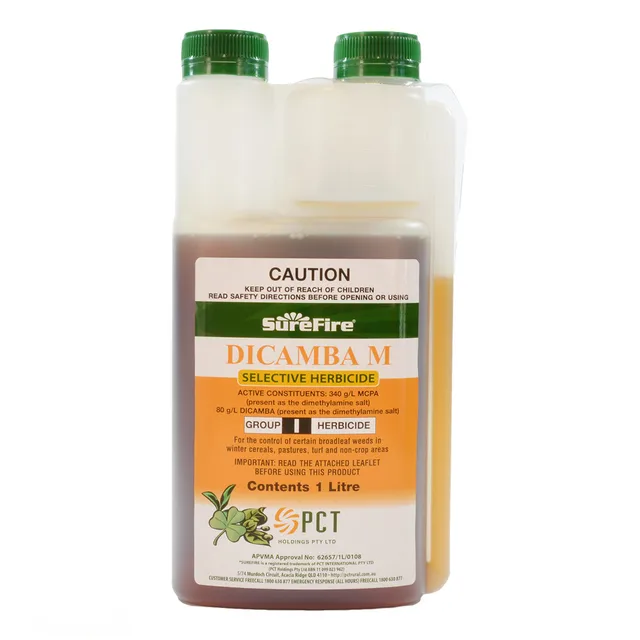
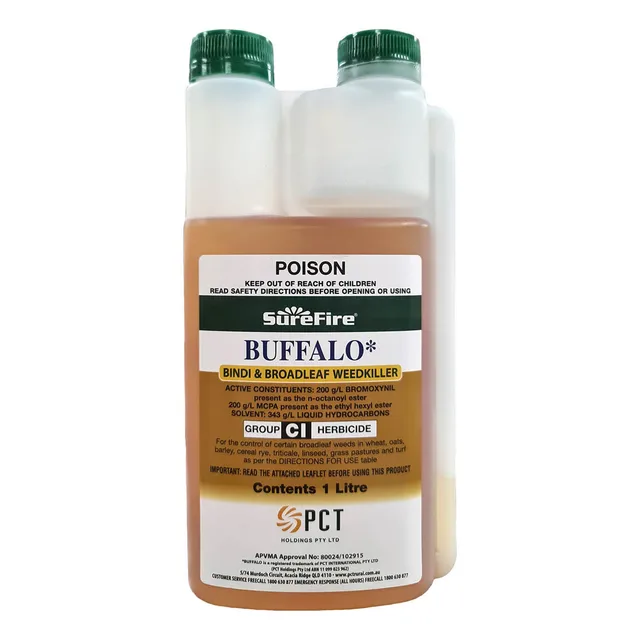

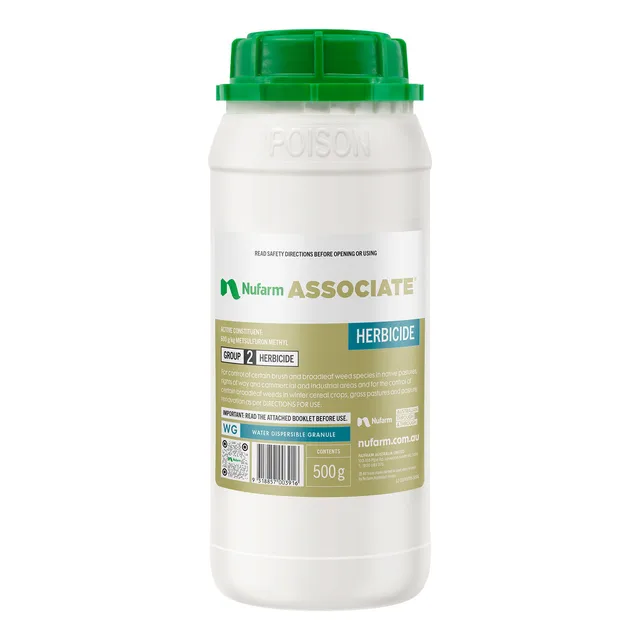
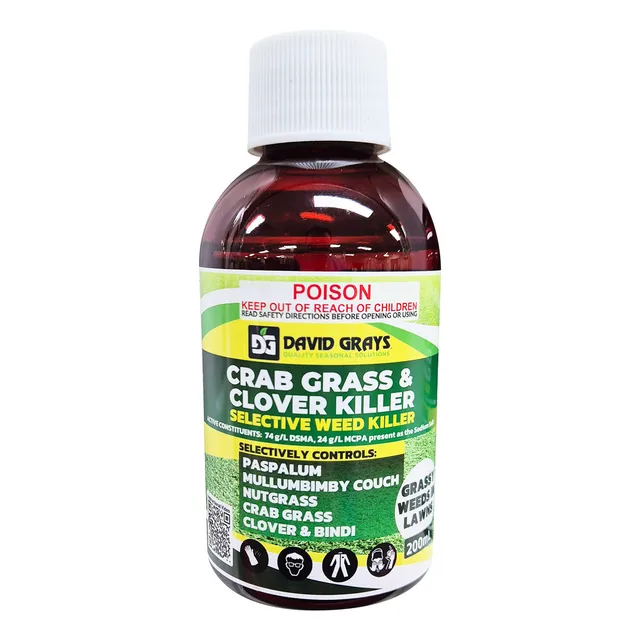
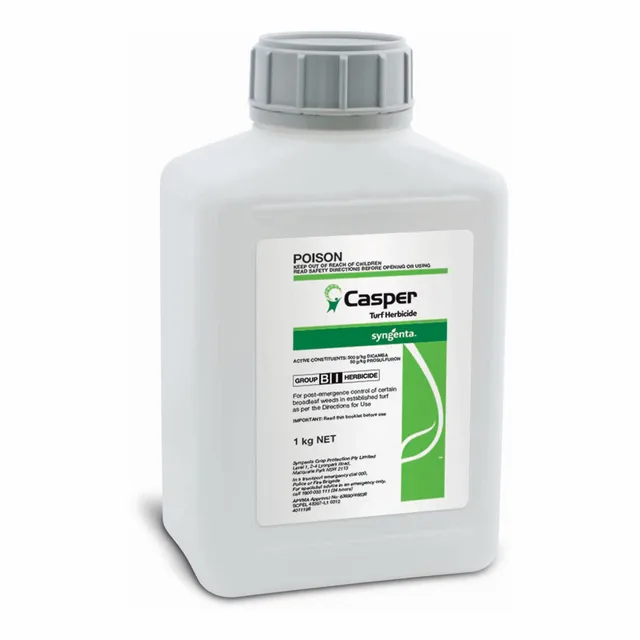
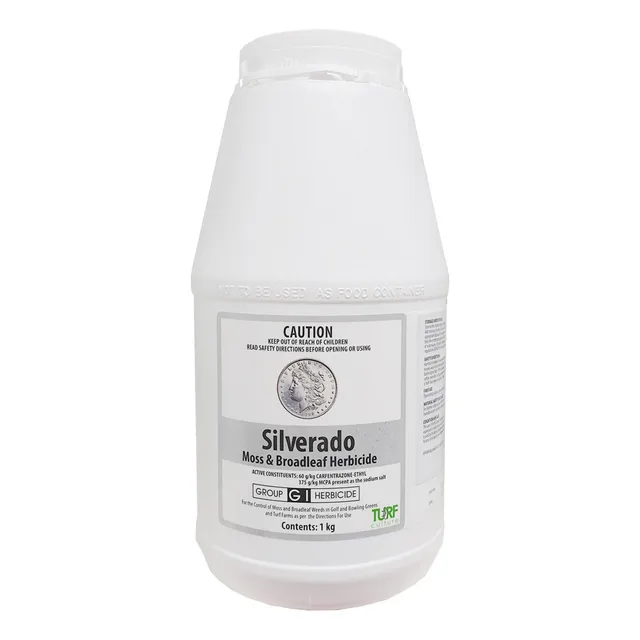

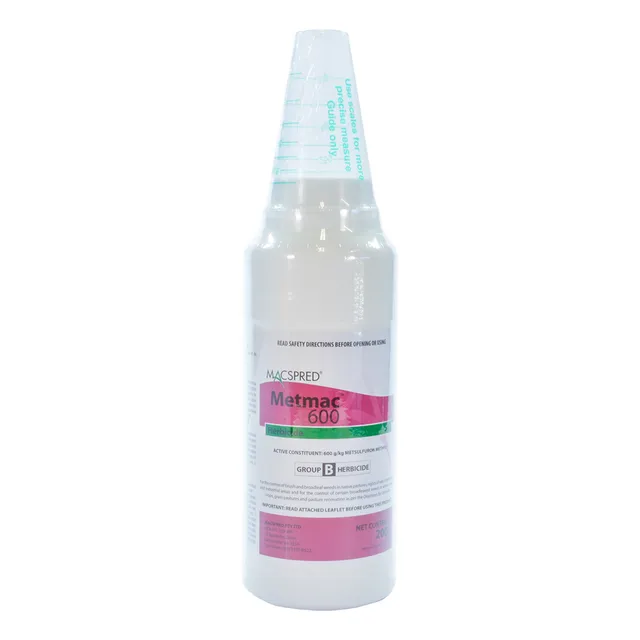
No products match those filters.