

Creeping Oxalis
Oxalis corniculata
Creeping oxalis is a low, mat-forming perennial weed with clover-like leaves that spreads by seed and rooting stems in turf, garden beds and containers.
Creeping oxalis is a low-growing, mat-forming perennial broadleaf weed. It has trifoliate leaves resembling clover, each leaflet heart-shaped and typically green, though a purple-leafed form is also common in cultivation and nursery settings. Stems are slender, often reddish, and root at nodes as they trail along the ground, allowing the plant to form dense spreading patches.
Small five-petalled yellow flowers appear on thin stalks above the foliage through most of the warmer months, followed by narrow, upright, ridged seed capsules. These capsules dry and split explosively when mature, ejecting seed some distance from the parent plant, which contributes to rapid local spread in nursery beds, pots and garden borders.
The plant has a fine taproot along with fibrous roots at rooting nodes, making hand removal difficult once a mat has established, as broken stem fragments left in the soil or growing media can reshoot.
Creeping oxalis is widespread across Australia in lawns, garden beds, disturbed soil, cracks in paving and particularly in nursery container stock, where it thrives in the moist, nutrient-rich conditions of potting media. It grows and seeds year-round in milder regions but is most vigorous during warmer, humid weather in spring and summer.
Management relies on an integrated approach: maintaining dense, healthy turf or groundcover to limit establishment, physically removing small infestations before seed set, avoiding introduction via contaminated pots or mulch, and using registered herbicides where appropriate as part of a broader control program.
How to identify
- Low, spreading mats of clover-like foliage in turf, garden beds or between paving, often first noticed in nursery pots or garden edges.
- Small yellow, five-petalled flowers followed by narrow, upright seed capsules that split explosively when touched or dried, flicking seed outward.
- Stems root at nodes where they contact soil or growing media, so patches expand outward from an initial plant.
- To confirm identity, look closely at the leaves: three heart-shaped leaflets per stem, unlike true clovers which have rounded or oval leaflets without the notch. Gently tug a stem — creeping oxalis stems are wiry and root along their length rather than from a single crown.
- Commonly confused with clover (Trifolium spp.), which has rounded leaflets and globular flower heads rather than oxalis's slender seed pods, and with pink-flowered oxalis species, which have similar foliage but pink or white flowers instead of yellow.
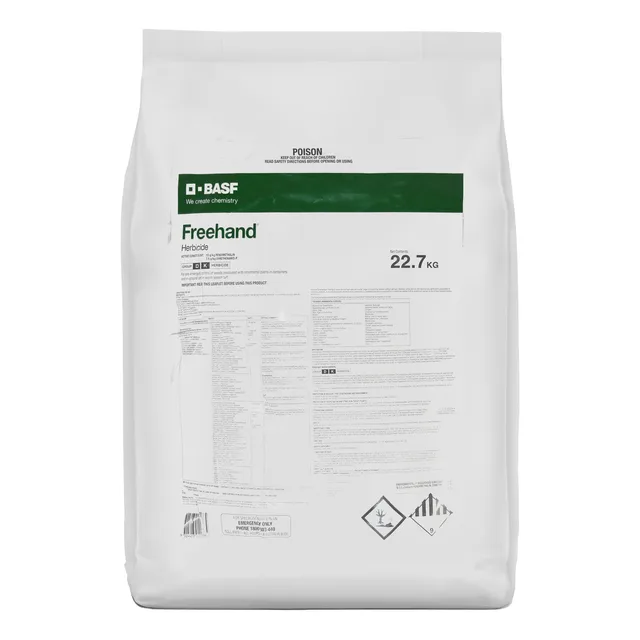
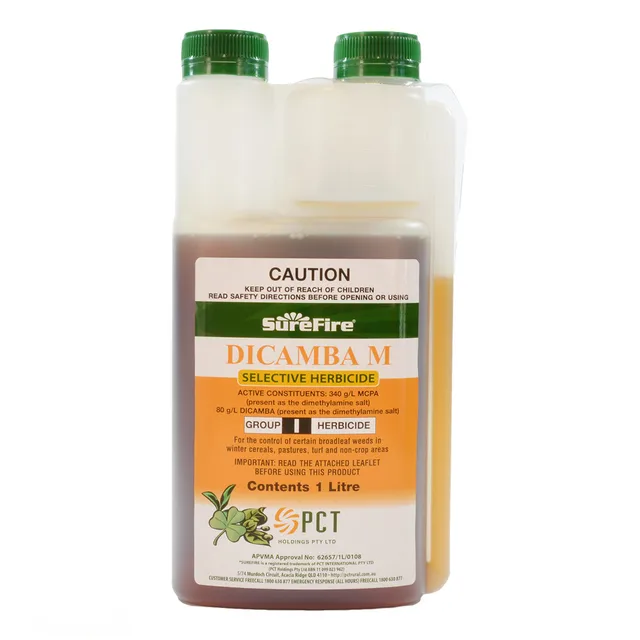
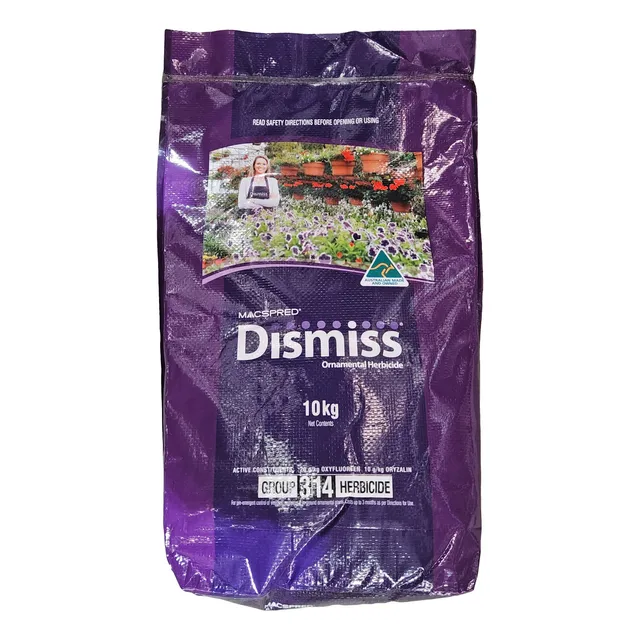
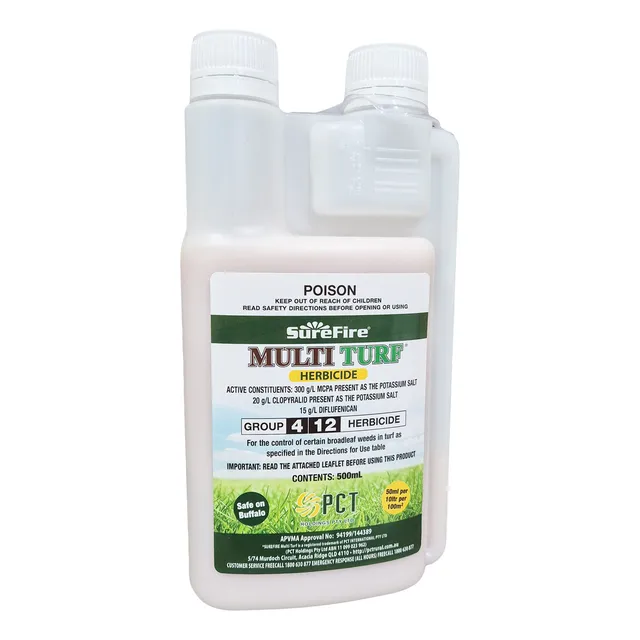
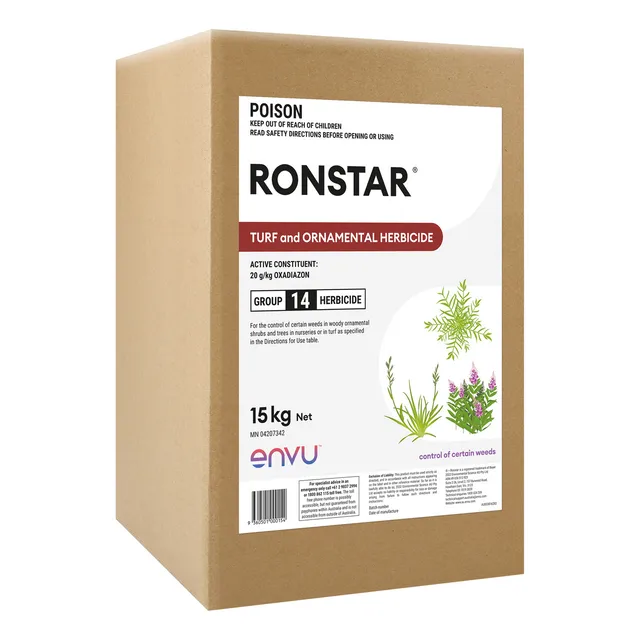
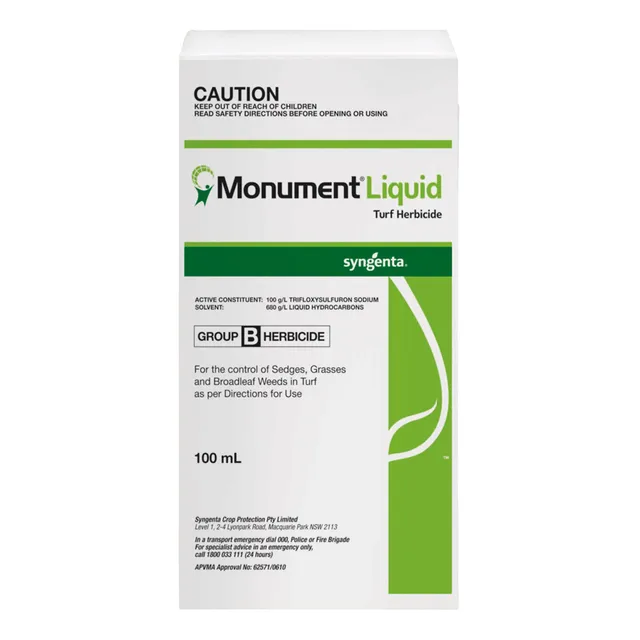
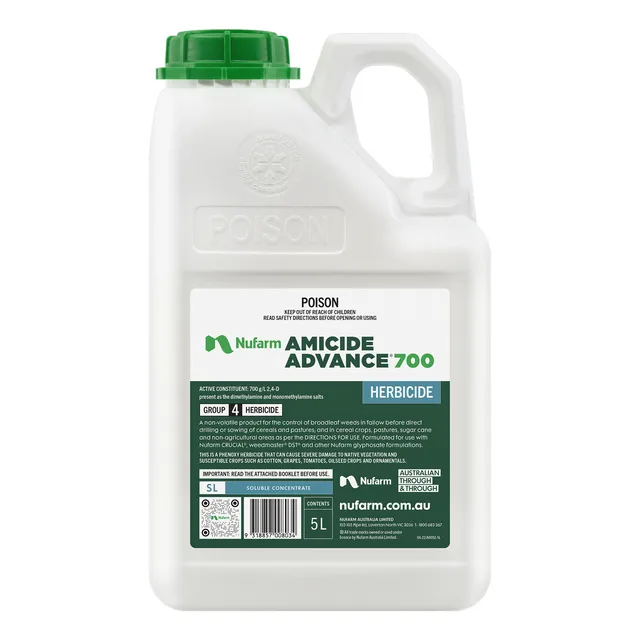
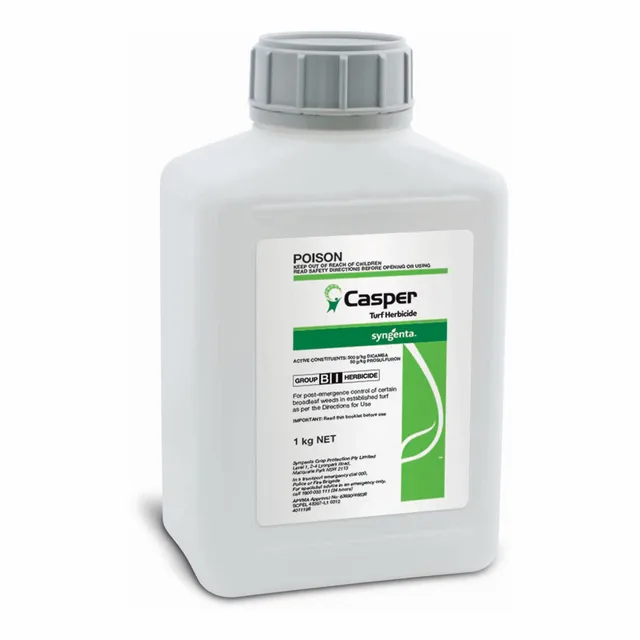
Registered products we stock



No products match those filters.