

Algae
Chlorophyta & Cyanobacteria
Algae form slimy green, black or brown mats or scums on wet turf, media, structures and irrigation systems, favoured by moisture and nutrients.
Algae are simple photosynthetic organisms, not fungi, and in horticultural and turf situations they range from single-celled planktonic forms suspended in water to filamentous mat-forming types and blue-green algae (cyanobacteria). On turf and bare soil, algae typically appear as a thin, slimy, dark green to black film that sits on the surface, often in low, poorly drained or compacted areas. When it dries out it can form a crusty black or grey-green scale that sheds water and prevents seed germination or grass recovery. In ponds, tanks and irrigation lines, algae appear as free-floating green or brown suspensions, stringy hair-like filaments, or pink to black slimy deposits on wet surfaces such as pot bases, benches, shade cloth, drippers and the inside of pipework.
Growth is entirely dependent on light, moisture and available nutrients rather than infecting plant tissue directly, so algae are considered a cultural and environmental problem more than a classic disease pathogen. They proliferate wherever water sits on a surface for extended periods, especially in warm weather, under shade, in areas with poor air movement, or where nutrient runoff (particularly nitrogen and phosphorus) accumulates in irrigation water, retention ponds or on saturated growing media.
In Australian nursery, turf and landscape settings algae are common year-round in irrigated situations but peak over the warmer months when light and temperature both favour rapid growth. Typical sites include waterlogged or compacted turf areas, greenhouse benches and floors, capillary matting, pot surfaces on drip-irrigated stock, dams and irrigation storages, and biofilm build-up inside irrigation lines and filters.
Management focuses on reducing surface moisture and nutrient availability: improving drainage and aeration, avoiding overwatering, increasing light penetration and air movement, correcting compaction, and reducing nutrient runoff into water bodies. Physical removal (scraping, brushing, flushing lines) and periodic cleaning of tanks, benches and irrigation infrastructure help prevent build-up, alongside routine monitoring of irrigation water quality.
How to identify
- Surface film or scum: a slimy green, black, brown or pink layer on turf, bare soil, growing media, pot surfaces, benches or structures, often in shaded, low-lying or poorly drained spots.
- Crusting: on turf and soil, dried algal mats form a hard, water-repellent black or grey-green crust that inhibits seed germination and slows recovery of thin turf.
- Stringy or hair-like growth: filamentous algae form floating mats or trailing strands in ponds, tanks and irrigation storages.
- Discoloured or cloudy water: planktonic and blue-green algae cause green, brown or turbid water in dams, tanks and reticulation systems, sometimes with an odour.
- Blocked irrigation: slimy biofilm build-up inside pipes, filters and drippers reducing flow or causing uneven irrigation.
- Field check: algal mats are slippery and smear easily when rubbed between fingers, unlike moss (which has a fibrous, leafy structure) or fungal mycelium (which is thread-like and dry to slightly cottony). Scraping the surface will reveal a slick, uniform film rather than distinct plant structures or fungal threads.
- Lookalikes: can be confused with moss on turf/media (moss holds a leafy or tufted structure and doesn't smear) or with fungal scums such as slime moulds (which are drier, spongy or crumbly rather than slippery).
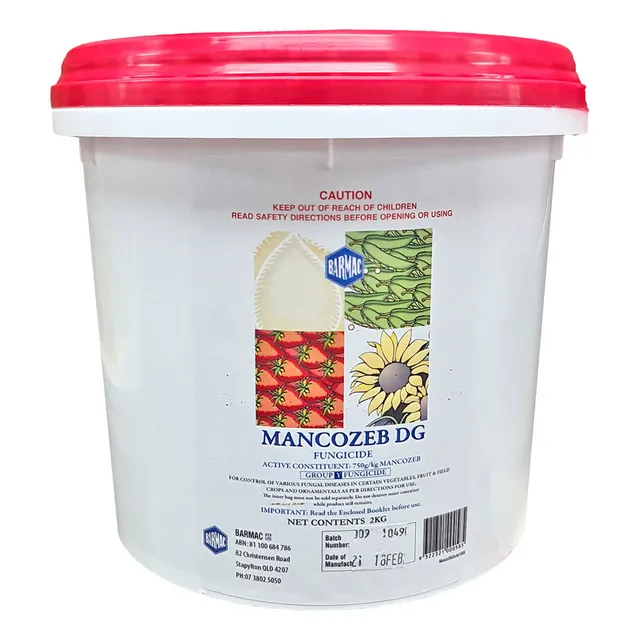
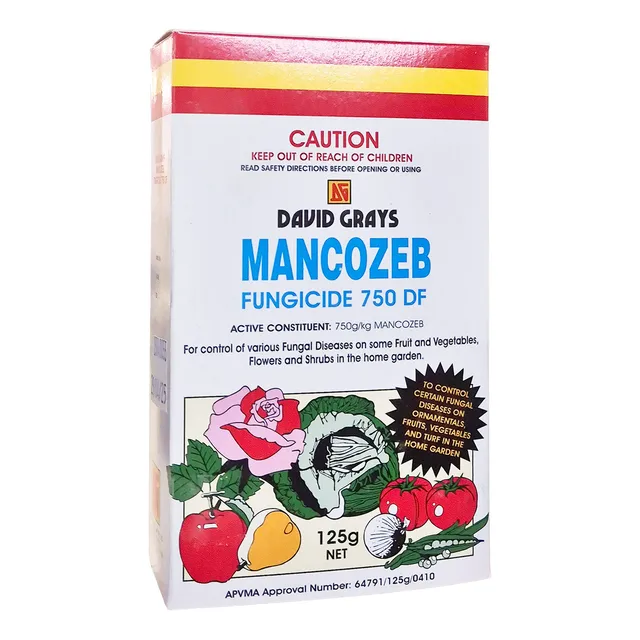
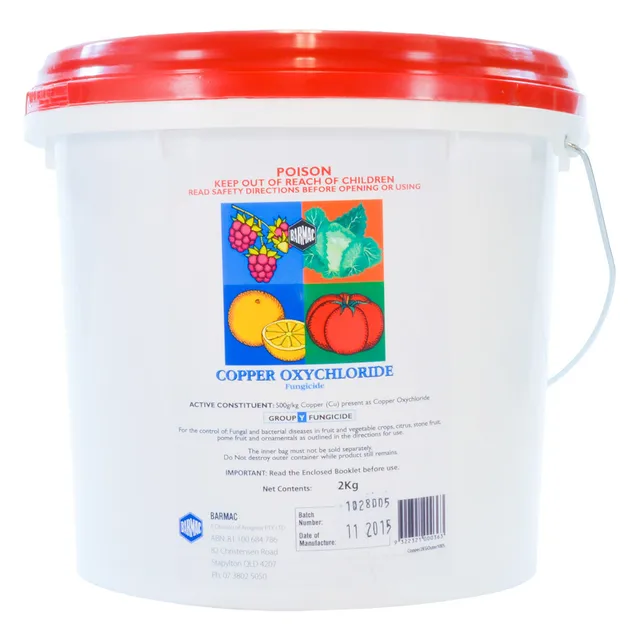
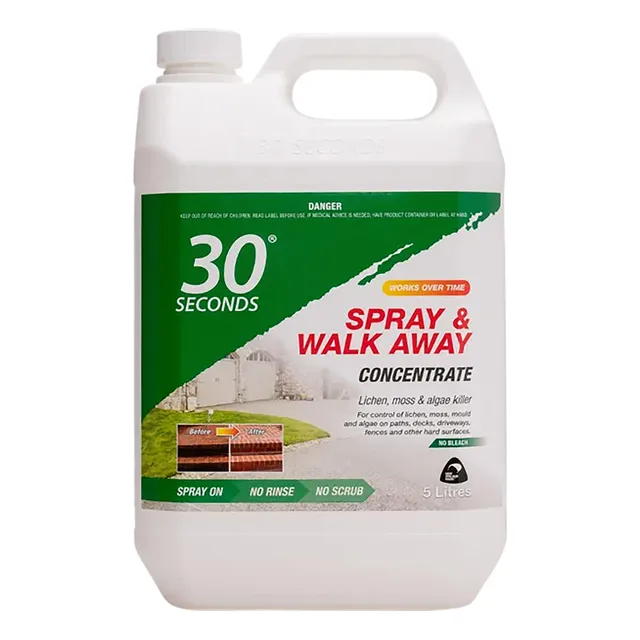
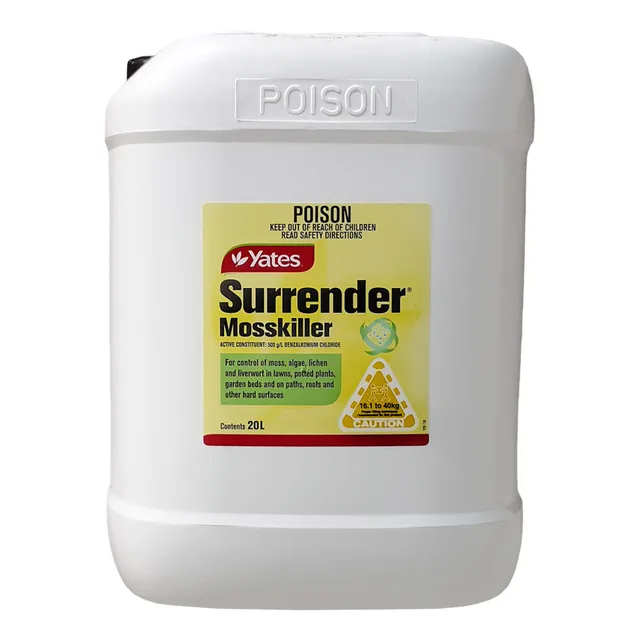
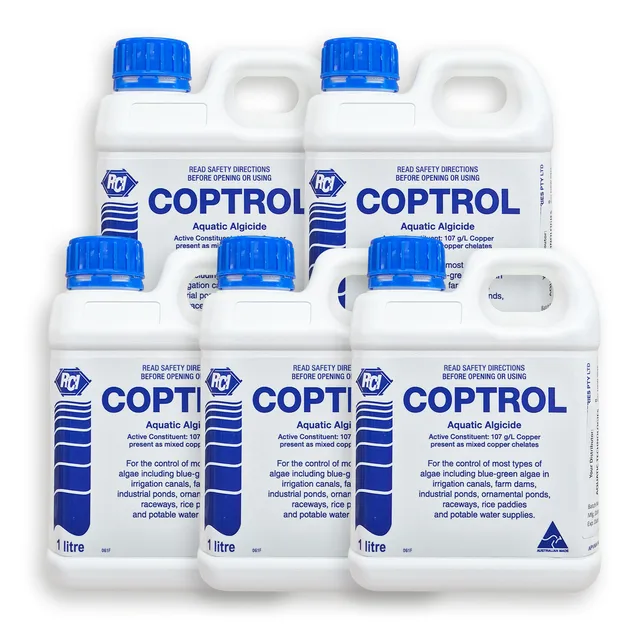
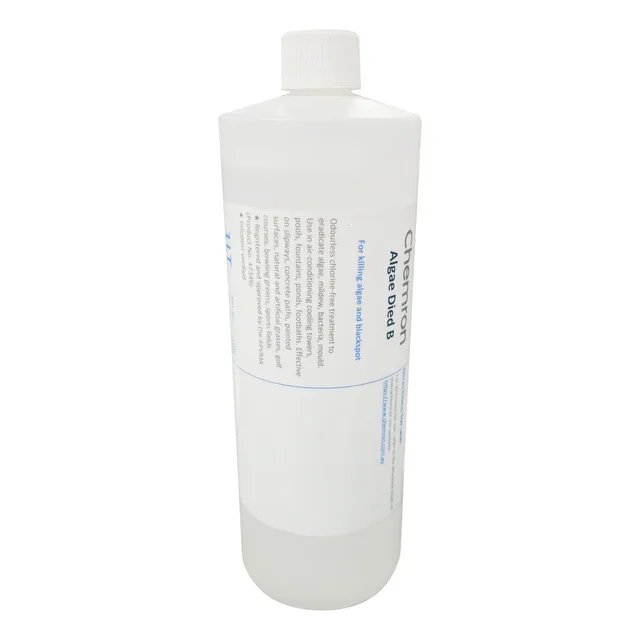
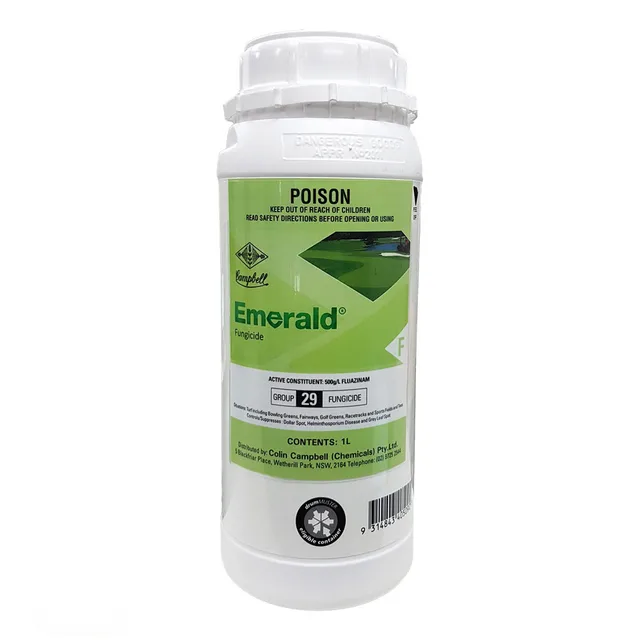
Registered products we stock
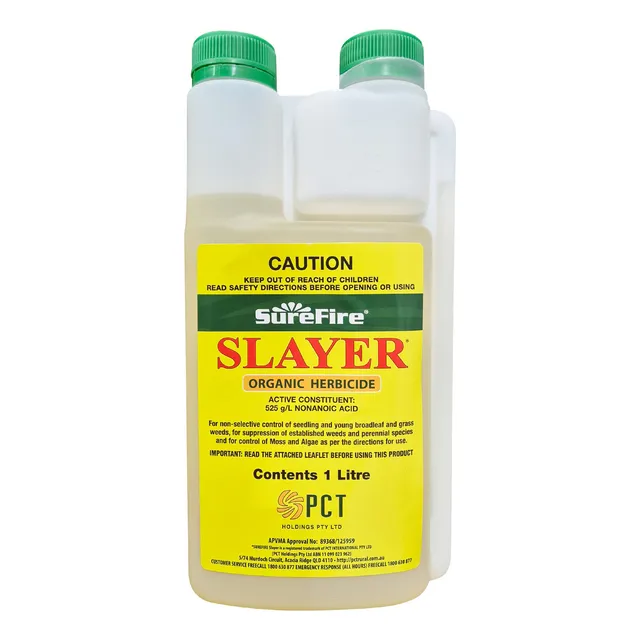
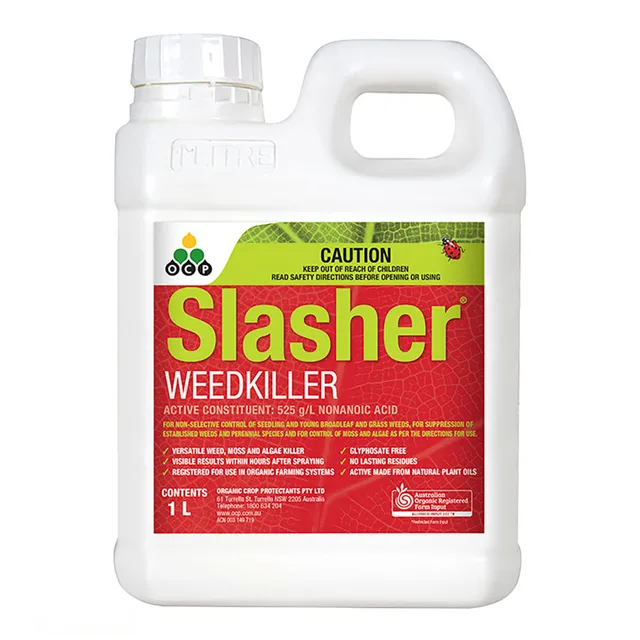
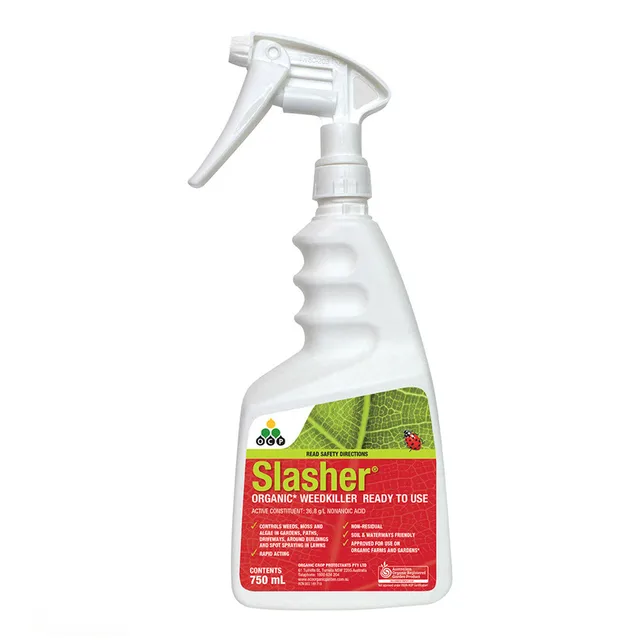
No products match those filters.